You’ll find Cuttens just 2.5 miles south-southeast of Eureka, accessible via State Route 101 with paved roads leading to its unmarked cemetery and scattered ruins. Spring and fall offer ideal 60-80°F temperatures for exploring the crumbling structures and mining remnants that testify to California’s golden past. Bring a gallon of water daily, sturdy boots, and high-SPF sunscreen as you wander through this accessible ghost town that doesn’t demand the punishing desert drives of more remote sites—and there’s much more to discover about optimizing your visit.
Key Takeaways
- Cuttens is located 2.5 miles south-southeast of downtown Eureka at 200 feet elevation, accessible via State Route 101.
- Visit during spring or fall for optimal 60-80°F temperatures; winter evenings drop to 30°F requiring layers.
- Bring one gallon of water daily, high-SPF sunscreen, sturdy boots, and paper maps where cell signals fail.
- Explore unmarked cemetery, reconstructed mining camp buildings, scattered equipment, and collapsed shafts from California’s gold rush era.
- Extend your trip to nearby Bodie State Historic Park, Cerro Gordo, Calico Ghost Town, or Dogtown ruins.
Getting to Cuttens: Routes and Road Conditions
Nestled just 2.5 miles south-southeast of downtown Eureka, Cutten sits at a modest 200 feet above sea level, making it one of the most accessible destinations in Humboldt County’s ghost town landscape. You’ll reach this census-designated place via State Route 101, with paved roads offering excellent accessibility for disabled visitors throughout the 1.3-square-mile area.
From San Francisco, you’re looking at a five-hour drive north on US 101, while Sacramento visitors can take Route 299 west in about six hours. The Arcata-Eureka Airport puts you just 30 minutes away. Road safety concerns remain minimal—Cutten’s low elevation means you won’t encounter snow, though Humboldt’s winter rains can create slick conditions. Standard rural roads branch directly from Eureka, delivering you to this forgotten settlement.
What You’ll Discover Among the Ruins
Upon arrival, you’ll find Cutten’s “ghost town” reputation somewhat misleading—this is no dusty collection of abandoned mining shacks and crumbling saloons. Instead, you’ll discover a living community where history whispers through everyday spaces.
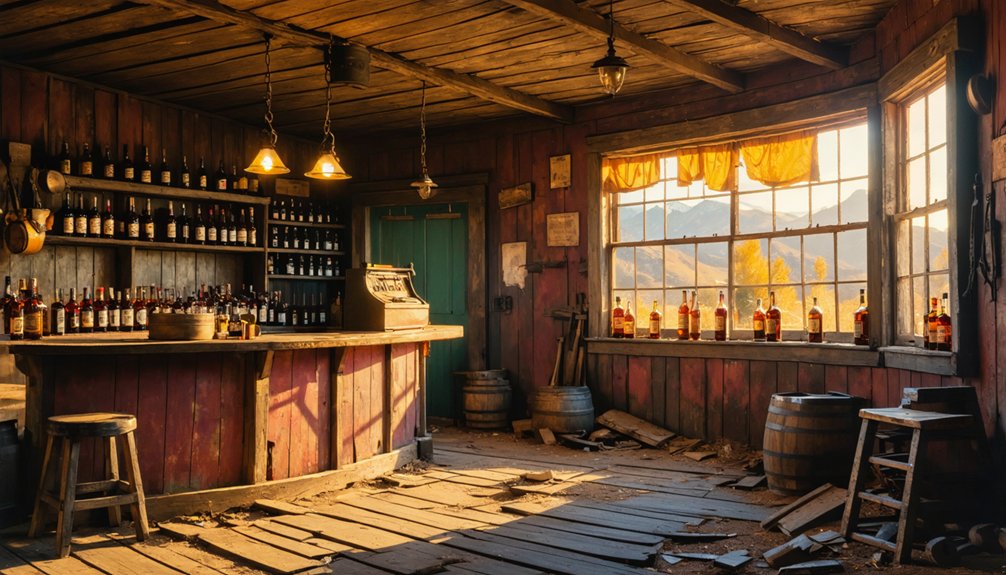
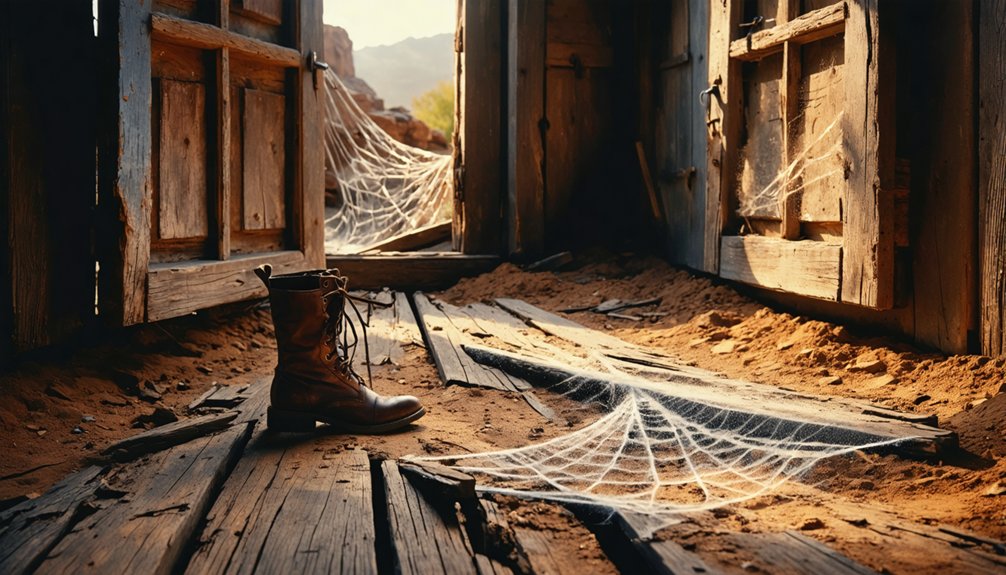
The main draw is an unmarked cemetery where destroyed headstones hint at forgotten pioneers who carved lives from wilderness. Interior furnishing remnants tell intimate stories: tattered curtains flutter in breeze-swept rooms, faded wallpaper clings to walls, and iron bed frames stand sentinel over decades of abandonment.
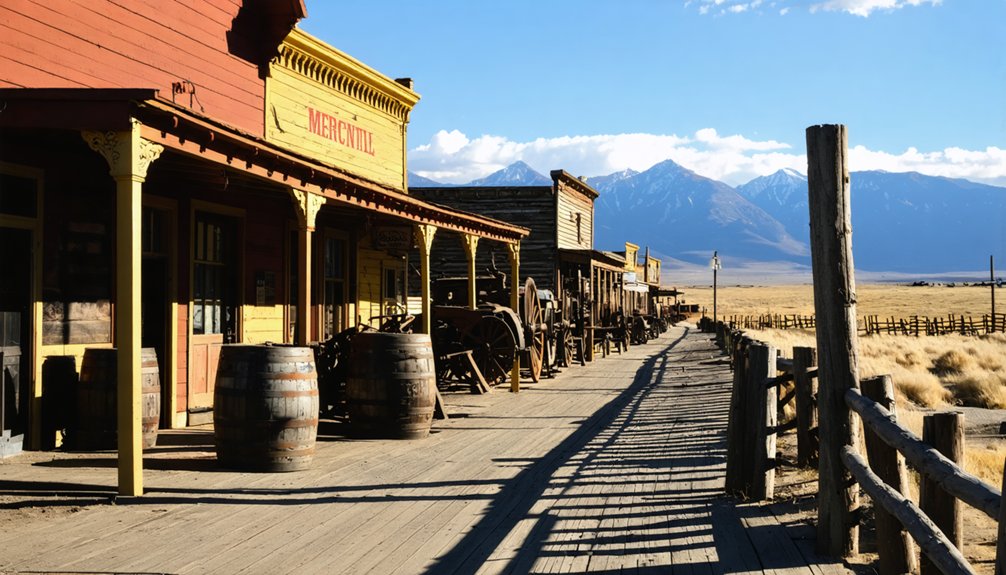
Weatherbeaten buildings reconstructed from Isabella’s flooded mining camps create an architectural patchwork. You’ll spot scattered mining equipment and collapsed shafts overgrown with brambles—testaments to dreams that sparkled brightly before fading into California’s golden past.
Best Time to Visit and What to Bring

Since Cuttens experiences dramatic temperature swings between seasons, timing your visit strategically transforms a potentially miserable trek into an unforgettable exploration. Target spring or fall when 60-80°F days offer perfect conditions for maximizing photography opportunities without summer’s brutal 100°F+ heat.
Winter’s clear skies deliver crisp light, though you’ll need layers for 30°F evenings.
Pack essentials that respect your independence: one gallon of water daily, high-SPF sunscreen, and sturdy boots for traversing crumbling structures. Your vehicle needs high clearance for rough access roads, plus paper maps where cell signals vanish.
Bring headlamps for dim interiors and trash bags for minimizing environmental impact—these ruins survive because visitors leave nothing behind. Quick-dry clothing handles temperature shifts from chilly mornings to scorching afternoons across this unforgiving desert landscape.
Extending Your Journey to Nearby Ghost Towns
Why limit yourself to a single ghost town when California’s abandoned settlements cluster together like forgotten constellations across the high desert? Bodie State Historic Park sits 18 miles from Lee Vining, where you’ll find lodging options and dining experiences before exploring 65 saloons frozen in time.
As you venture further into the region, you’ll discover ghost towns near San Joaquin city that offer a glimpse into the lives once lived there. The eerie remnants of these settlements serve as a stark reminder of California’s robust history, captivating explorers and history buffs alike. Each abandoned structure tells a story, inviting you to imagine what life was like during its heyday.
Venture south to Cerro Gordo’s hidden silver empire in the Inyo Mountains, where Beaudry’s 1870s smelter chimney rises above scattered mining equipment. Calico Ghost Town offers restored miner dwellings and cave-like quarters in San Bernardino County—a perfect Southwest addition.
Dogtown’s barren coordinates (38°10′13″N 119°11′51″W) mark 1857’s vanished dreams. Even Drawbridge near Alameda County defies expectations as California’s urban-adjacent abandonment. You’re tracing freedom’s ragged edges across landscapes that refused to compromise.
Preservation Rules and Respectful Exploration
Walking among weathered foundations and crumbling walls comes with responsibility that extends beyond your personal experience. Federal and state laws protect these sites—removing square-headed nails or any artifacts carries legal consequences. Trail cameras and volunteer patrols monitor locations regularly.
Your visitor responsibilities include staying on marked paths to prevent erosion and respecting private property boundaries where they exist. Artifact protection isn’t bureaucratic red tape; it’s preserving stories tied to each rusted tool and weathered timber.
California’s ghost towns follow “arrested decay” policies, stabilizing structures without full restoration to maintain authentic character. Skip the metal detecting and treasure hunting—they’re prohibited. Instead, practice Tread Lightly principles. These aren’t theme parks; they’re heritage sites where your stewardship determines whether future travelers experience the same raw authenticity you’re seeking.
Frequently Asked Questions
Are There Any Accommodations or Camping Options Near Cuttens?
You’ll find plenty of nearby lodging options in Eureka, just 2.5 miles away, with hotels and Victorian inns. Public campground facilities surround Cutten too—from Samoa Dunes beaches to redwood forest sites, offering freedom-seekers diverse wilderness experiences.
What Was the Total Gold Extracted From Cuttens During Its Peak?
The unknown total gold extracted from Cuttens remains unrecorded, lost to history like many Gold Rush-era claims. Despite this mystery, the economic impact of gold mining transformed California’s frontier, drawing fortune-seekers to remote camps like Cuttens.
Can I Bring My Dog to Explore the Cuttens Ghost Town?
You’ll find no explicit restrictions preventing canine exploration considerations at Cuttens. However, research specific trail regulations beforehand, as pet friendly activities depend on land management policies. Always leash your dog and pack water for safe, responsible adventuring together.
Are Guided Tours Available or Is It Self-Exploration Only?
You’ll find zero guided tours here—this populated CDP of 3,223 residents offers only self guided experiences through its active streets. No virtual tours exist either, since Cutten’s a living community, not an abandoned ghost town destination.
What Photography Restrictions Exist at the Cuttens Historic Site?
You’ll find no photography permits required for personal shooting at Cuttens, letting you capture ghost town memories freely. However, strictly no drone use is allowed—keep your aerial equipment grounded while exploring this historic site.