Green River, Vermont isn’t your typical ghost town—there’s no dramatic collapse or eerie legends, just a quietly fading hamlet with mill ruins, covered bridges, and stone foundations reclaimed by forest. You’ll want to base yourself in nearby Brattleboro or Wilmington, start early, and navigate winding backroads with offline maps downloaded. Bring your camera, drive slowly, and let the landscape tell its story. There’s far more history and atmosphere here than first meets the eye.
Key Takeaways
- Green River is a fading historic hamlet, not a dramatic ghost town, offering mill ruins, covered bridges, and quiet New England atmosphere.
- Stone foundations and riverbank remnants tell the story of water-powered mills that once drove Green River’s local economy.
- Access Green River via Brattleboro or Guilford Center using winding backroads; download offline maps and depart before noon.
- Use Brattleboro, Wilmington, Newfane, or Greenfield, MA as nearby base towns for lodging, dining, and fuel.
- Maximize the trip by looping through Marlboro, Guilford, and Wilmington, stopping at covered bridges, cemeteries, and historic hamlets.
Is Green River, Vermont Actually a Ghost Town?
Whether Green River, Vermont deserves the “ghost town” label depends on what you’re expecting to find. If you’re chasing urban legends or paranormal stories, you’ll likely leave underwhelmed. No dramatic collapse, no hollowed-out main street, no eerie legend with real teeth.
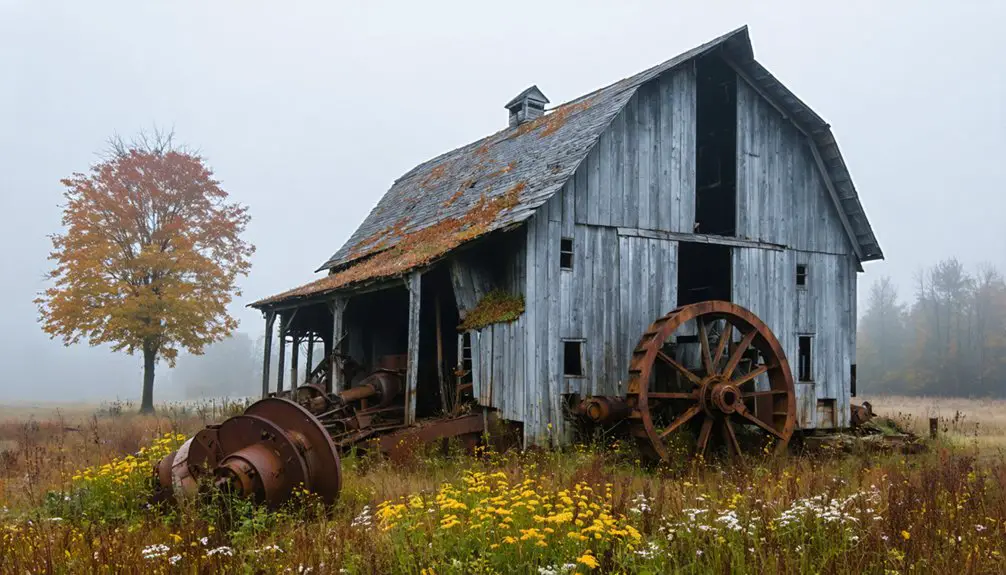
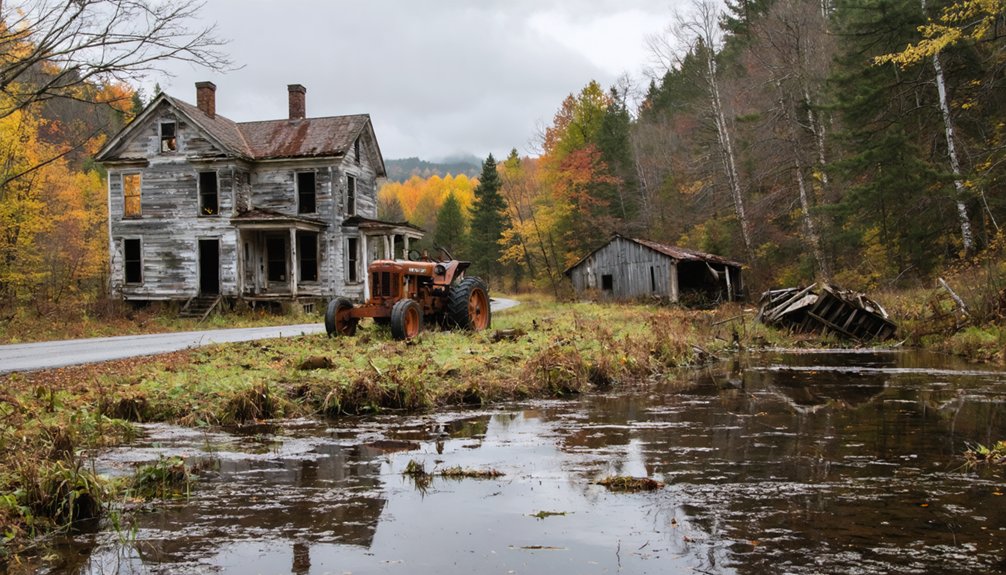
What you’ll find is something quieter and perhaps more compelling. Green River is an unincorporated village in Guilford that has simply faded from commercial relevance over generations. Sparse population, minimal activity, and remnants of a mill-era past create an abandoned-feeling landscape without the abandonment.
Think of it less as a ghost town and more as a historic hamlet the modern world largely passed by. That distinction matters when you’re planning your route and setting honest expectations for the road ahead.
The Covered Bridges, Mill Ruins, and River Views That Make Green River Worth Finding
What draws most visitors to Green River isn’t the ghost town mystique—it’s the physical landscape that survives. You’ll find covered bridges framing the river just right for photography, old mill ruins that hint at the industrial past behind the folklore stories, and water views that reward anyone willing to navigate the backroads.
The Green River itself runs quietly through the corridor, giving the whole area a timeless, unhurried feel. Urban legends may pull curious travelers in, but the stonework foundations, forested hillsides, and traditional New England architecture are what make the stop genuinely worthwhile.
Walk the riverbank, study the remaining structures, and let the landscape speak for itself. Green River earns its reputation through scenery and history, not mythology.
The Mill History Behind Green River’s Quiet Decline
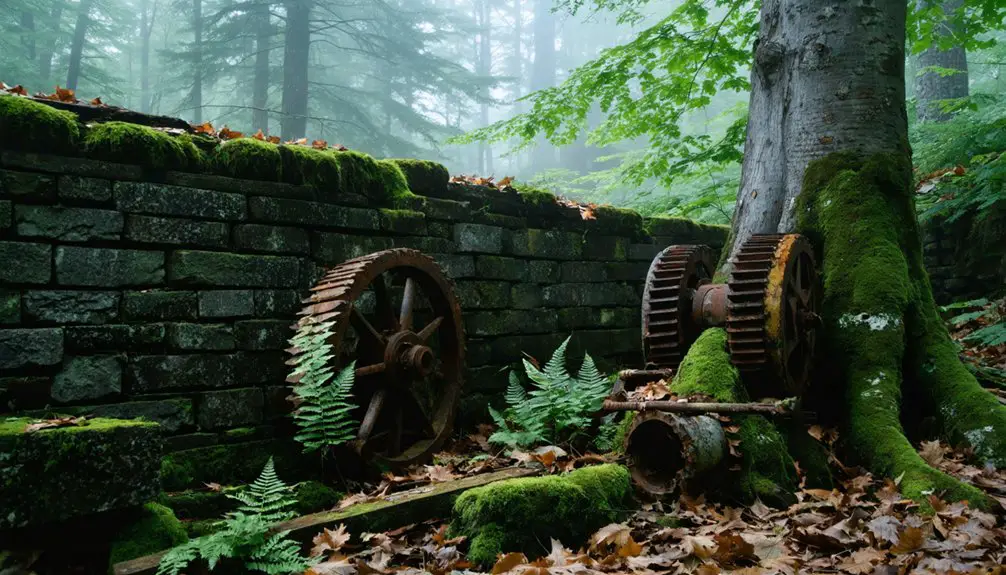
The stonework you notice along the riverbank isn’t just scenic—it’s evidence of a working past that shaped Green River’s rise and eventual quiet fade. Water powered mills once drove this hamlet’s economy, processing timber and grain when the river’s current meant real commercial power.
You’re walking through what was once a self-sustaining operation, and the industrial remnants scattered across the landscape tell that story better than any historical marker could.
As regional markets shifted and transportation routes bypassed smaller communities, Green River lost its economic footing. Mills closed, workers moved on, and the village contracted.
What remained was the landscape itself—stone foundations, worn channels, and forested hillsides slowly reclaiming what industry once cleared. That quiet is the direct result of economic forces that reshaped rural Vermont.
What Remains: What to See Along the Green River Corridor Today
Driving the Green River corridor today, you’ll find a landscape that hasn’t entirely erased its past. Stone foundations peek through roadside brush, hinting at the mill-era industry that once defined this hamlet.
The Green River itself remains a quiet constant, threading beneath covered bridges that local folklore ties to the village’s working history. You’ll notice old stonework along the banks, remnants of a settlement that scaled back rather than vanished entirely.
Historic preservation efforts have kept certain structures standing, giving the corridor a lived-in authenticity that pure ghost towns can’t offer. Watch for rural farms, forested hillsides, and small cemeteries marking early settlement patterns.
Bring a camera, drive slowly, and let the landscape tell its own story on its own terms.
How to Reach Green River on Vermont’s Back Roads
If you’re starting from southern Vermont, you’ll want to route through Brattleboro or Guilford Center, both of which serve as practical gateways before the roads narrow and the landscape quiets.
Expect winding, single-lane stretches that reward slow driving and punish impatience, so give yourself extra time and keep a paper map or downloaded route handy.
The best entry points follow local roads hugging the Green River corridor, where the pavement shrinks, the tree canopy thickens, and the hamlet suddenly appears without much warning.
Starting Your Route South
Getting to Green River means committing to Vermont’s backroad pace, where narrow lanes wind through forested hills and GPS signals occasionally lose their nerve.
Starting your route south gives you the best approach through Windham County’s quieter corridors, where local legends cling to old mill sites and seasonal foliage transforms the drive into something worth stopping for repeatedly.
Before you roll out, lock in these four starting essentials:
- Download offline maps before leaving cell range
- Fill your tank in Brattleboro or Guilford Center
- Plan departure before noon for maximum daylight
- Check Vermont road conditions for mud season or winter closures
You’re not chasing a theme park experience here. You’re tracing a landscape that rural Vermont quietly kept alive.
Navigating Narrow Backroads
Once you’ve pointed your car south and cleared the last fuel stop, the real navigation work begins. Vermont’s backroads narrow fast, and the lanes threading toward Green River demand your full attention. Expect tight curves, minimal signage, and road surfaces that shift without warning.
Download offline maps before you lose cell service, because you’ll lose it. Local legends describe travelers missing turns and wandering deeper into the hill country, which honestly sounds like a better accident than most.
Time your drive to catch seasonal foliage if you’re visiting in fall — the canopy closes tightly over these roads, turning the corridor into something almost theatrical. Drive slowly, keep your windows down, and let the landscape reveal itself on its own terms.
Best Entry Points Nearby
How you approach Green River shapes the entire experience. Vermont’s backroads reward those who choose their entry points wisely, dropping you into scenic landscapes that feel genuinely removed from modern life.
From Guilford, four reliable entry corridors lead toward the village:
- Route 5 south from Brattleboro – your fastest orientation point before turning west
- Guilford Center Road – threads through farmland and forest toward the river corridor
- Stage Road – carries local folklore about old settlement routes and mill-era travel
- Weatherhead Hollow Road – delivers dramatic wooded descent toward the Green River itself
Each approach offers a distinct mood. Pick your route based on light conditions and the season.
Morning arrivals give you the clearest views and the quietest roads before any traffic appears.
What Time of Year Is Best for Visiting Green River?
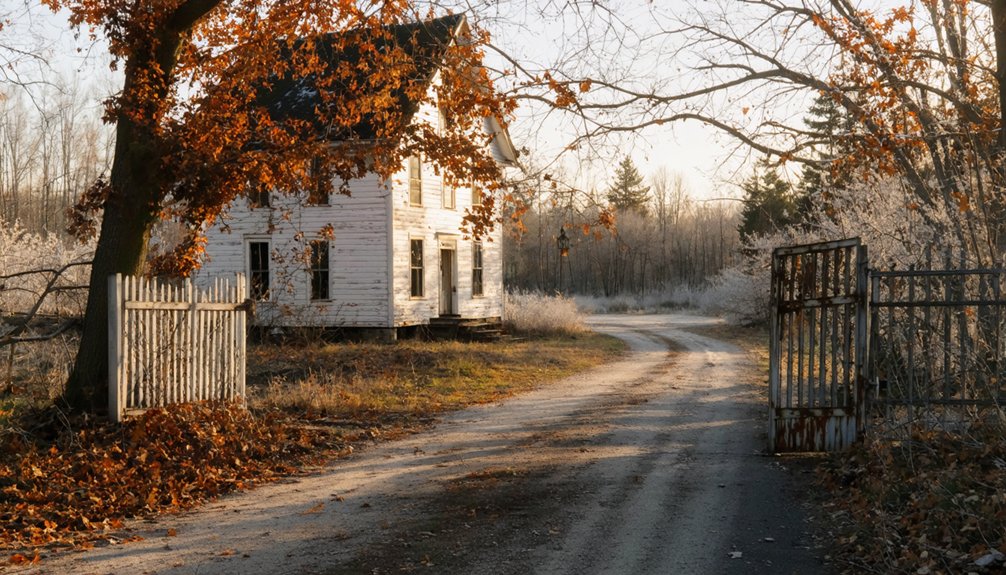
Timing your visit to Green River can make or break the experience. Late spring through early fall offers the clearest roads and most accessible backroad conditions. Summer brings lush greenery along the river corridor, while fall transforms the surrounding hills into vivid seasonal scenery that feels almost cinematic.
If local folklore draws you in, autumn’s quieter, moodier atmosphere suits that “lost village” feeling perfectly. Avoid winter and mud season — narrow rural roads become treacherous, and access points may close entirely. Early May also brings unpredictable mud that can strand your vehicle on unpaved stretches.
September and October hit the sweet spot: manageable weather, stunning foliage, and enough solitude to let the hamlet’s eerie, abandoned-feeling landscape sink in without tourist crowds diluting the mood.
Nearby Towns to Base Yourself While Exploring Green River
Since Green River itself offers no lodging, restaurants, or fuel stops, you’ll want to anchor your trip in one of the nearby towns before venturing down its quiet backroads.
Each option balances modern amenities with easy access to the countryside, without the constraints of urban development:
- Brattleboro – The largest nearby hub, offering diverse dining, fuel, and lodging options.
- Wilmington – A charming base with inns and restaurants roughly 30 minutes west.
- Greenfield, MA – Just across the state line, providing additional lodging variety.
- Newfane – A classic Vermont village with quiet accommodations and a slower pace.
Choose whichever town suits your style, then drive into Green River refreshed, fueled, and ready to explore its atmospheric backroads freely.
How to Turn Green River Into a Full Southern Vermont Road Trip
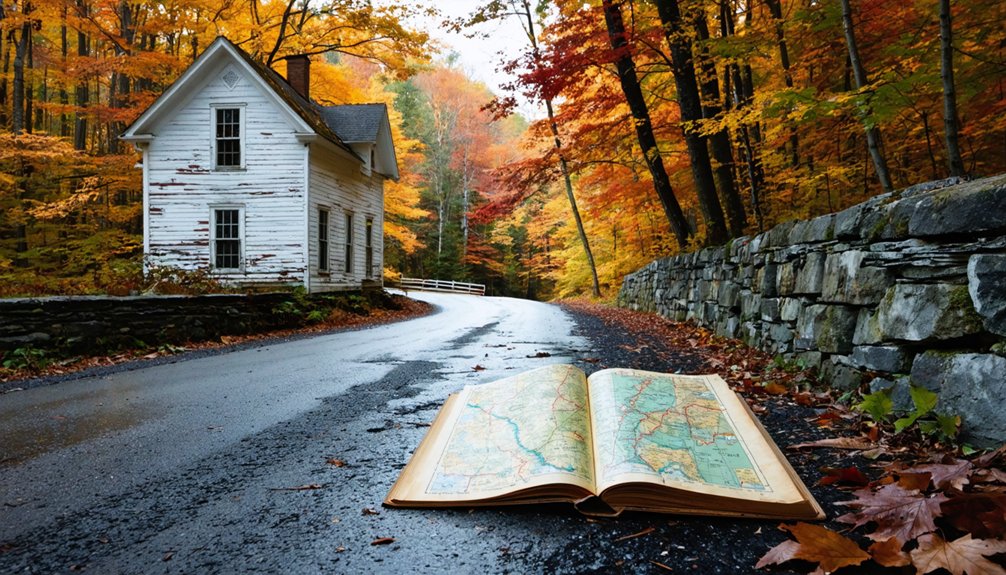
Once you’ve secured your base in one of those nearby towns, Green River becomes just one stop on a rewarding southern Vermont loop worth stretching across an entire day. Head out early and follow the backroads through Guilford and Brattleboro, where modern preservation efforts have kept historic architecture intact and worth stopping for.
Wind through Marlboro and Wilmington, picking up local color and mountain views along the way. Urban legends surrounding forgotten Vermont hamlets add a layer of intrigue to each detour you take.
Pause at covered bridges, riverside pullouts, and hilltop cemeteries whenever something catches your eye. Southern Vermont rewards slow travelers who resist rigid itineraries.
Let the landscape set your pace, and you’ll return with far more than photographs.
Frequently Asked Questions
Are There Any Guided Tours Available for Green River, Vermont?
You won’t find formal guided tours here, but you’ll love exploring Green River’s historical landmarks independently. Wander freely, soak in the scenery, and sample local cuisine in nearby towns while crafting your own adventure.
Is There Cell Phone Service Along the Green River Backroads?
Imagine losing your GPS mid-turn on a narrow dirt road — that’s real here. Cell coverage drops considerably along Green River’s backroads, so don’t count on strong signal strength. Download offline maps before you venture out.
Are Pets Allowed on Trails Near the Green River Corridor?
You’ll likely welcome pets on Green River’s backroads, but always check local trail regulations before heading out. Keep pet safety top of mind by leashing your furry companion and watching for wildlife along the corridor.
Is There an Entrance Fee to Visit Green River, Vermont?
You won’t pay an entrance fee to explore Green River’s historical landmarks — it’s completely free! Roam the backroads freely, soak in the scenery, and discover local cuisine in nearby towns without spending a dime.
Are Restroom Facilities Available Anywhere Near Green River Village?
Like a true off-grid explorer, you’ll find restroom availability scarce near Green River Village. Plan ahead by using nearby facilities in Brattleboro or Guilford before hitting those winding backroads — freedom favors the prepared traveler!