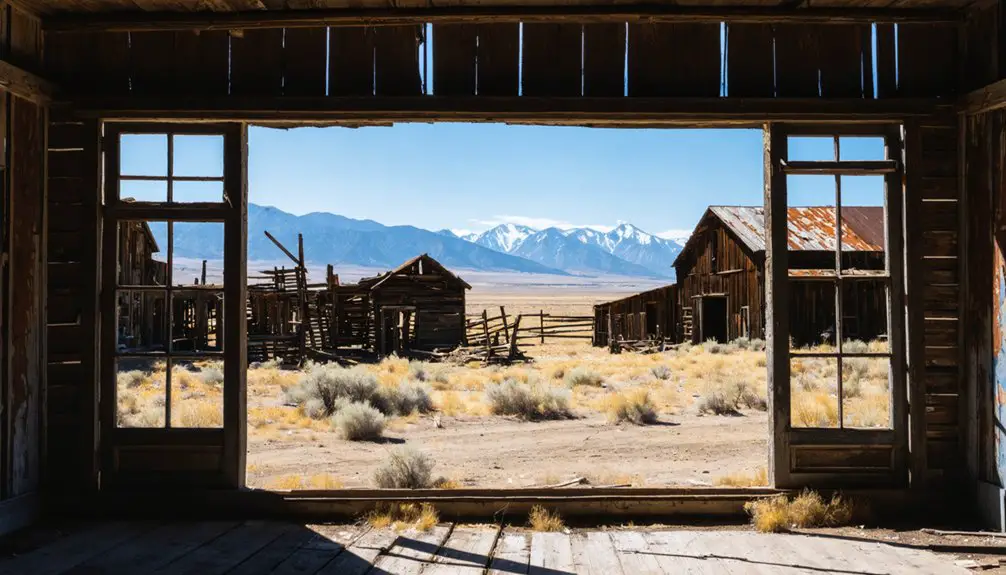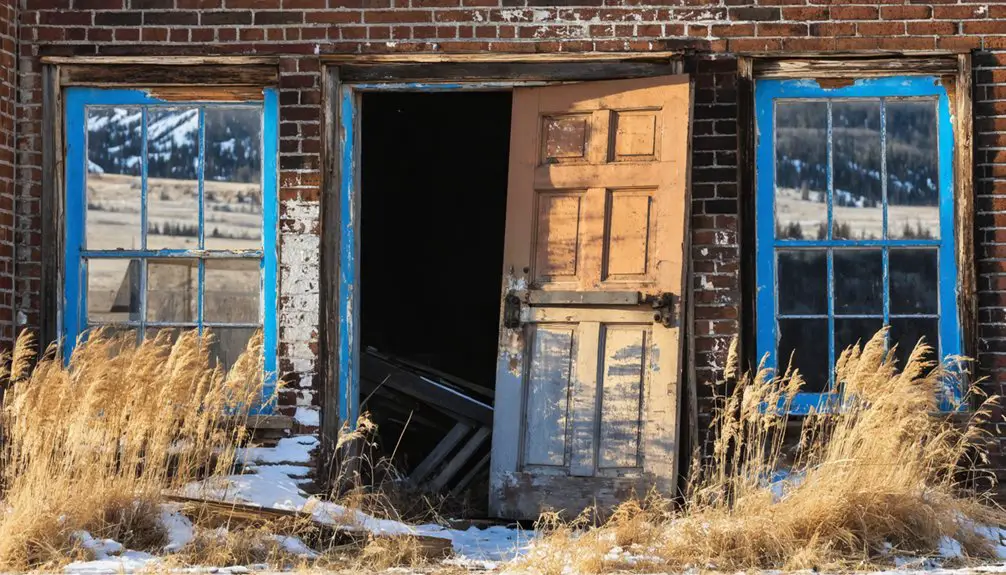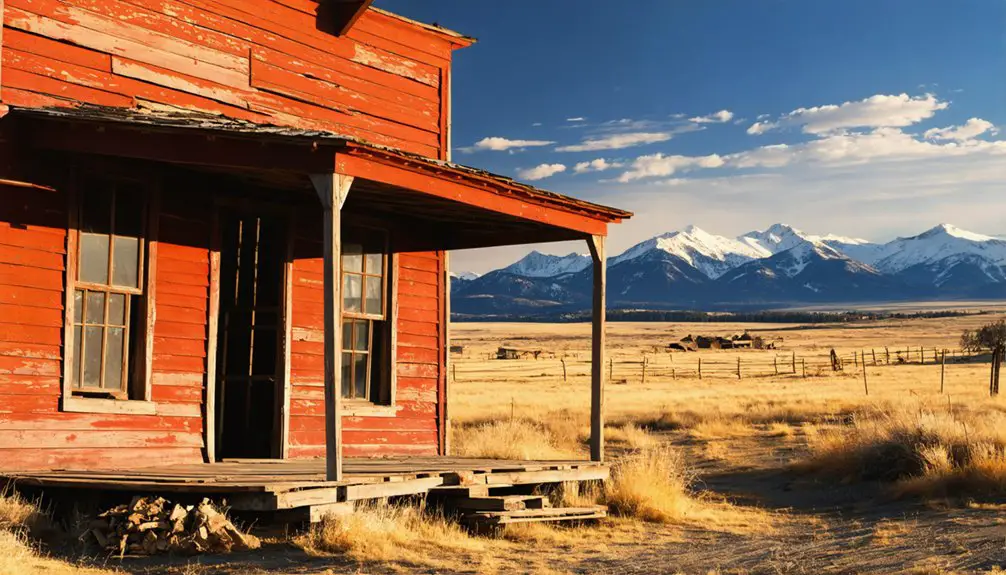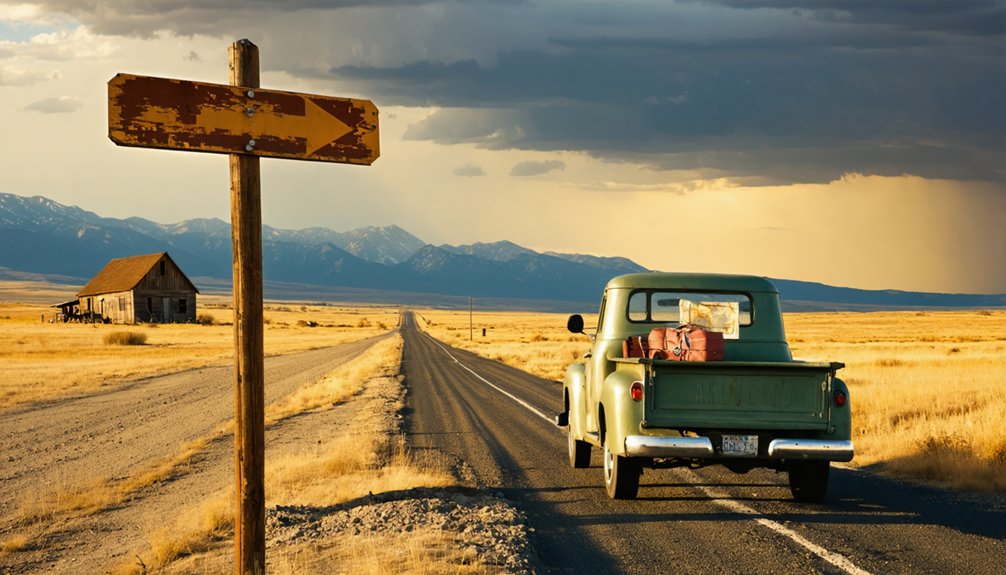
You’ll find Hesper northeast of Laurel in western Yellowstone County, accessible via backroads cutting west from Billings at elevation 3,327 feet. Plan your visit between late June and September when temperatures hover around 20-28°C, perfect for photographing over sixty weathered structures including the iconic Fraternity Hall at sunrise. Always check road conditions beforehand—Montana’s rugged terrain doesn’t forgive poor planning. Pack layered clothing, waterproof gear, and sturdy boots for exploring the unstable buildings where Sheriff Henry Plummer‘s vigilante justice once ran red, and you’ll discover why this 1862 gold rush town captivates adventurers seeking authentic frontier history beyond the obvious tourist trails.
Key Takeaways
- Access Hesper via local roads west from Billings near Laurel; check live road conditions as minimal infrastructure requires careful planning.
- Visit late June through September for optimal weather, with temperatures ranging from 20-28°C and ideal photography conditions.
- Explore over sixty weathered structures including log cabins and storefronts, but watch for unstable floors and walls.
- Photograph Fraternity Hall’s facade at sunrise and vintage mining equipment; bring low-light camera capability for interiors.
- Pack layered clothing year-round and waterproof gear for spring; winter’s subzero temperatures make exploration dangerous.
Getting to Hesper: Routes and Travel Tips
The windswept plains of western Yellowstone County stretch out before you as you navigate toward Hesper, a ghost town that time nearly forgot. You’ll find this isolated community northeast of Laurel, accessible via local roads cutting west from Billings. Set your GPS to ZIP 59106—elevation 3,327 feet—where mountain time governs your schedule (UTC-7, shifting to UTC-6 during summer).
The route traverses rugged terrain that shaped Montana’s pioneering spirit. Local infrastructure remains minimal, preserving that authentic frontier feel you’re craving. Check live road conditions before departure; these backroads don’t forgive poor planning. Nearby Mossmain appears on USGS maps, marking your proximity. The surrounding landscape offers outdoor recreation opportunities—hiking trails snake through rolling hills where abandoned homesteads whisper stories of resilience and departure.
What Remains: Exploring the Abandoned Structures
When you arrive at Hesper’s weathered townsite, you’ll find yourself surrounded by the skeletal remains of log cabins and collapsing frame structures that lean precariously against the Montana wind.
Before you step closer to photograph these relics, scan each building carefully—rotted floorboards, unstable walls, and rusted nails make entering any structure extremely dangerous. I learned this lesson after nearly falling through a porch at another ghost town, so now I explore with my camera’s zoom lens from a safe distance, capturing the haunting details without risking injury.
Standing Buildings and Cabins
Over sixty weathered structures still stand sentinel at Bannack State Park, their sun-bleached boards and rusted hinges telling stories of Montana’s tumultuous gold rush era. You’ll wander past leaning saloons where miners once squandered their fortunes, peer into the brick courthouse where frontier justice prevailed, and stand beneath creaking gallows that remind you how rough this territory once was.
The architectural diversity spans simple log cabins where families carved out existence to ornate storefronts that once lined bustling streets. Each structure holds historical significance—the schoolhouse where children learned, the jail that confined outlaws, and mining cabins where prospectors dreamed of striking it rich. Unlike Nevada City’s relocated buildings, these remain exactly where determined settlers placed them nearly 170 years ago, authentic and unfiltered.
Structural Safety and Access
Site access limitations define your exploration. Without structural integrity assessments, you’re venturing into genuinely uncertain territory.
The irrigation ditch system still cuts through former farmland, but don’t expect maintained pathways or protective barriers. Potential infrastructure upgrades remain distant speculation in this unincorporated community.
Your freedom here comes with responsibility: watch your footing near deteriorating structures, respect private property boundaries, and understand that Hesper’s authenticity means embracing raw abandonment without safety nets.
The History Behind Hesper’s Rise and Fall
While fortune hunters across America dreamed of striking it rich, Grasshopper Creek delivered that promise in 1862 when prospectors pulled gleaming flakes of gold from its icy waters. The early prosperity drivers transformed this wilderness into Montana’s first territorial capital by 1864, with nearly 10,000 seekers flooding the streets.
Hesper’s Defining Moments:
- Gold yields sparked overnight transformation from remote creek to thriving camp
- Sheriff Henry Plummer secretly led the murderous “Innocents” gang
- Vigilantes executed Plummer in 1864, establishing their brutal justice legacy
- Capital status shifted elsewhere in 1865, draining political importance
- Depleted deposits by late 1860s left only weathered structures behind
You’ll discover a place where freedom came with deadly consequences, where desperate men chose rope justice over lawless chaos, and where nature ultimately reclaimed what gold fever built.
Best Time to Visit and Weather Considerations
Planning your ghost town adventure requires strategic timing, as Montana’s unforgiving climate separates comfortable exploration from frost-nipped misery. You’ll find peak conditions from late June through August, when temperatures hover around 28°C and partly cloudy skies frame Hesper’s weathered structures.
September extends your window with comfortable 20°C highs and eight hours of daily sunshine—ideal for photography without summer crowds.
Winter visits demand serious preparation. January’s subzero temperatures and relentless winds make exploration treacherous, though snow-draped ruins offer haunting beauty for the determined.
For seasonal packing tips, bring layered clothing even in summer—Montana’s notorious winds chill quickly. Book lodging recommendations in nearby Havre advance during July-August peak season. May’s 51mm rainfall means waterproof gear essential for shoulder-season adventures.
Photography Opportunities and Scenic Highlights
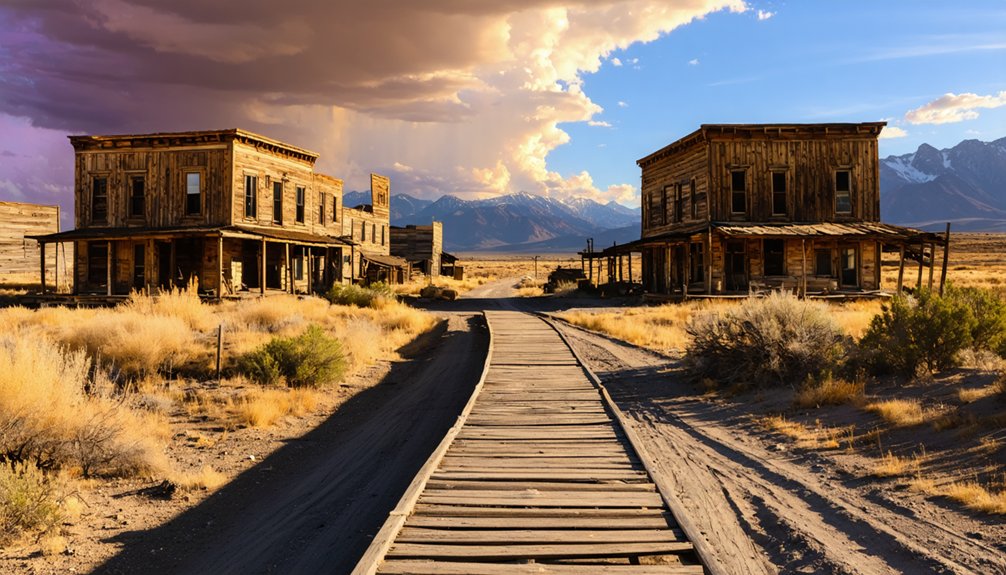
Pack your tripod for these essential shots:
- Fraternity Hall’s false-front facade during sunrise—Montana’s most photographed structure
- Vintage mining equipment framing rustic cabin doorways
- Interior details of saloons and general stores (low-light capability required)
- Weathered log construction showcasing pioneer craftsmanship
- Distant landscape compositions incorporating multiple buildings
Winter visits dramatically alter your lighting palette but restrict access. Late spring offers extended shooting hours without tourist interference. You’ll need sturdy footwear for exploring beyond maintained paths, where authentic details hide in shadows and forgotten corners.
Nearby Ghost Towns Worth Adding to Your Itinerary
While Hesper anchors your journey through Montana’s forgotten places, you’ll find two world-class ghost town destinations within reasonable driving distance that shouldn’t be missed.
Bannack State Park, about 200 miles southwest, preserves an entire 1860s gold rush town with over 60 structures you can actually walk through—I still remember peering into the old hotel and spotting a rusted bedframe exactly where some miner left it.
The Granite Ghost Town Loop, roughly 180 miles west near Philipsburg, takes you up a winding mountain road to a silver mining town perched at 7,000 feet, where the three-story miners’ union hall stands like a sentinel over the valleys below.
Historic Bannack State Park
The creak of weathered boardwalks beneath your boots and the whisper of wind through abandoned storefronts transport you back 160 years at Bannack State Park, Montana’s most authentically preserved gold rush settlement. Over 60 original structures stand where 10,000 fortune-seekers once chased gold along Grasshopper Creek.
What You’ll Experience:
- Self-guided exploration through accessible buildings—no velvet ropes restricting your path
- Active Masonic Lodge No. 16 with original 1860s furnishings intact
- Gold panning where prospectors struck Montana’s first major discovery
- Ranger-led tours revealing outlaw Henry Plummer’s notorious reign
- Winter ice skating on historic dredge ponds
The historic preservation efforts maintain that authentic ghost town atmosphere—exactly what donors stipulated when establishing this state park in 1954. Visitor interpretation programs share stories without sanitizing the raw frontier reality. Open daily 8 AM-9 PM outside Dillon.
Granite Ghost Town Loop
Just 40 minutes from Bannack’s dusty streets, Granite Ghost Town clings to a mountainside at 7,200 feet elevation—a silver mining metropolis frozen in 1893 when the Sherman Silver Purchase Act crashed the market overnight. You’ll need high clearance (4WD if conditions are sketchy) to tackle the steep, winding climb up Highway 10A from Philipsburg. Once 3,000 souls called this place home; now only the Superintendent’s house and crumbling Miner’s Union Hall remain standing.
The Granite Ghost Town Walk trail difficulty rates moderate—allow two hours minimum to explore all four elevation levels where ruins hide among pines. Wildlife sightings include deer, elk, and occasional black bears, so stay alert. No facilities exist on-site, but Philipsburg’s museums and services sit just five miles downhill.
Essential Supplies and Safety Precautions
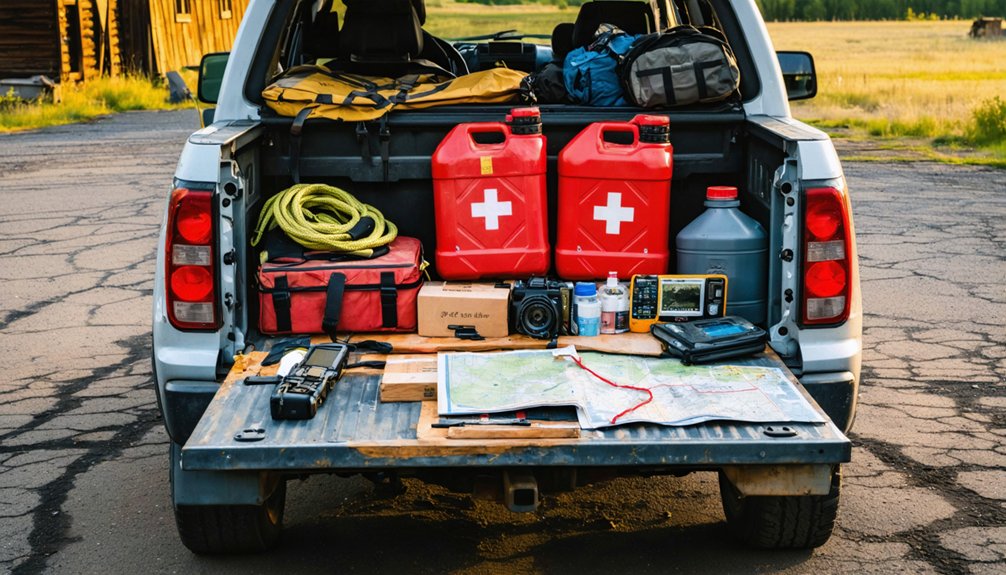
Before you venture into the windswept silence of Hesper, Montana, you’ll need to pack like someone who respects the land’s unforgiving temperament. Remote terrain risks demand preparation—cell towers don’t exist where sagebrush meets sky. Consider satellite phone rental for true independence beyond civilization’s reach.
Your survival kit should include:
- Bear spray and whistle for wildlife encounters in unincorporated zones
- Four-wheel drive vehicle with full tank, spare tire, and tire chains
- One gallon of water per person daily against high-elevation dehydration
- GPS device with offline maps plus paper backup for Mossmain coordinates
- First aid kit and flashlight for exploring crumbling structures
The ghost town won’t coddle you. Gravel roads wash out, snowstorms ambush late March afternoons, and help sits thirty miles away. Pack smart, travel free.
Frequently Asked Questions
Are There Any Restaurants or Accommodations Available in Hesper?
You won’t find dining options or local lodging in Hesper itself—it’s a genuine ghost town. You’ll need to base yourself in Billings, about 20-30 miles away, where restaurants and hotels await your adventurous spirit.
Can I Legally Enter the Abandoned Buildings in Hesper?
You’ll face trespassing risks entering Hesper’s abandoned buildings without permission. Take safety precautions—structures are unstable and dangerous. Contact local authorities or landowners first. Your freedom means respecting property rights while exploring Montana’s haunting, weathered remnants responsibly.
Is Cell Phone Service Available in or Near Hesper?
Cell phone service is extremely limited near Hesper. T-Mobile offers the best cell tower coverage range at 59.6% in nearby Hilger, but cellular data reliability remains spotty. You’ll want offline maps downloaded before venturing into this remote area.
Are Camping or Overnight Stays Permitted on Hesper Ghost Town Property?
You’ll need to verify property ownership details before pitching your tent, as Hesper’s private. Check nearby BLM or DNRC lands for dispersed camping guidelines instead—they’ll give you that off-grid freedom you’re craving without trespassing worries.
What Wildlife Should I Be Cautious of When Visiting Hesper?
You’ll face Montana’s wildest inhabitants out there! Watch for rattlesnakes sunning on rocks and black bears roaming nearby forests. Stay alert, make noise while hiking, and keep your distance—these creatures owned this land long before any ghost town existed.