Planning a ghost town road trip to Keuterville, Idaho means stepping into a living piece of frontier history. You’ll find German immigrant roots, a resilient Catholic Church rebuilt from ashes, and crumbling ruins of an 1880s saloon waiting to be explored. Located just 10 miles east of Cottonwood, it’s an easy drive without needing a 4×4. Whether you’re chasing adventure or solitude, Keuterville delivers something rare — and there’s far more to this forgotten town than meets the eye.
Key Takeaways
- Keuterville is located about 10 miles east of Cottonwood, Idaho, accessible by standard two-wheel-drive vehicles without requiring a 4×4.
- The rebuilt Catholic Church, featuring German-imported fixtures, and nearby 1880s saloon ruins are must-see historic landmarks.
- The Keuterville Pub and Grub offers affordable local meals, bingo, and raffles, serving as a central community gathering spot.
- Seasonal activities include winter snowmobiling, spring wildflower viewing, and summer hiking, making the town worth visiting year-round.
- A new RV park near historic sites provides convenient accommodation for travelers exploring this off-the-beaten-path ghost town.
What Makes Keuterville, Idaho a True Ghost Town?
Tucked into a quiet valley in north-central Idaho, Keuterville checks every box of a classic ghost town — a promising start, a fatal blow, and a landscape frozen in time. German immigrants built this farming community around 1880, full of ambition and frontier spirit.
Then the railroad refused to build a terminal here, and the town quietly faded.
What remains tells the story powerfully. You’ll find ruins of an 1880s saloon, a historic cemetery, and a rebuilt Catholic Church featuring fixtures imported directly from Germany.
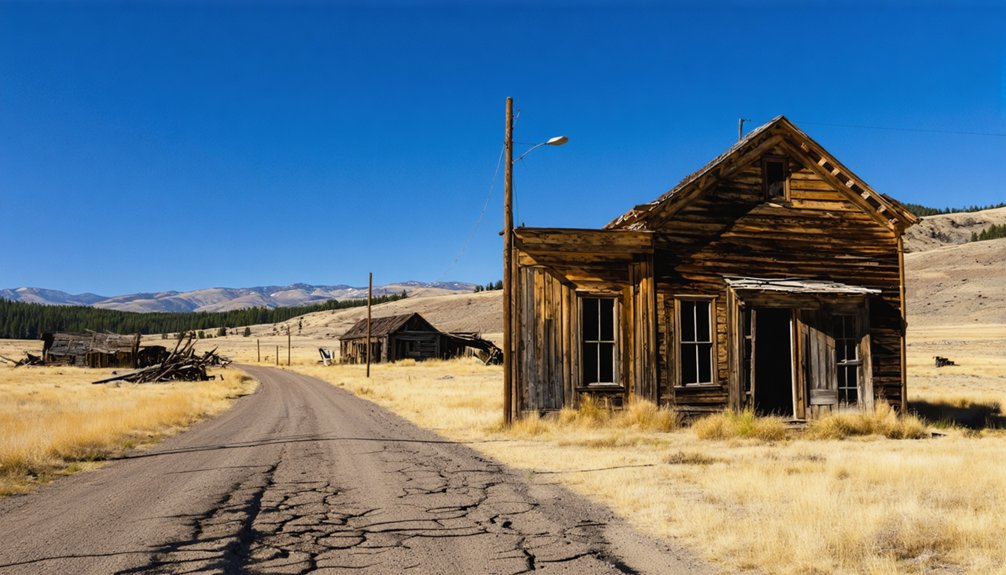
Surrounding mountain vistas stretch endlessly, and wildflower blooms soften the weathered remnants each season. The main street still follows its original 100-year-old layout.
Keuterville didn’t vanish completely — it simply stopped moving forward, leaving you free to explore exactly what got left behind.
The History Behind Keuterville’s German Settler Roots
When you trace Keuterville’s origins, you’ll find German immigrants arriving around 1880, drawn by the promise of frontier opportunity and fertile land. They first called their small farming settlement Graves Creek, but after a local postmaster named Mr. Kuther established a post office, the name evolved through Kutherville and eventually became Keuterville thanks to a clerical error in official records.
The town’s growth stalled when the railroad refused to build a terminal there, leaving Keuterville to wither without the economic lifeline that transformed so many other frontier settlements into thriving communities.
German Settlers Arrive
Around 1880, German immigrants arrived in what would become Keuterville, drawn by the promise of opportunity on the American frontier. They carved a farming community out of Idaho’s rugged north-central landscape, initially calling it Graves Creek before renaming it after a local postmaster named Kuther.
A clerical error eventually transformed the name into Keuterville — a small quirk that stuck permanently in official records.
These settlers brought more than ambition; they brought their culture. Their commitment to cultural preservation shaped everything from community traditions to historic architecture, including a Catholic church built with fixtures imported directly from Germany.
When you walk through Keuterville today, you’re stepping into a living testament to the determination of people who refused to leave their heritage behind when they crossed an ocean.
From Graves Creek To Keuterville
Before it carried the name Keuterville, this quiet Idaho valley went by something far simpler — Graves Creek. German settlers planted roots here around 1880, transforming raw frontier land into a farming community with genuine promise.
A local postmaster named Mr. Kuther established a post office, and the settlement briefly became Kutherville. A clerical error in official records eventually shifted the name to Keuterville — a small mistake that stuck permanently.
Early urban development never fully took hold after the railroad bypassed the town, leaving it to fade quietly. Yet the German cultural identity survived.
Traditions passed down through generations still surface today during cultural festivals like the St. Mary’s/Holy Cross Annual Dinner. You can still feel that original settler spirit woven into everything Keuterville quietly holds onto.
Railroad Decline Kills Growth
The name may have changed through a clerical slip, but Keuterville’s bigger wound came from a deliberate decision made far outside the valley — the railroad refused to build a terminal there. That single choice reshaped the town’s entire trajectory.
Without rail access, goods moved slowly, commerce stalled, and ambitious settlers looked elsewhere for opportunity. You can trace this pattern across dozens of American ghost towns where railroad history determined who thrived and who faded.
Keuterville simply joined that long list of communities left behind. The town didn’t collapse overnight, but it quietly died on the vine, its potential hollowed out by economic isolation.
Understanding this town decline adds real weight to your visit — you’re not just seeing old buildings, you’re witnessing the consequence of one railroad decision.
The Historic Landmarks Still Standing in Keuterville
When you visit Keuterville, you’ll find that two landmarks anchor the town’s surviving history. The rebuilt Catholic Church stands as the most striking structure, featuring fixtures imported directly from Germany after fire destroyed the original 1880 building.
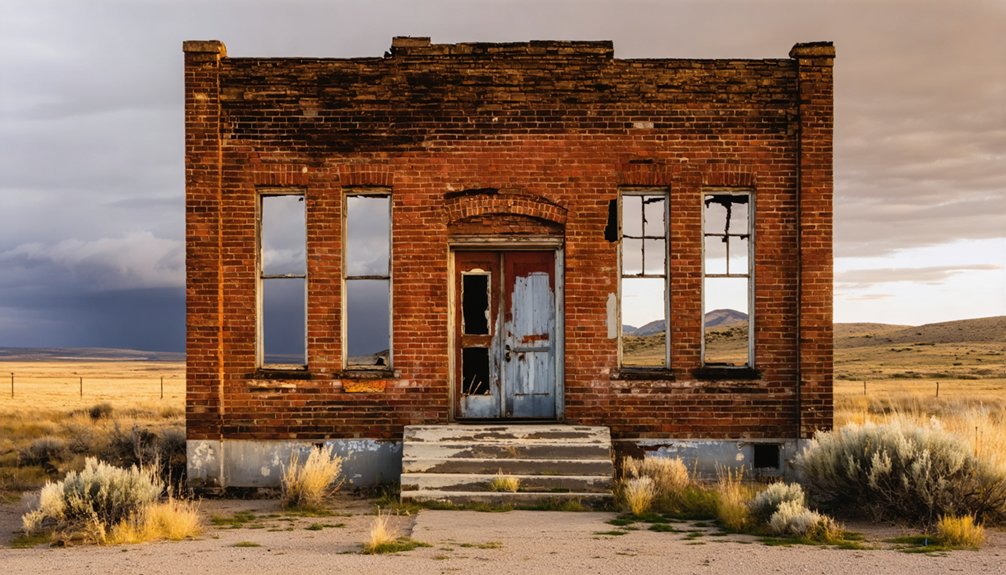
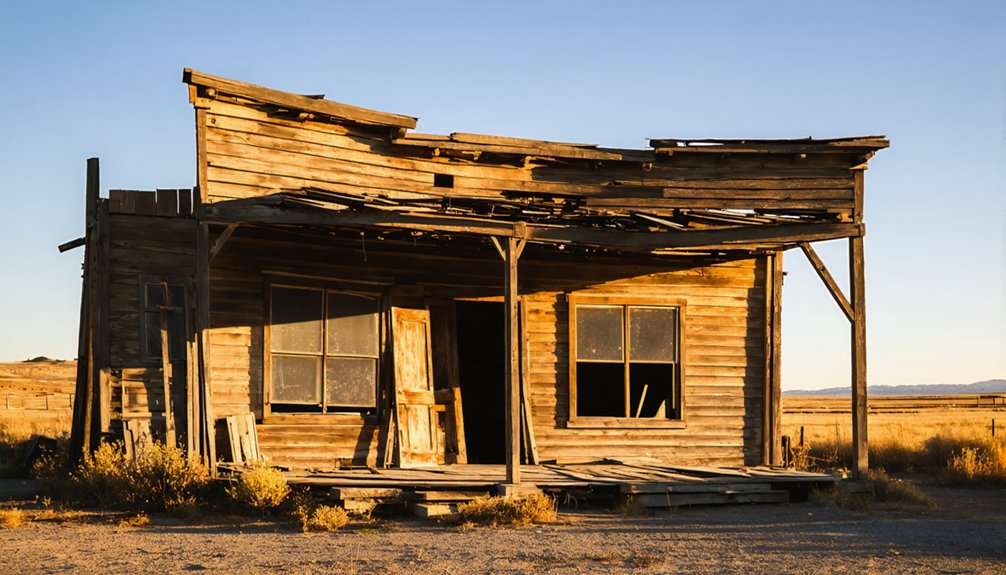
Just nearby, you can still spot the weathered ruins of the old saloon and general store, their crumbling walls offering a raw, unfiltered glimpse into frontier life.
The Rebuilt Catholic Church
Although the original Catholic Church burned to the ground a decade after its construction in 1880, its rebuilt replacement stands today as Keuterville’s most striking landmark.
You’ll immediately notice the church’s historical architecture, which features fixtures imported directly from Germany — a remarkable detail that speaks to the deep cultural roots of the German immigrants who founded this community.
As you step inside, you’re surrounded by craftsmanship that survived the town’s slow decline and tells the story of a resilient people.
Local legends whisper about the fire that destroyed the original structure, adding an almost mythical layer to your visit.
Whether you’re religious or simply a history enthusiast, this rebuilt church delivers an authentic connection to Keuterville’s past that you won’t find anywhere else.
Ruins Of Historic Saloon
Just a short walk from the rebuilt church, you’ll find another piece of Keuterville’s layered history — the ruins of an 1880s saloon and general store. These weathered remnants sit near the main street, their crumbling walls whispering local legends of frontier life, hard-working settlers, and dusty evenings fueled by whiskey and camaraderie.
You can wander freely around the site, letting your imagination reconstruct the lively scene that once existed here. Ghost stories have naturally attached themselves to these ruins over the decades, and locals enjoy sharing them around campfires on cool Idaho nights.
Standing among the remnants, you’ll feel a raw, unfiltered connection to the past — a reminder that Keuterville wasn’t just a farming community, but a full, breathing frontier town with grit and character.
Keuterville’s Catholic Church That Rose From the Ashes
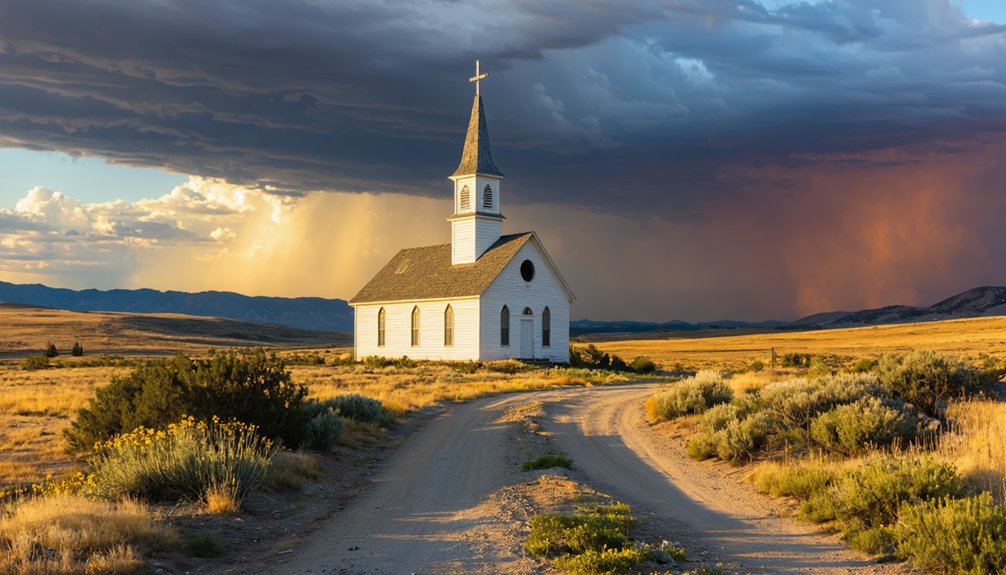
One of Keuterville’s most resilient landmarks, the Catholic Church, has a story that’s as dramatic as the frontier itself. Built around 1880, the original structure burned to the ground just ten years later.
Rather than abandon their faith or their town, the community rebuilt it — this time with fixtures imported directly from Germany.
When you step inside today, you’re standing in a place locals consider almost sacred. Local legends surrounding the church run deep, with some whispered haunted legends tied to the typhoid outbreak that devastated early settlers buried nearby.
The rebuilt church carries that weight gracefully, blending Old World craftsmanship with frontier resilience.
It’s a symbol of a community that refused to disappear, making it one of Keuterville’s most compelling stops on your ghost town road trip.
The Best Time of Year to Visit Keuterville
Timing your visit to Keuterville can make or break the experience. If you crave winter adventure, you’ll love the snowmobiling and cross-country skiing that draw visitors each cold season. February stands out as a prime month, when the St. Mary’s/Holy Cross Annual Dinner brings the community together over local cuisine, bingo, and 32 raffle prizes — all at remarkably affordable prices.
Summer opens the mountains for hiking and picnicking, offering warm days and stunning scenery without the crowds. You’ll move freely, explore the ruins, and connect with locals who keep the town’s stories alive around campfires.
Each season delivers something distinct. Your ideal visit depends on whether you want community events and winter energy or quiet exploration under open skies. Either way, Keuterville rewards the curious traveler.
What Outdoor Activities Can You Do Near Keuterville?
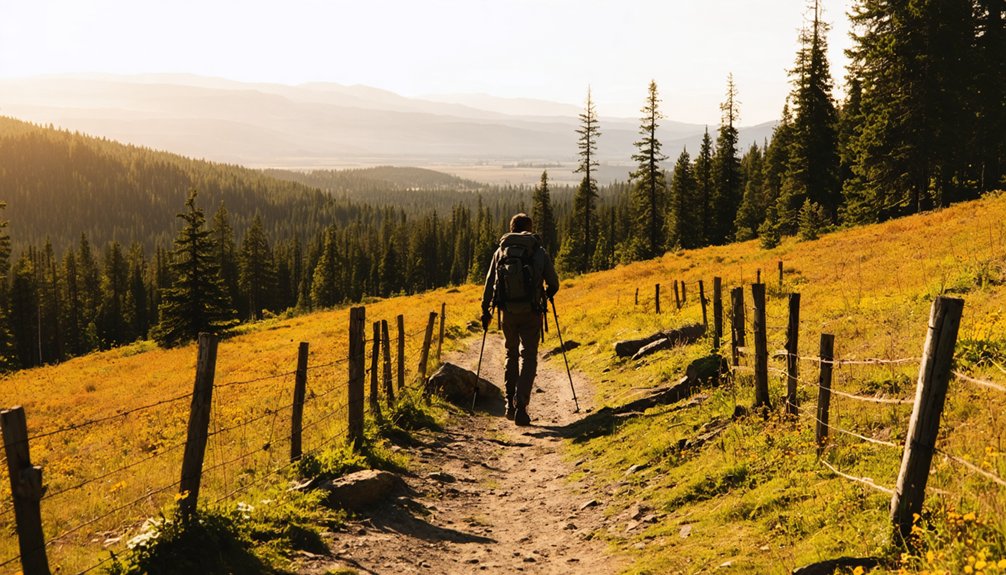
Whether you’re chasing adrenaline or peaceful solitude, Keuterville’s surrounding mountains deliver year-round outdoor adventure. In winter, you can carve through fresh powder on snowmobiles or glide across groomed cross-country ski trails.
When the snow melts, the landscape transforms into a hiker’s paradise, where wildflower viewing rewards those who venture along mountain trails in spring and early summer. Bird watching enthusiasts will find the valley’s diverse terrain attracts an impressive variety of species throughout the seasons.
When temperatures climb, pack a picnic and settle into the scenic surroundings at your own pace. The elevation and rugged topography make every outing feel genuinely wild.
You’re not just passing through a ghost town — you’re stepping into a living landscape that demands exploration on your own terms.
How to Get to Keuterville From Cottonwood
Getting to Keuterville is pleasantly straightforward — head east out of Cottonwood for roughly 10 miles and you’ll find yourself dropping into the quiet valley where this historic ghost town sits.
The road is accessible by standard two-wheel-drive vehicles, so you won’t need a rugged 4×4 to make the journey. If you’re unsure of the exact route, ask locals in Cottonwood — they’re happy to point you in the right direction.
The historic Keuterville Pub and Grub serves as a reliable landmark once you’re close.
Time your visit around seasonal festivals like the St. Mary’s Annual Dinner in February, and you’ll experience local folklore firsthand, hearing stories passed down through generations around campfires and family gatherings that bring this ghost town’s spirit alive.
Where to Stay, Eat, and Catch Local Events in Keuterville
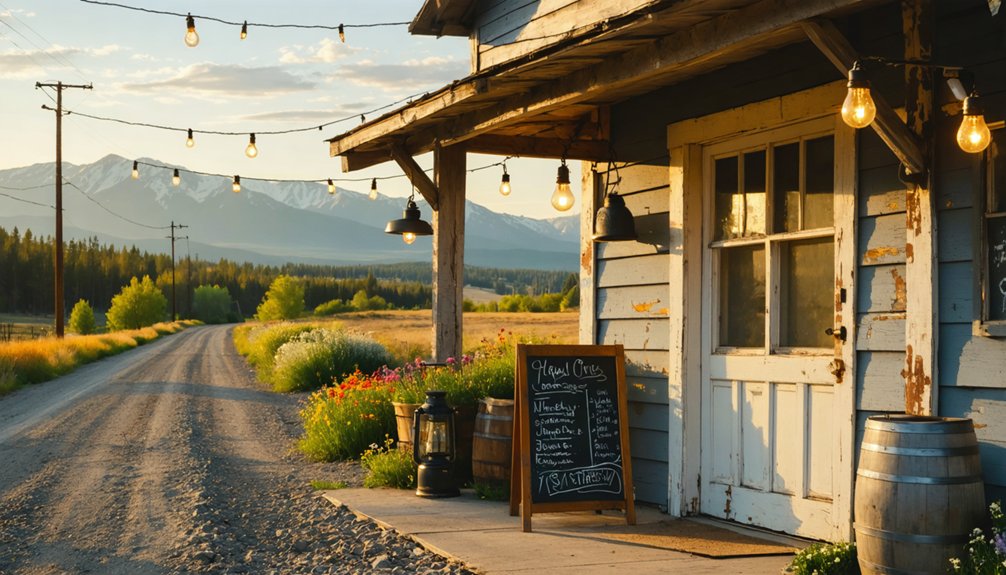
Despite its ghost town reputation, Keuterville offers a surprisingly lively experience for visitors who plan ahead. You’ll find enough to keep your trip memorable without sacrificing that off-the-beaten-path freedom you’re chasing.
- Lodging Options: A new RV Park welcomes travelers looking to stay close to the historic sites and surrounding mountain terrain.
- Local Cuisine: Stop into the Keuterville Pub and Grub, a key landmark serving as both a navigation point and a spot to grab a meal and soak up local character.
- Local Events: Mark your calendar for the St. Mary’s/Holy Cross Annual Dinner each February. You’ll enjoy a hearty meal — $7.00 for adults, $3.00 for kids — plus bingo and 32 raffle prizes.
Before You Go: Safety at Abandoned Sites
Ghost town structures have stood without maintenance for decades. Floors, stairs and roof timbers fail without warning, and a building that looks solid from outside may not hold your weight. Stay out of standing structures unless the site is actively maintained and open to visitors.
Mine workings are the more serious hazard. Vertical shafts can be hundreds of feet deep, are often unfenced, and may be hidden by brush or capped with rotted boards. Never enter an adit, tunnel or shaft: abandoned workings can hold oxygen-poor or toxic air that gives no warning before you lose consciousness.
Enclosed spaces with rodent droppings carry a risk of hantavirus, which is contracted by breathing contaminated dust. Do not sweep or stir up dust inside old cabins and outbuildings.
Cell coverage at these sites is usually poor or absent. Tell someone your route and expected return time, and carry more water than you think you need.
Frequently Asked Questions
What Is the Elevation of Keuterville, Idaho?
You’ll find Keuterville’s elevation ranges between 3,000 and 3,500 feet above sea level. This breathtaking height enhances Keuterville history and local attractions, giving you stunning mountain views while you freely explore this fascinating Idaho ghost town.
How Much Do Meals Cost at the St. Marys Annual Dinner?
Surrounded by mountain charm, you’ll love the local dining options at St. Mary’s Annual Dinner! Meal pricing details are budget-friendly — adults pay just $7.00, while children’s plates cost only $3.00. Enjoy!
How Many Raffle Prizes Are Offered at the Annual Dinner?
You’ll have a shot at winning 32 exciting raffle prizes when you attend the annual dinner! It’s one of those vibrant community events where you can immerse yourself in local history while enjoying great fun.
Can Standard Two-Wheel-Drive Vehicles Access the Road to Keuterville?
Ready to hit the open road? You’ll find the route to Keuterville is accessible in standard two-wheel-drive vehicles, so vehicle clearance isn’t a concern — just watch road conditions and enjoy your freeing adventure there!
What Was Keuterville Originally Named Before Becoming a Town?
You’ll love discovering Keuterville’s historical name origins — it was originally called Graves Creek! These early settlement stories reveal how German immigrants transformed this humble farming community into the iconic frontier town you’re enthusiastic to explore today.
References
- https://www.ghosttowns.com/states/id/keuterville.html
- https://ewgs-spokane.blogspot.com/2021/06/keuterville-idaho-anybody.html
- https://en.wikipedia.org/wiki/List_of_ghost_towns_in_Idaho
- https://www.ghosttowngallery.com/test/htme/idaho_ghost_towns.htm
- https://www.lmtribune.com/northwest/a-must-see-stop-the-historic-keuterville-pub-and-grub-506e2898
- https://www.oreateai.com/blog/exploring-idahos-enigmatic-ghost-towns-a-journey-through-time/2229bafff07634d5a12cf120b8582f18
- https://www.youtube.com/watch?v=6q8QpOwlSqs
- http://www.cottonwoodchronicle.com/2011/100611/two.html
- https://history.idaho.gov/wp-content/uploads/2018/08/0064.pdf
- https://www.ghosttowns.com/states/id/idcounty.html