Planning a ghost town road trip to Maudlow, Montana means heading deep into Sixteen Mile Canyon in northern Gallatin County, where the old Milwaukee Road once connected isolated ranchers to the outside world. You’ll need a reliable vehicle, a full tank of gas, and downloaded maps since cell service is unreliable. Weathered wooden structures and rusted railroad remnants reward patient explorers seeking genuine solitude. Every season transforms this forgotten place differently, and there’s far more to this story than first meets the eye.
Key Takeaways
- Maudlow sits in Sixteen Mile Canyon in northern Gallatin County, accessible only by winding roads requiring a reliable vehicle and downloaded maps.
- The Milwaukee Road railroad shaped Maudlow’s history, connecting ranchers to outside markets and transforming isolated ranch life into a connected community.
- Weathered wooden structures, rusted railroad remnants, and preserved section houses offer compelling photography opportunities throughout the abandoned townsite.
- Summer and fall offer the best road conditions and lighting, while winter visits require four-wheel-drive vehicles due to icy, treacherous roads.
- Nearby ghost towns including Ringling, Dorsey, Lombard, and Sixteen each offer distinct historical significance worth incorporating into an extended road trip itinerary.
Where Exactly Is Maudlow, Montana?
Tucked into a narrow valley in northern Gallatin County, Montana, Maudlow sits along the old Milwaukee Road transcontinental line in Sixteen Mile Canyon.
You’ll reach it via winding roads cutting through open ranching valleys, far from any major town. That remoteness is exactly what makes ghost town exploration here so rewarding — you’re stepping into a landscape where few people venture.
Maudlow history stretches back to its days as a strategic railroad stop, positioned deliberately between larger settlements to give trains and crews a critical resting point.
Maudlow earned its place on the map as a vital railroad stop, built to keep trains and crews moving across the frontier.
Today, no rail service exists, and the surrounding ranch families drive long distances for basic needs. That isolation preserves the town’s raw, untouched character, making Maudlow feel less like a destination and more like a discovery you’ve earned.
How the Milwaukee Road Railroad Built Maudlow
When you explore Maudlow’s history, you’ll quickly discover that the Milwaukee Road railroad didn’t just pass through this narrow valley — it created the town entirely.
The railroad’s strategic placement of a station along the Sixteen Mile Canyon transcontinental line gave local ranchers and homesteaders their first reliable link to outside markets, letting them ship livestock and receive goods that would’ve otherwise been impossible to access.
Without the Milwaukee Road’s calculated decision to establish a stop here, the ranching community that once thrived in this remote stretch of northern Gallatin County simply wouldn’t have existed.
Milwaukee Road’s Strategic Placement
Nestled in the narrow valley of northern Gallatin County, Maudlow didn’t just happen — the Milwaukee Road Railroad built it with purpose. Understanding this town means appreciating the strategic logistics behind its creation. Railroad planners needed reliable stopping points along their transcontinental line through Sixteen Mile Canyon, and Maudlow fit perfectly between larger towns.
You’re looking at genuine transportation history when you study this placement. The canyon’s geography dictated everything — crews needed rest, equipment needed maintenance, and livestock needed loading. Ranchers scattered across surrounding valleys finally had a connection to the outside world. Mail arrived, goods flowed outward, and isolated families joined a broader economy.
The Milwaukee Road didn’t accidentally carve this community into Montana’s rugged terrain. Every structure served a deliberate operational purpose within a carefully engineered network.
Ranching Community Railroad Impact
Beyond the railroad’s engineering logic, the Milwaukee Road fundamentally reshaped how ranching families in this remote corner of Montana lived their daily lives.
Before the trains arrived, ranch life meant profound isolation — goods, news, and connection to the outside world came slowly, if at all. The railroad changed everything.
Local ranchers shipped livestock and supplies through Maudlow’s station, building community ties that transformed scattered homesteads into something resembling a genuine neighborhood.
Mail arrived regularly. Manufactured goods reached families who’d previously done without. Children from distant ranches boarded in town during school terms, creating temporary population swells that gave Maudlow real social energy.
Train arrivals became communal events, anchoring holidays, dances, and daily rhythms around the tracks cutting through Sixteen Mile Canyon.
How to Reach This Remote Montana Ghost Town
Reaching Maudlow takes you deep into the narrow valleys of northern Gallatin County, where ranching families still work the land much as they did a century ago.
You’ll navigate winding roads through open ranch country to access this forgotten railroad stop along the old Milwaukee Road corridor in Sixteen Mile Canyon.
Remote access means you’re genuinely off the beaten path, far from congested tourist corridors.
No rail service exists today, so driving is your only option. Plan accordingly with a reliable vehicle, a full tank, and downloaded maps since cell service is unreliable.
Your ghost town exploration rewards the effort.
The isolation that defines Maudlow today is precisely what makes arriving there feel like stepping through a door that history left slightly open.
What’s Left to See in Maudlow, Montana?
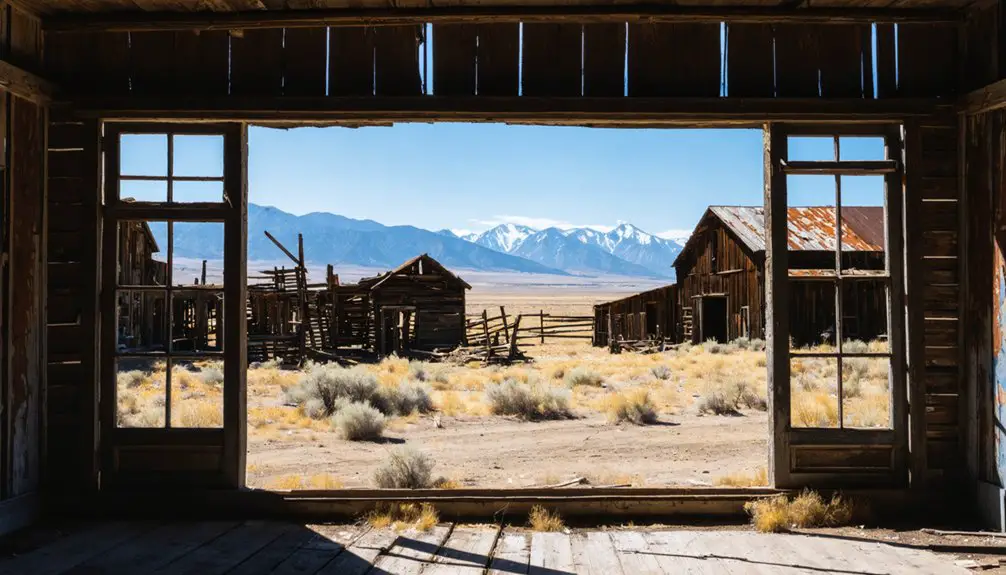
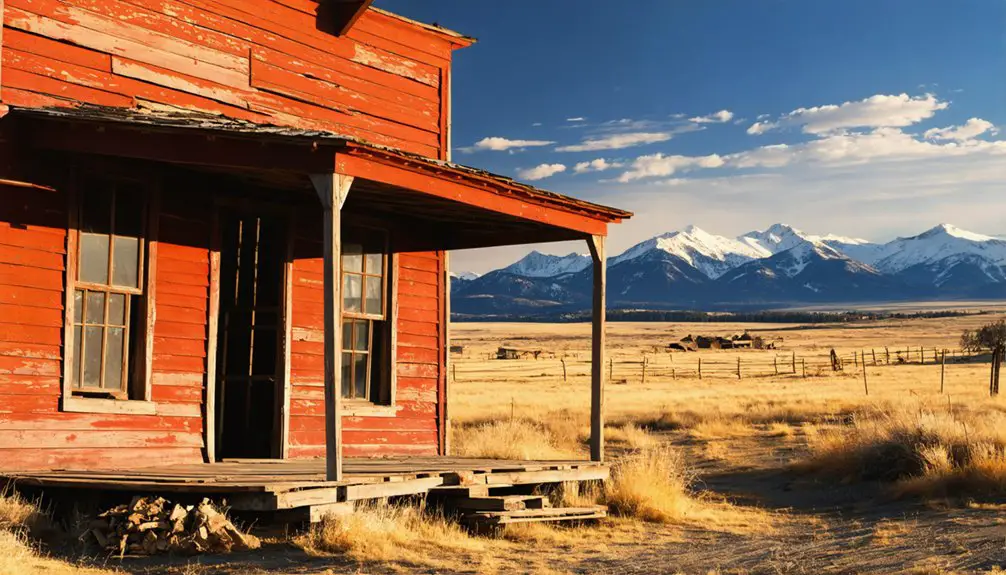
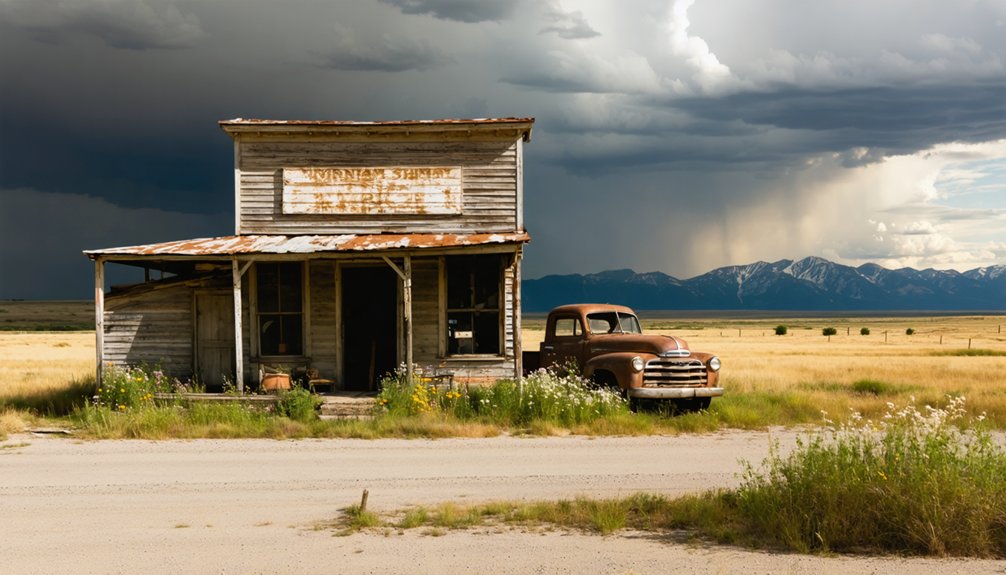
When you arrive in Maudlow, you’ll find weathered wooden structures standing as quiet monuments to the town’s railroad past.
You can walk among rusted remnants of the Milwaukee Road line, where ties left to rot now blend into the reclaimed landscape.
The preserved section houses and equipment sheds offer your clearest glimpse into the working lives of the railroad employees who once kept this remote outpost running.
Weathered Wooden Structures
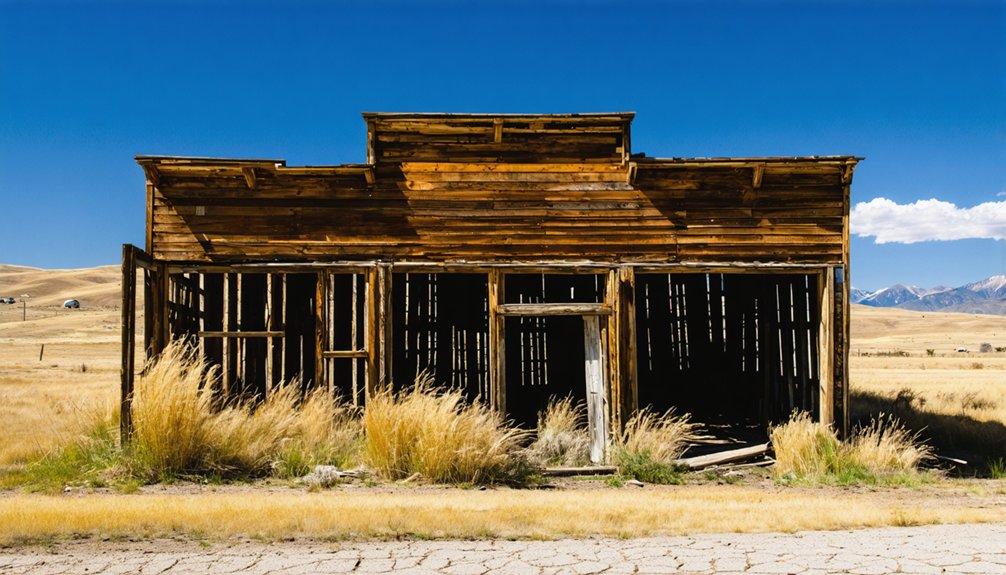
Though little remains of Maudlow’s once-bustling railroad community, the weathered wooden structures that still stand tell a quietly powerful story.
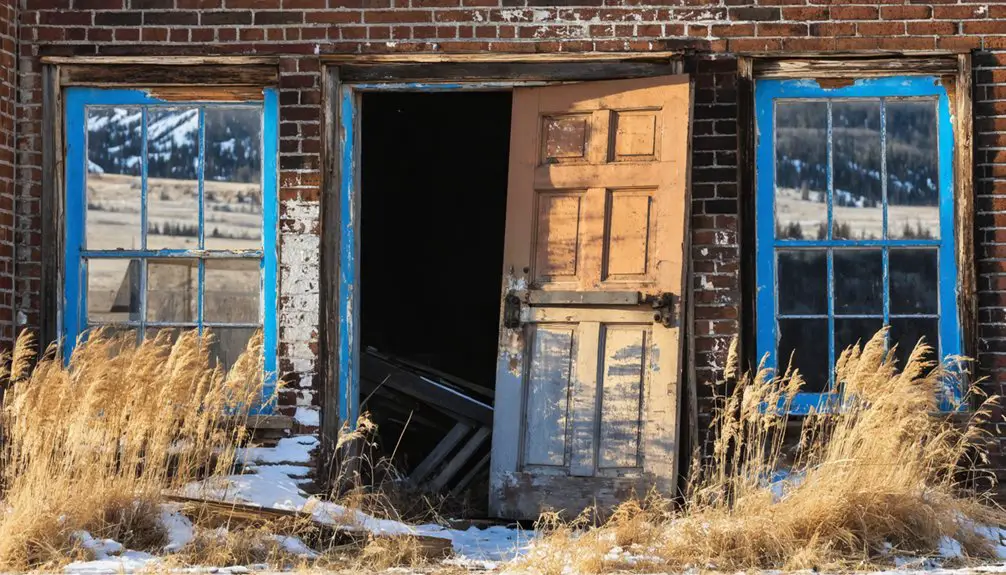
You’ll find structural decay frozen mid-collapse, preserving the raw, unfiltered essence of frontier life. This weathered beauty rewards curious explorers willing to venture off the beaten path.
Here’s what you can still discover:
- Section houses where railroad workers once lived and slept
- Equipment sheds that stored maintenance tools for the Milwaukee Road line
- Abandoned timber frames slowly surrendering to Montana’s harsh seasons
- Rotting railroad ties scattered along the reclaimed right-of-way
Bring your camera. The Montana Ghost Town Preservation Society has documented these structures, but nothing replaces standing there yourself, breathing in a place time forgot.
Rusted Railroad Remnants
Beyond the weathered timber, it’s the rusted railroad remnants scattered across Maudlow’s landscape that drive home just how abruptly this community’s lifeline was cut.
When the Milwaukee Road shut down in the early 1980s, crews pulled the rails and left everything else behind. Today, you’ll find rusted tracks embedded in overgrown earth, silent reminders of a once-bustling freight corridor through Sixteen Mile Canyon.
Walking this abandoned right-of-way stirs genuine railroad nostalgia — you’re standing where locomotives once thundered through a narrow mountain valley, delivering mail, livestock feed, and connection to the outside world.
Rotting ties and scattered hardware tell that story without a single word. For photographers and history enthusiasts craving wide-open exploration, these remnants offer raw, unfiltered evidence of exactly how quickly civilization can vanish.
Preserved Section Houses
Scattered among the overgrown right-of-way, Maudlow’s preserved section houses stand as the most tangible link to the railroad workers who once called this remote valley home.
These weathered structures hold community memories that no history book can fully capture. You’ll find yourself stepping into preserved history as you explore what remains:
- Crew quarters where maintenance workers slept between long shifts
- Equipment storage sheds that once housed track repair tools
- Wooden structural details revealing early 20th-century construction techniques
- Remnant foundations marking where additional support buildings once stood
Walk carefully through these spaces. Each cracked floorboard and faded wall tells a story of isolation, hard work, and frontier resilience.
Photograph everything — these structures won’t stand forever against Montana’s unforgiving elements.
When to Visit Maudlow and What to Expect Each Season
Maudlow’s remote location in Gallatin County means each season delivers a dramatically different experience, so timing your visit matters.
Summer opens the canyon roads fully, inviting seasonal activities like photography, hiking abandoned rail grades, and spotting local wildlife among the sagebrush and creek bottoms.
Fall wraps the valley in golden light, perfect for dramatic ghost town photography.
Winter transforms Maudlow into something genuinely haunting — snow-buried structures and absolute silence create an atmosphere few travelers experience. However, icy canyon roads demand a capable four-wheel-drive vehicle.
Spring brings muddy, unpredictable conditions that can strand unprepared visitors.
Whatever season you choose, expect no services, no crowds, and complete solitude — exactly the kind of raw freedom that makes Maudlow worth the drive.
Which Ghost Towns Near Maudlow Are Worth the Detour?
While Maudlow rewards patient explorers on its own, the surrounding region of Gallatin County and its neighboring valleys hold additional ghost towns that’ll make your detour miles worthwhile.
Each site carries distinct historical significance tied to ranching heritage and local folklore worth uncovering.
Consider adding these stops to your route:
- Ringling – A former railroad town with surviving structures reflecting early settlement struggles.
- Dorsey – A quiet remnant where ranching heritage shaped daily survival along isolated corridors.
- Lombard – Positioned near river confluences, it echoes local folklore about railroad rivalries.
- Sixteen – A canyon-hugging ghost town sharing Maudlow’s Milwaukee Road story with rawer abandonment visible.
Together, these ghost towns create a connected narrative across Montana’s frontier landscape that no single stop can fully tell.
Frequently Asked Questions
What Was Daily Social Life Like for Maudlow Residents?
You’d center your daily routines around train arrivals, community gatherings like holiday celebrations and dances, and school terms that drew ranch children into town, creating a vibrant, tightly knit frontier community buzzing with life and connection.
How Did Ranch Children Attend School in Maudlow?
You’d find ranch children conquering rural challenges by boarding right in Maudlow during school terms. This creative ranch education solution let kids from distant properties study in town, temporarily swelling the community’s population each season.
Did the Montana Ghost Town Preservation Society Document Maudlow?
Like Ansel Adams capturing the American West, the Montana Ghost Town Preservation Society’s photographed Maudlow’s weathered structures, documenting the railroad history and town economy that once fueled this forgotten frontier community you’re free to explore today.
What Happened to Maudlow Residents After the Railroad Closed?
When the railroad closed, most Maudlow residents moved on, leaving the town virtually overnight. You’ll feel the weight of this Maudlow history as you explore the railroad impact that transformed a thriving community into a haunting ghost town.
Is Maudlow Suitable for Ghost Town Photography Trips?
You’ll love Maudlow for ghost town photography trips! Capture weathered wooden structures, rusted tracks, and abandoned buildings frozen in time. Follow basic photography tips: visit during golden hour to maximize the haunting beauty of this remote, untouched landscape.
References
- https://decorhint.com/the-montana-valley-village-that-still-feels-frozen-in-time/
- https://integratedskillsgroup.com/maudlow/
- http://declanjdillon.blogspot.com/2010/04/maudlow.html
- https://www.mgtps.org/photo-gallery