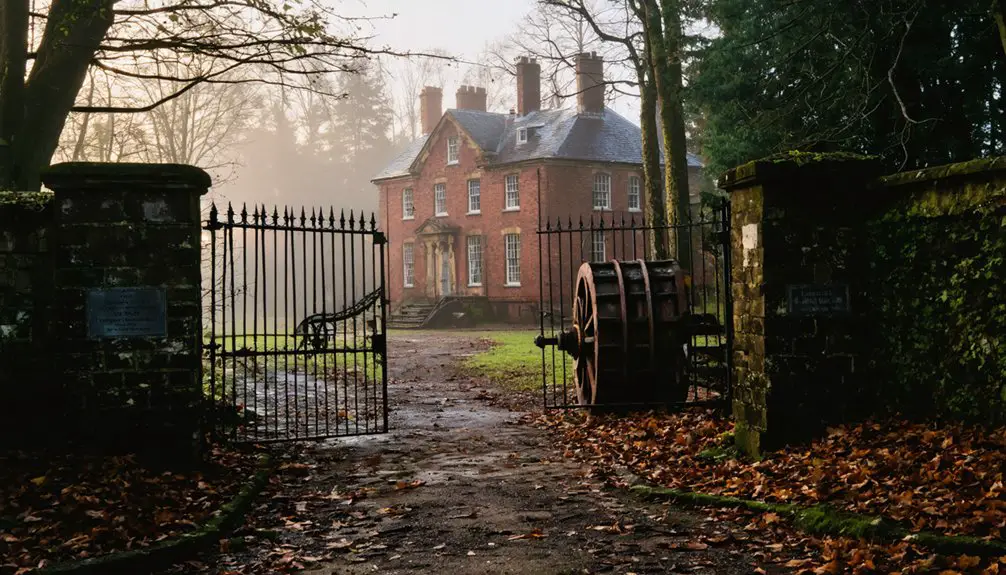
You’ll find Raritan Landing’s ghost town buried beneath Johnson Park in Piscataway, where three feet of fill conceals 70 colonial structures from a thriving 1700s port. Since the 1970s, archaeologists have conducted 26 excavations here, recovering hundreds of thousands of artifacts—ceramics, pipes, foundations—from the settlement destroyed during British occupation in 1776-1777. Ground-penetrating radar confirms more discoveries await below. Visit East Jersey Olde Towne to see recovered artifacts, or explore the site through geocaching and augmented reality experiences that reveal how this archaeological treasure continues yielding its secrets.
Key Takeaways
- Raritan Landing sits buried beneath Johnson Park in Piscataway, with approximately 70 colonial structures concealed under three feet of fill.
- The site is a registered historic location where ongoing archaeological excavations have occurred since the 1970s, most recently in 2023.
- Visitors can explore the colonial port’s history through geocaching and augmented reality experiences available at the park.
- Hundreds of thousands of recovered artifacts are displayed at East Jersey Olde Towne with educational guides reconstructing residents’ stories.
- Ground penetrating radar confirms additional subsurface features await discovery at this once-thriving 18th-century trade hub.
The Rise and Fall of a Colonial Trade Hub
In the early to mid-1700s, sons of New York merchants recognized the strategic value of the Raritan River’s farthest inland navigation point and established a port that would become Raritan Landing.
You’ll discover this Middlesex County settlement thrived as a bustling trade center, where merchants, artisans, and farmers freely conducted commerce in grain, timber, and livestock from the productive Raritan Valley. The community’s independence ended when British and Hessian forces occupied it from December 1776 through June 1777, raiding properties and burning buildings.
Despite community rebuilding efforts after the war, economic rebound attempts couldn’t overcome devastating changes. Trade shifted to New Brunswick by the early 1800s, while the Delaware and Raritan Canal‘s 1830s arrival rendered the port obsolete. By 1870, dismantled buildings gave way to pasture. Today, many of the historic buildings were relocated to East Jersey Old Town Village, where they offer visitors a glimpse into the settlement’s colonial past. The final visible traces were obliterated in the 1930s when fill for Rutgers Stadium buried the remaining townscape under tons of earth.
What Remains Buried Beneath Johnson Park
If you stand in Johnson Park today, you’re walking atop three feet of fill that conceals the foundations of approximately 70 colonial structures. Since the 1970s, archaeologists have systematically excavated portions of this registered historic site, recovering hundreds of thousands of artifacts that document life in this 18th-century river port.
The building remnants you can’t see—now reburied or paved over—stretch from River Road to the Raritan River’s edge, with excavations continuing to expose evidence of Revolutionary War destruction and the material culture that distinguished this community from other colonial settlements. British troops occupied the landing during the American Revolution, leaving behind layers of destruction that archaeologists continue to uncover. Visitors today can explore the site through geocaching and augmented reality experiences that bring the colonial port’s history to life.
Archaeological Excavations Since 1970s
When federally-funded sewer line construction threatened the buried remains of the 18th-century port community in the 1970s, State archaeologist Dr. Lorraine Williams initiated systematic investigation. Since then, 26 separate excavations have documented this vanished settlement, with the most recent occurring in 2023.
Archaeological teams employed innovative technologies including ground penetrating radar applications and three dimensional virtual reconstructions to preserve the site’s story. The 2017 digital models transformed archaeological evidence into accessible historical experiences. These virtual world environments were later installed on a kiosk at the East Jersey Old Town Village museum for public viewing.
These investigations recovered hundreds of thousands of artifacts from mid-1700s through early 1800s:
- Earthenware dishes and smoking pipes
- Glazier workshop remains with lead-casing details
- Building foundations near Landing Lane and River Road
- Residential and commercial structures
The excavations revealed insights into a diverse community where slaves, tradespeople, and merchants lived and worked together along the Raritan River. Today, these remnants remain buried beneath Johnson Park, protected on State and National Historic Registers.
Foundations and Artifact Discoveries
The remnants of Raritan Landing’s colonial settlement lie preserved beneath Johnson Park’s surface, sealed under three feet of fill deposited during Rutgers Stadium construction in the 1930s. You’ll find pre-Revolutionary foundations from the 1720s-1730s intact below ground, protected by compact shale-like fill deposits that created an unintentional time capsule.
Archaeological investigations revealed four distinct stratigraphic layers containing hundreds of thousands of artifacts—including 1,600 ceramics, Rhenish Westerwald mugs, and everyday items from the 18th-19th century port community. These remains extend six feet deep in some areas. The pipe diameter decreased by 50% and was covered in steel and wood to protect archaeological deposits during the federal sewage project construction.
Most of the village stays undisturbed beyond Route 18 construction zones, offering you access to authenticated colonial history without extensive modern interference. Ground-penetrating radar confirms additional subsurface features await discovery.
Archaeological Discoveries That Brought History to Light
How does a colonial port town remain hidden beneath modern infrastructure for nearly two centuries before revealing its secrets? At Raritan Landing, you’ll discover that modern excavation triggers—sewer enhancements, road-widening projects, and the Route 18 extension—unveiled what preservation challenges had concealed since the 19th century.
Infrastructure projects became time machines, unearthing two centuries of colonial history buried beneath New Jersey’s modern development.
The Rutgers Archaeological Survey Office has conducted 26 investigations here, making it New Jersey’s most studied archaeological site. Their groundbreaking work revealed:
- Hundreds of thousands of artifacts from 18th-century daily life
- Multiple building foundations spanning two centuries
- Evidence of international trade with Europe and Caribbean
- Ground penetrating radar technology applications
Ceramic analysis from pre-Revolutionary deposits revealed diminishing commercial ties between Raritan Landing traders and New York City merchants during the years leading to the Revolutionary War. Today, you can examine these artifacts at East Jersey Olde Towne, where educational guides reconstruct 26 residents’ stories. The site represents the kind of hands-on archaeological experience that has characterized the Division of History and Historic Preservation’s award-winning public archaeology program since 2015. Future archaeological surveys promise additional discoveries as this State and National Register site yields its secrets.
Must-Visit Historic Houses and Museums
The house survived the Revolution due to the family’s Loyalist sympathies—a complex history that’s thoroughly documented across two floors of rotating exhibits. Admission’s free year-round, with extended Thursday hours during summer months.
Don’t miss East Jersey Old Town Village directly across the road, where additional interpreters and exhibitions expand your understanding of this vanished colonial port. Before planning your visit, check directly with the site for up-to-date information on current exhibitions and program schedules.
Exploring the Landing Lane Archaeological District
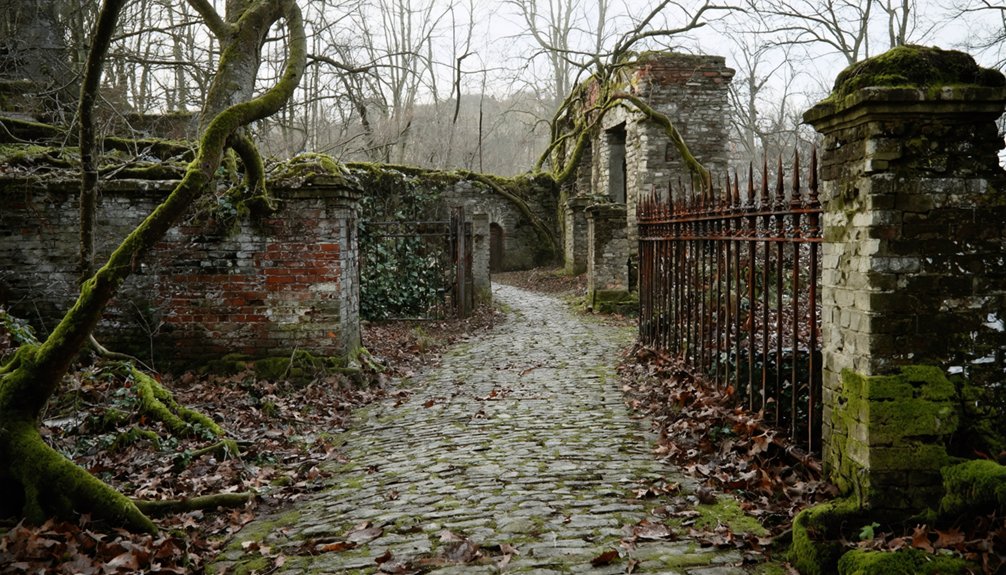
You’ll find the heart of Raritan Landing’s archaeological significance at the intersection of River Road and Landing Lane, where eight distinct strata preserve two complete occupation layers from the 1720s through the post-Revolutionary period. The foundations of approximately 70 structures remain buried beneath three feet of fill deposited during Rutgers Stadium construction in the 1930s, with only those uncovered during utility work temporarily visible before being covered again.
While hundreds of thousands of artifacts have been excavated from this 15-foot wide corridor since 1977, the district’s most significant features—including a glazier’s workshop with inscribed glass pieces and well-preserved building foundations—now lie invisible beneath Johnson Park’s landscape and modern pavement.
Historic Foundations and Ruins
Beneath Johnson Park’s recreational fields lies one of New Jersey’s most significant colonial archaeological sites, where the foundations of 70 eighteenth-century structures remain buried under three feet of fill from Rutgers Stadium’s 1930s construction. While most visible remains were obliterated, decades of archaeological investigation have confirmed the historical significance of this once-thriving port community.
The unearthed structures documented from 1979 through the early 2000s include:
- Merchant Peter Bodine’s commercial buildings, documenting crucial trade connections
- Residential foundations from 100+ inhabitants who called Raritan Landing home
- Community foundations extending throughout the park’s boundaries
- Building remnants that survived British and Hessian raids during the Revolutionary War
You’ll find these discoveries remain protected underground, preserved for future generations while accessible through Route 18’s archaeological documentation and museum exhibitions.
Artifact Discovery Sites
Since 1979, systematic archaeological investigations have transformed Raritan Landing into New Jersey’s most extensively studied colonial site, with the Landing Lane Archaeological District earning both State and National Register designation that same year. You’ll discover hundreds of thousands of artifacts unearthed from the Landing Lane-River Road intersection, where ground-penetrating radar first revolutionized archaeological methodology.
The 1978 excavation corridor revealed earthenware dishes and smoking pipes spanning mid-1700s to early 1800s, documenting Revolutionary War British occupation by the Brigade of Guards. Today’s East Jersey Olde Towne exhibition showcases these recovered materials through augmented reality experiences and geocaching adventures, letting you explore colonial foundations independently.
Twenty-six distinct investigations have mapped this buried landscape, with 3D reconstructions and podcast series providing unprecedented access to scientific findings without institutional gatekeeping.
Walking Tour Route
Starting at the River Road entrance to Johnson Park, your walking tour navigates three feet above the buried remnants of colonial Raritan Landing, where systematic excavations since the 1970s have mapped foundations now concealed beneath stadium fill. Your route encompasses documented archaeological zones:
- Bluff overlook where the 1741 Cornelius Low House commands Raritan River views
- Landing Lane corridor marking the 1825 commercial district’s warehouse locations
- Upper Van Rants House Site with preserved foundations and ruins documented through ground penetrating radar
- East Jersey Olde Towne featuring interactive digital exhibits reconstructing the port’s 1740 peak
Though reburied post-excavation, these precisely mapped sites connect you to a community obliterated in 1776-1777. The Metlar-Bodine House and Edward Antill House provide tangible architectural evidence of what lies beneath.
Getting There and Planning Your Visit

Multiple access points lead you to the scattered remnants of Raritan Landing, though the colonial port town itself lies buried beneath Johnson Park along River Road in Piscataway, New Jersey. River Road historically served as “The Great Road Up the Raritan,” while Landing Lane Bridge crosses the river above the former settlement. Route 18 and Interstate 287 via Hoes Lane provide modern approaches.
East Jersey Old Town Village (1050 River Road) displays excavated artifacts and hosts seasonal event programming. Visit Wednesday-Friday 10am-4pm, Saturday-Sunday 12pm-4pm, with extended Thursday hours until 8pm during summer months.
The Metlar-Bodine House stands at 1281 River Road. Contact 732-745-3030 for shuttle bus transportation during special events. Expect periodic flooding in low-lying areas. Download the “Voices from Raritan Landing” guide before exploring this State and National Register site.
Frequently Asked Questions
Are There Any Guided Tours Available for the Raritan Landing Archaeological Sites?
Like Indiana Jones seeking hidden treasures, you’ll find self-guided tours available through AR technology and cell phone tours, though guided tours availability focuses on Cornelius Low House. Archaeological research opportunities await through independent exploration at Raritan Landing’s preserved sites.
Can Visitors Participate in Ongoing Archaeological Excavations at the Site?
No ongoing excavations are open for public participation opportunities at Raritan Landing. You’ll find the site inaccessible for digs, though you can explore self-guided tours of preserved artifacts at East Jersey Olde Towne and virtual reconstructions independently.
Exploring Raritan Landing’s history reveals a rich tapestry of colonial life in New Jersey. While physical digs may be off-limits, the stories held in the artifacts bring the past to life in intriguing ways. Local historians often share insights during community events that celebrate the area’s heritage, making the experience more engaging for visitors.
What Is the Best Time of Year to Visit Raritan Landing?
Spring’s rebirth mirrors Raritan Landing’s preserved past—you’ll find April through June ideal. Seasonal weather conditions offer mild temperatures and clear skies, letting you explore the site’s historical significance while documented remnants emerge from winter’s concealment, unrestricted.
Are There Admission Fees for the Museums and Historic Houses?
You’ll find admission free at East Jersey Old Town Village and Cornelius Low House, where you can enjoy self-guided tours during seasonal hours. Historical interpreters enhance your experience April-October, preserving freedom to explore authentically.
How Much Time Should I Budget for a Complete Visit?
Budget 2-3 hours for a complete visit exploring archaeological exhibits and historic houses. You’ll want extra time researching potential parking options at Johnson Park and nearby dining opportunities in Piscataway to document your independent exploration thoroughly.
References
- https://www.atlasobscura.com/places/east-jersey-old-town-village
- https://en.wikipedia.org/wiki/Raritan_Landing
- https://www.hmdb.org/m.asp?m=221260
- https://www.middlesexcountynj.gov/government/departments/department-of-economic-development/the-arts-institute-of-middlesex-county/division-of-history-and-historic-preservation/raritan-landing
- https://www.youtube.com/watch?v=Lti2Ur9OwHA
- https://www.metlarbodinehousemuseum.org/history
- https://thelibertytrail.org/nj/trail-sites/historic-sites/east-jersey-old-town-village
- https://uncoveringraritanlanding.podbean.com
- https://orb.binghamton.edu/cgi/viewcontent.cgi?article=1203&context=neha
- http://www.hiddennj.com/2014/09/history-under-river-road-vanished-town.html