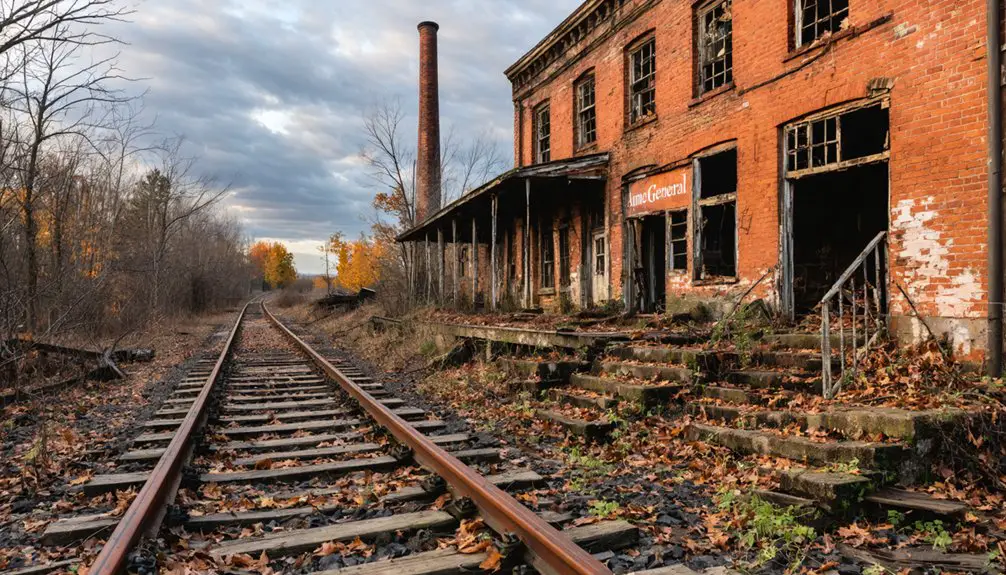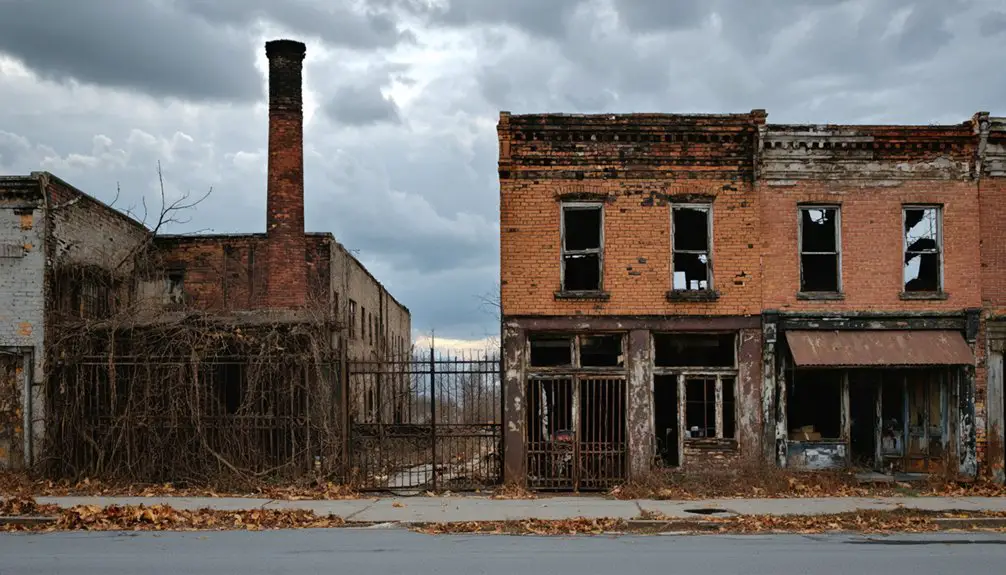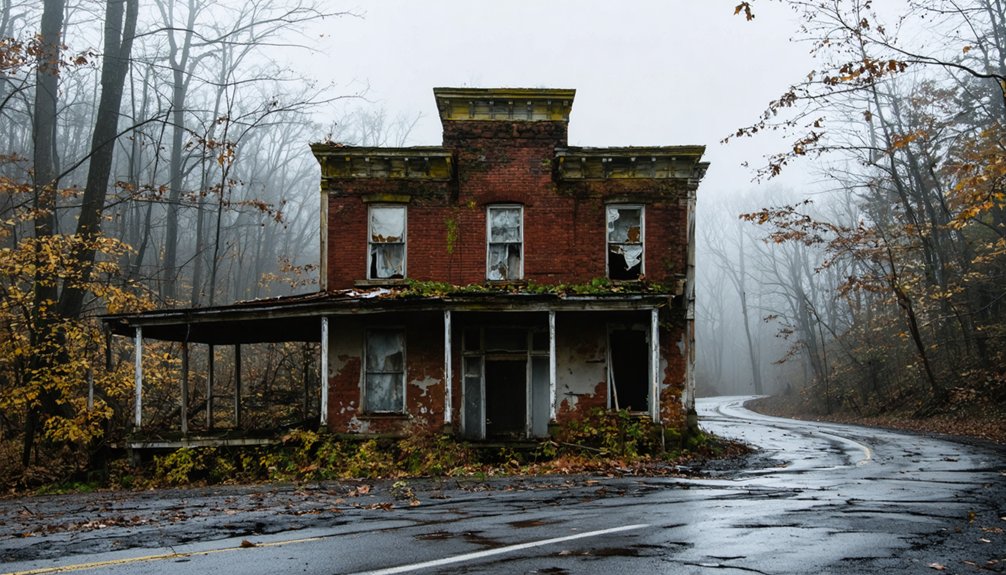
Planning a road trip to Red Hot, Pennsylvania means stepping into one of America’s most haunting ghost towns, where an underground coal fire has burned since 1962. You’ll explore cracked streets, eerie smoke vents, and the remnants of a community displaced by toxic fumes. Follow Route 61 northeast into Columbia County, arrive early, and wear sturdy footwear. Stay alert for unstable ground and active vents. Keep exploring to uncover everything this unforgettable destination has to offer.
Key Takeaways
- Red Hot, Pennsylvania, located in Columbia County, is a near-ghost town infamous for an underground coal fire burning since 1962.
- Key attractions include Graffiti Highway, smoke vents, sinkholes, scattered structures, and the historic St. Ignatius Cemetery.
- Follow Route 61 northeast, arrive early, wear sturdy footwear, and download offline maps since GPS may miss closed road sections.
- Beware of hazardous carbon monoxide emissions, unstable ground, and sinkholes; avoid smoke vents and respect posted boundaries during your visit.
- Nearby stops include Bloomsburg, Mount Carmel, and the Ashland Pioneer Tunnel Coal Mine for food and additional historical exploration.
What Is Red Hot, Pennsylvania, and Why Visit?
Where exactly is Red Hot, Pennsylvania, and what makes it worth a detour? Tucked in Columbia County in Northeastern Pennsylvania, this near-ghost town sits atop a coal seam that’s been burning since 1962.
You won’t find bustling streets or open businesses here — you’ll find eerie silence, smoke curling from cracked pavement, and the raw remnants of a community swallowed by its own coal history.
Red Hot earned its unsettling reputation honestly. What started as a routine trash burn ignited an underground fire that ultimately displaced nearly 1,100 residents and condemned an entire town.
Today, scattered structures and empty lots are all that remain. If you’re drawn to places where history hits hard and nature reclaims what humans abandoned, this ghost town belongs on your road trip list.
How the 1962 Fire Turned Red Hot Into a Ghost Town
On May 27, 1962, officials ignited a trash fire in an abandoned strip-mine pit, accidentally lighting the coal vein beneath Red Hot and sparking a blaze that no one could extinguish.
The fire crept silently through underground coal seams, eventually forcing smoke, toxic fumes, and deadly carbon monoxide up through backyards, basements, and cracked streets.
Fire’s Catastrophic Origin
What began as a routine trash burn on May 27, 1962, set off a chain of events that would doom Centralia forever. Officials ignited waste in an abandoned strip-mine pit, accidentally catching an exposed coal vein beneath.
Though workers attempted to extinguish the flames, the fire reignited within days, burrowing deeper into the earth’s coal mining network below town.
The fire aftermath proved devastating and unstoppable. Underground seams carried the blaze silently beneath homes, streets, and foundations for years before residents noticed anything wrong.
By the late 1960s, smoke curled from backyards, toxic gases seeped into basements, and sinkholes opened without warning. Carbon monoxide levels reached deadly concentrations, turning ordinary spaces into invisible death traps.
What once felt like a minor incident had become an irreversible catastrophe.
Underground Spread Destroys Town
As the fire burrowed deeper through Centralia’s coal seams, it didn’t just burn—it methodically dismantled an entire community from the ground up.
Underground fires like this one don’t announce themselves loudly; they creep silently, weakening soil and poisoning air. By the 1960s, smoke seeped through backyards, basements, and cracked streets, transforming a once-thriving borough into a toxic landscape nobody could safely call home.
Carbon monoxide levels surged dangerously, sinkholes swallowed sections of earth, and residents lived with invisible, life-threatening risk daily.
The government eventually offered buyouts, relocating nearly all 1,100 residents using $42 million in federal funds. By 1992, authorities condemned the entire town.
What the mining industry built over a century, underground fires erased in decades—leaving you with only eerie, smoldering remnants to explore today.
Decades of Toxic Aftermath
The condemnation of Centralia didn’t end the story—it only marked the point where slow destruction became official. By 1992, the government had displaced nearly all 1,100 residents, spending $42 million in federal buyouts.
But the toxic legacy didn’t stop there. Carbon monoxide continues seeping through cracked earth, making certain areas genuinely dangerous to breathe. Sinkholes swallow ground without warning. Route 61 remains partially closed, rerouted away from unstable terrain.
You’re looking at a real environmental impact that outlasts the people it displaced—and the fire driving it won’t burn out for centuries. Streets sit empty, foundations crumble, and smoke drifts through what were once backyards.
Centralia stands as hard proof that industrial decisions carry consequences far longer than anyone initially imagines.
Graffiti Highway, Smoke Vents, and What’s Left of the Town
When you visit Centralia, you’ll want to walk the infamous Graffiti Highway, a bypassed stretch of Route 61 covered in colorful artwork where cracked asphalt and eerie silence replace the hum of traffic.
Keep your eyes on the ground, because smoke vents and sinkholes dot the landscape, releasing toxic gases from the fire still burning hundreds of feet below.
Beyond the highway, you’ll find scattered structures, empty lots, and ghost-like streets that serve as haunting reminders of the 1,100 residents who once called this place home.
Graffiti Highway’s Eerie Path
Once you turn onto the bypassed stretch of Route 61, the pavement beneath your feet tells a story that no tour guide could fully capture — cracked asphalt sprawling beneath layers of spray-painted murals, warnings, and declarations left by thousands of curious visitors over the decades.
These ghostly murals stretch across the road’s surface and guardrails, transforming abandoned relics of infrastructure into an open-air canvas. Nature reclaims its edges, with weeds pushing through fractures while trees close in overhead.
The state officially closed and paved over this section in 2020, yet determined visitors still find their way here.
Walking this stretch feels genuinely surreal — you’re standing on a road the earth itself is trying to swallow, decorated by strangers who felt exactly what you’re feeling now.
Smoke Vents And Sinkholes
Beyond the graffiti-tagged asphalt, Centralia reveals its most unsettling feature — the ground itself is alive with heat. You’ll notice smoke activity rising from cracks in the earth, venting toxic gases that have burned underground since 1962. These aren’t photo-op steam clouds; they carry deadly carbon monoxide.
Watch your footing carefully. Sinkhole formation remains an active threat as smoldering coal seams consume the earth beneath the surface, creating unstable voids that collapse without warning. Early visitors learned this the hard way when a twelve-year-old nearly fell into a sudden opening in 1981.
Scattered foundations, crumbling streets, and overgrown lots mark where over 1,100 residents once lived. Nature is reclaiming Centralia fast, but the fire underneath guarantees this ground stays dangerously warm for centuries ahead.
Centralia’s Remaining Structures
Amid Centralia’s smoldering ground and toxic air, a few stubborn remnants of the town still stand — or lean, crack, and crumble — as evidence of what’s been lost.
You’ll find abandoned buildings overtaken by weeds, their foundations slowly surrendering to the unstable earth beneath. St. Ignatius Cemetery remains intact, its headstones marking lives lived before fire consumed everything.
The bypassed stretch of Route 61, now famously called Graffiti Highway, became an open-air canvas where visitors spray-painted their mark on cracked asphalt before authorities covered it with gravel.
Each structure carries historical significance, quietly documenting a community’s collapse. Walking these empty streets, you’re not just sightseeing — you’re witnessing the raw aftermath of a man-made disaster that displaced over a thousand people and left a town to slowly disappear.
Is It Safe to Walk Around Red Hot Today?
Walking through Centralia today feels like stepping onto another planet—smoke curls from cracks in the earth, the ground shifts unpredictably, and the air carries invisible threats you can’t smell or taste.
Carbon monoxide and other toxic gases seep constantly from the ground, creating serious safety concerns for visitors who linger too long.
Invisible gases rise silently from the earth beneath Centralia, turning a simple visit into a potential health hazard.
You can explore freely, but take visitor precautions seriously. Avoid areas where smoke actively vents—those zones indicate dangerous gas concentrations directly beneath your feet.
Watch for soft or unstable ground, since sinkholes can open without warning. Don’t venture beyond marked areas alone.
Centralia isn’t officially closed, but Pennsylvania authorities strongly discourage extended visits.
Bring awareness, not just a camera. The fire burning beneath you has already outlasted an entire town—respect that power.
How to Plan Your Road Trip to Red Hot
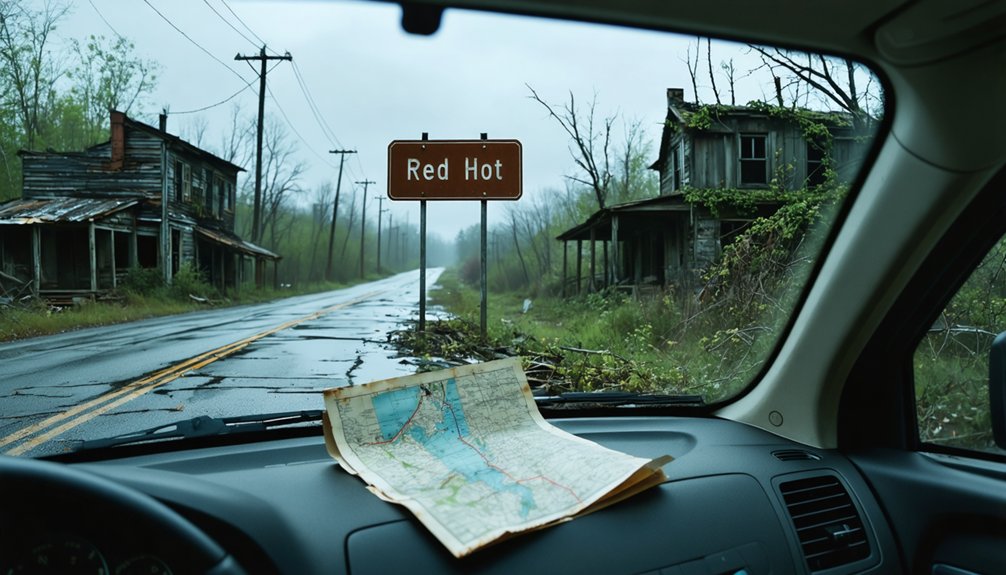
Once you’ve weighed the risks and decided Centralia is worth the trip, planning your route makes all the difference between a rewarding experience and a wasted detour.
Follow Route 61 northeast into Columbia County, where the landscape shifts into something hauntingly quiet. Among the best road trip tips: arrive early, wear sturdy footwear, and bring a camera.
GPS may not reflect closed road sections, so download offline maps beforehand. Nearby Bloomsburg and Mount Carmel offer solid stops for local cuisine, giving you fuel before exploring the desolate streets and smoke vents.
Keep your visit flexible since certain areas become inaccessible without warning. Pack water, stay on visible paths, and respect posted boundaries.
Centralia rewards curious, prepared travelers who move through it deliberately.
What to See Near Red Hot on Your Pennsylvania Road Trip
Centralia’s eerie stillness hits differently when you realize how much history surrounds it within a short drive.
Abandoned structures dot the landscape, whispering stories of lives once lived. Local legends add another haunting layer to your journey.
Don’t miss these nearby stops:
- Graffiti Highway – Walk the reclaimed asphalt where travelers once spray-painted their feelings onto Route 61’s bypassed stretch, now nature’s canvas.
- St. Ignatius Cemetery – Headstones still stand while the town vanished around them, marking lives the fire couldn’t erase.
- Ashland Pioneer Tunnel Coal Mine – Just minutes away, you’ll descend into the anthracite world that built and ultimately destroyed Centralia.
Each stop deepens your understanding of why this forgotten place still refuses to stay silent.
Frequently Asked Questions
Did the Underground Fire Inspire Any Famous Video Games or Novels?
Like ash rising from hollow earth, Centralia’s underground fire sparked game inspirations like Silent Hill’s eerie fog and literary references in Dean Koontz’s Strange Highways and David Wellington’s Vampire Zero — you’ll recognize its haunting influence everywhere.
Who Were the Molly Maguires and What Happened in Red Hot?
The Molly Maguires were Irish miners who fought violent labor disputes in coal country. In Red Hot, you’ll find they murdered Alexander Rae in 1868, and three members were hanged for their crimes in 1878.
Can the Remaining Red Hot Residents Ever Be Forced to Leave?
Like embers refusing to die, their eviction rights are protected. A 2013 legal agreement shields Red Hot’s remaining residents, letting community resilience burn bright—they can stay, defying forced removal, until their final days.
How Long Is the Underground Fire Actually Expected to Keep Burning?
You’re looking at an underground fire duration that’ll stretch for centuries! These historical implications are staggering — the blaze ignited in 1962 and it’s still burning today, meaning you won’t see its end in your lifetime.
Was Red Hot Ever Known by a Different Name Before Incorporation?
Like a phoenix with many names, you’ll find Red Hot’s historical significance rooted in its name origins — it was once called Bull’s Head, reflecting the iconic tavern that shaped its earliest identity.
References
- https://www.youtube.com/watch?v=8QDb8y9Nszs
- https://www.jeffreydonenfeld.com/blog/2009/12/exploring-the-ghost-town-of-centralia-pennslvania/
- https://www.youtube.com/watch?v=Qj5LjacccJ0
- https://www.youtube.com/watch?v=TRPq8UmpjsQ
- https://www.ripleys.com/stories/centralia-mine-fire
- https://en.wikipedia.org/wiki/Centralia
- https://www.atlasobscura.com/articles/centralia-pennsylvania-rebirth