Planning a ghost town road trip to Scotts Valley, Nebraska, means venturing into Pawnee County’s quiet farmland where few signs mark the way. You’ll want high-clearance vehicles, old county plat maps, and a detailed current map before heading out. Chat with locals in Pawnee City for access tips, and always respect private property boundaries. Abandoned doesn’t mean open to all, so get landowner permission first. There’s much more to uncover about this fascinating forgotten place.
Key Takeaways
- Scotts Valley is a ghost town in Pawnee County, Nebraska, with unknown establishment dates, making it a mysterious destination for road trip explorers.
- Use historic county plat maps, aerial photographs, and detailed current maps to navigate unpaved roads leading to Scotts Valley.
- A high-clearance vehicle is recommended for navigating gravel and dirt roads; consult locals in Pawnee City for firsthand access information.
- Research property boundaries using county records, obtain landowner permission, and respect private farmland surrounding Scotts Valley before visiting.
- Follow posted signs, avoid trespassing, and practice responsible exploration to preserve access opportunities for future ghost town visitors.
What Is Scotts Valley, Nebraska’s Ghost Town?
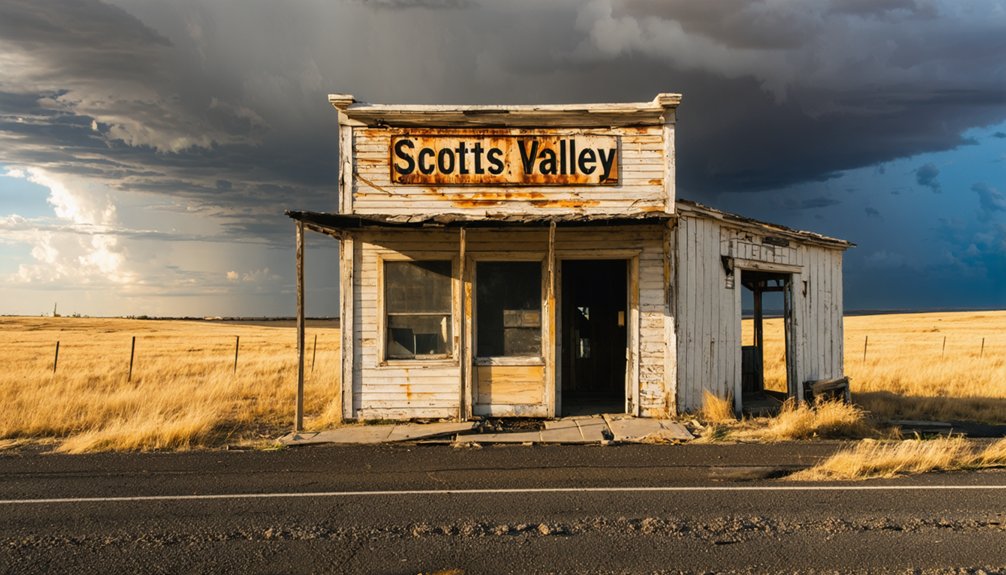
Tucked away in Pawnee County, Nebraska, Scotts Valley stands as one of the state’s many forgotten settlements — a ghost town with no recorded establishment or disestablishment dates, leaving its history shrouded in mystery.
When you explore Scotts Valley history, you’re stepping into a place where time simply stopped, yet no one documented exactly when or why. It appears in Wikipedia’s extensive list of Nebraska ghost towns, confirming its ghost town significance among the state’s collection of abandoned communities.
Time stopped in Scotts Valley — but no one recorded exactly when or why.
Like many Nebraska settlements, it likely rose and fell alongside agricultural shifts or railroad changes that reshaped the region.
You won’t find much on public record, but that’s precisely what makes Scotts Valley compelling — it’s a genuine mystery waiting for curious, freedom-seeking explorers like you to uncover.
How To Find Scotts Valley in Pawnee County
To track down Scotts Valley, you’ll need to rely on historic maps, since no roadside signs or formal markers guide you there.
Pull up old county plat maps and aerial photographs to cross-reference the settlement’s likely location within Pawnee County’s rural grid.
Once you’ve pinpointed the area, you’ll navigate a network of unpaved county roads, so pack a detailed current map alongside your historical references to avoid dead ends.
Using Historic Maps Effectively
Because Scotts Valley left behind no dramatic ruins or roadside markers, historic maps become your most essential tool for tracking it down in Pawnee County.
Combining old plat maps with modern mapping technology gives you a serious advantage in the field.
Start your research with these three key resources:
- County plat maps from the 1880s–1900s — these often label ghost towns that disappeared before anyone thought about historic preservation.
- The David Rumsey Historical Map Collection — searchable online and incredibly detailed for Nebraska townships.
- Google Earth’s historical imagery tool — overlay old survey data against current satellite views to spot landscape anomalies.
Cross-reference multiple sources before heading out.
Pawnee County’s terrain shifts subtly, and a single map rarely tells the complete story.
Once you’ve pinpointed Scotts Valley on a historic plat map, the real challenge shifts to traversing Pawnee County’s grid of gravel and dirt roads that crisscross the region.
Road conditions here change fast, especially after rain, so check local forecasts before heading out. A high-clearance vehicle gives you flexibility that a standard sedan simply won’t.
Use local landmarks like grain elevators, creek crossings, and old farmsteads to orient yourself when GPS signals drop. County road signs are inconsistent, so cross-reference your plat map with a current county highway map.
Stop at Pawnee City beforehand to ask locals about access points and any washed-out stretches. That firsthand knowledge cuts through uncertainty faster than any app, putting you on the right path toward discovering what little remains of Scotts Valley.
What Ghost Towns Near Scotts Valley Are Worth the Drive?
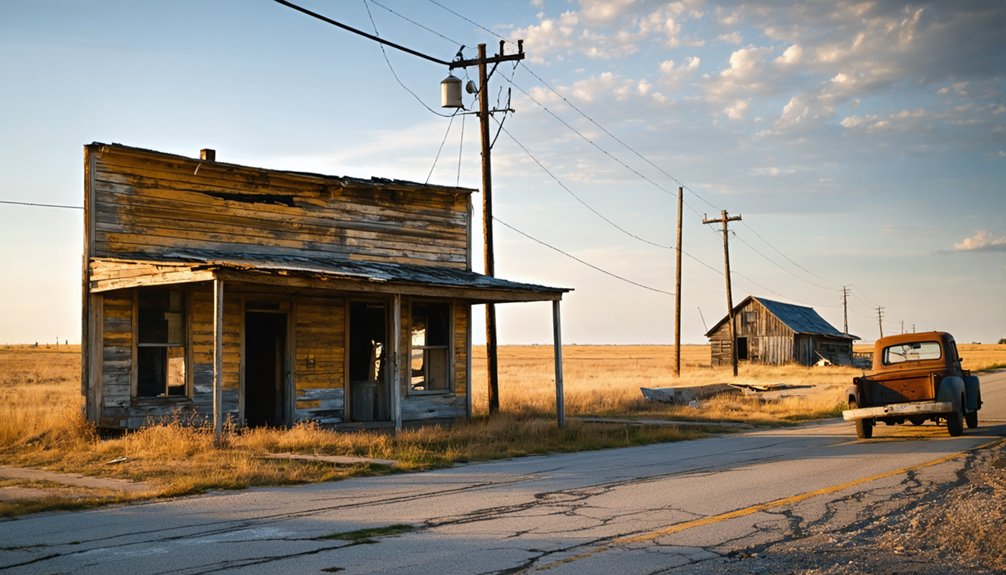
While Scotts Valley itself offers a quiet glimpse into Nebraska’s abandoned past, the ghost towns scattered across the surrounding region make the drive even more rewarding. Nebraska’s abandoned settlements reveal layers of ghost town culture worth exploring.
Consider adding these stops:
- Hope (Scotts Bluff County) – A uniquely diverse community once home to Jewish and Black residents, offering rare historical perspective.
- Brocksburg (Keya Paha County) – Accessible via rugged roads near Highway 137, this remote settlement rewards adventurous travelers with untouched isolation.
- Minersville (near Nebraska City) – Remnants of coal shafts tell a forgotten mining story beneath Nebraska’s plains.
Each location adds distinct character to your road trip.
Each ghost town carries its own story, shaping a road trip rich with history, mystery, and unforgettable character.
Bring historic maps, respect private property boundaries, and let Nebraska’s open roads guide your exploration.
What Caused Pawnee County’s Towns To Be Abandoned?
Pawnee County’s abandoned towns didn’t fade overnight — agricultural collapse, shifting railroad routes, and persistent drought drained these settlements of their lifeblood across the late 19th and early 20th centuries.
Economic decline hit hard when commodity prices crashed, forcing families to walk away from homesteads they’d built from nothing.
Transportation changes sealed many fates permanently — when railroad companies rerouted lines toward more profitable corridors, towns without stops simply withered.
You’ll notice driving through the county today that surviving communities cluster near active routes, while forgotten settlements like Scotts Valley exist only on historic maps.
Understanding these pressures makes your ghost town exploration richer, transforming empty lots and crumbling foundations into powerful reminders of how quickly opportunity — and the communities it built — can disappear.
What Remains at Scotts Valley and Sites Like It Today?
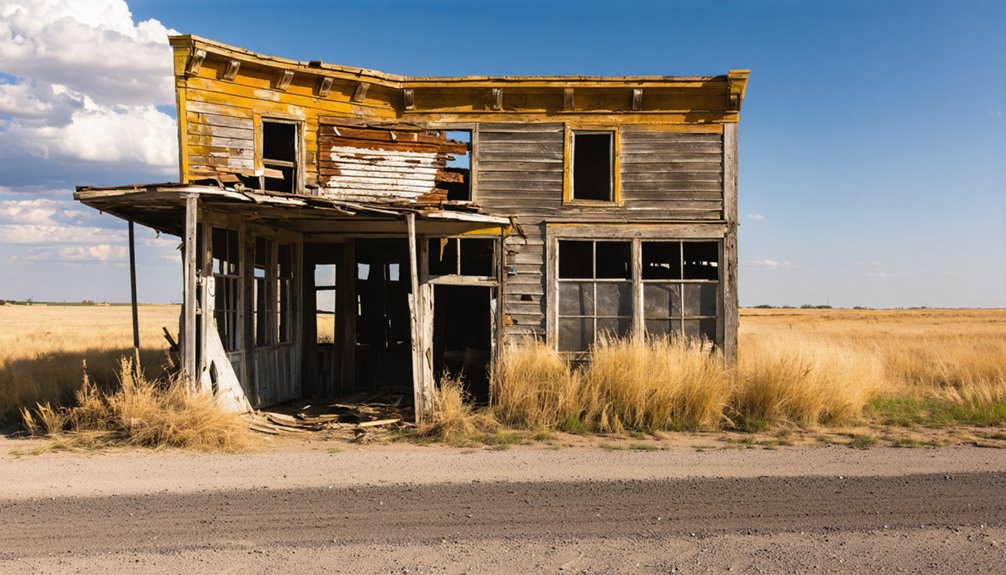
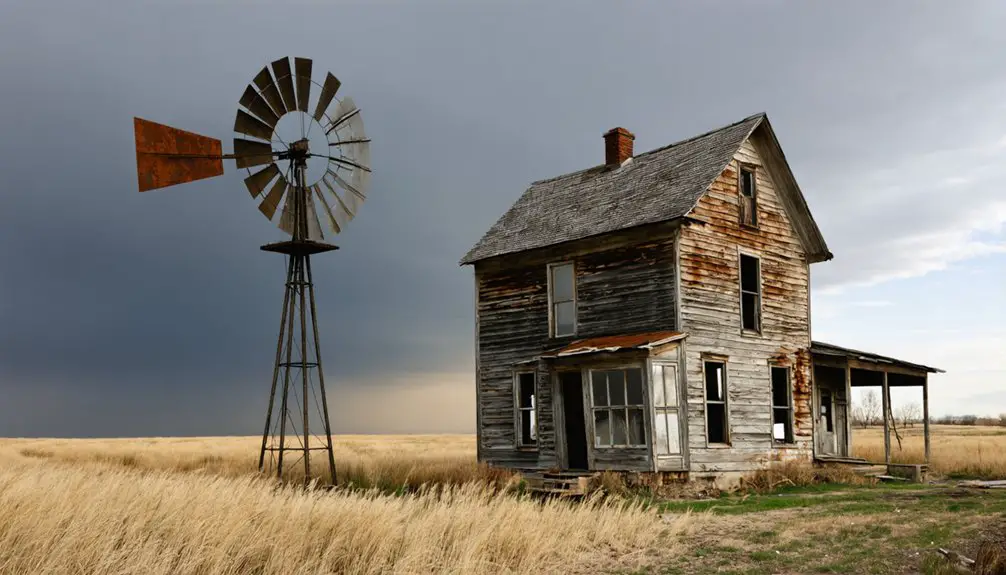
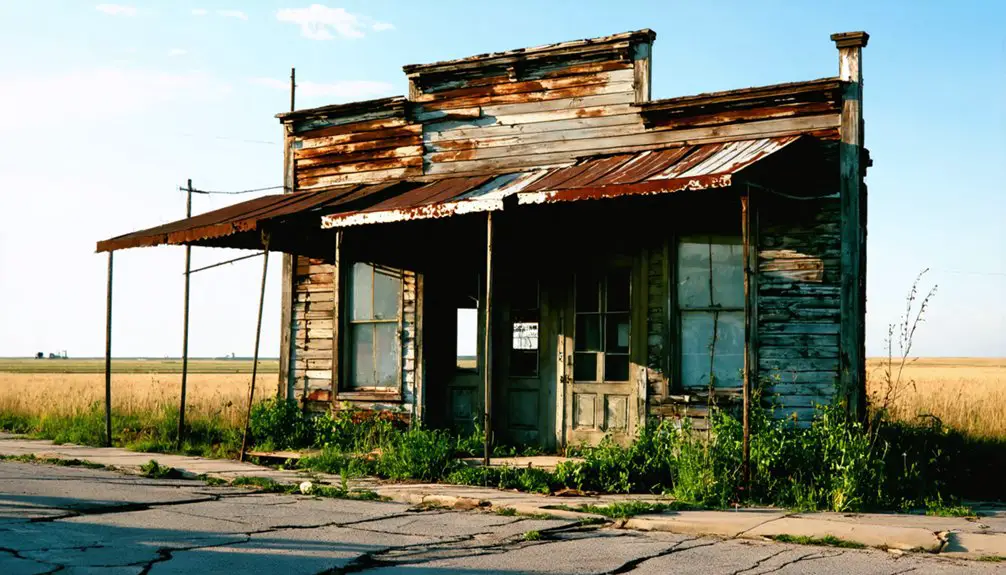
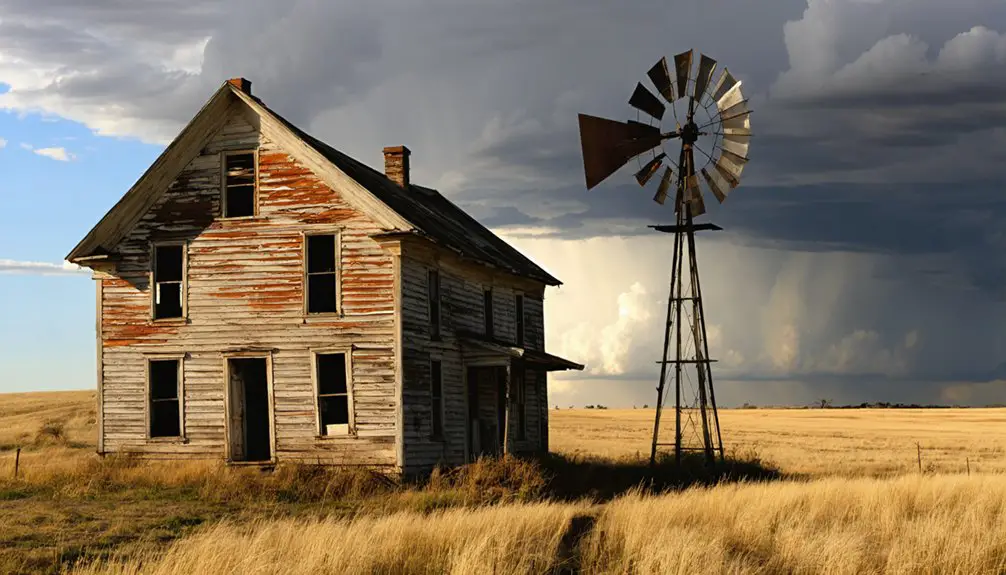
Arriving at Scotts Valley today, you’ll find little more than open land and silence — the physical structures long surrendered to weather, neglect, and time.
Similar ghost towns across Nebraska share this quiet fate, offering raw, unfiltered glimpses into forgotten lives. Here’s what you can typically expect:
- Foundations and cellar depressions — subtle ground-level evidence of abandoned structures once housing families and businesses.
- Local wildlife reclaiming the land — deer, hawks, and prairie grasses now dominate spaces where neighbors once gathered.
- Historic markers or county records — your best tools for confirming you’ve actually found the right location.
Bring historic maps, respect property boundaries, and embrace the emptiness.
These places reward curious, independent travelers willing to read the landscape rather than a tourist brochure.
How To Plan a Nebraska Ghost Town Road Trip Safely
Before you hit the road, map out your route using historic maps, county histories, and aerial photos to pinpoint sites like Scotts Valley without wasting time on dead ends.
You’ll want to cross-reference modern GPS with older records, since many ghost towns sit on private land where trespassing isn’t just rude—it’s illegal.
Always confirm land ownership ahead of time and look for public access points or marked historic sites so you can explore freely and respectfully.
Research Routes Beforehand
Mapping your route ahead of time can make the difference between a smooth Nebraska ghost town adventure and a frustrating dead end.
Before hitting the road toward Scotts Valley, dig into ghost town history using county records, historic maps, and aerial photos. These travel tips save serious time once you’re out there.
Here’s how to research effectively:
- Cross-reference historic maps with modern GPS tools to pinpoint abandoned settlements accurately.
- Check Highway 136 and the Outlaw Trail Scenic Byway for accessible routes connecting multiple ghost towns.
- Review county histories online to confirm land ownership and avoid trespassing on private property.
You’ll travel with confidence knowing exactly what roads lead where and which sites are actually reachable.
Respect Private Property
Many Nebraska ghost towns sit on privately owned land, so you’ll need to do your homework before wandering onto any property that isn’t publicly accessible. Research property boundaries using county records or topographic maps before you hit the road.
If a site sits on private land, contact the landowner directly and ask permission — most people appreciate the courtesy.
Scotts Valley, listed in Pawnee County, likely falls within working farmland, making local etiquette essential.
Don’t climb fences, ignore posted signs, or assume abandonment means open access. Trespassing can result in fines and permanently sour relationships between landowners and future explorers.
When you respect boundaries, you preserve both the experience and your freedom to keep exploring Nebraska’s fascinating forgotten places responsibly.
Frequently Asked Questions
What Is the Best Time of Year to Visit Nebraska Ghost Towns?
Spring or fall’s your sweet spot for exploring Nebraska’s ghost towns. Imagine wandering Brocksburg’s empty streets in October’s crisp air — seasonal weather stays mild, and historical significance feels vivid when golden light illuminates forgotten foundations.
Are There Guided Tours Available for Nebraska Ghost Town Road Trips?
You won’t find many formal guided tours, but local historical societies often offer guided exploration events. They’ll provide rich historical insights into Nebraska’s ghost towns, helping you uncover forgotten stories while enjoying your freedom to roam.
Can You Camp Near Scotts Valley or Surrounding Pawnee County Areas?
You’ll find camping options near Pawnee County’s ghost town landscapes! Explore local attractions like Table Rock, and always check camping regulations beforehand. Nebraska’s open spaces invite your adventurous spirit, offering freedom beneath star-filled skies near Scotts Valley.
What Photography Equipment Is Recommended for Capturing Ghost Town Remnants?
Like time frozen in amber, capture ghost town remnants using vintage lenses for atmospheric textures and drone photography for sweeping aerial perspectives. You’ll want a wide-angle lens too, revealing history’s forgotten bones beautifully.
Are Nebraska Ghost Towns Suitable Destinations for Children and Families?
Yes, Nebraska’s ghost towns make fantastic family activities! You’ll discover rich historical education exploring abandoned settlements, trails, and pioneer stories. Kids love uncovering mysteries of the past while enjoying Nebraska’s wide-open, freedom-filled landscapes together.
References
- https://www.legendsofamerica.com/ne-scottsbluff/
- https://en.wikipedia.org/wiki/List_of_ghost_towns_in_Nebraska
- https://visitnebraska.com/trip-idea/explore-7-authentic-ghost-towns-nebraska
- https://www.youtube.com/watch?v=redtU6GT-BY
- https://history.nebraska.gov/finding-nebraskas-ghost-towns/
- https://npshistory.com/series/berkeley/scotts-bluff-history.pdf
- https://www.youtube.com/watch?v=F6r_7FRA3CQ