Planning your Trescape ghost town adventure requires traversing State Route 58 through Kern County’s Mojave Desert, where scattered foundation stones mark this vanished railroad settlement. You’ll need offline maps, high-clearance vehicle capability, and preparation for extreme temperatures that swing from scorching summers to moderate winters. Combine your visit with nearby Calico Ghost Town and Randsburg for a multi-site exploration through weathered gravel roads and unmarked terrain. Your journey through this liminal landscape reveals more than crumbling ruins—it’s genuine discovery beyond documented history, where railroad remnants tell stories conventional tours can’t capture.
Key Takeaways
- Trescape lies in the Mojave Desert along former Southern Pacific Railroad tracks, accessible via State Route 58 and SR-14.
- Little remains of the settlement except scattered foundation stones, graded earth beds, and rusted railroad infrastructure at the former corridor.
- Nearby ghost towns include Calico (60 miles northeast), Randsburg (40 miles east), and Saltdale, enabling a multi-site desert exploration itinerary.
- Prepare for extreme summer heat, remote conditions, washboard gravel roads, and unmarked forks requiring offline navigation and sturdy vehicles.
- Bring appropriate gear for desert terrain, ensure vehicle capability for off-road challenges, and research site accessibility before departing.
Discovering Trescape’s Desert Location and Historical Significance
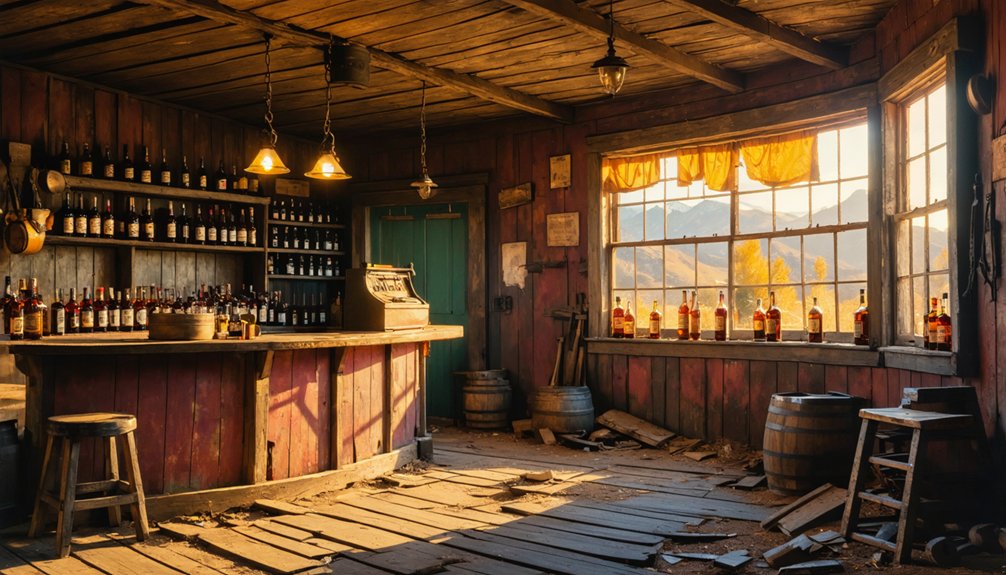
When your tires first crunch onto the weathered gravel of what locals once called Trescape Road, you’ll find yourself squinting through the heat shimmer at a landscape that doesn’t match any official California map. This unmarked territory exists in that liminal space between documented history and desert legend—a place whispered about in roadside diners but absent from GPS coordinates.
What draws wanderers here are rumors of preserved mining remnants tucked between Joshua trees and volcanic rock formations. The unique environmental features—wind-carved sandstone and unexpected spring-fed vegetation—create an otherworldly backdrop that feels deliberately hidden. The region experiences extreme temperature variations typical of the Mojave’s arid climate, with scorching days that can give way to surprisingly frigid nights. The rain shadow effect of surrounding mountain ranges contributes to the desert’s characteristically low precipitation levels. Whether Trescape ever truly existed as a mining settlement or remains purely mythical, the journey itself offers something modern maps can’t capture: genuine discovery.
The Rise and Fall of a Railroad Community
As the Southern Pacific Railroad pushed its steel veins deeper into California’s interior, Trescape materialized from dust and ambition—a deliberate creation born where iron met opportunity. You’ll find the settlement patterns here followed the tracks religiously, with wooden structures clustering around the depot like pioneers around a campfire.
Where iron rails carved through California wilderness, ambition and opportunity collided to birth a town from nothing but dust and determination.
The architectural evolution tells Trescape’s story in weathered timber:
- Station buildings anchored the community core, dictating commerce flow
- Freight warehouses enabled agricultural and mining shipments to distant markets
- Worker housing sprouted along the right-of-way, following the steel lifeline
- Commercial structures emerged near loading platforms, chasing prosperity
But rails giveth and rails taketh away. When Southern Pacific consolidated operations and passenger services dwindled, Trescape’s purpose evaporated. The town couldn’t survive without its iron heartbeat. The depot served as a vital hub where residents could receive mail delivery and collect their daily newspapers, connecting this remote outpost to the wider world. The railway’s narrow gauge tracks, measuring just 36 inches across, limited its capacity for larger freight operations compared to standard gauge competitors.
Understanding What Led to Trescape’s Abandonment
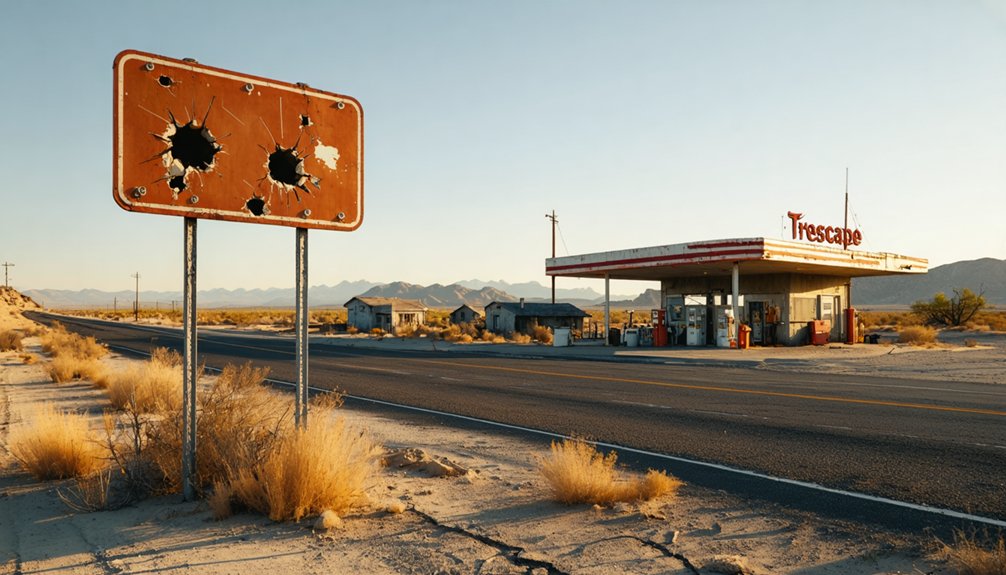
Why do railroad towns die? You’ll find Trescape’s story brutally simple: when the Southern Pacific shifted operations away, the entire community collapsed. This wasn’t gradual decline—it was economic amputation.
The settlement’s vulnerability to industry changes became obvious once highways redirected traffic through larger junctions like Mojave, just eight miles away.
You’re standing in a place that offered limited alternative employment opportunities. No mines, no agriculture in this water-starved desert at 2,625 feet elevation. Just railroad work. When that vanished, residents packed up and left for towns with actual futures. By 1947, Trescape disappeared from official maps entirely.
The lesson? Freedom means options. Trescape had none. One industry, harsh environment, geographic isolation—a recipe for abandonment when circumstances changed. Unlike towns such as Keeler that evolved into living ghost towns with small populations persisting, Trescape couldn’t sustain even a remnant community. Even thriving settlements like Parisa, which employed around 50 people running farmland and catering to the logging industry, eventually vanished when their economic foundations crumbled.
Nearby Ghost Towns Worth Adding to Your Itinerary
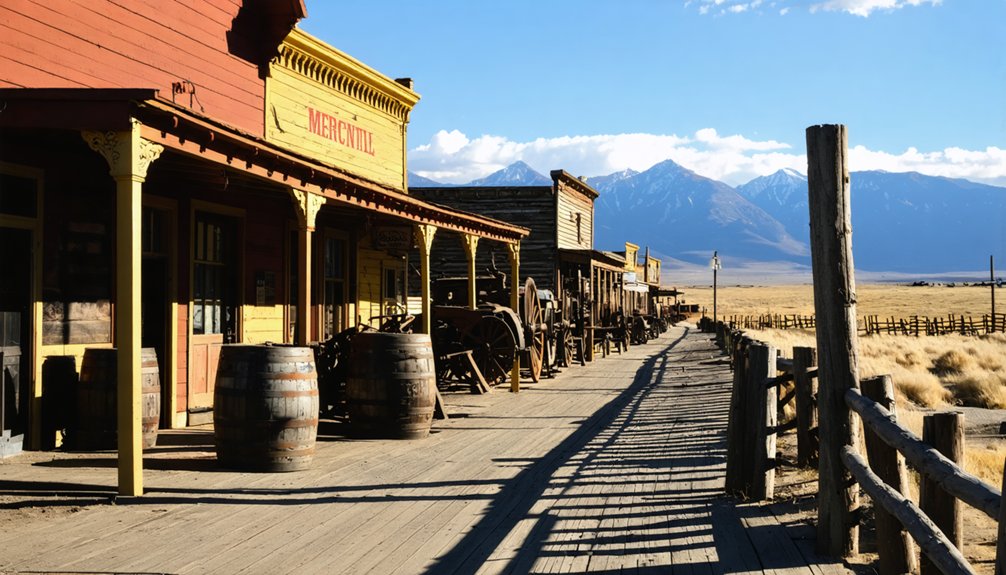
Your Trescape visit leaves you in prime position to explore the Mojave’s richest concentration of ghost towns—all within a 50-mile radius. These settlements offer dramatically different visitor experiences, from Calico’s 1950s restoration showcasing preserved buildings along Main Street to Randsburg’s living ghost town atmosphere where residents still occupy century-old structures.
As you delve into the ghost town history in California, each location reveals tales of the past, reflecting the hardships and triumphs of those who once called these places home. Visitors can wander through the remnants of mining operations, gaining insight into the booms and busts that shaped the region’s development. The stories behind these towns serve as a reminder of California’s rich and often tumultuous history.
Consider these distinctive stops:
- Calico Ghost Town: Explore Walter Knott’s architecturally restored 1880s silver mining camp, complete with Maggie Mine tours and the quirky Mystery Shack
- Randsburg-Johannesburg: Wander through authentic preserved buildings where locals still call home in these interconnected gold mining communities
- Silver City: Discover relocated structures from vanished Kern River Valley camps, saved from demolition by the Mills family
- Saltdale: Witness deterioration in real-time as salt deposits consume remaining structures near seasonal Koehn Lake
The Randsburg area experienced its gold rush boom in 1895, transforming the settlement into a thriving mining center that attracted thousands of prospectors to Kern County. Many ghost towns throughout the region were founded as early as 1850, though most towns abandoned their operations between the late 1800s and 1970 as gold and silver deposits became depleted.
Mapping Your Route Through Kern County’s Desert Landscape
Planning your ghost town circuit through Kern County’s 8,132 square miles of Mojave Desert demands more than highlighting destinations on Google Maps. You’ll need offline navigation downloaded before cellular signals fade into static around mile marker 30.
State Route 58 forms your primary artery westbound from Bakersfield, while SR-14 cuts north from LA through increasingly isolated terrain. Alternative route options include Highway 395 for northern approaches, though expect final miles on unpaved roads where sand meets gravel.
Remote site amenities don’t exist out here—Mojave’s your last fuel stop before committing to the backcountry. Pack recovery gear, extra water, and that spare tire you’ve been neglecting.
Summer temperatures crack 100°F regularly, and flash floods transform dry washes into roaring channels within minutes during rare storms. Plan departure times between 7 am and 5 pm to maximize daylight hours for safe navigation through unmarked desert trails. For tree care services in McKinleyville, Treescape operates Monday through Friday at their Marius Street location.
What to Expect When Exploring Trescape and Surrounding Sites
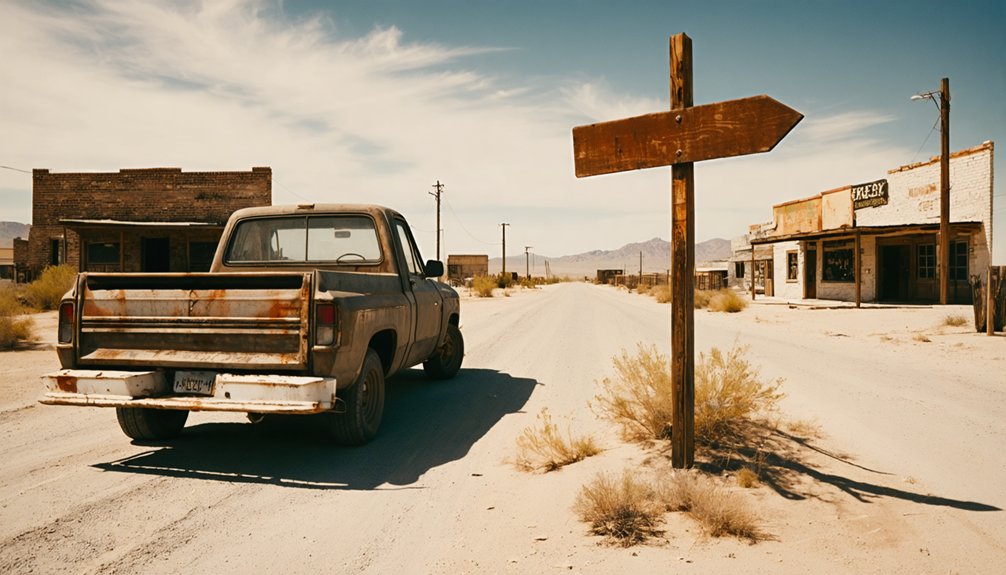
You’ll navigate a harsh high desert landscape at 2,625 feet elevation, where summer heat can exceed 100°F and winter nights drop below freezing. The railroad corridor where Trescape once stood now reveals little more than scattered foundation stones and graded earth beds where tracks carried freight across California’s interior.
Plan your exploration as a multi-site journey—Randsburg’s operational post office sits 40 miles east, while Calico’s restored silver mining town offers walking tours just 60 miles northeast, turning your search for one vanished settlement into a broader ghost town adventure.
Desert Terrain and Climate
When you venture into the desert landscape surrounding Trescape, you’ll encounter a terrain shaped by relentless wind and water—where nearly half of what you see consists of flat, gravelly plains scoured by eolian deflation. Bedrock outcrops rise like forgotten monuments from erosional plains stretching toward distant horizons.
You’ll experience extremes that define true desert freedom:
- Scorching summers contrasting with moderate winters that test your endurance
- Sparse vegetation covering less than 10% of the landscape, adapted to brutal conditions
- Desert pavement formed through weathering processes and soil formation over millennia
- Hardpacked surfaces spanning thousands of acres, marked by ancient rock arrangements
The wind constantly reshapes this wilderness, depositing silt while stripping away finer particles. Thin soils develop slowly here, their low nutrient levels supporting only the most resilient plant life.
Historic Railroad Infrastructure Remains
The railroad ruins scattered across Trescape’s windswept basin tell stories in rusted iron and weathered timber—remnants of an era when steam locomotives conquered seemingly impossible terrain. You’ll discover historic locomotive remains half-buried in sand, their boilers evidence of the oil boom that drew railway companies here in 1910.
The railroad grade structures cutting through nearby hills reveal engineering ambition—embankments that once carried freight cars loaded with crude oil now serve as hiking trails. Look for the distinctive roadbed patterns where sidings branched off main lines, designed to ease congestion when fifty-mile trips stretched into six-hour ordeals.
These crumbling foundations and rusted rails offer tangible connections to California’s railroad era, standing as monuments to human determination against unforgiving landscapes.
Nearby Ghost Town Accessibility
Exploring Trescape’s surrounding ghost towns requires careful preparation, as these decaying settlements challenge visitors with rugged terrain and limited infrastructure. You’ll face traversing off road challenges including washboard gravel roads demanding slow travel and unmarked forks testing your route-finding skills. Varying parking options range from nonexistent on narrow approaches to small pullouts requiring 10-15 minute hikes.
Essential preparations include:
- Vehicle capability: High-clearance or 4WD handles steep hillsides and rough mountain roads, though passenger cars manage some sites in favorable conditions
- Navigation tools: Topographic maps prove invaluable on unmarked paths
- Physical readiness: Overgrown berms and dense woods demand sturdy footwear and long pants
- Access research: Check gate locks, prison permissions, and private property restrictions before departing
Your independence rewards you with eerie, authentic encounters that tourist-adapted sites can’t replicate.
Frequently Asked Questions
What Camping Facilities Are Available Near Trescape and Other Ghost Towns?
You’ll find 265 camping sites at Calico with full hookups, plus cabins and bunkhouses. Nearby options include primitive campsites at Mountain Shadow Hideaway and dispersed camping areas. Desert Skate Ranch offers additional spots just twelve miles away.
Are There Any Guided Tours Offered for Kern County Ghost Town Visits?
Most Kern County ghost towns offer self-guided tours with informational plaques marking your path through history. Silver City Ghost Town provides privately led excursions featuring paranormal investigations and lamplight walks, where you’ll hear chilling tales from experienced guides who’ve witnessed unexplainable phenomena.
What Safety Precautions Should Visitors Take When Exploring Abandoned Railroad Sites?
Rusted rails whisper danger—never trespass on active tracks. You’ll stay safe by keeping 25 feet back from all rails. Wear sturdy footwear for uneven terrain, bring flashlights for structures, and always assume trains operate unexpectedly on seemingly forgotten lines.
Can Visitors Legally Remove Artifacts or Souvenirs From Ghost Town Locations?
No, you can’t legally remove artifacts—it’s theft, risking $10,000 fines and jail time. Trespassing concerns compound violations. Proper artifact preservation requires leaving everything untouched. Take photos instead; you’ll avoid legal trouble while respecting history’s authentic freedom to endure.
What Is the Best Season to Visit Trescape’s High Desert Area?
You’ll want to ghost those crowded summer months—spring wildflower blooms and dramatic autumn foliage offer perfect backdrops for your high desert exploration. Mild temps, fewer tourists, and accessible roads mean you’re free to roam unhindered.
References
- https://www.savetheredwoods.org/blog/spooky-redwoods-ghost-town-remains-a-presence/
- https://kids.kiddle.co/Trescape
- https://www.visitgreaterpalmsprings.com/blog/post/ghost-towns-of-the-california-desert/
- https://www.youtube.com/watch?v=bz6XtozCSMg
- https://whimsysoul.com/must-see-california-ghost-towns-explore-forgotten-histories/
- https://www.visitcalifornia.com/road-trips/ghost-towns/
- https://www.youtube.com/watch?v=ZtBc0thPiyE
- https://www.californist.com/articles/interesting-california-ghost-towns
- https://www.britannica.com/place/Mojave-Desert
- https://en.wikipedia.org/wiki/Deserts_of_California