Planning a ghost town road trip to Vananda, Montana means heading out along U.S. Highway 12 through eastern Montana’s open ranchland, roughly 40 miles from Forsyth. You’ll find weathered remnants of a once-promising railroad village that drought and economic collapse quietly erased by the 1920s. There’s no signage, no crowds, just wide sky and forgotten history. Visit between late spring and early fall for the best conditions, and pack water, sturdy boots, and offline maps. There’s more to this story worth uncovering.
Key Takeaways
- Vananda is located along U.S. Highway 12 in eastern Montana, approximately 40 miles from Forsyth through open ranchland.
- The ghost town offers weathered building remnants, wide open space, and ideal photography opportunities without crowds or guided tours.
- Visit between late spring and early fall for mild temperatures and maximum daylight hours during your exploration.
- Pack essential supplies including water, sturdy boots, sunscreen, and a first aid kit before making the trip.
- Download offline maps in advance, as cell service is severely limited throughout the surrounding eastern Montana area.
Vananda, Montana: A Ghost Town Still Standing on Highway 12
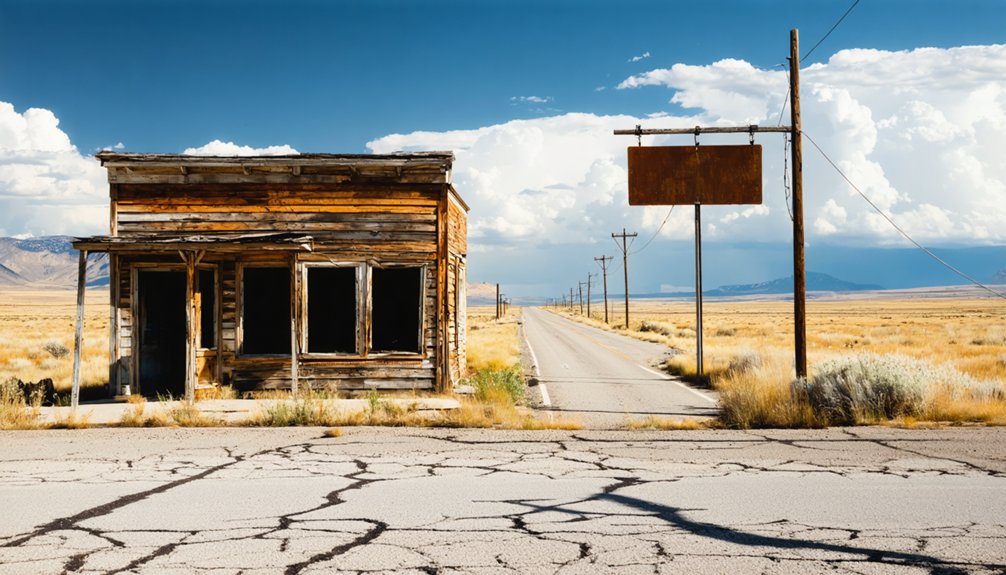
If you’re cruising along U.S. Highway 12 through eastern Montana, you’ll spot what remains of Vananda — a quiet ghost town frozen in the early 1900s.
This former unincorporated village once buzzed with settlers drawn by agricultural promise and the Milwaukee Railroad’s expansion. Vananda history tells a story of ambition meeting harsh reality, as drought and economic collapse stripped the town of its population by the 1920s.
Today, ghost town exploration here means walking among empty structures slowly reclaimed by Montana’s arid landscape.
The railroad that built this community shut down in the 1980s, sealing Vananda’s fate permanently. Yet the town still stands as a raw, honest snapshot of frontier life — accessible, visible, and worth your stop.
How Vananda Went From Busy Village to Ghost Town
Vananda didn’t collapse overnight — it unraveled in stages, each blow hitting harder than the last.
When you dig into Vananda history, you’ll find a small village that once buzzed with community spirit, built on agricultural promise and railroad impact. The Milwaukee Railroad put Vananda on the map in the early 1900s, drawing settlers hungry for opportunity.
Then came the agricultural challenges. Drought strangled crops, and by 1923, the local bank had closed its doors. Economic decline spread fast, stripping away the foundation that once held this community together.
When the railroad finally shut down in the 1980s, the last reason to stay vanished.
Today, Vananda’s historical significance lives in its silence — a ghost town that shows you exactly what happens when nature rewrites human plans.
How to Get to Vananda, Montana on Highway 12
If you’re planning a ghost town road trip to Vananda, Montana, you’ll find U.S. Highway 12 is your primary route straight into the site.
You can drive through the heart of what’s left of this former village, as the highway cuts right through the old townsite.
Keep your eyes open as you cruise along, because the remnants of Vananda’s past appear quickly and don’t announce themselves with any modern signage.
Highway 12 Route Details
Highway 12 cuts straight through Vananda, making it one of the easiest ghost towns to reach in eastern Montana. You’ll cruise through wide-open high plains terrain, where the road stretches endlessly under a massive sky. The highway highlights along this stretch reward patient travelers with raw, unfiltered Montana scenery.
From Forsyth, head northwest on Highway 12 and watch the landscape shift from river-bottom farmland to dry, rolling prairie. Scenic stops along the way let you step out, breathe the open air, and photograph the vast emptiness.
Vananda appears quietly, almost without warning, sitting right along the roadside.
You don’t need special gear or off-road capability. Just fuel up beforehand, keep your eyes open, and let Highway 12 deliver you straight to this forgotten corner of Montana history.
Reaching Vananda By Car
Reaching Vananda takes just three simple steps: start in Forsyth, point your vehicle northwest on Highway 12, and drive.
It’s roughly 40 miles through open Montana ranchland, and the scenic routes along the way reward you with sweeping views of eastern Big Sky country.
A few travel tips before you go: fill your gas tank in Forsyth, since services disappear quickly once you head northwest.
Bring water, check your spare tire, and download offline maps — cell service gets thin fast out here.
Highway 12 cuts directly through what remains of Vananda, so you won’t miss it.
The empty buildings appear roadside almost without warning.
Pull over, step out, and let the silence tell you everything the history books can’t.
What You’ll Actually See When You Arrive in Vananda
What greets you in Vananda isn’t much by modern standards, but that’s precisely the point.
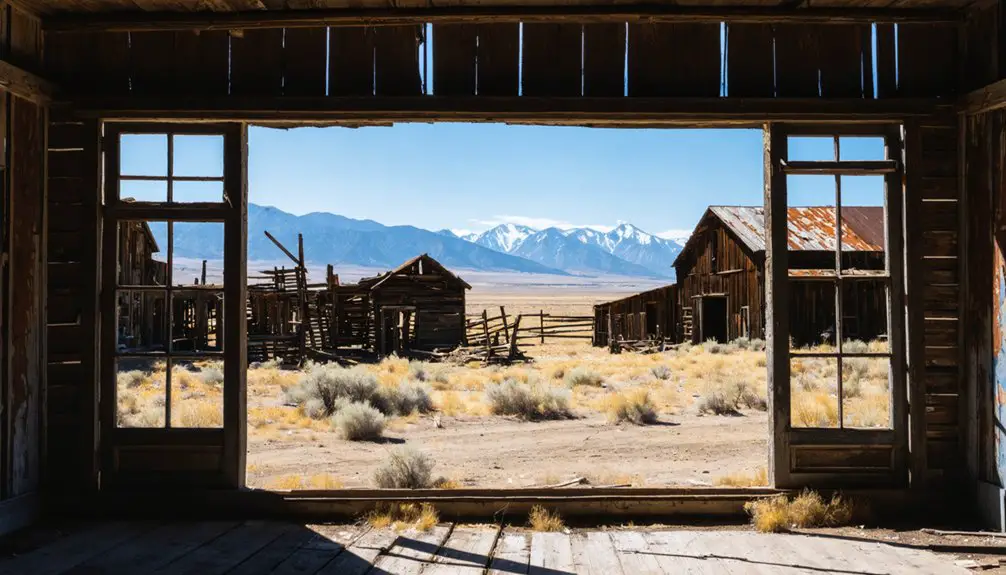
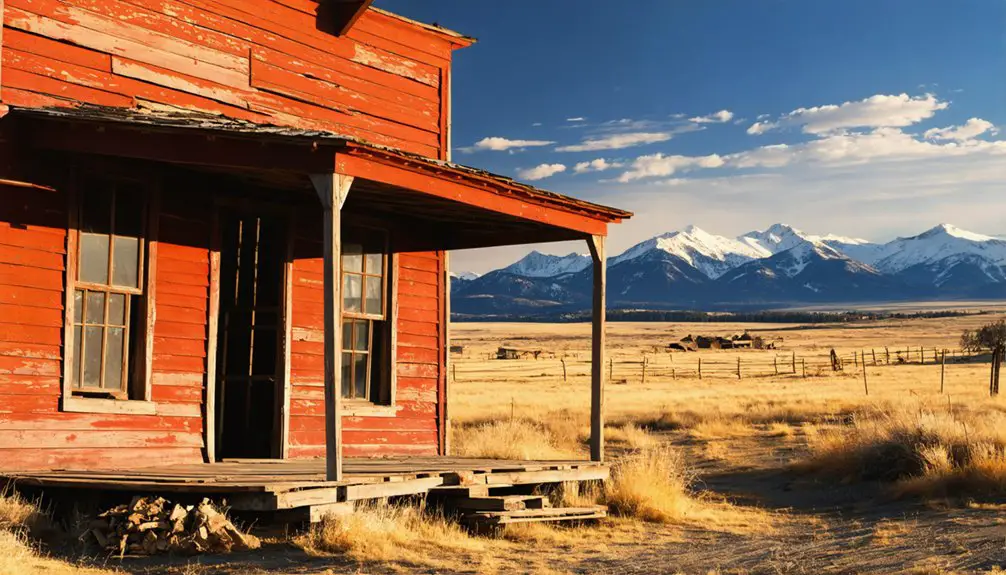
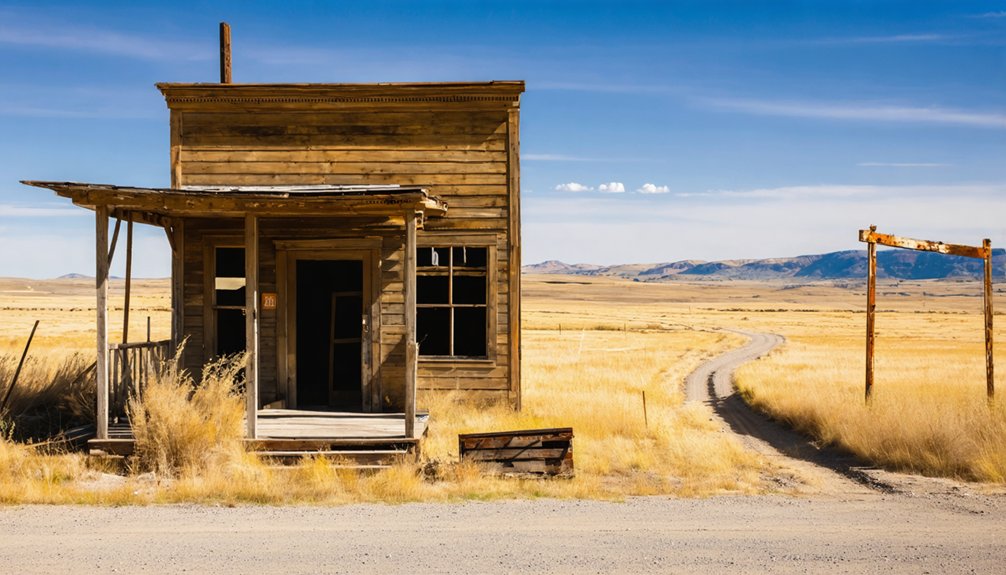
You’ll find ghost town remnants scattered across the landscape — empty buildings weathered by decades of harsh Montana elements, silent structures that once buzzed with everyday life.
Nature has quietly reclaimed much of the original layout, bending streets and foundations back into the earth.
Yet the historical significance remains unmistakable. You’re standing where settlers arrived full of hope, built a community from scratch, and ultimately watched drought and economic collapse strip everything away.
Walk the grounds and you’ll feel that weight.
No crowds, no guided tours, no gift shops — just open sky, crumbling walls, and an honest story about ambition meeting reality on the unforgiving eastern Montana plains.
When Is the Best Time to Road Trip to Vananda?
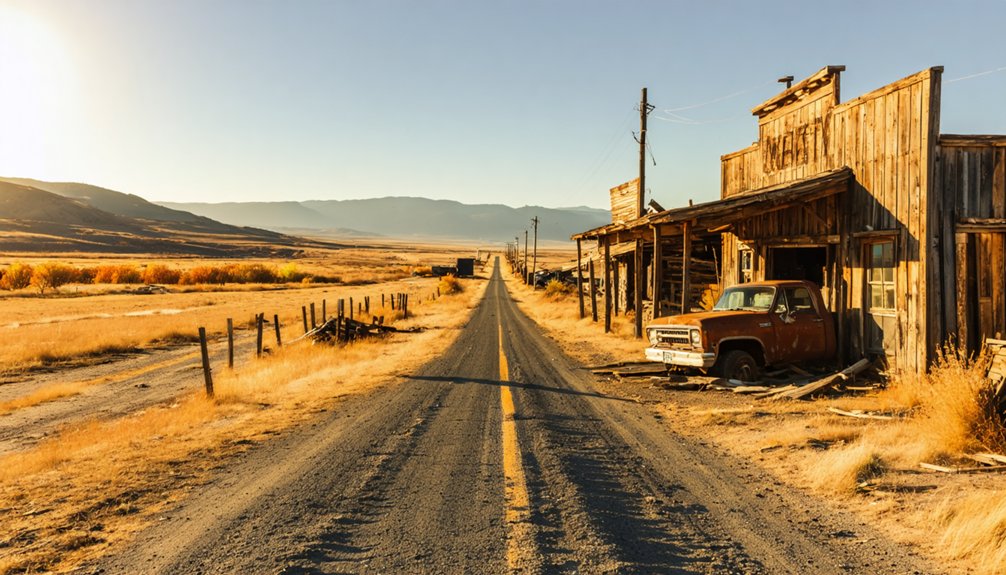
You’ll want to plan your visit to Vananda between late spring and early fall, when mild temperatures and dry roads make the Highway 12 drive most enjoyable.
Summer months offer the longest daylight hours, giving you plenty of time to explore the empty buildings and open terrain.
Avoid late fall and winter, when harsh Montana weather can make the remote site difficult and even dangerous to reach.
Ideal Visiting Seasons
Although Vananda sits in Montana’s arid eastern plains, the best time to make the road trip is late spring or early fall, when temperatures stay mild and the skies cooperate.
Summer heat can be punishing, and winter roads along Highway 12 grow unpredictable fast.
Late spring brings wildflowers to the semi-dry landscape, creating the best photography spots around the empty buildings and forgotten streets.
You’ll also catch local wildlife moving through the area before the heat drives them into hiding.
Early fall delivers golden light and cooler air, making every shot feel cinematic.
Avoid holiday weekends if you want solitude.
Vananda rewards those who arrive quietly, on their own terms, ready to absorb a landscape that refuses to be rushed.
Weather Considerations
Weather shapes every ghost town visit, and Vananda’s eastern Montana location means you’re dealing with real extremes on both ends of the calendar. Understanding weather patterns here keeps your road trip from turning into a survival situation.
Summers push temperatures past 90°F, baking the arid landscape and making midday exploration exhausting. Winters drop well below freezing, with wind and snow making Highway 12 unpredictable.
Seasonal changes happen fast in this part of Big Sky country, so don’t assume a clear morning guarantees a clear afternoon.
Late spring and early fall deliver the most balanced conditions. Temperatures stay manageable, roads remain accessible, and the landscape carries a raw, honest beauty that fits Vananda’s story perfectly.
Always check forecasts before you leave and pack layers regardless of the season.
What Should You Bring for a Ghost Town Visit in Montana?
Packing smart makes the difference between a rewarding ghost town adventure and a miserable one. You’re heading into remote, arid terrain, so ghost town essentials matter. Bring plenty of water, sturdy boots, sunscreen, and a first aid kit.
Cell service is limited out here, so download offline maps before you leave.
For photography tips, arrive during golden hour — early morning or late afternoon light transforms Vananda’s weathered structures into stunning visual stories. Bring a wide-angle lens to capture the vast Montana landscape alongside the remnants of the village.
A tripod helps with sharp interior shots in low-light buildings.
Don’t forget snacks, layers for shifting temperatures, and a fully charged battery. Freedom tastes better when you’re prepared for whatever the open road delivers.
Other Montana Ghost Towns to Pair With Your Vananda Road Trip
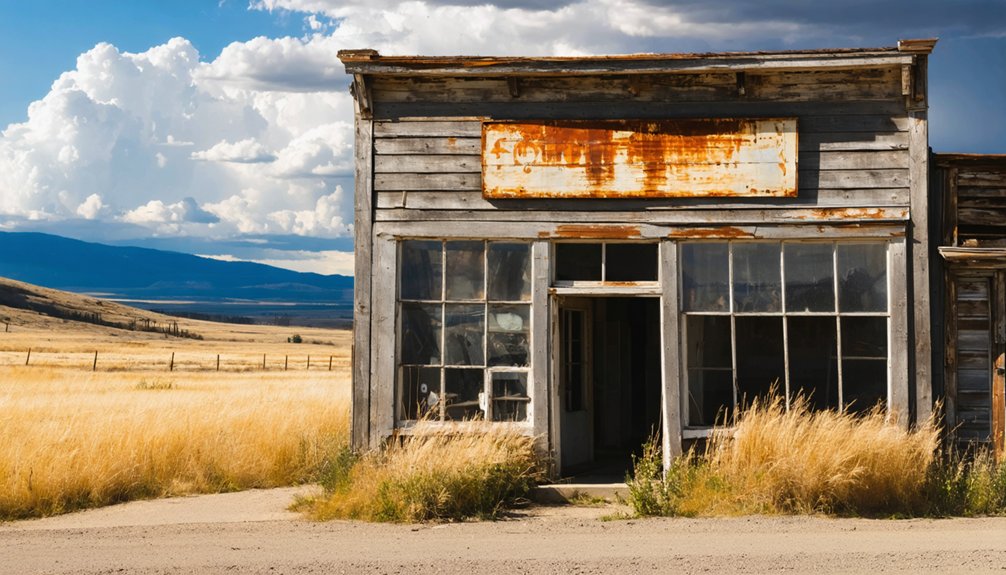
Once you’ve explored Vananda’s quiet ruins, Montana’s eastern stretches reward curious road trippers with several other ghost towns worth the detour.
Ghost town exploration across Big Sky country deepens your connection to Montana history in ways no museum can replicate.
Consider adding these stops to your route:
- Ismay – Once called “Joe” after a football player, this tiny town carries a quirky, bittersweet story of reinvention and slow decline.
- Locate – A forgotten railroad settlement where silence speaks louder than any historical marker ever could.
- Cohagen – A remote dot on the map that once buzzed with ranching life, now reclaimed by wind and open sky.
Each town adds another honest chapter to Montana’s rugged, unfiltered story.
Frequently Asked Questions
Is There an Entrance Fee to Visit Vananda Ghost Town?
You don’t need to pay an entrance fee to explore Vananda’s ghost town history! It’s freely accessible via Highway 12. For travel tips, bring water and a camera to capture this hauntingly beautiful, abandoned Montana landscape.
Are Pets Allowed When Exploring Vananda Ghost Town?
Like a wide-open frontier, Vananda welcomes your furry companions! No official pet friendly policies restrict your visit, but practice good ghost town etiquette — keep your pets leashed and respect the historic remnants you’ll discover together.
Can You Legally Take Artifacts or Items From Vananda?
You shouldn’t take artifacts from Vananda, as artifact preservation laws protect historic sites. Removing items carries serious legal consequences. Respect the remnants you discover, letting them stay so others can experience this fascinating ghost town’s rich history.
Is Vananda Ghost Town Privately Owned or on Public Land?
The ownership details aren’t clearly documented, so you’ll want to research before visiting. Vananda’s historical significance and ghost town legends make it worth investigating land status to guarantee you’re exploring freely and legally.
Are There Guided Tours Available for Visiting Vananda, Montana?
While formal guided tours don’t exist, you won’t miss out — Vananda’s open landscape invites your own guided exploration. You’ll discover the site’s historical significance freely, accessing it via Highway 12 on your own adventurous terms.
References
- https://www.facebook.com/groups/290652766270678/posts/1066878431981437/
- https://en.wikipedia.org/wiki/Vananda
- https://kids.kiddle.co/Vananda
- http://www.ycmhistory.org/collections
- https://billingsmix.com/abandoned-montana-school/
- https://www.facebook.com/groups/abandonedrails/posts/2850745638292266/
- https://www.facebook.com/ghosttownsandhistoryofmontana/posts/vananda-montana-got-its-start-in-the-early-1900s-as-a-stop-on-the-milwaukee-rail/2453247951362562/
- https://www.youtube.com/watch?v=filDIvUeO5A
- https://www.youtube.com/watch?v=i_pCjO49o2c
- https://montanahistoriclandscape.com/tag/vananda-montana/