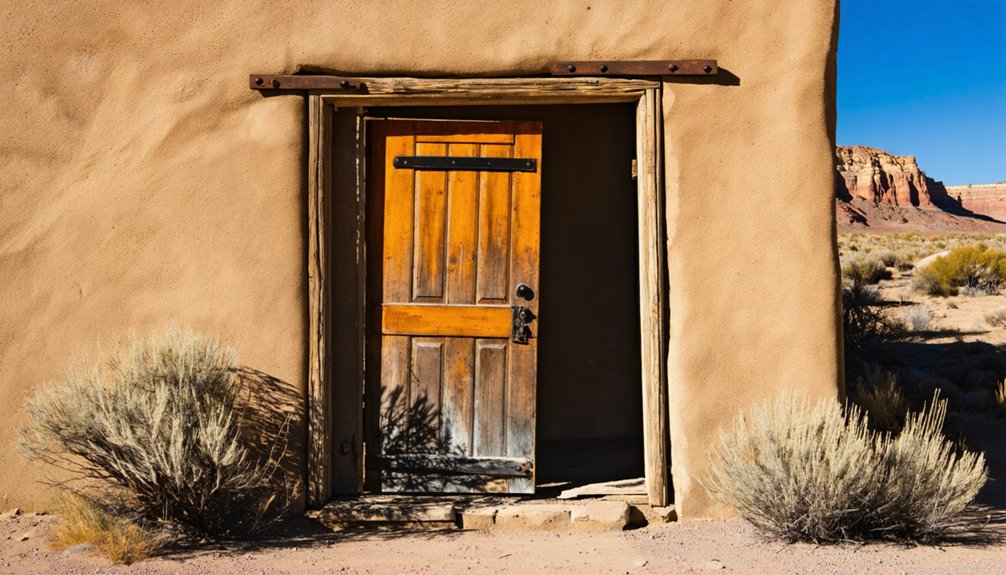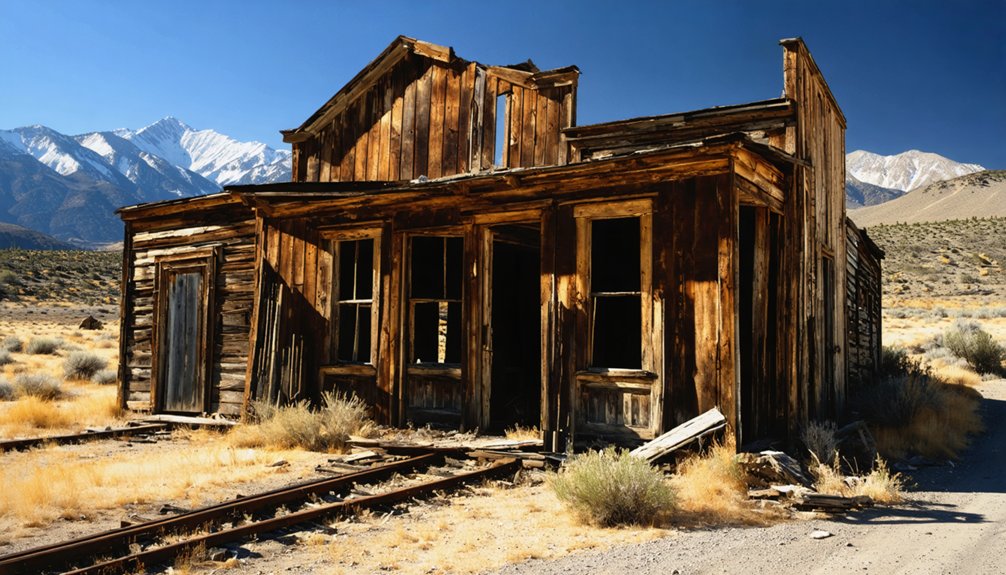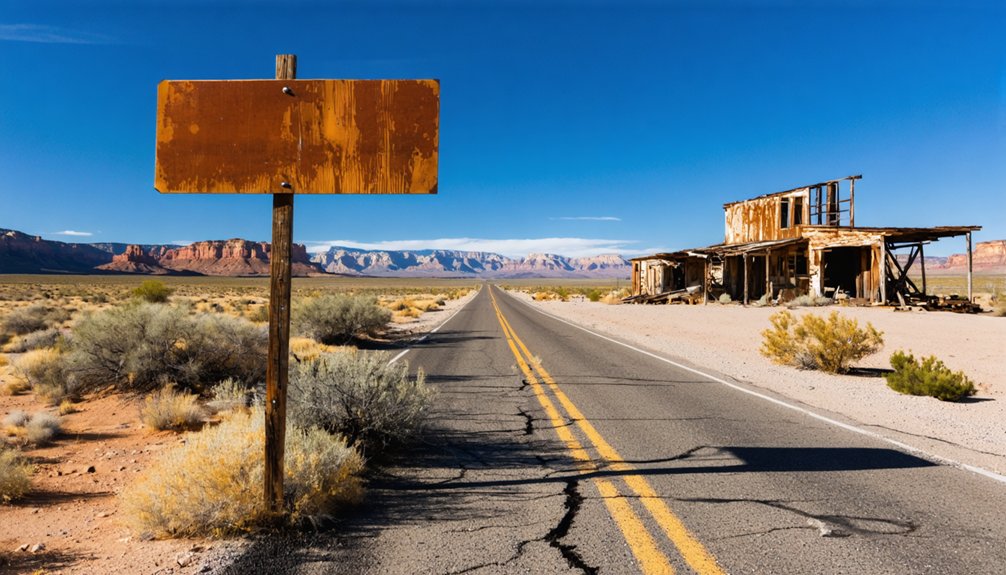
Planning a ghost town road trip to Woodside, Utah is easier than you’d think. You’ll find it right off US Highway 6 in Emery County, about 25 miles north of Green River. It’s free to visit, open year-round, and packed with history — from railroad ruins and outlaw legends to a dormant geyser and free-roaming llamas. Whether you’re chasing Butch Cassidy’s ghost or just the view, there’s far more to this forgotten boomtown than meets the eye.
Key Takeaways
- Woodside, Utah, is a free, year-round accessible ghost town located 25 miles north of Green River along US Highway 6/191.
- Spring and fall offer the best visiting conditions, with mild temperatures between 60–75°F and stunning Book Cliffs scenery.
- Key attractions include railroad depot ruins, hotel remnants, a dormant geyser, and free-roaming llamas throughout the site.
- Travel with companions during daylight hours, as an aggressive resident and deteriorating structures pose potential safety risks.
- Extend your road trip by visiting nearby ghost towns, including Green River’s uranium camps and Castle Dale’s coal mining remnants.
Woodside, Utah: The Ghost Town Hiding in Plain Sight on US-6
Tucked along US Route 6/191 in eastern Emery County, Utah, Woodside sits on the west bank of the Price River like a forgotten footnote in American history.
You’ll spot it just 25 miles north of Green River, where the Book Cliffs rise like ancient bookshelves against the desert sky. It’s hiding in plain sight, yet most drivers blow past without a second glance.
That’s their loss. Woodside carries genuine ghost town legends — Butch Cassidy tunnels, hidden treasures tied to Spanish gold mines, and a community that once housed 300 souls before quietly fading away.
The San Rafael Swell surrounds you, the terrain stays flat and brushy, and the silence hits differently when you realize how much history you’re actually standing on.
How a Railroad Water Stop Became Emery County’s Most Unlikely Boomtown
Before it became a ghost town worth $3.9 million and a handful of roaming llamas, Woodside had humbler origins — a prospector named Henry H. Hutchinson settled here in 1881, chasing legends of Spanish gold. What he found instead was opportunity in motion.
The Denver and Rio Grande Western Railroad changed everything. Steam engines needed water, and Woodside sat perfectly positioned along the Price River. That single railroad history footnote sparked boomtown economics fast — by the early 1900s, 300 residents were raising livestock, harvesting sugar beets, and running a café and filling station that attracted visitors from around the world.
You’re looking at a town built on thirst — a locomotive’s thirst — that briefly transformed remote Utah desert into something remarkably alive.
Butch Cassidy’s Tunnels and Woodside’s Outlaw Legends
When Butch Cassidy robbed the Castle Gate payroll in 1897, Woodside gave him somewhere to disappear. Beneath an ordinary house, tunnels sheltered one of America’s most notorious outlaws from pursuing lawmen.
You’re standing on ground where outlaw legends were literally built underground.
Woodside’s remote canyon geography made it perfect for men who needed to vanish quickly. The surrounding Book Cliffs and San Rafael Swell created natural barriers that favored anyone who knew the terrain.
The historical significance runs deeper than Cassidy’s escape. Local lore about hidden treasures and Spanish gold mines predates the outlaw era entirely, stretching back to the town’s 1881 founding.
Henry Hutchinson originally settled here searching for that very gold.
Walking these grounds, you’re tracing layers of ambition, desperation, and freedom that define the American West.
How to Get to Woodside, Utah on Your Road Trip
To reach Woodside, take US Highway 6 through Emery County, heading south from Price or north from Green River, where the town sits just 25 miles up the road.
You’ll spot the ghost town easily along the highway, with the old service station serving as your landmark and best parking spot.
There’s no entry fee, so pull over, step out, and let the barren landscape tell its story.
Primary Route From Price
Heading south from Price on US Highway 6, you’ll cut through the raw, open terrain of Emery County as the Book Cliffs rise like giant bookshelves along the horizon.
Follow the road as it traces the Price River, winding through canyon country where the desert stretches endlessly in every direction.
After roughly 25 miles, Woodside appears on the west bank, easy to miss if you’re pushing speed.
Watch for the old service station — your best landmark in this nearly abandoned stretch. Ghost towns don’t advertise themselves, and Woodside’s no different.
The highway stays open year-round, making access straightforward regardless of season.
No tolls, no gates, no permits — just open road, desert silence, and the freedom to explore on your own terms.
Arriving From Green River
Coming from Green River, you’ve got just 25 miles of US Highway 6 standing between you and Woodside — a quick, straightforward shot north through some of Utah’s starkest desert terrain.
As you head north, the highway experience shifts dramatically, with the Book Cliffs rising like ancient bookshelves on either side, delivering scenic views that demand a camera stop or two.
Keep your eyes open for local wildlife crossing the open scrubland — you’re deep in free-range territory here.
The historical significance of this corridor runs deep; outlaws like Butch Cassidy once used these remote canyons as hideouts.
Watch for roadside attractions signaling your arrival, and don’t miss the old geyser site.
Travel tip: arrive with a full tank — services out here are sparse.
Parking At Woodside
Step out and soak in the scenic viewpoints stretching across the desert basin:
- Book Cliffs rise dramatically to the north, resembling ancient bookshelves.
- Price River winds quietly through the flat, brush-covered terrain.
- Railroad depot ruins stand visible from your parked vehicle.
- Open desert expanse offers unobstructed views of the San Rafael Swell.
You’re free to wander at your own pace — no crowds, no fees, just raw history sitting wide open under a Utah sky.
Is Woodside, Utah Safe to Visit?
Woodside’s remote location and near-abandonment come with real safety concerns you should weigh before visiting.
Reports indicate a man living in the ruins has confronted and attacked visitors, so you’ll want to stay alert, stick to open areas, and avoid exploring crumbling structures alone.
Keep your visit to daylight hours, let someone know your plans, and trust your instincts if something feels off.
Current Safety Concerns
While Woodside’s ghost town charm makes it an appealing detour, you’ll want to stay alert once you arrive. Reports of an aggressive man living in the ruins mean visitor awareness isn’t optional here—it’s essential.
Keep these safety measures in mind:
- Stay visible – Explore during daylight hours and stick to open areas near the highway.
- Travel with others – Avoid wandering alone through abandoned structures.
- Respect boundaries – Don’t enter deteriorating buildings; structural instability poses real risks.
- Trust your instincts – If something feels off, return to your vehicle and leave.
Woodside rewards the curious traveler, but freedom comes with responsibility. Knowing the risks before you arrive means you’ll spend less time second-guessing and more time soaking in the history.
Visitor Precautions Needed
Visiting Woodside is generally safe if you approach it with common sense and situational awareness. Stick to established visitor guidelines: stay visible, travel with a companion, and avoid lingering near ruined structures after dark.
Reports of an aggressive individual inhabiting the ruins mean you shouldn’t wander alone into unfamiliar buildings. Implement basic safety measures like informing someone of your itinerary and keeping your phone charged.
The remote canyon terrain offers limited cell service, so download offline maps before you arrive. Watch your footing around deteriorating foundations and collapsed walls.
You’re exploring a fundamentally unmonitored location, so self-reliance matters. Respect private property boundaries near the service station and cemetery.
Stay alert, move freely, and you’ll experience Woodside’s fascinating history without unnecessary risk.
The Ruins, Depot, and Structures Still Standing at Woodside
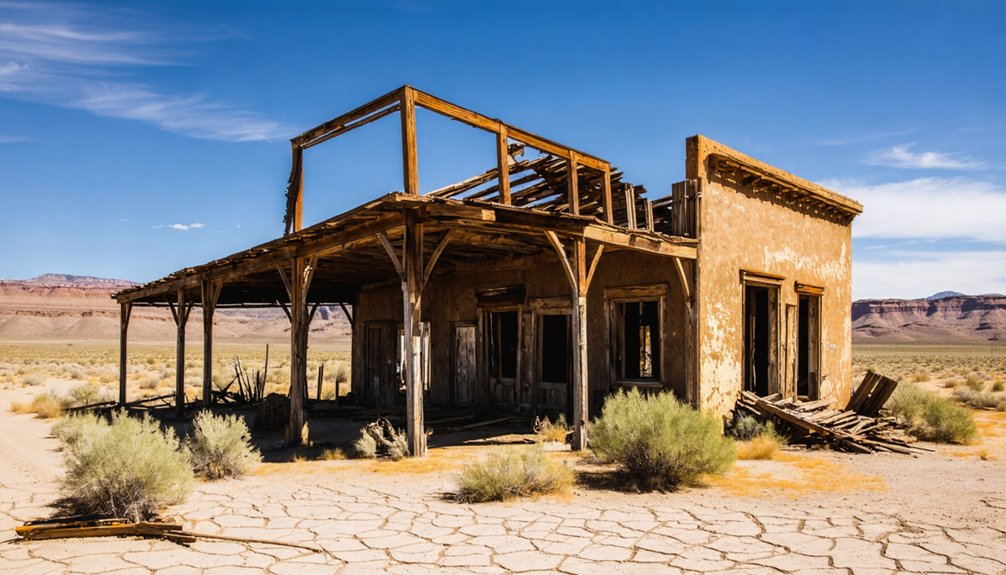
Though much of Woodside has crumbled into the desert floor, a handful of structures still stand as quiet reminders of the town’s busier days. Your ruins exploration starts at the old railroad depot, where depot history runs deep — steam engines once rolled through, keeping this remote outpost alive.
Woodside may be crumbling, but its old railroad depot still echoes with the ghost of passing steam engines.
Here’s what you’ll still find standing:
- Railroad depot – weathered but recognizable, anchoring the town’s industrial past
- Service station with Post Office – still partially functional, remarkably intact
- Hotel ruins – collapsed walls hinting at overnight travelers and livestock traders
- Geyser site – now dormant after vandalism, but the structure remains visible
Walk slowly. Each crumbling wall tells a story about isolation, perseverance, and a community that once carved real life out of this unforgiving desert landscape.
Woodside’s Geyser, Free-Range Llamas, and Other Surprises
Woodside’s strangest surprises aren’t the crumbling walls — they’re the living, breathing oddities scattered across the property.
The geyser history here is worth knowing: this natural wonder once shot water 75 feet into the air, drawing curious travelers off the highway for a free spectacle. Vandals eventually jammed it shut, leaving only the story behind. You’ll still find the spot, even if the show’s over.
Then there are the llamas. Free-range llamas roam the property like they own the place — because, in a way, they do.
Your llama encounters here won’t be planned or polished. These animals wander wherever they please, adding a genuinely surreal layer to an already strange landscape.
Woodside doesn’t warn you about any of this, and that’s exactly the point.
Best Time to Visit Woodside and Emery County
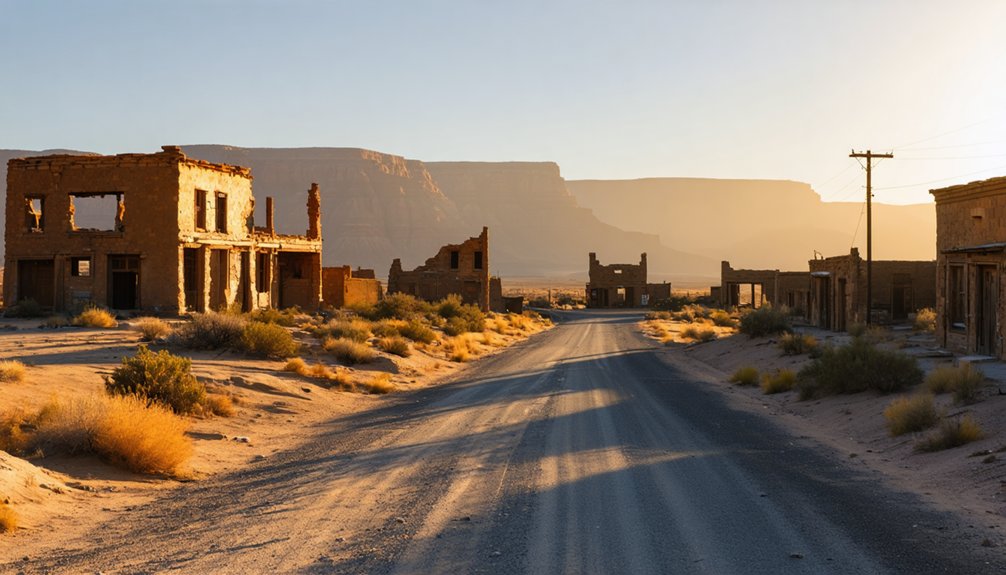
You’ll find Woodside most welcoming in spring and fall, when mild temperatures make exploring the desert landscape comfortable without summer’s brutal heat or winter’s icy roads on US Route 6.
Peak tourist season runs through summer, so if you want the ruins and remnants to yourself, plan a shoulder-season visit in April, May, or October.
Always check road conditions before heading out, since Emery County’s remote terrain can turn hazardous quickly after rain or snow.
Ideal Visiting Seasons
Spring and fall are your best bets for visiting Woodside and the surrounding Emery County desert. These seasonal highlights offer mild temperatures perfect for exploring ruins and roaming the landscape freely. Weather considerations matter here—summers scorch, winters bite.
Plan your visit around these conditions:
- Spring (March–May): Comfortable 60–75°F temps, wildflowers dotting the desert brush
- Fall (September–November): Cool, crisp air with stunning contrast against the Book Cliffs
- Summer: Extreme heat exceeding 100°F makes exploration brutal and dangerous
- Winter: Icy roads along US-6 create hazardous driving conditions
You’ll want maximum daylight to explore the old depot, hotel ruins, and geyser site. Arriving early keeps you ahead of highway traffic and gives you the ghost town almost entirely to yourself.
Weather And Road Conditions
Knowing when to visit is only half the battle—understanding what the weather and roads actually do out there completes the picture.
US Highway 6 stays accessible year-round, but weather patterns shift dramatically across seasons. Summer heat bakes the desert floor past 100°F, turning midday visits brutal. Spring and fall deliver mild temperatures, clear skies, and the best road safety conditions for exploring.
Winter brings occasional snow and ice onto canyon stretches, making driving unpredictable. Flash flood season—typically July through September—can briefly overwhelm the Price River corridor without warning.
Cell service out here is unreliable, so check forecasts before you leave Price or Green River. The highway moves fast, the terrain is unforgiving, and preparation separates a memorable adventure from a dangerous one.
Peak Tourist Times
Everyone who makes the drive to Woodside agrees on one thing: timing matters.
Tourist trends show spring and fall deliver the best experience, avoiding brutal summer heat and icy winter roads.
Seasonal attractions peak when temperatures stay manageable, letting you explore ruins and cemetery grounds comfortably.
Summer draws curious highway travelers, but scorching desert heat makes lingering difficult.
Consider these timing advantages:
- Spring (April–May): Mild temperatures, wildflowers contrast the barren cliffs
- Fall (September–October): Crisp air, dramatic light for photography
- Summer: Higher traffic, extreme heat above 100°F
- Winter: Quiet isolation, but ice creates dangerous road conditions
You’ll own the place during weekday visits regardless of season.
Weekends bring highway travelers who stop briefly, so arrive early if you want uninterrupted exploration.
Other Ghost Towns Near Woodside Worth a Detour
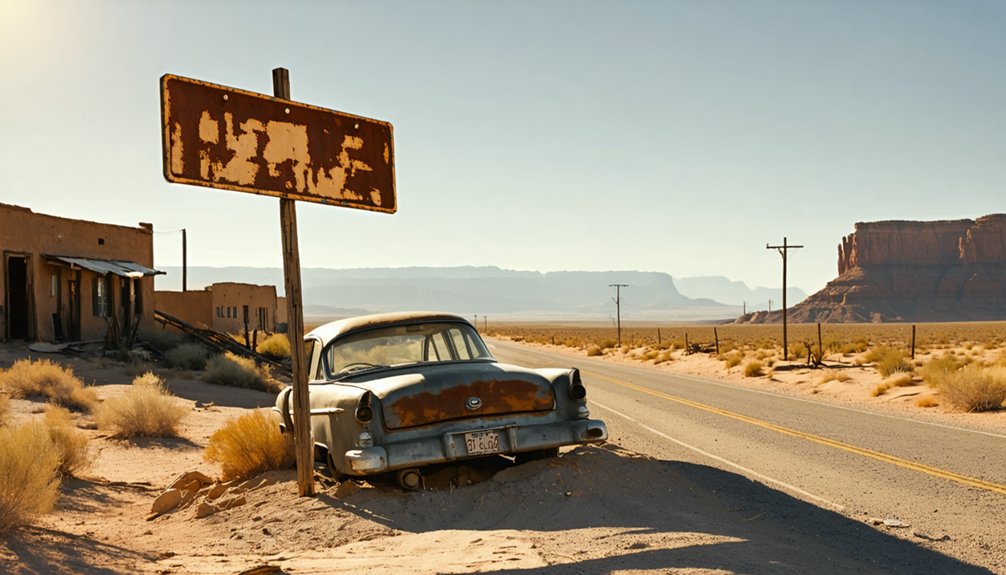
While Woodside makes for a compelling stop, the surrounding region of eastern Utah is riddled with ghost towns that’ll reward any detour.
Head south toward Green River, where abandoned uranium mining camps dot the canyon edges, each carrying their own ghost town legends of fortune-seekers who never struck it rich.
The Book Cliffs conceal crumbling settlements where treasure hunting enthusiasts still wander, drawn by stories of hidden Spanish gold similar to those surrounding Woodside itself.
Castle Dale and Sunnyside, both within an hour’s drive, offer eerily preserved remnants of coal mining eras long collapsed.
You’re already on US Highway 6, so extending your route costs nothing but time—and in this stretch of Utah’s raw, open desert, that’s hardly a sacrifice.
Why Woodside Belongs on Every Utah Road Trip Itinerary
Those nearby ghost towns add real depth to your road trip, but Woodside itself is the anchor worth building your Utah itinerary around. Its historical significance spans railroad heritage, outlaw legends, and frontier survival.
Its unique attractions keep you exploring long after you’ve pulled off Highway 6.
Here’s what makes Woodside unmissable:
- Butch Cassidy’s hideout tunnels connect you directly to America’s outlaw era
- The vandalized geyser site tells a cautionary story about preserving wild places
- Free-range llamas and ghost structures create a surreal, unforgettable landscape
- The entire town is for sale, making every visit feel like witnessing living history before it disappears
You’re not just passing through a forgotten place. You’re standing inside a story that still isn’t finished.
Frequently Asked Questions
Can You Actually Buy Woodside, Utah, and Become Its Postmaster?
Yes, you can actually buy Woodside, Utah for $3.9 million, taking on ghost town ownership and postmaster responsibilities. You’d get the land, free-range llamas, and a uniquely adventurous slice of American freedom!
Who Currently Owns Woodside, and Why Are They Selling It?
Despite the remote isolation that might concern you, Roy Pogue, 63, currently owns Woodside. He’s selling due to maintenance burdens and loneliness — natural outcomes given the property history and ownership changes this legendary ghost town’s endured.
Were There Ever Schools or Churches Built in Woodside’s History?
The knowledge doesn’t confirm schools or churches in Woodside’s history, but you’d have found historic architecture supporting community events during its peak — a lively 300-person town thriving on livestock, agriculture, and railroad culture in the early 1900s.
Is the Spanish Gold Mine Legend Connected to Any Documented Findings?
You won’t find documented proof linking Woodside’s Spanish treasure to actual discoveries. The mining history remains shrouded in mystery, with only treasure maps and local legends fueling your imagination about hidden Spanish gold beneath the desert.
Do the Free-Range Llamas at Woodside Belong to the Current Owner?
Yes, the free-range llamas belong to current owner Roy Pogue. You’ll find their roaming llama behavior fascinating, as their free range history mirrors Woodside’s untamed, liberated spirit — wild creatures thriving in Utah’s beautifully desolate landscape.
References
- https://turtledove.fandom.com/wiki/Woodside
- https://jacobbarlow.com/2013/11/27/woodside-utah/
- https://www.ivanmorenowriter.com/work/wild-west-town-for-sale-in-utah-for-39-million
- https://geology.utah.gov/throwback-thursday-may-8-2014-woodside-utah/
- http://www.expeditionutah.com/forum/index.php?threads/ghost-town-woodside-utah.5300/