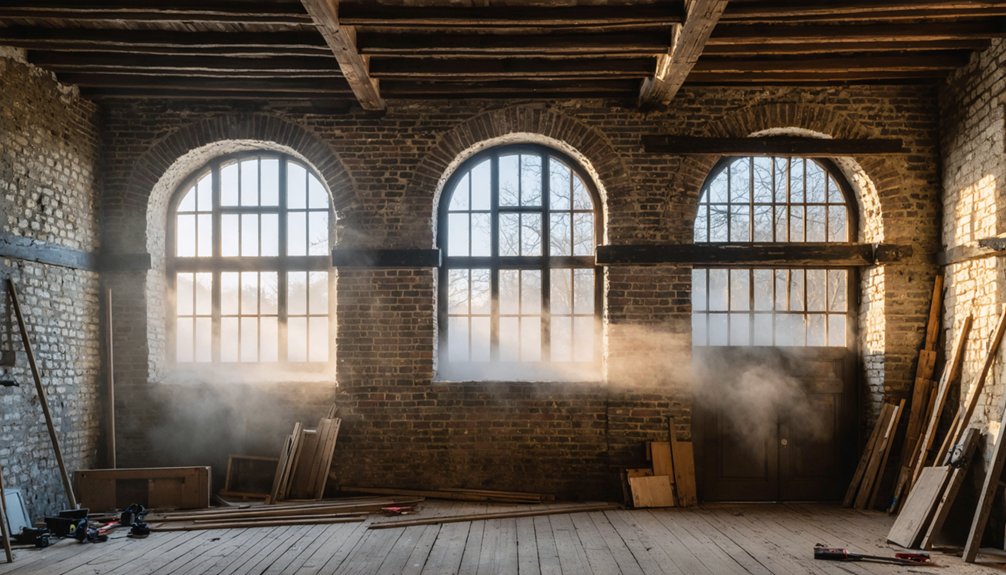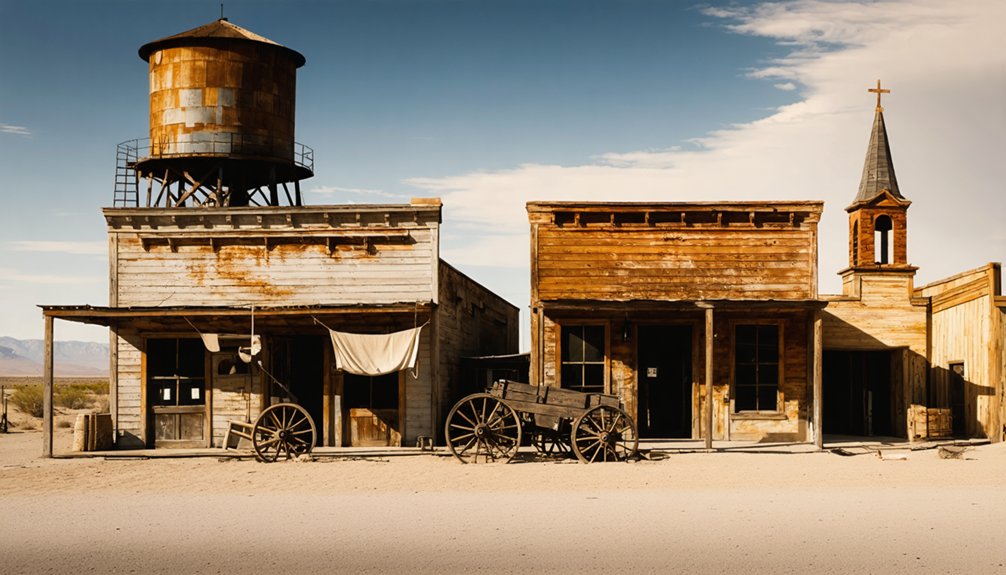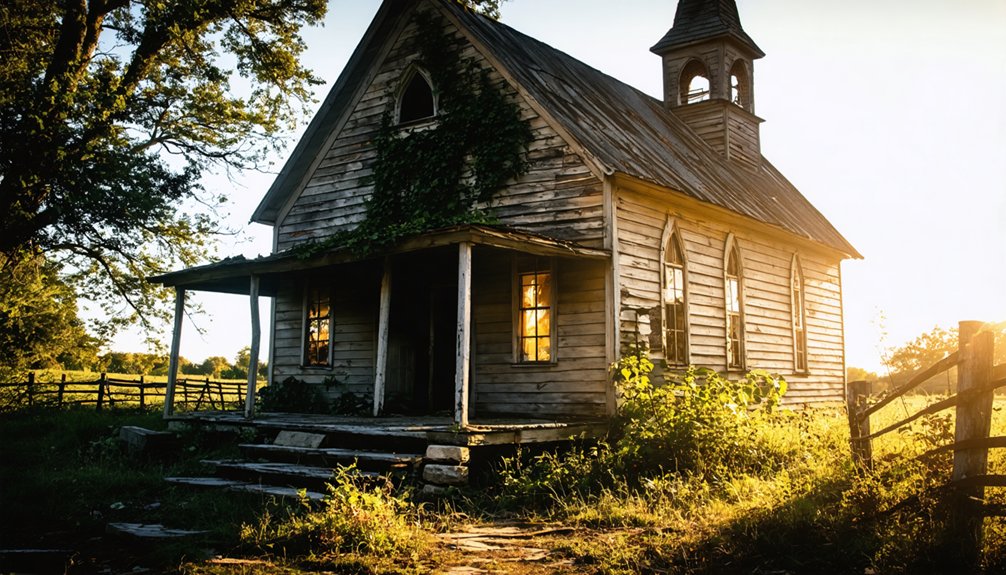
When exploring colonial-era ghost towns, always begin with thorough research using historical societies, land deeds, and period maps to identify significant locations. Prioritize safety by wearing protective gear including sturdy boots, gloves, and helmets while carrying satellite communication devices in remote areas. Document your findings methodically through detailed field notes, in-situ photography, and GPS coordinates without disturbing artifacts. These fundamentals will transform your explorations from casual visits to meaningful historical investigations.
Key Takeaways
- Research colonial history through local archives, land deeds, and historical maps before exploring any ghost town sites.
- Always bring safety equipment including sturdy boots, gloves, helmet, and respirator for protection against structural hazards.
- Inform someone of your exploration plans and carry satellite communication devices when visiting remote locations.
- Document findings with photographs, GPS coordinates, and detailed notes without removing or disturbing artifacts.
- Obtain necessary permits and respect legal access restrictions to preserve historical sites for future generations.
Research and Preparation: The Key to Successful Ghost Town Exploration
While starting an exploration of colonial-era ghost towns requires enthusiasm and curiosity, it demands thorough research and methodical preparation before you set foot on these historic grounds.
Begin by consulting local historical societies and university archives for primary sources that reveal the town’s historical significance. Examine land deeds, diaries, and correspondence to understand the settlement’s founding purpose and eventual decline.
Unearth the past through yellowed deeds and faded journals—each document illuminates why these settlements rose and fell.
Cross-reference multiple map sources—from colonial surveys to modern satellite imagery—to precisely locate your destination. Archival resources like digitized newspapers and census data will provide context about the community’s demographics and daily life.
You’ll want to identify key structures beforehand, noting architectural styles that might help date the ruins you’ll encounter. This preparation isn’t just academic—it’ll transform your exploration from mere sightseeing into a meaningful journey through America’s colonial past. Remember that many western sites experienced a pattern of rapid abandonment within just years or decades of their establishment, leaving behind fascinating historical and archaeological records to discover. Pack essential supplies like water, snacks, a first aid kit, and a flashlight to ensure your exploration is both safe and enjoyable.
Essential Equipment and Safety Measures for Colonial Site Visits
Although exploring colonial-era ghost towns offers thrilling historical insights, your safety and well-prepared equipment are non-negotiable prerequisites for a successful expedition. Your essential gear must include sturdy hiking boots with ankle support, heavy-duty gloves, and appropriate clothing that covers exposed skin.
Colonial sites often contain deteriorating structures, making helmets essential for protection against falling debris.
Always adhere to safety protocols by carrying a thorough first aid kit, reliable illumination tools, and navigation equipment including physical maps and compass. Communication planning is important—inform someone of your itinerary and expected return time. Consider using marking chalk to avoid getting lost when exploring larger colonial settlements. Carry a satellite communication device like a Garmin InReach Plus since cell service is typically unavailable in these remote historical areas.
For colonial sites specifically, respirators are indispensable as these locations frequently harbor mold and potentially hazardous building materials.
Remember to research legal access restrictions beforehand and never remove artifacts, preserving these historical treasures for future explorers.
Documenting Your Discoveries While Preserving Historical Integrity
Preserving the historical record of colonial ghost towns requires meticulous documentation techniques that balance thorough recording with minimal site disturbance.
The delicate art of ghost town preservation demands precise documentation methods that honor both history and site sanctity.
As you explore these forgotten places, you’ll need systematic methods to guarantee your discoveries contribute to historical knowledge without compromising site integrity.
When documenting colonial sites, follow these essential practices:
- Maintain detailed field notes with weather conditions, dates, and precise GPS coordinates for accurate site mapping.
- Photograph artifacts in situ before any handling, creating visual documentation of their original context.
- Use standardized forms for artifact cataloging, assigning unique identifiers to each item discovered.
- Employ non-invasive documentation methods like measured sketches and ground-penetrating radar when possible.
Consider how photographers like Michael Bixler capture ideal lighting conditions to properly document historical remnants for posterity.
Always obtain proper permits before conducting research and promptly report significant findings to relevant authorities. Remember that colonial sites like Jamestown have yielded over three million artifacts through careful archaeological practices spanning decades.
Frequently Asked Questions
How Can I Distinguish Between Natural Features and Colonial-Era Foundations?
Like an investigator reading ancient clues, you’ll identify colonial-era foundations by their right-angled, rectangular historical architecture, artifact concentrations, and post holes—distinguishing them from irregular geological formations lacking human-made patterns.
Are Metal Detectors Allowed at Colonial Ghost Town Sites?
Metal detectors are mostly prohibited at colonial ghost town sites. You’ll need to navigate complex historical preservation laws and metal detector regulations, often requiring explicit written permission from landowners or authorities.
What Indigenous Artifacts Might Overlap With Colonial Ghost Towns?
Over 60% of colonial ghost towns contain indigenous pottery, stone tools, or ceremonial items. You’ll discover artifacts of historical significance that reveal complex cultural interactions between Indigenous peoples and settlers.
How Do Seasonal Changes Affect Visibility of Colonial Ruins?
You’ll find ideal colonial photography during leaf-off seasons when deciduous foliage reveals structural outlines. Winter’s low sun accentuates textures, while autumn’s dry conditions enhance seasonal visibility by reducing obscuring underbrush.
Can Colonial Ghost Towns Contain Dangerous Structural Hazards?
Yes, colonial ghost towns present severe structural hazards. You’ll encounter compromised structural integrity in deteriorated buildings with weakened foundations and rotting timber. Always implement rigorous safety precautions before exploring these freedom-rich but dangerous ruins.
Exploring abandoned coastal villages can reveal hidden stories of long-lost communities, once vibrant and filled with life. Decaying homes perched on cliffs tell tales of resilience against the relentless sea, while overgrown paths lead to forgotten harbors. Each step through these eerie landscapes invites contemplation of history and nature’s reclamation.
References
- https://en.wikipedia.org/wiki/Ghost_town
- https://www.scribd.com/document/710637026/Ghost-Town-Thesis
- https://eadteste.fdsm.edu.br/archive-ga-23-24/files?ID=ZNP27-7257&title=ghost-town-definition-us-history.pdf
- https://hiddenbritainse.org.uk/what-i-learned-from-ghost-town-exploration/
- https://www.britannica.com/topic/ghost-town
- https://dot.ca.gov/-/media/dot-media/programs/environmental-analysis/documents/ser/townsites-a11y.pdf
- https://www.life.com/history/ghost-towns-the-places-that-time-forgot/
- https://jasontdunn.com/files/ghost_towns_big_cities.pdf
- https://cdn.bookey.app/files/pdf/book/en/ghost-town-treasures.pdf
- https://redriverhistorian.wordpress.com/tag/ghost-towns-2/