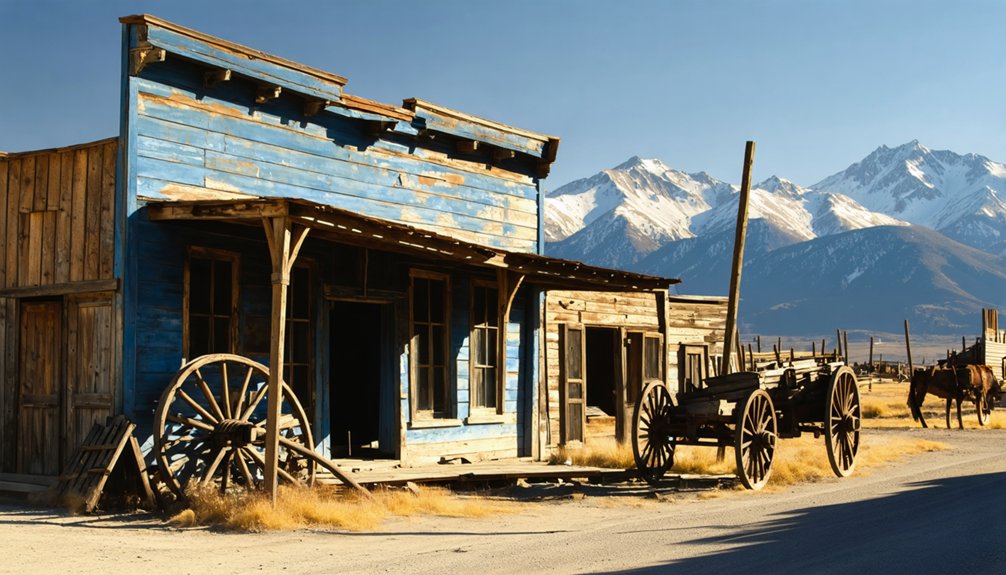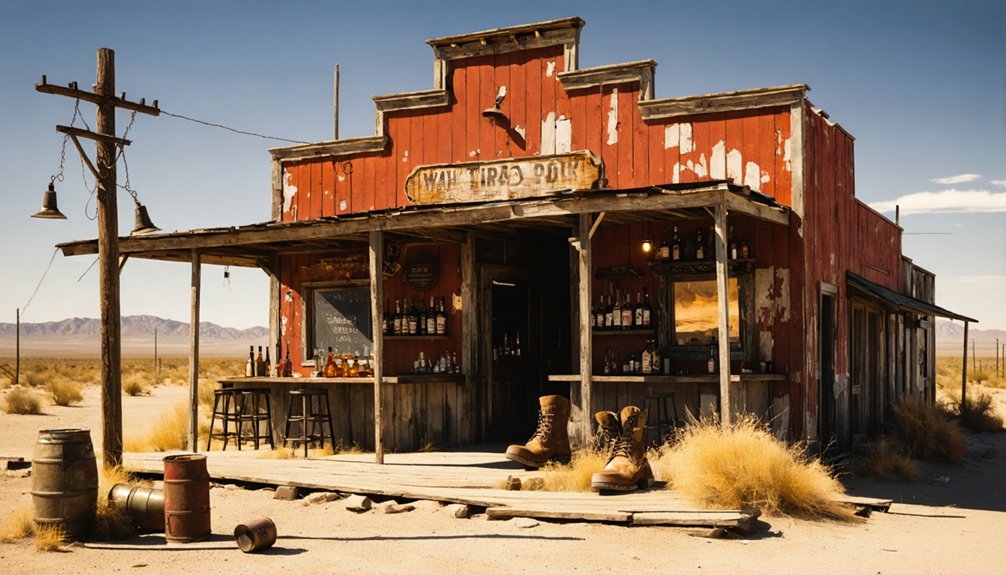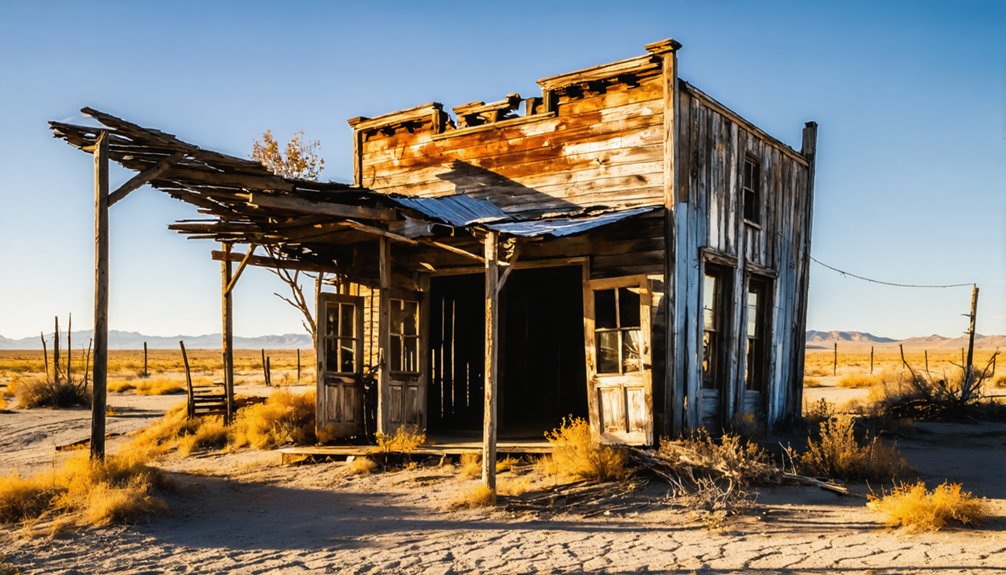
When touring abandoned Western cities, prioritize visits to preserved towns like Bodie and Virginia City between May and October. Pack safety gear including respirators, gloves, and reliable flashlights to navigate structural hazards. Bring wide-angle lenses for architecture shots, planning photography during dawn or dusk for dramatic lighting. These settlements, abandoned due to resource depletion or transportation shifts, offer a haunting glimpse into frontier life that awaits beyond their weathered doorways.
Key Takeaways
- Famous ghost towns like Bodie, Virginia City, and Calico offer well-preserved glimpses into Western history.
- Most ghost towns operate between May 15 and October 15, with summer offering ideal conditions.
- Bring safety gear including sturdy footwear, respirators, flashlights, and navigation tools when exploring.
- Dawn and dusk provide optimal lighting for photography, with wide-angle lenses best for capturing structures.
- Preservation efforts through community partnerships help maintain these historical sites for visitors.
The Gold Rush Legacy: Most Famous Ghost Towns Worth Visiting

Why do abandoned mining settlements continue to captivate travelers? These silent witnesses to America’s westward expansion offer unparalleled ghost town photography opportunities while preserving authentic mining town history in their weathered facades.
Bodie, California stands as the quintessential ghost town, frozen in “arrested decay” with over 200 original buildings.
In Virginia City, Nevada, you’ll discover the legendary Comstock Lode‘s legacy amid Victorian architecture.
Coloma marks the exact spot where James Marshall’s 1848 discovery ignited California’s Gold Rush fever, while nearby Placerville (once ominously named “Hangtown”) served as an essential supply hub.
Calico, established in 1881 and abandoned by 1907, offers visitors a glimpse into the rise and fall of borax mining operations that once sustained thriving communities.
For dramatic desert ruins, Rhyolite, Nevada showcases the fleeting nature of boom-and-bust settlements, and Bannack, Montana preserves over 60 historic structures from its days as territorial capital.
The remote Kennecott, Alaska offers visitors a glimpse of what was once the richest copper site in the world, with its impressive mill perched dramatically on a cliff.
While ghost towns offer fascinating glimpses into America’s past, they conceal numerous dangers that demand serious caution from visitors. Abandoned buildings frequently harbor collapsing floors, walls, and ceilings that can give way without warning.
Ghost towns may fascinate, but their crumbling structures pose serious hazards to unwary explorers.
You’ll face invisible threats too—toxic substances like lead, asbestos, and mold lurk throughout these structures, potentially causing serious respiratory and neurological damage.
Fire risks are substantial, with many abandoned settlements experiencing dozens of structural fires annually. Environmental hazards extend beyond buildings to contaminated soil and water sources.
Be particularly vigilant about your surroundings, as these locations attract criminal activity; violent crime increases by 19% within 250 feet of vacant properties. According to research, crime risk tends to peak after 12-18 months of building vacancy. Standing water in these abandoned sites often breeds disease-carrying insects that pose additional health risks to explorers. Always inform someone of your whereabouts before exploring, and never venture into these historical remnants alone.
Photography Tips for Capturing Haunting Western Ruins
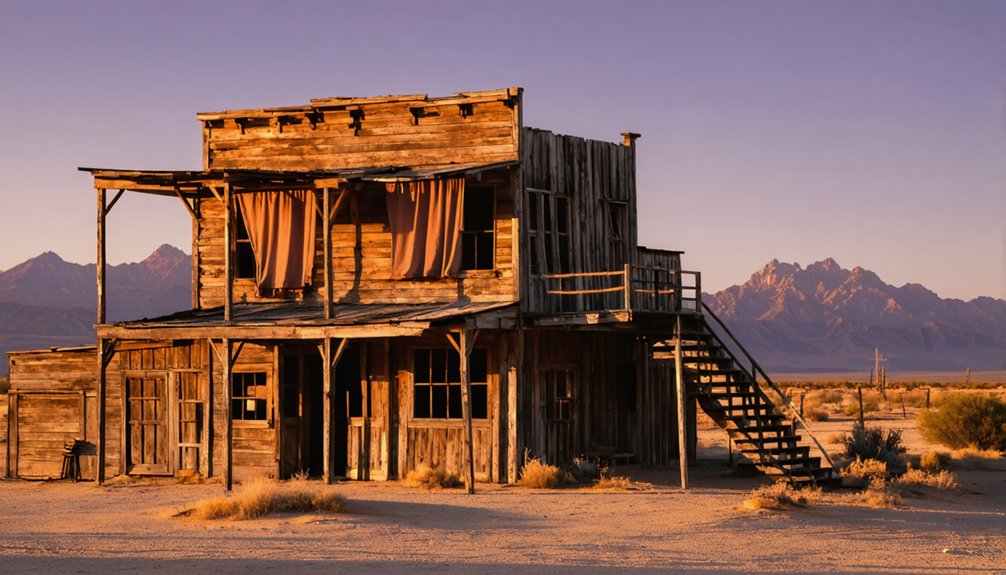
When light filters through a crumbling saloon window or dust motes dance in shafts of sunset glow, you’re witnessing perfect moments to capture the soul of abandoned Western ruins.
Bracket multiple exposures to handle the extreme contrast between bright exteriors and shadowy interiors.
Wide-angle lenses (10-20mm) showcase entire structures, while macro photography reveals intimate textures of decay.
Consider composition techniques that frame doorways or incorporate window latticing for added depth.
For lighting considerations, dawn and dusk provide naturally diffused illumination that softens harsh shadows. Remember that modern cameras can only capture about 15 stops of dynamic range, unlike the human eye which perceives much more, making exposure choices critical.
Don’t overlook black and white processing to emphasize texture and mood, or try night photography with light painting to create ethereal effects.
A sturdy tripod is essential—set up during the golden hour when oblique light accentuates weathered wood and rusted metal. Always take time for initial exploration of the area before committing to specific shots, as this helps identify the most compelling compositional opportunities.
When to Visit: Seasonal Considerations for Ghost Town Exploration
Timing your ghost town expedition properly can mean the difference between an immersive historical adventure and a frustrating journey cut short by impassable roads or shuttered attractions.
Summer offers ideal conditions with full programming, living history demonstrations, and extended daylight hours, though you’ll contend with summer crowds, especially during weekend events like Garnet Day.
Spring exploration (March-May) delivers mild temperatures and increasingly accessible roads as snow melts, though some facilities operate limited hours. In Bannack, Montana, visitors can explore the Hotel Meade with its original wallpaper and distinctive curving staircase.
Fall tranquility (September-November) provides similar advantages with fewer visitors and spectacular hiking conditions. At Virginia City, the historic railroad tours continue to operate through early fall, offering visitors a unique perspective of the surrounding landscape.
Winter challenges are substantial—expect impassable roads requiring specialized equipment like snowmobiles, plus closed facilities and limited services.
Most ghost towns officially operate May 15-October 15, making summer and fall your safest bets for a rewarding experience.
Understanding the History: Why These Towns Were Abandoned
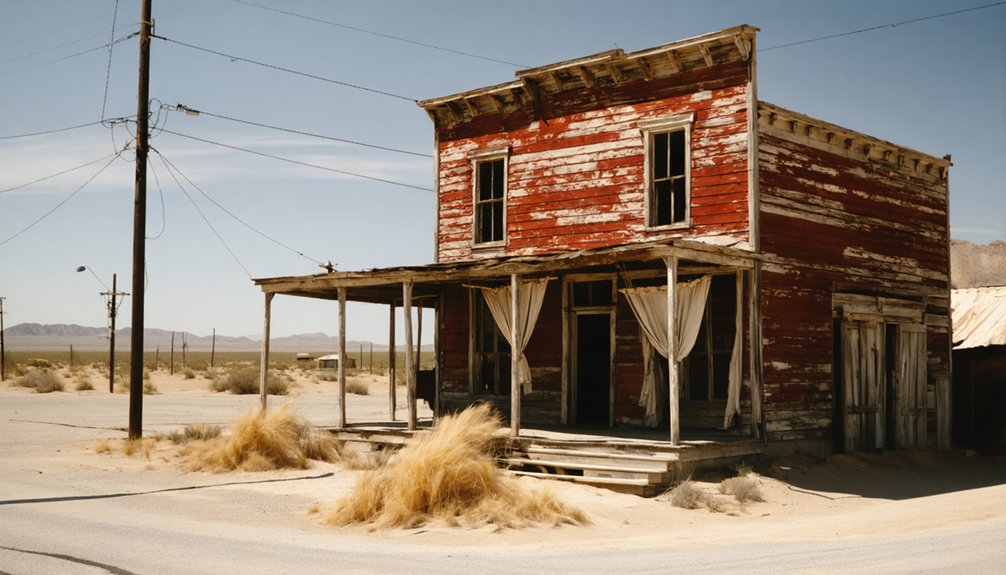
Behind every weathered façade and crumbling foundation of the American West’s ghost towns lies a complex story of human ambition, economic vulnerability, and historical circumstance.
As you wander these abandoned settlements, understanding their economic impact and historical significance enriches your experience. Many boomtowns from the mid-to-late 1800s became ghost towns after mines were exhausted.
These once-thriving communities vanished for four primary reasons:
- Resource depletion – When gold, silver, or timber ran out, the economic foundation collapsed.
- Transportation shifts – New railroads and highways bypassed established towns, strangling commerce.
- Environmental challenges – Floods, droughts, and harsh conditions drove settlers to more hospitable locations.
- Single-industry dependence – Towns relying solely on mining or logging couldn’t adapt when markets changed.
Today, some of these abandoned towns have found new life through heritage tourism, allowing visitors to experience their historical significance while contributing to preservation efforts.
These abandoned places offer you more than just photo opportunities—they’re physical reminders of boom-and-bust cycles that shaped America’s westward expansion.
What to Pack: Essential Gear for Ghost Town Adventures
Properly preparing for ghost town exploration can mean the difference between an unforgettable adventure and a dangerous predicament. Your gear recommendations should start with a durable, water-resistant backpack featuring external pouches and attachment points for specialized equipment.
Pack at least two reliable light sources—a bright LED flashlight and headlamp—with backup batteries.
Don’t compromise on personal protection: respirators shield against toxic particles, while sturdy gloves, helmets, and safety glasses guard against physical hazards.
Navigation demands both traditional tools (maps and compass) and modern technology (offline GPS apps), while two-way radios guarantee communication where cell service fails.
Smart packing strategies include using external clips for frequently needed items and waterproof compartments for sensitive documentation equipment.
Modern Ghost Towns in the Making: Economic Decline in Western Cities

As you explore the once-thriving urban centers of the West, you’ll encounter Paradise, Nevada and New Braunfels, Texas, where population declines exceeding 25% have left neighborhoods eerily vacant.
Former industrial powerhouses like Gary, Indiana illustrate the devastating aftermath of manufacturing collapse, with over 30% of homes abandoned and infrastructure crumbling.
The exodus from these modern ghost towns continues as rising crime rates, failing public services, and economic stagnation push remaining residents toward more stable communities.
Urban Vacancy Crisis
While tourists flock to century-old ghost towns for their historical charm, a modern vacancy crisis silently alters parts of today’s Western cities into their contemporary counterparts.
You’ll witness urban decline firsthand where economic stagnation meets housing shortages in a paradoxical landscape—areas with abandoned buildings alongside neighborhoods with virtually no vacancies.
When exploring these emerging ghost districts, note these contrasting realities:
- Low rental vacancy rates (7.1% nationally) alongside commercial districts with emptying office buildings
- Housing value-to-income ratios skyrocketing (Spokane at 7.17%), making neighborhoods unaffordable for locals
- Construction delays and rising costs preventing revitalization where it’s most needed
- Middle and high-income areas experiencing severe housing shortages while low-income areas show surpluses
You’re witnessing economic transformation in real-time, before history formally records these changes.
Manufacturing Town Exodus
The economic heartbeat of Western manufacturing towns has dramatically slowed over three decades, leaving behind skeletal communities you’ll find hauntingly reminiscent of their 19th-century ghost town predecessors.
As you travel through once-thriving industrial centers, you’ll witness the stark reality of manufacturing decline – California alone lost nearly 700,000 factory jobs since 1990.
Your journey through coastal metropolises reveals even recent wounds, with Los Angeles shedding 40,000 manufacturing positions since 2019.
The timber towns of Oregon and Washington tell a particularly poignant story, where hundreds of mills have vanished despite increased harvests.
This job migration hasn’t meant company extinction but transformation, as firms pivot to services while abandoning their industrial roots.
These half-empty communities offer you glimpses of America’s shifting economic landscape.
Guided Tours vs. Self-Exploration: Choosing Your Adventure Style
When planning your ghost town adventure, you’ll encounter numerous guided tour packages offering historical narratives, safety gear, and transportation to these abandoned settlements.
Some experiences focus specifically on haunted sites in ghost towns, allowing you to delve deeper into the eerie legends and ghost stories that permeate these desolate areas. Many tours even include nighttime excursions, heightening the thrill of exploring these abandoned places under the cover of darkness. Whether you’re a paranormal enthusiast or just curious, there’s an adventure waiting for you in the shadows of history.
If you prefer self-exploration, you must equip yourself with essential safety items like sturdy boots, first aid supplies, detailed maps, and emergency communication devices.
Your choice between structured tours or independent wandering will shape your experience, with each approach offering distinct advantages in how you’ll connect with these haunting remnants of the American West.
Tour Packages Overview
Exploring abandoned Western cities demands a crucial first decision: will you join a guided tour or forge your own path through these weathered remnants of the past?
Tour package types range from day trips to multi-day adventures, with specialized themes like Wild West history or paranormal experiences.
Guided tour inclusions typically offer:
- Expert local guides sharing stories you won’t find in guidebooks
- Access to restricted sites with necessary permits and specialized vehicles
- Transportation, entry fees, and occasional meals depending on the package
- Safety and navigation in remote areas
Self-guided exploration grants complete freedom to customize your journey and linger where your curiosity takes hold, often at lower cost.
Consider your budget, desired depth of historical information, physical abilities, and whether you crave social interaction or solitary contemplation before choosing your ghost town adventure style.
Self-Guided Safety Essentials
While guided tours offer convenience and expert knowledge, self-guided exploration of abandoned Western cities requires meticulous preparation and safety awareness. Before starting your adventure, outfit yourself with sturdy hiking boots, heavy-duty gloves, and weather-appropriate clothing that covers exposed skin.
Essential safety protocols for self-guided exploration include carrying a first aid kit, flashlight, and communication devices with backup power. Share your detailed route plans with trusted contacts, including expected return times.
Navigate using offline maps and assess structural integrity before entering any building—remember that floors are strongest near walls. Stay vigilant for environmental hazards like mold, mining contaminants, and unstable ground.
Most importantly, verify legal access to avoid trespassing charges. Many seemingly abandoned locations remain private property or require permits for legitimate entry.
Preservation Efforts: How Historical Societies Maintain These Time Capsules
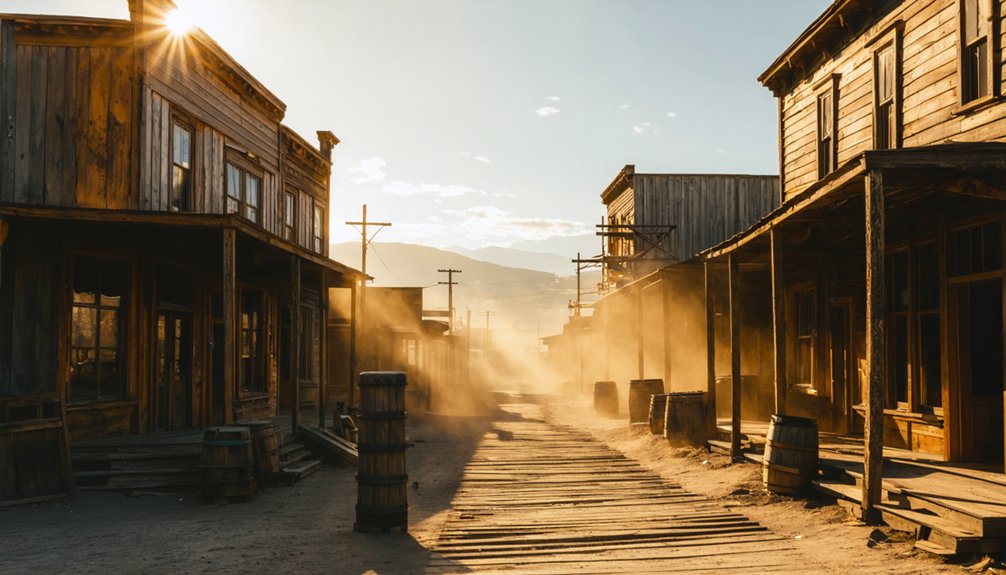
As you stand before the weathered storefronts of a once-bustling mining town, you’re witnessing the fruits of countless preservation efforts happening behind the scenes.
Historical preservation thrives on community partnerships between national organizations, local historical societies, and grassroots groups who safeguard these time capsules.
Your visit supports ongoing maintenance that includes:
- Structural stabilization and hazard mitigation performed by skilled volunteers
- Documentation through inventories and archaeological surveys that prioritize restoration needs
- Regular maintenance like debris removal and monitoring for environmental threats
- Integration of educational elements that tell authentic stories of the West
Behind every preserved ghost town you’ll explore, there’s a network of dedicated organizations securing diverse funding—from federal grants to tourism revenue—ensuring these fragile windows into our frontier past remain standing for your discovery.
Frequently Asked Questions
Are Ghost Towns Legally Accessible at Night for Stargazing?
Under starlit skies, you’ll need explicit permission. Most ghost towns remain private property. Don’t risk trespassing charges—seek official access, follow safety precautions, and bring permits for night photography adventures.
Can I Bring My Pet When Exploring Abandoned Mining Towns?
Yes, you can bring leashed dogs to most abandoned mining towns. Remember pet safety by bringing vaccination records and following travel regulations like keeping your pup controlled during gold panning activities.
Do Any Ghost Towns Have Operational Hotels or Overnight Accommodations?
Looking to step back in time? You’ll find authentic ghost town accommodations in Shaniko’s reopened hotel, Silver City’s Idaho Hotel, Goldfield’s historic lodgings, and Terlingua’s Holiday Hotel—all offering unique historic hotel experiences.
Are Metal Detectors Allowed at Western Ghost Town Sites?
Generally no. You’ll find strict metal detector regulations at most ghost towns due to historical artifact preservation laws. Always secure written permission and check federal, state, and local restrictions before detecting.
How Do Local Indigenous Communities View Tourism at Abandoned Settlements?
80% of indigenous communities favor tourism only when it’s community-managed. You’ll find tribes prioritize cultural preservation over economic impact, seeking partnerships that respect sacred spaces and provide meaningful compensation for their knowledge.
References
- https://www.loveexploring.com/gallerylist/131658/abandoned-in-the-usa-92-places-left-to-rot
- https://themortgagepoint.com/2024/10/25/americas-new-ghost-towns/
- https://www.youtube.com/watch?v=1nPDEJ80XvY
- https://www.youtube.com/watch?v=28OGIgtYXes
- https://www.frrandp.com/p/ghost-towns-map.html
- https://www.youtube.com/watch?v=hS27BhfMojc
- https://www.loveproperty.com/gallerylist/83211/modern-ghost-towns-where-noone-lives
- https://en.wikipedia.org/wiki/Lists_of_ghost_towns_in_the_United_States
- https://abandonedok.com
- https://travelhost.com/news/these-are-the-best-abandoned-spots-to-explore-in-2025