utul
Key Takeaways
- Economic decline has led to a 46% drop in home values and severe job losses, making these areas financially unstable and unattractive.
- High vacancy rates of 16-21% create a “ghost town” effect, deterring new residents and causing surrounding property values to plummet.
- Rising property taxes combined with 7% mortgage rates freeze the housing market and make homeownership increasingly difficult.
- Deteriorating infrastructure and utilities create unsustainable costs for remaining residents, forcing more people to relocate.
- Geographic isolation limits access to essential services, while natural hazards and poor public transit make these areas less livable.
The Hidden Economic Decline Behind Empty Streets
While southern suburbs once thrived with economic promise, they’re now experiencing an unprecedented decline in development projects that’s emptying their streets.
You’ll find just 171 new economic projects through early August 2025, down dramatically from the usual 318 – marking the worst numbers in three decades. This economic stagnation runs deeper than typical recession patterns, suggesting fundamental problems in these communities.
The automotive sector shutdown has dealt a severe blow to these suburban economies.
Many communities are seeing Hispanic workers relocate from neighboring states, yet the underlying economic challenges persist.
You’re witnessing the impact of mounting regulatory barriers that choke off growth, particularly in housing development.
Excessive regulations and bureaucratic hurdles have created a stranglehold on growth, severely limiting new housing and development opportunities.
Where these suburbs once offered abundant land and minimal red tape, you’ll now encounter strict zoning laws and lengthy permit processes that stifle expansion.
The resulting housing shortages discourage newcomers and limit workforce availability, creating a downward spiral that’s transforming vibrant communities into modern ghost towns.
Migration Patterns Reshaping Southern Suburbs
Despite the economic decline plaguing many southern suburbs, a dramatic shift in migration patterns is breathing new life into communities near major metropolitan areas.
The Southern metro area of Dallas has experienced massive population growth, with over 152,000 residents moving to the region last year. Zero state income tax makes Florida and Texas particularly attractive destinations for those seeking financial advantages.
You’ll find a stark contrast between thriving suburbs connected to growing cities and isolated ghost towns struggling to attract new residents. Migration motivations center around affordability, climate, and post-pandemic work flexibility, reshaping suburban demographics across the South.
- Remote work opportunities have accelerated the exodus from expensive urban cores to affordable suburban locations.
- Prime working-age adults (25-54) are settling in suburbs with strong metro connections.
- Communities near Atlanta, Dallas, Houston, and North Carolina metros attract the most newcomers.
- Housing availability and cost advantages drive migration to outer suburbs, though isolated areas remain challenged.
The Ripple Effect of Crumbling Infrastructure
When you drive through these once-thriving southern suburbs today, you’ll notice the cracked asphalt and potholes that make local roads increasingly impassable.
You’re seeing the results of declining tax revenues that leave towns unable to afford basic road repairs, while aging water and power systems require more maintenance than the remaining residents can support. Basic services like public transit and utilities become harder to maintain as populations shrink.
These infrastructure failures create a downward spiral, as deteriorating roads and unreliable utilities force even more families to relocate, further shrinking the tax base needed for essential repairs. The struggle to maintain critical infrastructure has led to 26 rural hospitals closing in Texas alone, further accelerating the exodus from these communities.
Roads Fall Apart
As Southern suburban towns face dwindling tax revenues, their aging roads and bridges have begun to crumble under the weight of neglect.
You’ll find road safety compromised by spreading potholes and dangerous cracks, while the maintenance budget continues to shrink. Your community’s future hangs in the balance as infrastructure deterioration accelerates. Cities in Alabama and Georgia are already showing signs of population loss, making infrastructure recovery even more challenging. Ghost town experts emphasize these patterns as stark reminders of America’s infrastructure challenges.
- Your local roads are deteriorating faster than they’re being repaired, creating hazardous conditions for daily commutes.
- The maintenance backlog grows larger each year as funding shifts to urban centers.
- Critical transportation routes that once connected thriving communities now threaten to isolate them.
- Your neighborhood’s accessibility diminishes as damaged roads force detours and slow emergency response times.
These failing roads tell a story of communities at risk of becoming tomorrow’s ghost towns, where each passing season brings new challenges to your mobility and safety.
Utilities Become Too Expensive
While your southern suburban town once thrived on affordable utilities, the mounting costs of maintaining aging infrastructure now threaten to empty your neighborhood.
You’re watching utility bills skyrocket as aging water pipes break and electrical systems strain to serve sprawling developments. Infrastructure investment hasn’t kept pace with the wear and tear, forcing you to pay double what city dwellers do for basic services.
Sound economic reasons would have motivated businesses and residents to stay, but deteriorating utilities make it impossible to justify remaining in the area.
The impact on utility affordability creates a vicious cycle: as your neighbors move away, fewer residents remain to share the burden of maintenance costs.
Just as in Jackson’s water crisis, failing infrastructure creates a ripple effect of resource conflicts and community deterioration that drives more residents to relocate.
Each departure triggers another rate hike, pushing more families to leave. Your property value drops while municipal tax revenues shrink, leaving even less funding to fix failing systems.
What started as an infrastructure problem has become an exodus catalyst.
Housing Market Collapse and Property Abandonment
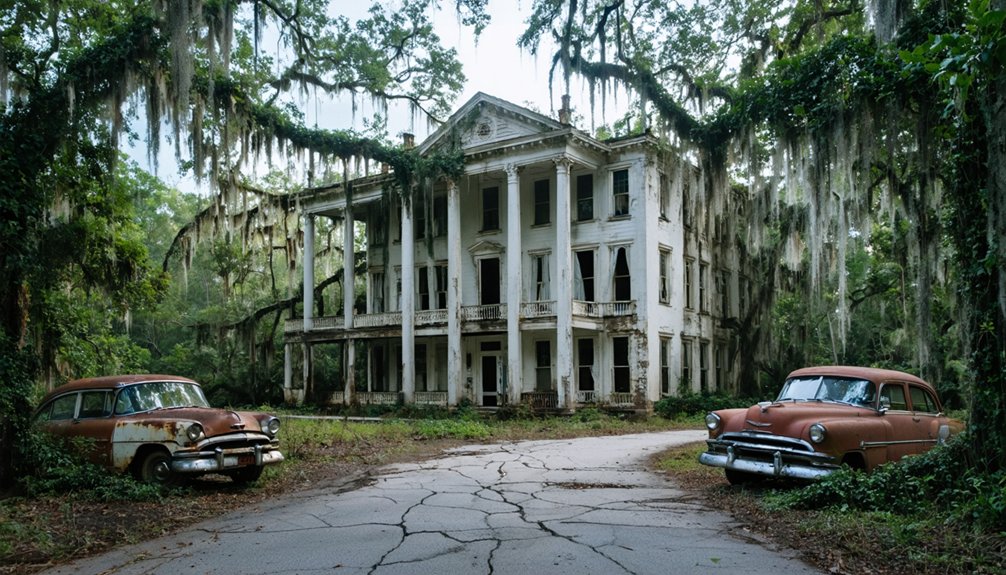
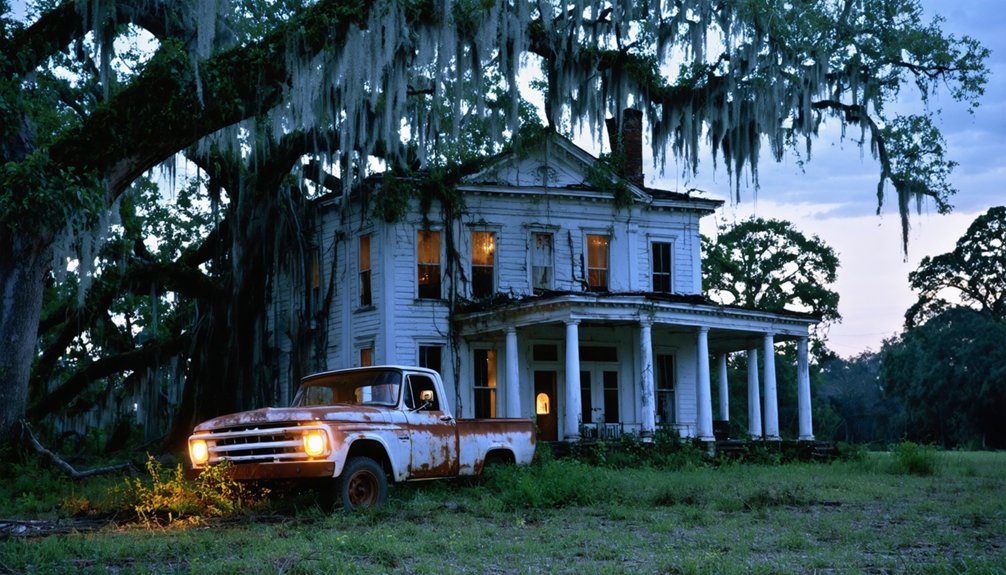
If you’re driving through Southern suburban neighborhoods today, you’ll notice streets lined with abandoned homes sporting foreclosure notices and overgrown lawns – a stark reminder of plummeting property values that have left many developments looking like ghost towns.
You’ll find entire blocks where “zombie foreclosures” have taken hold, with homes sitting vacant for years after their owners walked away from mortgages worth more than their properties.
These empty houses, many now worth less than half their peak values, create spreading blight that drives even more residents to abandon their investments, accelerating the cycle of neighborhood decline.
Plummeting Home Property Values
Southern suburban communities have witnessed a devastating collapse in home values, with many ZIP codes reporting median prices as low as 46% of their state averages. Heavy property tax burdens and housing market stagnation have created a downward spiral, pushing more homeowners to abandon their properties or sell at deeply discounted prices.
- You’ll find entire neighborhoods where home values have plummeted due to population losses exceeding 17% in just a decade.
- Your property tax costs keep rising while home values decline, making it harder to maintain ownership.
- You’re seeing mortgage rates around 7% freeze the market, preventing new buyers from entering.
- Your community’s vacant homes (often 16-21% of housing stock) create a “ghost town” effect that further depresses local market values.
Zombie Foreclosures Spread Rapidly
As foreclosure rates climb steadily across suburban neighborhoods, you’ll notice a troubling surge in zombie properties – homes abandoned during the foreclosure process that create devastating ripple effects.
The latest zombie trends show over 7,500 homes sitting vacant nationwide, with some Southern states seeing dramatic spikes in abandonment rates.
You’ll find these ghost properties clustering in specific zip codes, where up to 80% of foreclosed homes stand empty.
The impact hits hardest in states like Oklahoma and Alabama, where investor-owned vacancy rates hover near 6%.
While zombie foreclosure rates represent just one in every 14,668 homes nationally, their concentration in suburban communities is transforming once-thriving neighborhoods into distressed zones.
Watch for warning signs in areas with high numbers of investor-owned properties, as they’re most vulnerable to abandonment when rental markets struggle.
Vacant Houses Create Blight
Vacant houses cast long shadows over suburban neighborhoods, spawning a destructive cycle of blight that accelerates community decline. You’ll find these ghost properties haunting Southern suburbs at alarming rates, with zombie foreclosures surging by over 50% in North Carolina, South Carolina, and Texas.
Without immediate blight mitigation efforts, your community faces severe consequences.
- Property values plummet 10-20% when vacant homes deteriorate nearby
- Your local tax revenues shrink as abandoned properties go unpaid
- Municipal services strain under increased maintenance costs
- New investment dries up, making community revitalization harder
The impact spreads like wildfire through your neighborhood – about 1.3% of all homes sit vacant nationally, with higher concentrations in Southern regions.
Investor-owned properties account for over 882,000 of these empty dwellings, creating persistent market instability that’s tough to escape.
Social Isolation and Community Breakdown
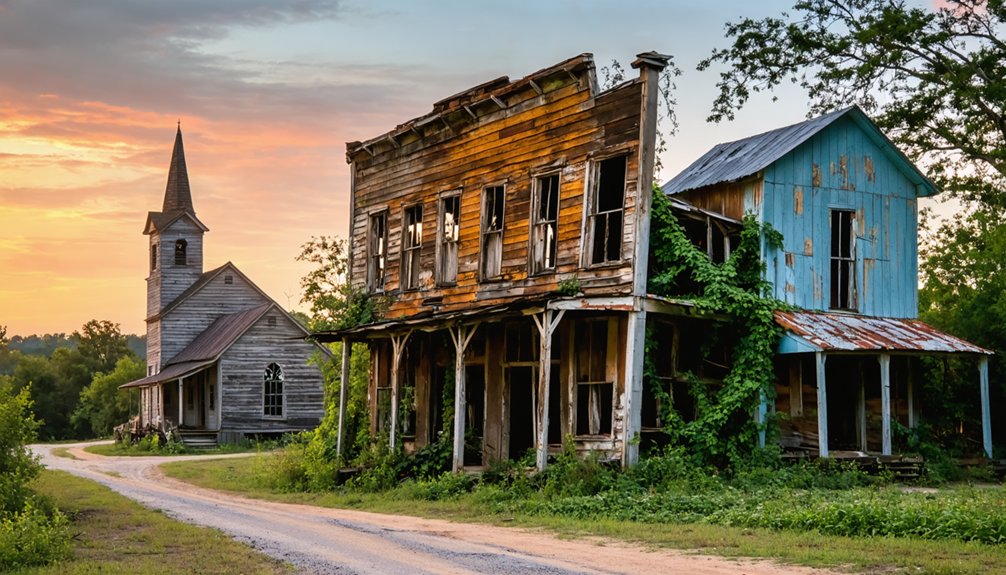
Many once-vibrant suburban communities have transformed into socially barren landscapes, where shuttered storefronts and vacant community spaces tell the story of widespread isolation.
You’ll find former social hubs – supermarkets, pubs, and community centers – now standing empty, leaving residents with fewer opportunities for social engagement. The impact hits hardest on the elderly, women, and children who’ve lost their gathering spots.
As younger residents flee to more dynamic areas, you’re witnessing the collapse of community resilience.
The departure of major employers triggers a domino effect: schools close, hospitals relocate, and social ties unravel.
What’s left is a thinning population dealing with reduced informal surveillance and fewer neighborly interactions, creating a cycle of disconnection that’s especially pronounced in southern suburban settlements.
Geographic Disadvantages and Regional Challenges
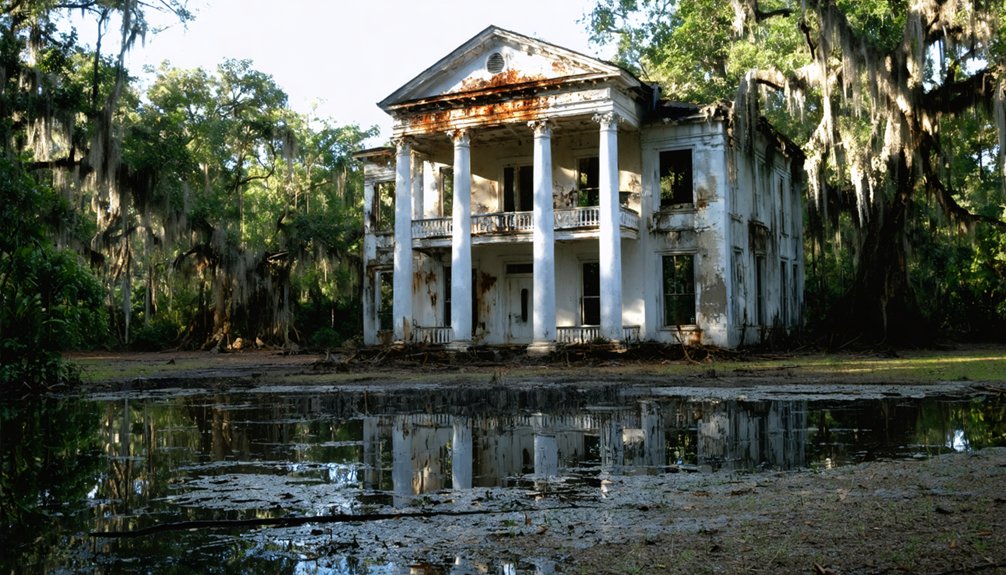
While geographic isolation once protected small suburban communities, it now hastens their decline across the southern United States.
This shift is influenced by various southern suburban housing decline factors, including economic downturns and demographic changes that push residents to urban centers. As employment opportunities dwindle and public services become scarce, more families seek the vibrancy and accessibility of city life. Consequently, the once-thriving suburbs face increasing vacancy rates and declining property values.
You’ll find these towns struggling against both geographic barriers and environmental challenges that make daily life increasingly difficult. The distance from major highways and employment centers creates a constant strain, while harsh climate conditions and natural disasters pose ongoing threats to stability.
- You’re cut off from essential services – emergency response times are longer, healthcare facilities are distant, and educational opportunities are limited.
- You’re dependent on cars due to poor walkability and lack of public transit.
- You’re facing higher costs for basic needs due to transportation challenges.
- You’re exposed to environmental hazards like floods, tornadoes, and droughts.
These geographic disadvantages create a cycle of decline that’s tough to break.
The Missing Link: Job Opportunities and Industry Loss
The loss of manufacturing jobs stands as the driving force behind southern suburban decline, compounding the hardships of geographic isolation.
You’ll find once-thriving factory towns now struggling with 20-40% job losses, as major plant closures trigger a domino effect of business shutdowns.
While job retraining programs exist, they’ve failed to match the stability and benefits that manufacturing positions once provided.
Industry diversification strategies haven’t gained enough traction to offset these losses.
You’re seeing workers shift to service sector jobs, facing an average 19.2% drop in living standards.
Without new high-value employers moving in, these communities can’t sustain their populations.
Young families move away, leaving behind aging infrastructure and empty storefronts.
The tax base shrinks, making it harder to fund the very improvements needed to attract new businesses.
Frequently Asked Questions
Can Ghost Towns Be Revitalized Through Tourism and Historical Preservation Initiatives?
Where there’s a will, there’s a way – you can revitalize ghost towns through heritage tourism and cultural preservation initiatives, creating vibrant destinations that honor the past while generating economic opportunities in these historic settlements.
How Do Natural Disasters Affect the Formation of Suburban Ghost Towns?
You’ll find that natural disasters devastate suburban communities through repeated flooding, wildfires, and coastal erosion, forcing residents to abandon their homes while economic decline prevents rebuilding and resettlement of these areas.
What Role Do Local Politics Play in Suburban Town Abandonment?
You’ll watch your suburb crumble when local governance fails through political apathy, tax mismanagement, and refusal to cooperate regionally. Poor leadership drives residents away, leaving ghost towns in their wake.
How Do Ghost Towns Impact Surrounding Property Values in Neighboring Communities?
You’ll find nearby property markets suffering severe economic decline, with your home values dropping up to 9% if you’re within 500 feet of abandoned areas, creating rippling financial losses across neighboring communities.
Do Seasonal Residents Help Maintain Ghost Towns During Off-Peak Months?
You’ll find seasonal residents rarely provide consistent maintenance during off-peak months. Their limited community engagement and extended absences actually contribute to deterioration, leaving ghost towns vulnerable when they’re away for long periods.
References
- https://www.texastribune.org/2024/11/14/texas-population-changes-rural-urban/
- https://247wallst.com/housing/2024/04/11/americas-modern-ghost-towns-2/
- https://www.accuweather.com/en/weather-news/many-cities-across-the-united-states-could-become-ghost-towns-by-2100/1613392
- https://www.youtube.com/watch?v=hS27BhfMojc
- https://www.youtube.com/watch?v=HS-FP_iDByo
- https://www.youtube.com/watch?v=uJyS1oGo_lk
- https://sb-d.com/index.php/news/article/1041
- https://milkeninstitute.org/sites/default/files/2025-01/2025BestPerformingCitiesMappingEconomicGrowthUS011525.pdf
- https://eyeonhousing.org/2025/08/americas-housing-supply-crisis-is-the-suburban-frontier-closing/
- https://davisvanguard.org/2025/07/us-missing-15-million-homes/