You’ll find Victorian-era settlements preserved across America through a combination of natural geographic barriers and dedicated preservation efforts. The Appalachian Mountains and coastal features created natural protective boundaries, while inclusion in the National Register of Historic Places provides legal safeguards and financial incentives for restoration. Local zoning laws, preservation ordinances, and community values work together to maintain these architectural treasures. The intricate details and lasting craftsmanship of these settlements reveal fascinating stories of 19th-century innovation.
Key Takeaways
- Natural barriers like mountains, forests, and coastlines provided geographic isolation that protected Victorian settlements from modern development.
- Historic district designations and preservation ordinances enforce strict regulations on demolition and alterations to maintain architectural authenticity.
- National Register status provides tax incentives and grants, encouraging property owners to preserve rather than demolish Victorian buildings.
- Local zoning laws and overlay zones specifically protect Victorian neighborhoods by controlling development and maintaining historic character.
- Strong community values and heritage tourism revenue create economic incentives to preserve Victorian-era settlements intact.
Geographic Protection and Natural Barriers
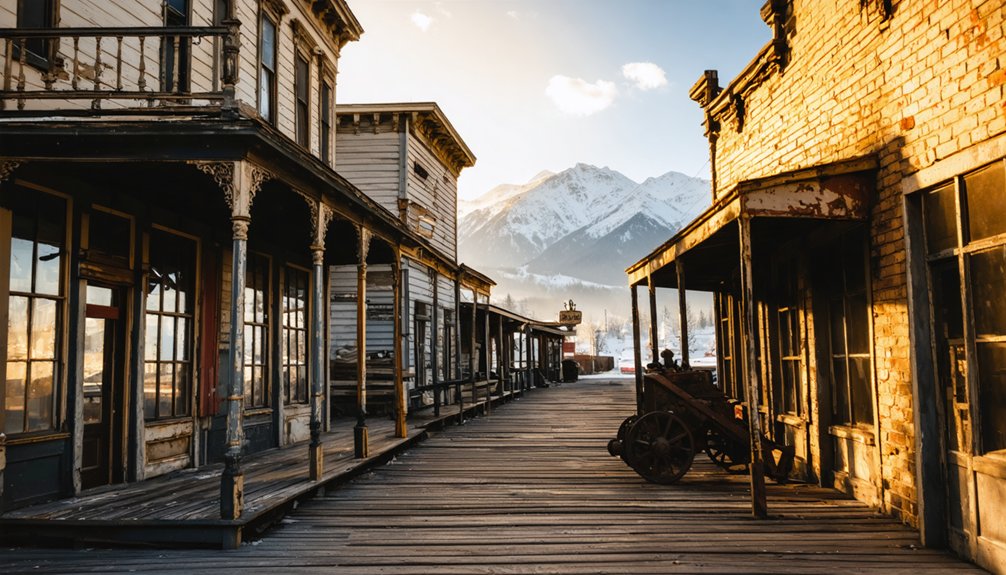
While Victorian-era settlements spread across America’s eastern regions during the 19th century, natural barriers played a crucial role in their preservation.
You’ll find many of these untouched communities nestled between the Appalachian Mountains and coastal cliffs, where geographic isolation protected them from rapid industrialization and urban sprawl.
The dense forests, wetlands, and irregular shorelines created natural boundaries that discouraged extensive development beyond the original town limits.
Nature’s own defenses – thick woodlands, marshy terrain, and winding coasts – formed living walls that contained these historic settlements within their original footprint.
You can still see how these settlements adapted to the terrain, with buildings positioned strategically on higher ground away from flood-prone areas.
The rugged topography of mountains and valleys formed protective pockets where Victorian architecture flourished undisturbed.
These natural barriers effectively created sanctuaries where time stood still, preserving the authentic character and architectural integrity of these 19th-century communities.
Before widespread railroad transportation, these settlements were primarily established near navigable waterways, which further contributed to their isolation and preservation.
The New England towns exemplified planned development through concentrated villages that allocated land parcels through collective community decisions.
Heritage Recognition and Historic Status
You’ll find Victorian-era settlements across America benefit immensely from their inclusion in the National Register of Historic Places, which provides essential tax incentives and preservation grants for property owners.
Historic district designations protect entire neighborhoods of Victorian architecture through local preservation ordinances and design guidelines that regulate alterations, additions, and demolitions.
These protected districts, from San Francisco’s Painted Ladies to Savannah’s Historic District, maintain their period authenticity through landmark status while allowing for carefully regulated adaptive reuse of historic structures. In Leadville, Colorado, the Tabor Opera House stands as a prime example of preservation efforts helping maintain the architectural heritage of America’s highest incorporated city. Natchez exemplifies this preservation success with its thousand registered structures, showcasing one of the largest collections of antebellum architecture in the South.
National Register Benefits
Designation on the National Register bestows prestigious recognition and tangible benefits upon Victorian-era settlements.
You’ll find that this coveted status opens doors to substantial tax incentives, including a 20% federal investment tax credit for income-producing properties that undergo historically sensitive rehabilitation. Additionally, preservation grants become available to support your restoration efforts, particularly for planning and technical assistance.
Beyond financial advantages, National Register listing heightens your property’s historical significance within the community and influences development decisions in your favor. Property owners with private funding sources maintain complete control over their properties without additional restrictions beyond local regulations. The listing process requires completion of a standard registration form detailing the property’s historical significance.
When federal projects arise, your Victorian property receives special consideration during planning phases. You’ll also benefit from increased heritage tourism opportunities, as your property gains visibility through National Park Service promotions and educational programs, potentially generating revenue for ongoing preservation work.
Landmark Status Protection
Building upon the financial advantages of National Register recognition, landmark status protection offers even more extensive safeguards for Victorian-era settlements.
You’ll find that federal, state, and local preservation laws work together to shield these architectural treasures from demolition or inappropriate alterations that could compromise their historic integrity.
The requirement for owner consent can make it difficult to secure protection for entire neighborhoods, and you’ll have to balance preservation with modern development needs.
A certificate of appropriateness must be obtained before making any modifications to these protected structures according to local preservation ordinances.
However, organizations like the Victorian Society in America can help you overcome these hurdles through their advocacy, education programs, and technical support.
The society’s mission to foster public appreciation of Victorian-era artistic expression strengthens preservation efforts across the United States.
They’ll guide you through the process while ensuring your property rights are respected within the framework of preservation laws.
Historic District Preservation
Recognition as a historic district opens crucial preservation techniques that extend far beyond individual landmark status.
You’ll find these districts benefit from substantial financial support through matching grants and tax credits, making restoration financially viable while maintaining architectural authenticity.
When you renovate within these protected areas, you’ll need to follow specific guidelines that preserve Victorian-era characteristics like ornate trim and complex rooflines.
You’re not just preserving buildings – you’re maintaining living history.
These districts generate economic significance through heritage tourism and cultural events, while regulatory frameworks shield your neighborhood from incompatible development.
Through community organizations and historical societies, you’ll participate in a broader movement that balances preservation with practical use, ensuring Victorian settlements remain vibrant, functional spaces that honor their architectural legacy.
Strategic Urban Planning and Preservation Laws
You’ll find that Victorian-era settlements benefit from layered legal protections, including local zoning ordinances that safeguard historic districts from incompatible development and demolition.
Modern design guidelines, grounded in period-accurate architectural standards, guarantee that any modifications or new construction maintain the visual cohesion of these historic neighborhoods.
These regulatory frameworks work in tandem with federal preservation laws like the National Historic Preservation Act, creating a thorough system that shapes growth while preserving the authentic character of America’s Victorian streetscapes.
The process typically requires a Section 106 review to evaluate potential impacts before any federally funded projects can proceed near these historic areas.
Zoning Laws Protect Heritage
Through a complex system of federal, state, and local regulations, zoning laws serve as the bedrock for protecting America’s Victorian-era settlements.
You’ll find that preservation ordinances work alongside zoning regulations to maintain the authentic character of these historic neighborhoods, ensuring their architectural legacy endures for future generations.
The Advisory Council on Historic Preservation provides crucial oversight and guidance to ensure these preservation efforts align with national heritage protection standards.
- Local governments establish specific overlay zones to control development within historic districts
- Certified Local Governments (CLGs) enforce tailored preservation standards
- Restrictions govern demolition, exterior alterations, and land use changes
- Economic incentives encourage property owners to rehabilitate rather than demolish
When you own property in these districts, you’re bound by regulations that protect the historic fabric while still allowing reasonable use of your property.
These zoning laws create a delicate balance between preserving Victorian architecture and accommodating modern needs within these cherished communities.
Design Guidelines Shape Growth
Federal historic preservation laws intersect with local design guidelines to create a sophisticated framework that shapes growth in Victorian-era settlements.
You’ll find that design aesthetics are strictly regulated through extensive controls on building massing, scale, and setbacks – all vital elements that maintain the authentic character of these historic neighborhoods.
These preservation techniques go beyond basic zoning requirements.
Through the National Historic Preservation Act‘s Section 106 Review process, you’re protected from inappropriate development that might compromise your district’s historic integrity.
The Advisory Council on Historic Preservation works with local authorities to enforce design standards that respect original Victorian architecture while allowing for necessary modern adaptations.
Whether you’re renovating or building new structures, you’ll need to adhere to specific guidelines about materials, colors, and architectural details that preserve your neighborhood’s timeless appeal.
Community Values and Economic Incentives
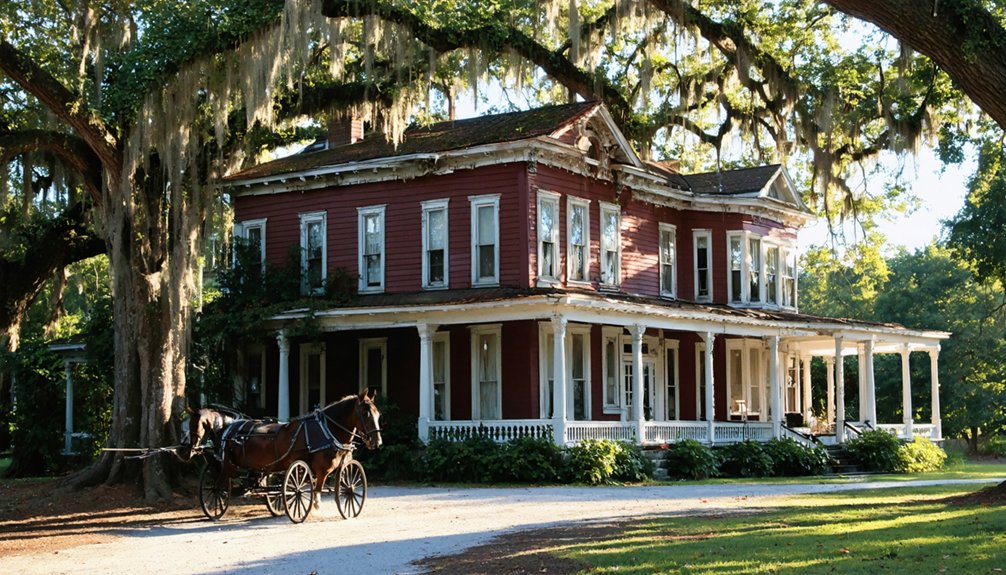
While Victorian-era settlements in America primarily showcase architectural splendor, their preservation stems from a powerful combination of community values and economic motivation.
You’ll find deep-rooted community pride driving local preservation efforts, with residents viewing these architectural gems as essential to their cultural heritage. This commitment transforms into tangible economic benefits through heritage tourism and stable property values.
- Historic district designations release substantial federal and state preservation funding
- Tourism revenue creates a self-sustaining cycle of restoration and maintenance
- Property values remain stable due to preserved neighborhood character
- Local businesses thrive from increased visitor traffic and spending
Your Victorian-era neighborhood’s preservation isn’t just about maintaining beautiful architecture – it’s an investment in community identity that pays dividends through tourism, property appreciation, and sustained economic significance.
Exploring the eerie landscapes of abandoned towns can evoke a sense of nostalgia and curiosity about the past. Each crumbling building tells a story, reflecting a bygone era that once thrived with life. Embracing these historical remnants can inspire further investment in preservation efforts and community engagement, solidifying the unique character of the area.
Architectural Excellence and Lasting Design
Victorian-era settlements stand as masterpieces of architectural innovation, where every element serves both aesthetic and functional purposes.
You’ll discover steeply pitched roofs and turrets that aren’t just for show – they maximize vertical space while providing superior ventilation. Victorian craftsmanship shines through every detail, from the intricate gingerbread cutouts to the carved hardwood newel posts.
The architects’ commitment to durability is evident in their choice of materials. You’re looking at structures built with brick, slate, and cast iron that have weathered centuries.
Wrap-around porches and stained glass windows aren’t merely decorative – they create practical, light-filled spaces. This architectural symbolism speaks volumes, as each element, from the asymmetrical designs to the varied textures, represents both the period’s technological progress and its artistic aspirations.
Historical Settlement Foundations
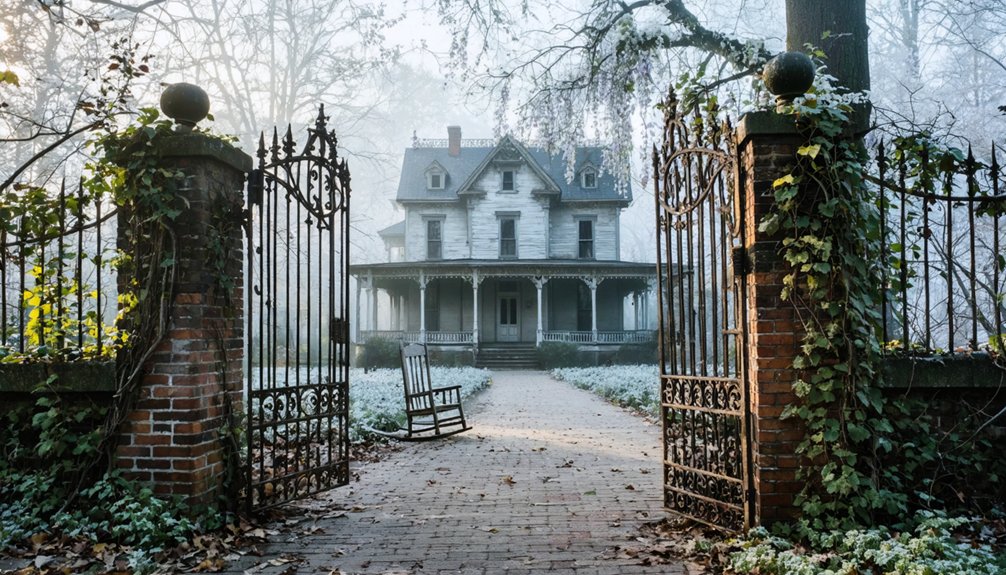
During the late nineteenth century, America’s urban landscapes took shape through meticulous land surveying and railroad-driven development patterns. You’ll find that surveyors created precise plats detailing lot dimensions and rights-of-way, while transportation networks revolutionized how cities grew and connected.
The transcontinental railroad‘s completion in 1869 transformed settlement possibilities, freeing you from traditional waterway constraints. Cities expanded rapidly, especially near railway stops and shipping hubs, creating vibrant urban centers that still stand today.
- Land platting allowed flexible development responsive to market forces and natural topography
- Railroad expansion enabled new towns to sprout independently of waterways
- Coastal cities grew as crucial shipping and industrial hubs
- Electric cable cars fostered denser commercial-residential growth near transit lines
Frequently Asked Questions
How Did Victorian-Era Residents Handle Basic Utilities and Sanitation Systems?
Like pioneers forging new paths, you’d rely on horse-drawn water wagons, private wells, and basic outhouses for daily needs. Your sewage systems were primitive, draining untreated waste into waterways.
What Paint Colors Were Traditionally Used on Victorian Homes?
You’ll find Victorian homes featured deep, moody colors reflecting period color symbolism: maroons, burgundies, and dark greens, often accented with lighter trims – architectural trends that emphasized dramatic contrasts and ornate details.
How Much Did Victorian Houses Typically Cost When First Built?
You’d have found Victorian house construction costs around $7,500 in 1885 (roughly $188,000 today), though the housing market varied greatly based on size, location, and architectural elaborateness.
Did Victorian Settlements Have Specific Rules About Street Layout and Design?
While you’ll find Victorian street design was relatively unrestricted, urban planning did involve basic regulations for plat maps, rights-of-way, and setbacks to maintain visual harmony along street corridors.
How Were Victorian-Era Building Materials Transported to Remote Settlement Locations?
You’ll find that railroad expansion revolutionized shipping logistics, with materials reaching remote settlements via steam locomotives, while horse-drawn wagons, riverboats, and canals served areas beyond the tracks.
References
- https://www.businessinsider.com/beautiful-historic-districts-us-2019-9
- https://www.homestratosphere.com/most-charming-small-towns-with-victorian-era-architecture/
- https://www.youtube.com/watch?v=4TJXUBl3G6I
- https://en.wikipedia.org/wiki/Locations_in_the_United_States_named_for_a_place_in_England
- https://www.worldatlas.com/cities/these-small-towns-in-the-american-south-were-once-state-capitals.html
- https://www.loveexploring.com/gallerylist/108653/ranked-the-most-charming-historic-town-in-every-state
- https://www.victorianvoices.net/topics/america/states/index.shtml
- https://s4.ad.brown.edu/Projects/UTP2/39cities.htm
- https://www.theamericanconservative.com/what-cities-can-learn-from-the-victorian-era/
- https://www.britannica.com/place/United-States/Settlement-patterns