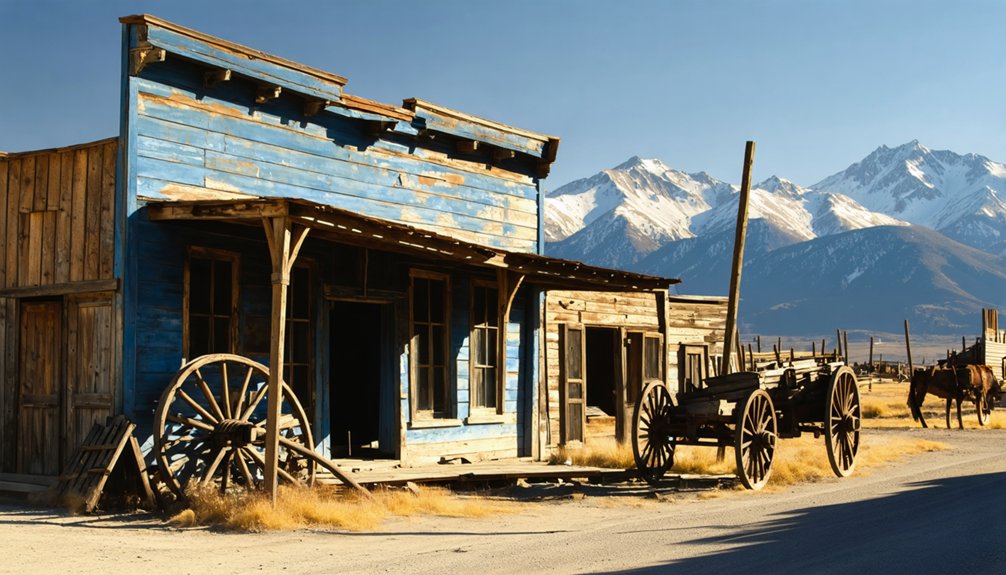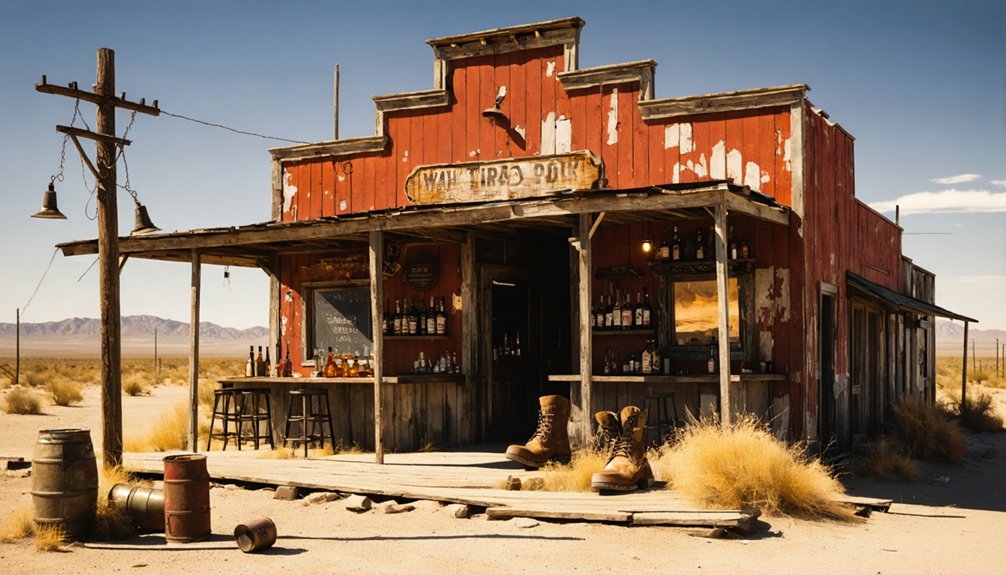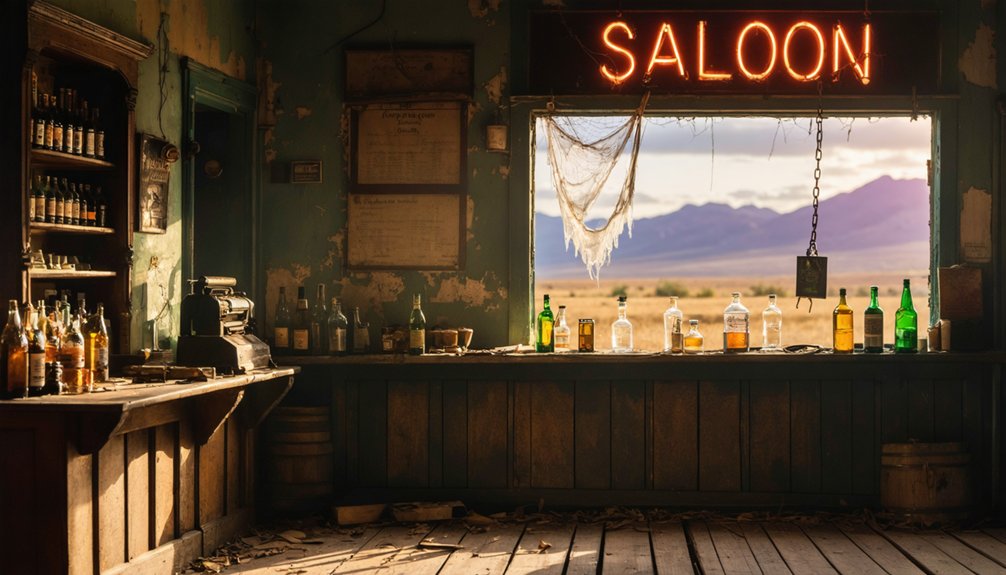
You’ll discover rich historical narratives when photographing Western ghost towns, from weathered storefronts to abandoned mining equipment. Through your lens, you can document rapidly deteriorating structures, support archaeological research, and preserve America’s frontier legacy. Your images of Victorian architecture, sun-bleached clapboard, and original artifacts create essential records of the Wild West’s pioneering spirit. Each ghost town holds countless untold stories waiting to emerge through careful photographic exploration.
Key Takeaways
- Ghost towns provide unique time capsules of American frontier life through weathered buildings, original furnishings, and authentic architectural details.
- Photography preserves rapidly deteriorating historical structures and artifacts for future generations to study Western expansion.
- Seasonal changes and lighting conditions create dramatic opportunities to capture architectural textures, shadows, and atmospheric moods.
- Documenting ghost towns challenges romanticized Wild West narratives by revealing genuine evidence of mining, ranching, and frontier living.
- Photographing decay and abandoned spaces evokes emotional connections while uncovering hidden treasures and forgotten stories.
Discovering Time-Frozen Narratives
When you photograph Western ghost towns, you’re capturing more than abandoned buildings – you’re documenting intricate narratives suspended in time. Each weathered facade and dusty interior serves as a time capsule, preserving authentic glimpses of frontier life from the late 1800s to early 1900s.
Through your lens, you’ll uncover visual storytelling elements in every detail: original furnishings left mid-use, ornate tin ceilings that speak of past prosperity, and false-fronted stores that define Western vernacular architecture. The stunning Ryolite site features unique artistic elements like Ed Sakowski’s sculptures that add another layer of visual interest.
In places like Bodie, California, the “arrested decay” preservation approach lets you capture genuinely frozen moments. Situated at 8,735 feet elevation, this former gold mining town provides a remarkably preserved window into frontier life. The harsh desert climate has naturally preserved these remote settlements, while mountain locations show dramatic evidence of nature’s reclamation through ice damage and structural deterioration.
Preserving America’s Wild West Legacy
As you document America’s ghost towns through photography, you’re participating in an essential preservation effort that safeguards the physical remnants of Western expansion from 1880-1940. Your lens captures vital evidence of mining booms, cattle ranching operations, and the raw frontier spirit that defined this transformative era.
Through ghost town preservation, you’re helping protect tangible connections to America’s economic evolution, from gold rushes to oil discoveries. These weathered structures and artifacts tell stories of resilience, risk-taking, and the pursuit of opportunity. The practice of maintaining sites in “arrested decay” like Bodie, California ensures authentic historical character remains intact. Texas and California have emerged as prime photography destinations with their abundant ghost towns from the mining era.
The historical significance extends beyond mere buildings – each photograph you take helps maintain a visual record of daily frontier life, indigenous displacement, and immigrant contributions. Your work supports conservation efforts while ensuring future generations can witness firsthand the complexities of Western settlement.
The Artistic Appeal of Aged Architecture
Through a photographer’s lens, Western ghost town architecture reveals a fascinating fusion of historical craftsmanship and natural decay. As you explore these weathered structures, you’ll discover rich opportunities for texture exploration, from sun-bleached clapboard to peeling paint that creates compelling visual depth in your images.
Time-worn ghost towns speak through their weathered walls, each fading facade telling stories of frontier dreams in textural detail.
The pioneer spirit emerged in these architectural remnants, reflecting the determination and resourcefulness of early Western settlers. These abandoned settlements often stand as testament to the depleted resources that forced their residents to seek opportunities elsewhere.
Here’s what makes these architectural remnants particularly engaging:
- False Front facades tell stories of frontier optimism, casting dramatic shadows that enhance your compositional possibilities.
- Victorian ornamental details showcase the contrast between ambitious craftsmanship and nature’s relentless weathering.
- Single-wall construction techniques expose authentic building methods through architectural storytelling, as layers of history gradually peel away.
You’ll find these deteriorating structures serve as both artistic subjects and historical documents, preserving essential evidence of Western expansion while offering endless creative possibilities.
Capturing Stories Through Light and Shadow
You’ll find ghost towns reveal their most compelling stories during golden hour, when dramatic shadows stretch across weathered wood and rusted metal, creating stark contrasts that emphasize architectural details and historical artifacts. For these high-contrast scenes, spot metering helps achieve optimal exposure of key elements.
Through your lens, the interplay of light streaming through broken windows and doorways offers glimpses into the past, while harsh midday sun exposes textures in adobe walls and splintered boards. Using soft fill light can reveal hidden details in shadowy corners, adding depth to your compositional storytelling.
As darkness falls, you can capture the ethereal glow of starlight and moonbeams playing across abandoned structures, transforming familiar daytime scenes into mysterious nocturnal narratives that connect viewers to the site’s rich history.
Dramatic Sunrise and Sunset
The haunting remnants of Western ghost towns transform into dramatic storytelling canvases during sunrise and sunset, when golden hour light bathes weathered structures in rich, warm hues.
You’ll discover atmospheric layers of light that reveal untold stories within these abandoned spaces, where nature’s most enchanting moments unfold.
For ideal ghost town photography during these magical hours:
- Position yourself to capture long shadows that stretch across weathered boards and rusty machinery, creating depth and visual intrigue.
- Wait for clouds to catch the sun’s rays, producing vibrant color gradients that contrast against silhouetted structures.
- Use HDR techniques to balance exposure between bright skies and dark building interiors, preserving detail throughout your frame.
Consider removing all filters from your lens to prevent unwanted ghosting effects when shooting directly into the rising or setting sun.
A sturdy tripod setup is essential for achieving sharp images in these challenging lighting conditions.
Careful timing and patience will reward you with compelling images that convey both desolation and beauty in these forgotten places.
Night Sky Drama Unfolds
Moonlight pierces through broken windows and weathered walls of ghost town structures, creating an otherworldly canvas for dramatic night photography.
You’ll capture haunting scenes by combining long exposures of 10-20 seconds with strategic light painting techniques. Position your flashlight to cast storytelling shadows through doorways and windows, while experimenting with cool-toned gels to enhance the spectral atmosphere.
For ghostly image effects, time your shoots within four nights of the full moon. Balance the cool moonlight with warmer artificial lighting to create depth and drama.
Direct your light source from the same angle as the moon to maintain natural shadow patterns. Through multiple flash bursts and carefully timed movements, you’ll transform ordinary subjects into translucent apparitions that seem to drift through these abandoned spaces.
Window Light Reveals History
While nocturnal shoots offer ghostly drama, daylight streaming through weathered windows reveals rich historical narratives waiting to be captured.
You’ll discover how window textures and filtered sunlight work together to expose the soul of abandoned spaces, creating natural spotlights that highlight decades of wear and forgotten stories.
Master these essential light storytelling techniques to preserve authentic Western history:
- Position your camera to capture where window light creates dramatic shadows across weathered floorboards and peeling wallpaper.
- Use bracketing techniques to balance the contrast between bright windows and shadowy corners.
- Time your shoots during golden hour when soft, angled light streams through dusty panes, revealing layers of texture and architectural details.
Your images will serve as visual records of these vanishing monuments to frontier life.
Hidden Treasures and Forgotten Details
Beneath weathered facades and crumbling foundations, ghost towns harbor intricate details that reveal compelling stories of America’s western frontier.
You’ll discover hidden artifacts tucked away in shadowy corners of abandoned buildings – from rusted mining equipment to personal belongings that paint intimate portraits of frontier life. Every forgotten inscription on a gravestone or faded storefront sign adds depth to the town’s narrative.
Like fragments of lost memories, each discarded object and faded inscription tells the story of those who once called these ruins home.
Look closely at hand-planed wooden beams and adobe walls, where you’ll find craftsmanship that’s stood the test of time.
Original window frames frame glimpses into the past, while weathered doorways lead to rooms filled with architectural treasures.
Through your lens, you’ll capture evidence of daily life: worn floorboards, vintage wallpaper patterns, and tool marks that document the ingenuity of western pioneers.
Seasonal Beauty in Abandoned Places

Each season transforms ghost towns into distinct photographic canvases, offering photographers an ever-changing palette of natural elements to work with.
Through seasonal transformations, you’ll discover how nature reclaims these abandoned spaces, creating atmospheric storytelling opportunities through light and texture.
- Autumn brings warm reds and oranges that contrast dramatically with weathered structures, while early morning light casts long shadows perfect for capturing architectural details.
- Winter’s snow creates stark, serene compositions, and clear nights offer pristine conditions for astrophotography over silent buildings.
- Spring and summer introduce dynamic elements as wildlife returns, vines creep up walls, and evening fireflies dance through empty doorways.
You’ll find each season reveals unique moods and hidden details, making every visit a fresh opportunity to document these historical treasures.
The Adventure of Historical Documentation
You’ll discover untold stories of America’s westward expansion as you venture through forgotten mining camps and railroad towns with your camera in hand.
Through your lens, you can document rapidly deteriorating structures and artifacts that might vanish within years due to environmental factors and human interference.
Preserving Vanishing American History
While Western ghost towns crumble under the relentless forces of time and weather, photographers play an essential role in preserving these irreplaceable snapshots of American frontier life.
Through your lens, you’re not just capturing images – you’re documenting crucial historical preservation efforts that protect our collective heritage. These remote settlements reveal complex stories of triumph and abandonment that heritage tourism helps keep alive.
Your photographic documentation can achieve three critical objectives:
- Create detailed records of deteriorating structures before they’re lost forever
- Support archaeological research by capturing spatial relationships and architectural details
- Challenge romanticized narratives with authentic imagery of frontier life
Every photograph you take helps safeguard these vanishing treasures, ensuring future generations can study and understand the rich tapestry of American Western expansion.
Finding Hidden Historical Treasures
Hidden beneath layers of dust and decay lies a fascinating world of historical documentation waiting to be discovered through careful investigation of Western ghost towns.
You’ll uncover forgotten narratives through careful examination of primary documents, land records, and mining reports that reveal complex stories of boom-and-bust cycles, immigration, and environmental challenges.
As you explore these sites, hidden artifacts emerge from abandoned mines, homesteads, and cemeteries, each telling unique tales of marginalized communities and daily life details often missing from official records.
Through archival research and archaeological investigation, you’re able to piece together the intricate web of social, economic, and environmental factors that shaped these communities.
These discoveries preserve essential microhistories of transient miners, immigrant workers, and rural farmers who might otherwise fade into obscurity.
Exploring Time Through Lens
Through the careful application of photographic techniques, exploring Western ghost towns becomes a powerful act of historical preservation and storytelling.
You’ll discover that mastering your camera’s manual settings transforms you into a time traveler, capturing the essence of bygone eras through your lens.
When documenting these historic sites, focus on:
- Using high-resolution equipment and 50mm focal lengths to record architectural details with museum-grade precision
- Shooting during golden hour or overcast conditions to capture authentic textures and atmospheric qualities
- Combining wide establishing shots with intimate detail work to weave extensive visual narratives
You’re not just taking pictures – you’re preserving vital historical context while revealing hidden stories within weathered walls and rusty remnants.
These photographic techniques guarantee that future generations can connect with these remarkable pieces of Western heritage.
Creating Emotional Connections Through Decay
As photographers document Western ghost towns, the visual elements of decay serve as powerful storytellers that forge deep emotional connections with viewers.
You’ll discover how weathered wood, rusted machinery, and peeling paint create visceral responses that transcend time, offering glimpses into the lives of those who once called these places home.
Through your lens, you’ll capture the emotional resonance of abandoned buildings and personal artifacts that speak to universal themes of impermanence and passage.
The human connection emerges naturally as you frame cemeteries, storefronts, and domestic spaces frozen in arrested decay.
When you photograph these sites at night or experiment with light painting, you’ll reveal hidden textures and shapes that heighten the haunting atmosphere, transforming decay into compelling visual narratives that resonate with viewers on a deeply personal level.
Frequently Asked Questions
What Safety Equipment Should Photographers Bring When Exploring Ghost Towns?
You’ll need protective safety gear including helmet, steel-toe boots, gloves, and P3 mask, plus emergency supplies like first aid kit, GPS device, flashlight, and water for ghost town exploration.
Are Permits Required for Commercial Photography in Western Ghost Towns?
You’ll need permits for commercial photography in western ghost towns, as historical preservation concerns and commercial photography guidelines regulate site usage. Most locations differentiate between personal and revenue-generating shoots.
How Do You Locate Lesser-Known Ghost Towns Not Listed in Guides?
You’ll find hidden ghost towns by researching local history archives, joining online forums, analyzing historical maps, consulting county records, and connecting with regional historians who share off-the-beaten-path locations.
Exploring abandoned towns across the United States can reveal fascinating stories of the past and provide a glimpse into how communities once thrived. Many of these locations often have remnants of architecture and artifacts that tell the tales of the people who once called them home. Whether it’s an old miner’s shack in Colorado or a dilapidated storefront in Texas, each site has its own unique history waiting to be uncovered.
Can Drones Be Used to Photograph Ghost Towns?
Hit the ground running with drones for ghost towns, but you’ll need to check drone regulations first. You’ll capture stunning aerial perspectives while keeping clear of fragile structures and wildlife habitats.
What Are the Best Times to Avoid Tourist Crowds?
You’ll encounter fewer tourists by planning early morning visits before sunrise and exploring during off-peak seasons like winter. Choose weekday visits, especially Tuesday through Thursday, avoiding summer crowds and holiday events.
References
- https://pamphotography.blog/2023/07/08/how-to-photograph-ghost-towns/
- https://www.nationalparksatnight.com/blog/2021/10/23/from-shadows-of-the-past-5-photos-of-ghost-towns-at-night
- https://www.photocascadia.com/for-the-love-of-ghost-towns/
- https://explorethearchive.com/western-ghost-towns
- https://www.idyllicpursuit.com/11-eerie-u-s-ghost-towns-that-beg-for-your-next-photo-shoot/
- https://www.united.com/en/us/hemispheres/places-to-go/5-western-ghost-towns.html
- https://www.youtube.com/watch?v=yeTVfoQxqJc
- https://www.losethemap.com/scariest-ghost-towns-in-the-world/
- https://backroadplanet.com/10-ghost-towns-in-the-west-that-tell-forgotten-stories/
- https://www.legendsofamerica.com/gt-hiddentales/