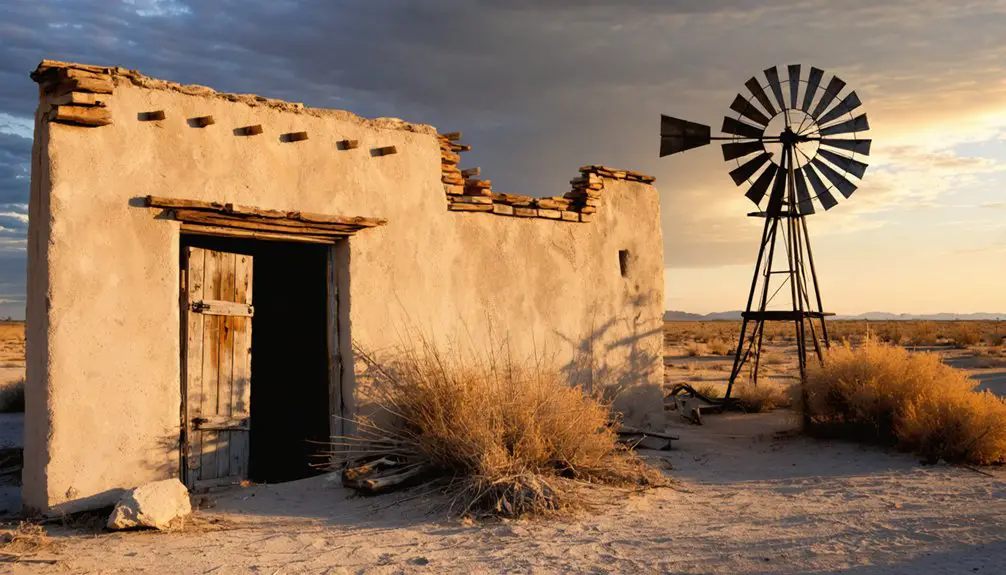
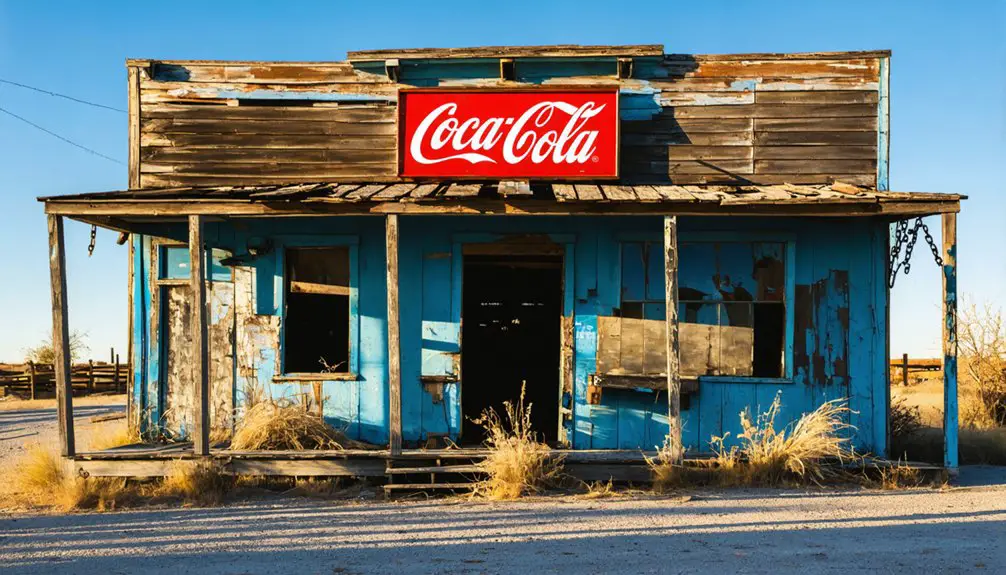
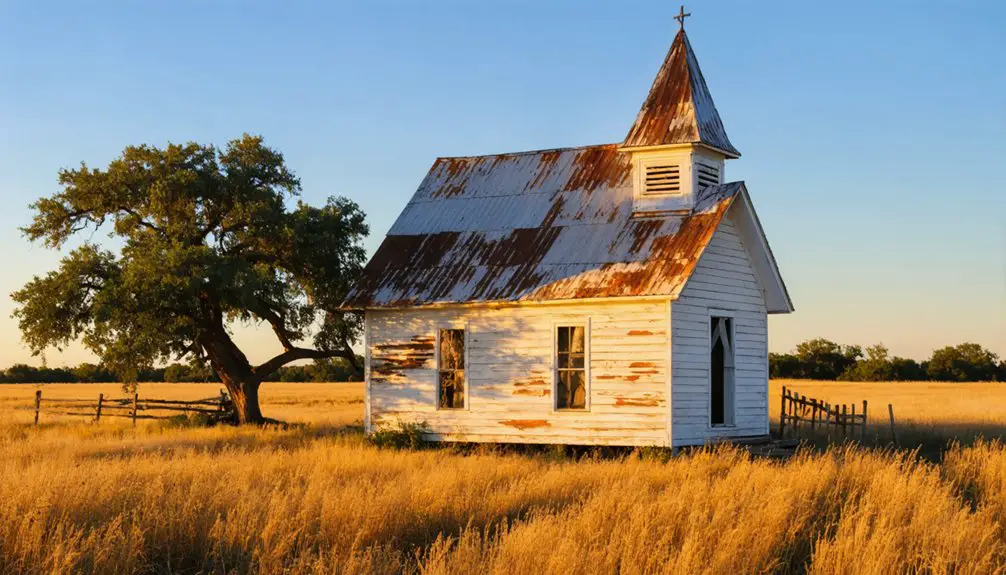
You’ll find 500-900 ghost towns available across Texas, with entry-level opportunities like Lobo’s 10-acre property listing for $100,000. These abandoned towns offer unique investment potential for tourism, lodging, and event venues, as proven by successes like Terlingua’s $2.1 million Infinite Skies Retreat. While prices are attractive, you’ll need to navigate preservation requirements, infrastructure challenges, and legal considerations. Understanding the hidden costs and development restrictions will determine your ghost town investment’s ultimate value.
Key Takeaways
- Lobo, Texas offers a 10-acre ghost town property for $100,000, featuring multiple structures including an abandoned motel and vintage houses.
- Ghost towns in Texas range from 500-900 available properties, with many priced affordably due to market corrections and foreclosures.
- Remote locations like Villa de la Mina provide investment opportunities at entry-level prices compared to traditional Texas real estate markets.
- Terlingua demonstrates successful ghost town investment potential, with properties transformed into profitable tourist accommodations and event venues.
- The Grove offers a model for affordable ghost town purchases, generating income through live music events and museum operations.
Why Texas Ghost Towns Are Attracting Buyers
Anyone following Texas real estate can’t miss the surge in ghost town interest, driven by a perfect storm of market conditions.
You’re seeing traditional housing markets face steep price declines, with Austin dropping 22.5% and investor-heavy areas seeing massive corrections. This market reset has created unique opportunities in ghost town tourism and real estate investment.
As conventional investments struggle with 50% short-term rental occupancy rates and rising foreclosures, you’ll find ghost towns offering distinctive alternatives – from tourist attractions to movie sets. With population losses mounting, 75 Texas counties experienced declining residents between 2022 and 2023. Home prices in cities like Sugarland have plummeted from $480,000 to $45,000.
With Texas boasting 500-900 ghost towns, you’re looking at a specialized market that’s gaining traction through remote work trends and social media exposure.
Texas’s vast landscape of abandoned settlements creates a unique real estate niche, fueled by digital nomads and viral ghost town content.
While mainstream markets face oversupply and economic pressures, these historic properties present unconventional opportunities for buyers seeking both preservation and potential tourist revenue.
The Most Affordable Ghost Town Properties in Texas
Among Texas ghost towns currently on the market, Lobo stands out as a remarkable bargain at $100,000 for a 10-acre property complete with multiple structures.
You’ll find authentic ghost town aesthetics with its abandoned motel, empty swimming pool, and vintage houses – all for less than a typical California home down payment.
Located 130 miles from El Paso, this desert oasis presents unlimited potential for creative repurposing.
Previous proposals have ranged from kangaroo farms to escape rooms, while artists envision installation spaces and event venues.
The current owner purchased the property with friends for just $20,000 in 2001 and hosted various art events over the years.
The property includes several key buildings including a former post office, grocery store, and restaurant.
Despite requiring extensive renovations, Lobo’s price point remains well below average home values in nearby Van Horn.
With over 70 interested buyers worldwide, this rare opportunity combines the freedom of a blank canvas with genuine Wild West heritage at an entry-level investment price.
Essential Due Diligence Before Purchasing a Ghost Town
Before investing in a ghost town property, you’ll need to conduct thorough title searches to verify ownership rights and uncover any existing liens or encumbrances.
Working with a certified inspector will help identify potential safety hazards, structural issues, and necessary repairs across multiple buildings in the ghost town.
You must assess the property’s infrastructure condition, including utilities, roads, and building structures, through professional inspections and surveys. An environmental assessment should be completed to identify any potential contamination from previous property uses.
It’s critical to research local zoning regulations, as many ghost towns require specific permits for commercial development or historical preservation compliance.
Property Title Investigation Required
When purchasing a ghost town in Texas, thorough title investigation stands as the most critical step in your due diligence process.
You’ll need to navigate complex ownership verification challenges through county records, tax assessments, and professional title searches to prevent costly title disputes down the road.
To protect your investment and secure clear ownership:
- Access the county clerk’s historical records to trace the complete chain of title, identifying any gaps or conflicting claims.
- Review tax payment history through appraisal district websites to spot potential liens or delinquencies.
- Consider filing a quiet title action if you discover multiple heirs or unclear ownership claims.
Many ghost towns suffer from unclear property titles, especially in areas that have been long abandoned.
Don’t rely solely on seller assurances – invest in professional title searches and legal counsel to guarantee you’re acquiring marketable title to your ghost town property. A successful quiet title action requires proving your ownership interest and rights while invalidating any competing claims to the property.
Infrastructure Assessment Needs
Purchasing a ghost town requires thorough infrastructure assessment to evaluate existing utilities, structural integrity, drainage systems, environmental hazards, and public services capacity.
You’ll need to conduct a detailed utility assessment, including field scans and potholing to identify underground features. Document structural evaluations of all buildings, rating their integrity levels and documenting materials.
Environmental concerns demand careful attention – check for underground storage tanks, wetlands, and floodplain zones.
You’ll want to verify stormwater management systems and confirm they meet local codes. Don’t forget to investigate public services capacity, including power, sewer, and emergency services availability.
While ghost towns often have minimal existing infrastructure, understanding what’s there and what you’ll need helps you avoid costly surprises and navigate zoning restrictions effectively.
Legal Zoning Research
Thorough legal zoning research stands as the cornerstone of any ghost town acquisition in Texas.
You’ll need to navigate complex zoning regulations and property classifications, particularly since ghost towns often straddle multiple jurisdictions between city and county control. Understanding grandfather clauses and legal nonconforming use protections is vital for your development plans. Counties face significantly different constraints since they have no general zoning authority over land use in Texas. Just as Novella did with her urban farm, securing proper conditional use permits will be essential for any commercial activities.
- Research current zoning categories affecting the property, including residential, commercial, or historic preservation designations that could impact your freedom to develop.
- Verify whether the property falls under municipal or county jurisdiction, as this determines the scope of restrictions you’ll face.
- Document any existing nonconforming uses that might be protected under Texas Local Government Code §211.019, giving you potential leverage in future development.
Transforming Abandoned Towns Into Business Opportunities
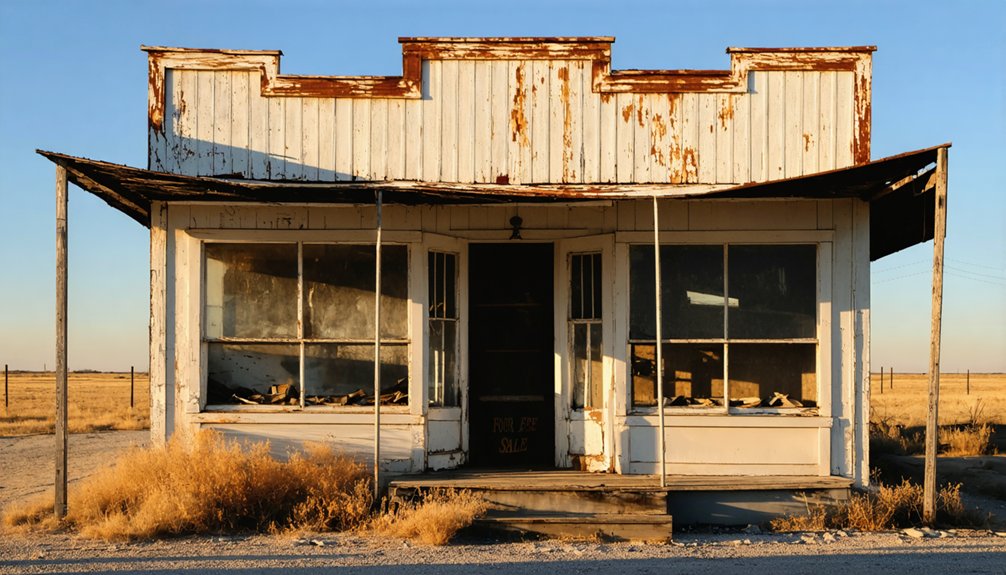
When transforming a ghost town into a profitable venture, you’ll find the most proven success comes from developing lodging and event spaces, as demonstrated by Terlingua’s $2.1 million Infinite Skies Retreat and Lobo’s artistic gathering spaces.
Your proximity to attractions like Big Bend National Park can drive tourism revenue through rustic accommodations, festivals, and unique experiences such as Terlingua’s famous chili cook-off.
You can further monetize the location by reviving historic structures into revenue-generating businesses, following Ruidosa’s model of converting its general store into a vacation rental property.
Lodging and Event Venues
Two abandoned Texas ghost towns, Lobo and Villa de la Mina, offer compelling opportunities for transformation into lodging and event venues.
The 10-acre Lobo property features ready-made structures for lodging renovations, while Villa de la Mina’s 74-plus acres include a functional hotel and themed buildings perfect for distinctive accommodations.
Past event hosting successes demonstrate proven market viability:
- Lobo’s Desert Dust Cinemas and art festivals drew crowds despite its remote location.
- Villa de la Mina’s film productions validate its appeal as an immersive backdrop.
- Both sites’ track records suggest strong potential for cultural and artistic ventures.
You’ll find multiple revenue streams through creative development options – from escape room experiences to film festivals, art residencies to themed retreats.
The properties’ proximity to Big Bend National Park positions them perfectly for adventure-seeking travelers.
Tourism Development Strategies
Building a sustainable tourism strategy begins with thorough heritage assessment and stakeholder collaboration.
You’ll need to evaluate your ghost town’s visitor capacity, authentic stories, and proximity to major attractions like national parks. Partner with Texas Historical Commission and local county commissions to access preservation resources and expertise.
Drive community engagement through strategic events that test market viability.
Consider hosting themed festivals, cook-offs, or historical reenactments to attract specific demographics. Leverage social media and film location opportunities while developing diverse revenue streams.
Tourism partnerships with nearby attractions can create compelling visitor packages.
Transform historic structures into museums or event venues, but maintain their authenticity.
Focus on sustainable growth by analyzing population trends and infrastructure capacity before scaling up operations.
Success metrics from established ghost town attractions like Terlingua can guide your development plans.
Retail and Restaurant Revival
Three distinct paths exist for transforming Texas ghost towns into viable retail and restaurant ventures.
You’ll find prime opportunities in Lobo’s former motel and grocery structures, Terlingua’s proven restaurant scene, and Lajitas’ 20 historic stone buildings – each offering unique retail strategies at different price points.
- Launch a low-cost startup in Lobo for $100,000, utilizing existing wells and 10 acres for expansion.
- Replicate Terlingua’s successful restaurant concepts near Big Bend, capitalizing on year-round tourist traffic.
- Invest in Lajitas’ $1.8M property to develop themed retail experiences in authentic stone structures.
While infrastructure challenges exist, proven success stories like Terlingua’s chili cook-off destination and Lobo’s festival venue demonstrate the viability of ghost town commercial transformation.
You’ll need to navigate zoning laws and utility upgrades, but the potential for distinctive desert retail concepts remains strong.
Hidden Costs of Ghost Town Ownership
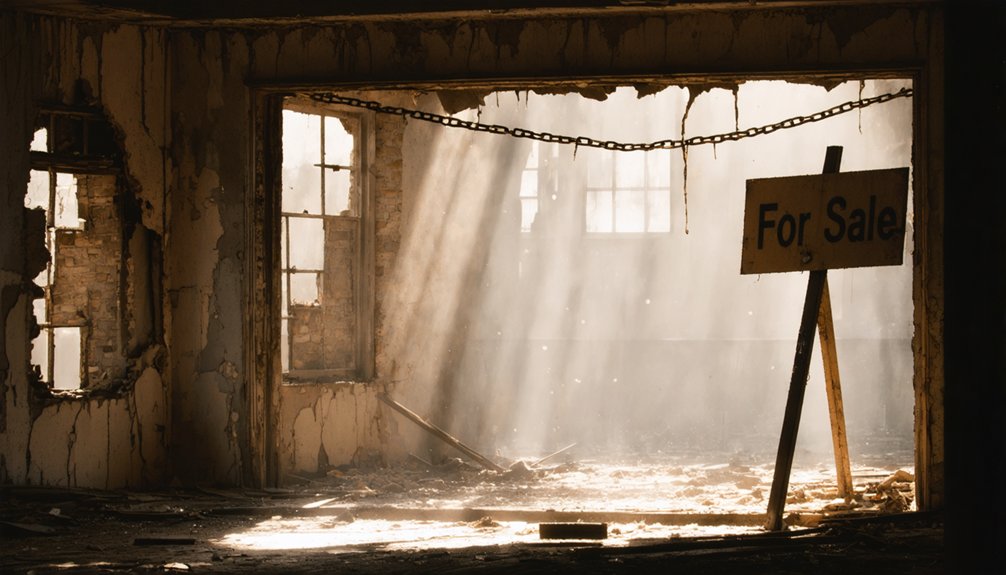
While the allure of owning a Texas ghost town at bargain prices may seem irresistible, potential buyers must carefully consider the substantial hidden costs that often eclipse the initial purchase price. In particular, ghost towns in west Texas can present unique challenges related to maintenance and infrastructure. Prospective owners should be prepared for the realities of remote property ownership, including limited access to utilities and potential disputes with local authorities. Additionally, the historical significance of these towns may require adherence to preservation regulations that could further complicate renovations.
You’ll face immediate infrastructure challenges, with basic utilities like water and electricity requiring investments that can reach tens of thousands of dollars. Unexpected repairs to historic structures and essential facilities often demand extensive renovation budgets.
Beyond these hidden expenses, you’ll encounter ongoing financial obligations including hefty insurance premiums that can exceed $7,000 annually and property taxes averaging 2-2.3% of the property’s value.
Environmental remediation, unclear property titles, and restrictive zoning laws add further complications. Remote locations in West Texas amplify these challenges through increased logistics costs and limited access to materials and services.
Securing Financing for Ghost Town Purchases
The traditional financing landscape for ghost town purchases remains particularly restrictive, with major lenders like Fannie Mae and FHA steering clear of these unique properties.
You’ll need to explore alternative funding routes through private funding and seller partnerships to make your ghost town dreams a reality.
Here are your key financing pathways:
- Partner directly with sellers who offer owner financing, like Villa de la Mina’s flexible partnership arrangements.
- Form investment groups – consider how 10 German investors pooled $20,000 to purchase Lobo.
- Leverage private banking relationships for non-traditional loans, focusing on your development vision.
Cash remains king in ghost town transactions, with properties like Lobo selling for $100,000 on 10 acres.
While challenging, committed buyers with clear restoration plans often find sellers more receptive to creative financing solutions.
Legal Requirements for Ghost Town Development

Before commencing your ghost town development project in Texas, you’ll need to navigate a complex web of legal requirements spanning zoning regulations, infrastructure mandates, and property maintenance obligations.
Your first consideration is land use compliance under Texas Local Government Code Section 211.019. While existing nonconforming uses are protected, you’ll lose these rights if the property remains abandoned for six months.
You must also guarantee water system connectivity, as Texas law prohibits residential sales without it. For infrastructure-deficient areas, consider leveraging the Fractionalized Lot Act to consolidate parcels for development.
You’ll need to submit regular maintenance plans and “Statements of Intent” to local authorities, carry $2 million in liability coverage, and comply with specific municipal zoning regulations governing building height, size, and lot percentages.
Historic Preservation Guidelines and Restrictions
When purchasing a ghost town in Texas, you’ll need to comply with the Texas Historical Commission‘s oversight of historic preservation, especially if the property includes buildings over 50 years old or contains cemeteries.
You’re required to obtain permits for ground-disturbing activities on public lands and must provide 60-day notice to THC before altering any Recorded Texas Historic Landmarks.
If your ghost town contains a cemetery, you must file a Notice of Existence within 10 days of discovery and can’t proceed with development until proper documentation and potential remains removal are completed.
State Preservation Requirements
Prospective ghost town buyers in Texas must navigate complex preservation requirements overseen by the Texas Historical Commission (THC).
State regulations affect properties with historic designations, particularly those over 50 years old that retain architectural integrity.
You’ll need to understand these key preservation incentives and requirements:
- Properties designated as Recorded Texas Historic Landmarks (RTHLs) can’t have historic features obscured by non-historic materials or be relocated within the past 50 years.
- Historic Texas Cemetery designations require boundary documentation in county deeds.
- Local historic districts may require Certificates of Appropriateness before any exterior modifications.
You can benefit from tax freezes lasting 10-15 years on designated Historic Cultural properties if you meet rehabilitation requirements, making ghost town preservation financially viable while maintaining historical authenticity.
Town Landmark Protection Rules
Texas ghost towns with historic designations fall under multiple layers of landmark protection rules that directly impact your ownership and renovation options.
Buildings must meet strict landmark significance criteria, including 50+ years of age and demonstrated historical value. You’ll face preservation challenges since modifications can’t obscure historic features with modern materials, and relocated structures are typically ineligible for protection.
Local historic commissions maintain tight control through required permits and reviews. You’ll need Certificates of Appropriateness for alterations and face mandatory THC oversight for ground-disturbing work on public lands.
While some cities offer building permit fee discounts, the trade-off is limited renovation freedom. Religious properties receive special consideration, requiring owner consent for landmark designation – a rare exemption in Texas preservation law.
Success Stories of Texas Ghost Town Revivals
Human sisters!
Texas ghost towns are proving that revival isn’t just possible – it’s profitable. The data shows successful transformations driven by ghost town culture and community engagement, creating unique business opportunities.
You’ll find innovative ventures like Glenrio’s cannabis dispensary and The Grove’s tourist destination showing how to monetize historical appeal.
Consider these proven revival strategies:
- Capitalize on legal advantages – Glenrio leveraged state border differences for cannabis sales.
- Transform ruins into revenue – Terlingua converted rubble into profitable guesthouses.
- Create experiential destinations – The Grove generates income through live music and museums.
These success stories demonstrate how you can turn abandoned properties into thriving enterprises.
With strategic vision and market awareness, you’re positioned to transform forgotten towns into freedom-focused business ventures that preserve history while generating sustainable income.
Evaluating Infrastructure and Renovation Needs
When evaluating ghost town purchases, you’ll need to conduct rigorous infrastructure assessments that reveal the true scope of renovation costs.
Property titles often contain murky ownership records, requiring extensive legal work to secure clear rights. You’re facing substantial investments in utility upgrades, with basic infrastructure restoration covering water, electricity, and sewage systems.
Be prepared for environmental cleanup challenges from previous industrial use, which can dramatically increase your expenses.
Water access remains particularly critical – some towns require over $1 million just for storage tank construction.
You’ll likely need to negotiate with multiple landowners to acquire complete parcels, and rising insurance costs can impact your carrying expenses.
Before committing, thoroughly analyze these infrastructure demands to avoid unexpected financial burdens that could derail your ghost town revival plans.
Frequently Asked Questions
You’ll find ghost towns highly vulnerable to squatter rights claims, though legal disputes can arise since occupants must prove 10 years of continuous possession and meet strict statutory requirements.
What Wildlife Challenges Might Owners Face in Abandoned Texas Towns?
Among crumbling walls and windswept ruins, you’ll face critical wildlife management challenges – from venomous snakes and wandering javelina to urban wildlife interactions that require careful monitoring, especially during dawn and dusk hours.
How Do Local Indigenous Tribes’ Rights Affect Ghost Town Ownership?
You’ll face minimal tribal sovereignty concerns since Texas has only three federally recognized tribes with limited land holdings. Land restitution claims rarely affect private property transactions in ghost towns.
Can Owners Restrict Public Access to Historically Significant Ghost Towns?
Here review
Do Ghost Towns Qualify for Special Government Disaster Relief Programs?
You’ll face challenges getting disaster relief for ghost towns unless they’re incorporated areas. Government funding typically requires official disaster declarations and focuses on active communities with established local governments.
References
- https://txprobatelawyer.net/the-rise-of-ghost-towns-can-you-own-a-piece-of-abandoned-texas/
- https://secretdallas.com/texas-town-lobo-for-sale/
- https://www.realtor.com/news/unique-homes/ghost-town-house-boeing-aircraft-texas-sale/
- https://www.youtube.com/watch?v=JgjAUyeveYc
- https://alts.co/entire-towns-for-sale/
- https://www.loveproperty.com/gallerylist/51810/entire-villages-and-towns-for-sale-that-you-can-actually-buy
- https://www.youtube.com/watch?v=4LftYW04-CU
- https://www.texasescapes.com/TexasGhostTowns/Ghost-Towns-for-Sale.htm
- https://www.youtube.com/watch?v=Q8x29dlPoA0
- https://www.proptext.co/p/ghost-towns-real-estate-s-spookiest-investment