You’ll discover nearly 100 state parks across Iowa where you and your furry companion can explore haunting remnants of forgotten settlements. West Oak Forest offers mowed trails through wooded ghost town sites, while Stone State Park’s elevated paths reveal valley ruins with historical significance. Red Rock’s shoreline exposes submerged foundations of six drowned communities during low water periods. Remember to pack essentials, check vaccination requirements, and research local leash laws before venturing out. Your adventure into Iowa’s abandoned past awaits further exploration.
Key Takeaways
- Iowa has nearly 100 state parks with dog-friendly trails for exploring ghost town remnants and historical settlements.
- West Oak Forest and Stone State Park offer mowed trails through former settlements with elevated valley views.
- Red Rock area features submerged foundations of six drowned communities visible during low water periods.
- Leash laws vary by location with requirements ranging from six-foot to 25-foot allowances for dogs.
- Pack essential safety gear including collapsible water bowls, first-aid supplies, and tick-checking tools for wilderness exploration.
Accessible Ghost Towns With Dog-Friendly Trails
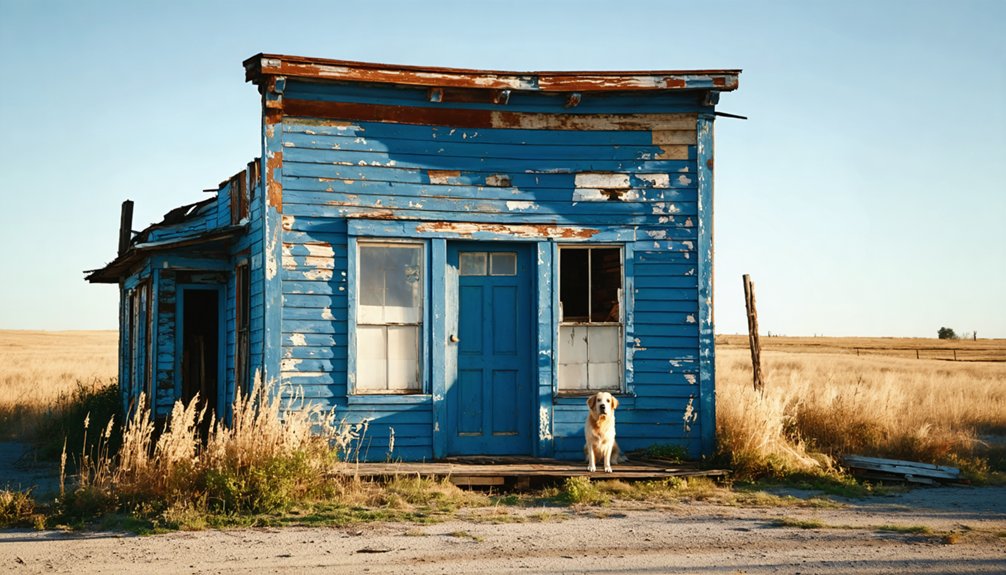
While most ghost towns remain frozen in time as silent monuments to the past, several offer well-maintained trails where you and your four-legged companion can explore history together.
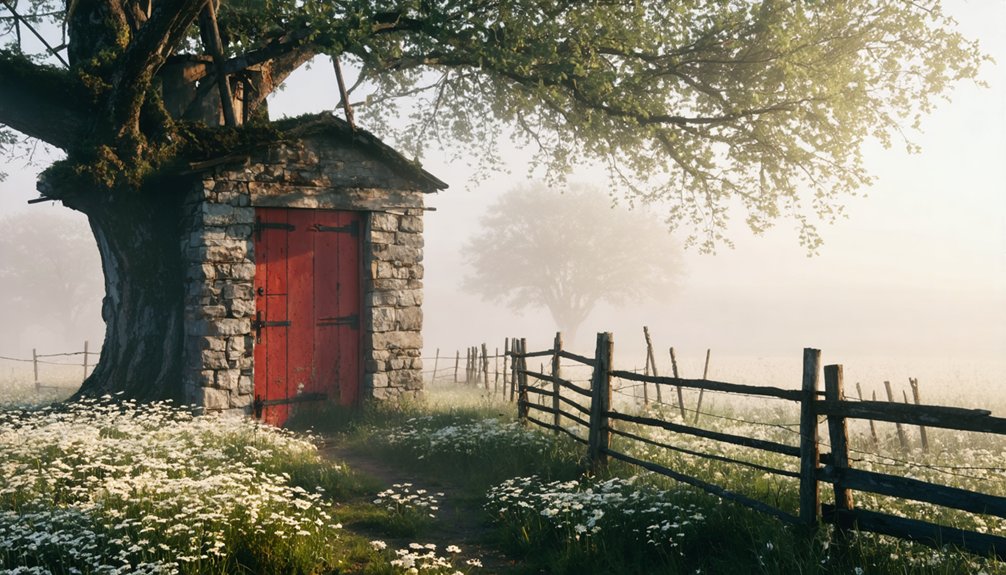
West Oak Forest provides the perfect backdrop for ghost town hikes with its mowed grass trails creating quiet, tranquil pathways through wooded areas where settlements once thrived. You’ll discover dog friendly routes that let your canine companion roam freely while you uncover remnants of Iowa’s forgotten communities.
Well-maintained trails wind through wooded areas where Iowa’s forgotten settlements once flourished, offering peaceful exploration for you and your dog.
Stone State Park’s northern trails offer elevated perspectives of valleys where towns disappeared into legend. Iowa’s nearly 100 state parks provide excellent opportunities for exploring these abandoned settlements with your dog.
Remember to pack essentials since these remote locations lack amenities, and always check your dog for ticks after exploring these historically rich wilderness areas. Post-hike grooming helps identify any debris or parasites your dog may have picked up during your ghost town adventure.
Notable Ruins and Structures Worth Exploring
You’ll discover Iowa’s most photogenic abandoned structures offer perfect backdrops for memorable adventures with your canine companion.
The Red Rock area’s submerged foundations create an otherworldly landscape where your dog can safely explore shallow waters while you photograph remnants of lost communities.
Elkport’s dramatic collapsed grain elevator and Carrollton’s towering brick ruins provide striking architectural fragments that tell stories of economic boom and bust, with plenty of open ground for dogs to roam while you capture these haunting monuments to Iowa’s past. Some locations like the former Independence Mental Hospital offer glimpses into Iowa’s institutional history, though active areas remain off-limits to visitors and their pets.
Gitchie Manitou State Preserve features pink Sioux quartzite formations that showcase Iowa’s oldest bedrock alongside prairie trails perfect for exploring with your dog while discovering this unique geological landscape.
Red Rock Submerged Foundations
Beneath Lake Red Rock‘s shimmering surface lies a haunting collection of stone foundations, crumbling bridge abutments, and skeletal remains of six drowned communities that once thrived along the Des Moines River.
You’ll discover this submerged archaeology during exceptionally low water levels, when ghostly outlines of Red Rock, Coalport, Cordova, Dunreath, Fifield, and Rousseau emerge from their watery graves. These settlements possessed deep historical significance, dating back to the 1840s with bustling general stores, sawmills, and schools before repeated flooding sealed their fate.
Your four-legged explorer can accompany you to shoreline viewpoints at Fifield and Cordova recreational areas, where interpretive materials tell these communities’ stories. The lake itself spans an impressive 15,250 acres, making it Iowa’s largest body of water and creating extensive shoreline for exploration. The reservoir was constructed by the United States Army Corps of Engineers for flood control purposes along this historically volatile waterway.
While diving requires special permits, you’re free to scan the waters from above, imagining the lives once lived beneath.
Elkport’s Collapsed Grain Elevator
Though decades of Mississippi River floods have claimed most of Elkport’s buildings, the town’s massive grain elevator stands as a haunting monument to agricultural collapse—its concrete receiving pit partially caved in, timber bins scattered like giant matchsticks, and rusted augers jutting from the debris like industrial bones.
You’ll find this crumbling tribute to Iowa’s rural heritage fascinating to explore with your dog, though stay alert for unstable concrete chunks and sharp metal fragments.
The elevator architecture reveals how these structures once linked local farmers to river and rail markets. Similar structural failures have occurred recently at other Iowa grain facilities, reminding visitors of the ongoing risks these aging agricultural monuments present. These incidents underscore the devastating consequences when steel support legs give way under massive grain loads.
Keep your pup leashed while steering through the overgrown rubble—the historical significance of these ruins deserves respect, and loose dogs could disturb the delicate decay or encounter hidden hazards among the scattered industrial wreckage.
Carrollton’s Standing Brick Structures
Carrollton’s brick structures rise from the prairie grass like weathered sentinels, their russet facades bearing evidence to the skilled craftsmanship that emerged from Baumhover’s farm kiln in nearby Kniest Township.
You’ll discover Carrollton architecture that showcases 19th-century brick making techniques, where local clay was transformed into durable building materials right on the farm. Your dog can safely explore around these standing ruins while you examine the solid outer walls that’ve withstood Iowa’s harsh winters and scorching summers.
The brickwork mirrors methods used in Sioux City’s industry, featuring thick masonry designed for longevity. These structures were fired in permanent kilns that replaced earlier clamp kilns, representing the technological advancement of the late 19th century brick manufacturing process.
Though interiors show water damage, the exterior walls remain remarkably intact. You’ll find excellent photo opportunities among the faded arches and sturdy foundations, making this Carroll County ghost town perfect for leisurely exploration. The structures create a peaceful neighborhood atmosphere despite their abandoned state, offering tranquil exploration away from urban environments.
Safety and Legal Considerations for Pet Owners
When exploring Iowa’s forgotten settlements with your four-legged companion, you’ll encounter a patchwork of regulations that vary dramatically from county to county and city to city.
Leash laws shift from six-foot maximums in state parks to 25-foot allowances in Burlington’s public spaces. You’ll need current vaccination requirements met—dogs must be at least 16 weeks old with rabies shots in most areas, while some municipalities demand certificates at six months.
Crawford County prohibits animals running loose and impounds biters, giving you seven days to reclaim your pet.
Before venturing into any ghost town territory, research local breed restrictions and aggressive dog policies. Some cities ban specific breeds outright, requiring special permission for visits.
Smart adventurers carry vaccination records and keep leashes handy—your freedom depends on following these ever-changing rules.
Planning Your Visit: Logistics and Accessibility
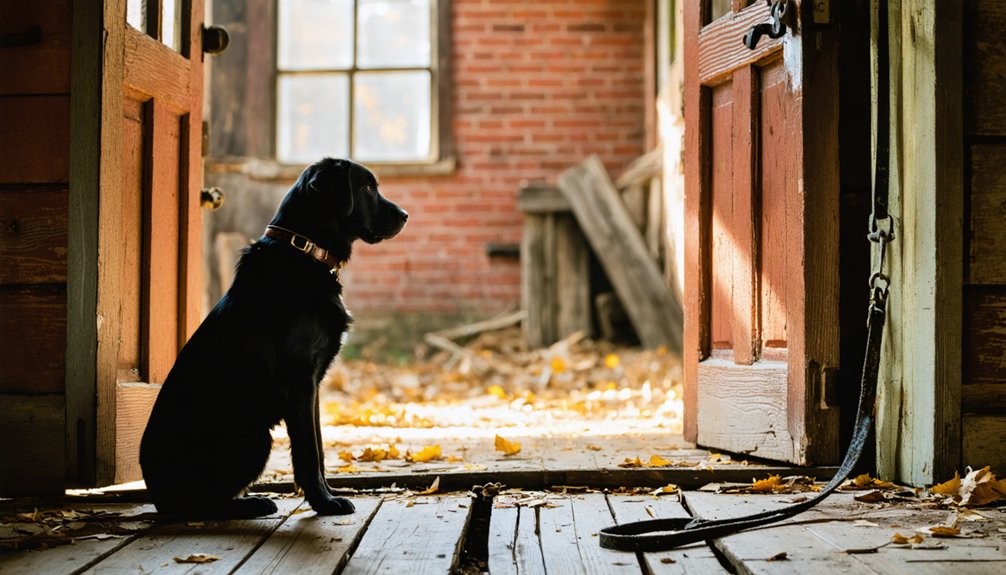
Before you load your dog into the car for a ghost town adventure, you’ll need to map out accessible routes that won’t leave your vehicle stranded on rough terrain or your pet struggling through hazardous ruins.
One great idea is to explore forgotten towns in Indiana, where history blends with your adventurous spirit. These hidden gems often showcase intriguing stories and unique architecture waiting to be discovered. Make sure to check local regulations to ensure your furry friend can enjoy the journey alongside you.
Pack essential safety gear like collapsible water bowls, first-aid supplies, and protective booties, since these remote locations won’t have nearby stores when you realize what you’ve forgotten.
Check weather patterns and seasonal road closures ahead of time—spring snowmelt can turn dirt access roads into impassable mud, while summer heat can make metal ruins too hot for paws to safely explore.
Vehicle and Route Preparation
Since ghost towns often hide at the end of forgotten roads where GPS signals fade and pavement crumbles into memory, you’ll need more than good intentions to reach them safely with your four-legged explorer.
Start with thorough route mapping using county GIS layers and historical maps to identify exact coordinates and legal access points. Choose an SUV or truck with adequate ground clearance for rutted gravel and soft sand approaches that guard these forgotten places.
Complete a detailed vehicle inspection before departure—check your spare tire, validate fuel range against remote mileage, and inspect lights for potential after-dark returns.
Carry extra fuel for every 50-75 miles beyond civilization, and verify your tires can handle mixed surfaces where asphalt surrenders to adventure.
Safety Equipment Essentials
While ghost towns whisper tales of forgotten lives, they also harbor modern dangers that can turn your adventure into an emergency—rusted nails lurking beneath weathered boards, unstable structures ready to collapse, and toxic remnants from decades of abandonment.
Your safety gear arsenal should include steel-toe boots with thick soles, long sleeves, and heavy-duty gloves that’ll shield you from sharp debris and contaminated surfaces.
Pack N95 respirators for protection against mold and airborne particles that thrive in these forgotten places. Your protective clothing becomes your armor against the past’s hidden hazards.
Essential lighting equipment—primary flashlight, backup headlamp, and emergency glow sticks—illuminates dangers before they find you.
A thorough first aid kit, GPS device, and satellite communicator complete your safety foundation, ensuring you’ll return home with stories, not scars.
Timing and Weather Considerations
When the calendar flips to late spring, Iowa’s ghost towns shed their winter shrouds and beckon explorers with lengthening days and manageable temperatures.
You’ll find summer offers the longest daylight hours for safe navigation, though weather impacts demand careful planning. Schedule early morning visits during 80°F+ days to protect your dog from heat stress, and pack extra water for both of you.
Fall transforms your journey with stunning foliage, but seasonal hazards include hunting seasons and tick exposure through October.
Winter’s snow accumulation makes rural roads treacherous, while spring’s heavy rains create muddy trails that complicate leash handling. Watch for sudden thunderstorms and flooding near sites like Elkport.
Monitor tornado risks from April through June, and always check current conditions before venturing to remote locations.
Historical Background of Iowa’s Abandoned Towns
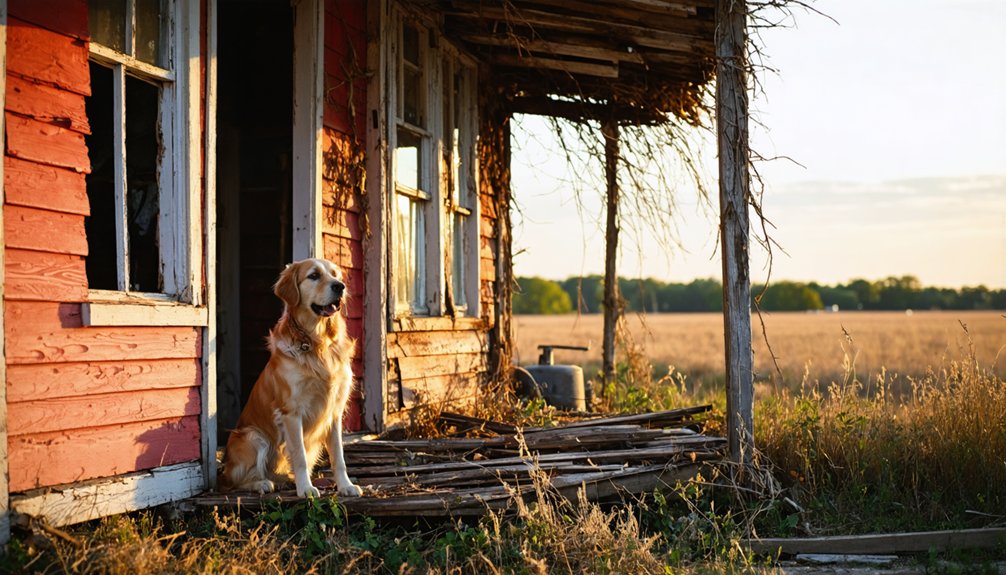
As you explore Iowa’s forgotten settlements with your canine companion, you’ll discover that most of these ghost towns emerged during the mid-1800s when European-American settlers concentrated their efforts along rivers, rail lines, and fertile prairie land.
These ambitious settlement patterns created hundreds of communities, but many faced inevitable economic decline when railroads bypassed them or resources were exhausted.
You’ll find fascinating stories behind each abandoned site:
- Coal mining towns that boomed and busted within decades as seams depleted
- “Paper towns” that existed only in plat books when expected railroads never arrived
- Agricultural communities that withered as farming mechanized and consolidated
- River settlements that lost importance when transportation shifted to rail
- Post office closures that officially marked the end of town status
Each location offers unique glimpses into Iowa’s pioneering spirit and economic transformation.
Essential Resources for Dog-Friendly Ghost Town Adventures
Before starting your ghostly adventure with your four-legged explorer, you’ll need to secure accommodations that welcome both you and your canine detective.
Franklin County Jail’s restored 1880 Airbnb in Hampton offers dog friendly accommodations complete with paranormal tours upon arrival. For bed-and-breakfast seekers, Periwinkle Place Manor in Chelsea provides pet-friendly stays in a former funeral home with reported spirit activity.
Planning pet friendly tours requires strategic research. Des Moines ghost tours by Lizzie Borden explicitly welcome well-behaved pets for downtown haunted walks.
BringFido lists Iowa’s spookiest dog-friendly rentals and activities for thorough trip planning. You’ll discover Gitchie Manitou State Preserve allows camping despite its creepy reputation, while Lake Red Rock’s submerged ghost towns offer waterside exploration opportunities for adventurous duos seeking freedom.
Frequently Asked Questions
What Vaccinations Does My Dog Need Before Visiting Iowa Ghost Towns?
You’ll need current rabies vaccination plus DHPP for ghost town safety adventures. Consider bordetella and leptospirosis too, since Iowa’s abandoned places expose dogs to wildlife and standing water risks requiring proper vaccination protection.
Are There Dog Waste Stations Available at These Remote Locations?
No, these forgotten places offer zero waste stations—you’ll find only echoes and empty lots. Pack your own bags and containers for proper waste disposal, honoring both dog etiquette and the wild’s untouched freedom.
Can I Bring Multiple Dogs on Ghost Town Visits?
You can bring multiple dogs, but consider their individual dog behavior around spooky environments. Travel tips: keep them leashed, pack extra supplies, and make certain you can manage all dogs safely while exploring these atmospheric ruins.
What’s the Best Time of Year to Visit With Dogs?
Spring and fall offer the best seasons for exploring with your pack. You’ll find comfortable temperatures between 40-70°F, reduced tick activity, and ideal weather considerations that keep your dogs safe while wandering forgotten places freely.
Are There Nearby Dog-Friendly Accommodations for Overnight Ghost Town Trips?
You’ll find excellent options including Franklin County Jail Airbnb for spooky overnight stays, dog friendly hotels in Des Moines, and pet friendly campgrounds near Buckhorn. These haunted accommodations welcome your four-legged ghost hunting companions perfectly.
References
- https://k923.fm/is-this-the-creepiest-ghost-town-in-iowa/
- https://www.thegazette.com/travel/a-day-away-plan-a-haunted-iowa-road-trip-to-these-spirited-sites/
- https://us1049quadcities.com/five-famous-iowa-ghost-towns-you-can-visit/
- https://lizzie-borden.com/ghost-tours/des-moines/
- https://kxrb.com/iowas-underwater-ghost-town-is-at-the-bottom-of-a-lake/
- https://www.youtube.com/watch?v=X8ZGk3tt2Pg
- https://www.bringfido.com/blog/best-of-iowa/
- https://khak.com/iowa-ghost-towns-that-will-creep-you-out/
- https://hikewithyourdog.com/iowa
- https://www.goldenhillsrcd.org/news/hiking-with-dogs-in-western-iowa