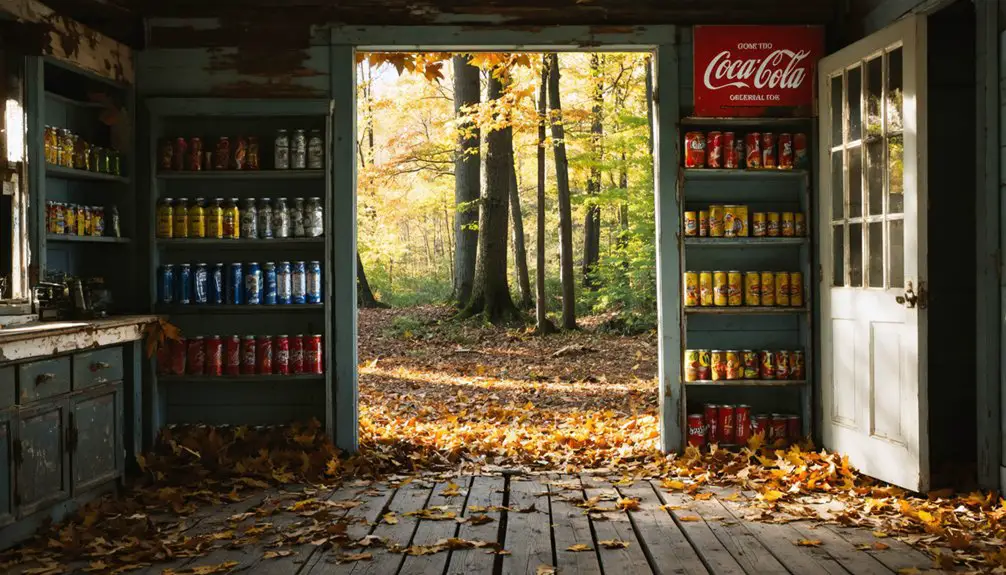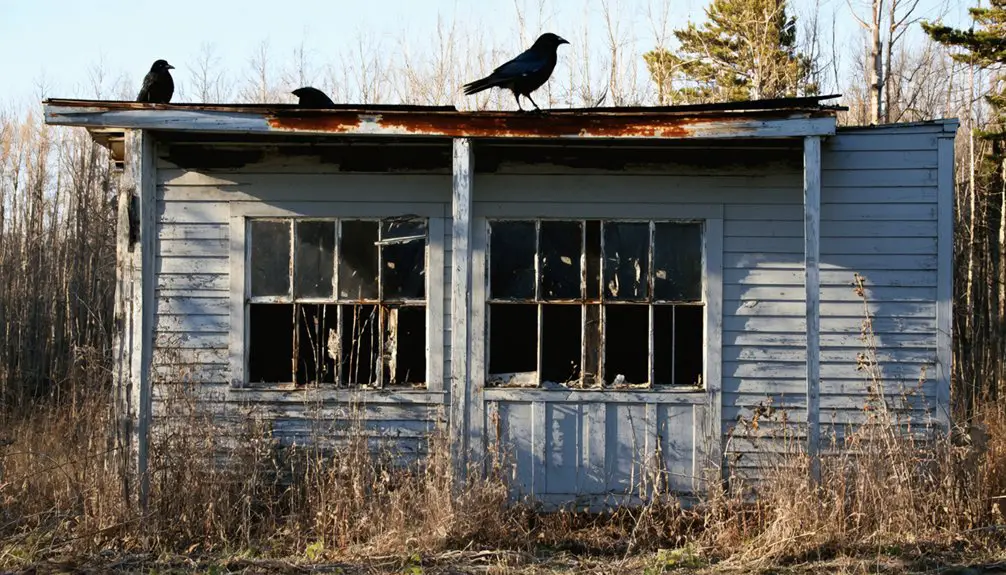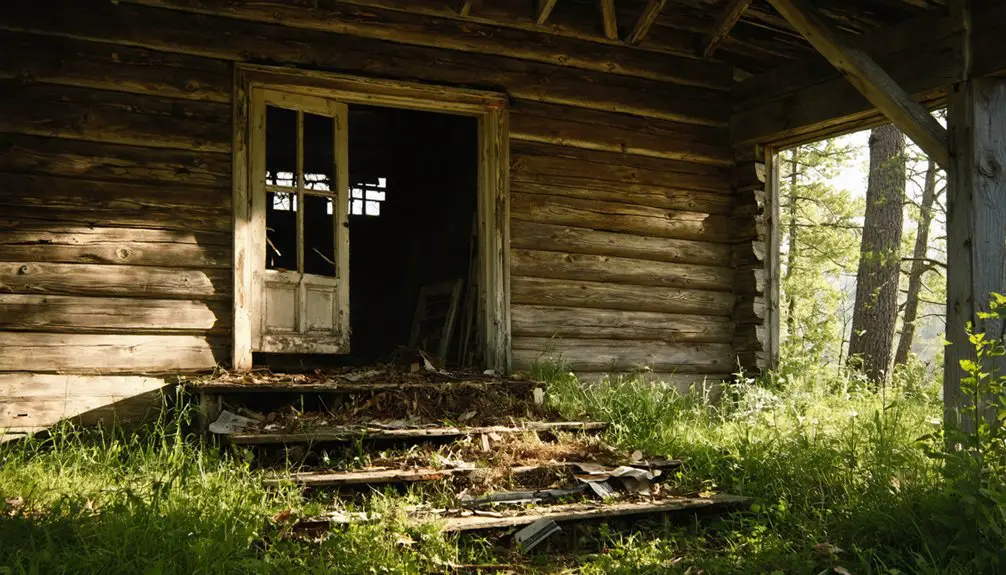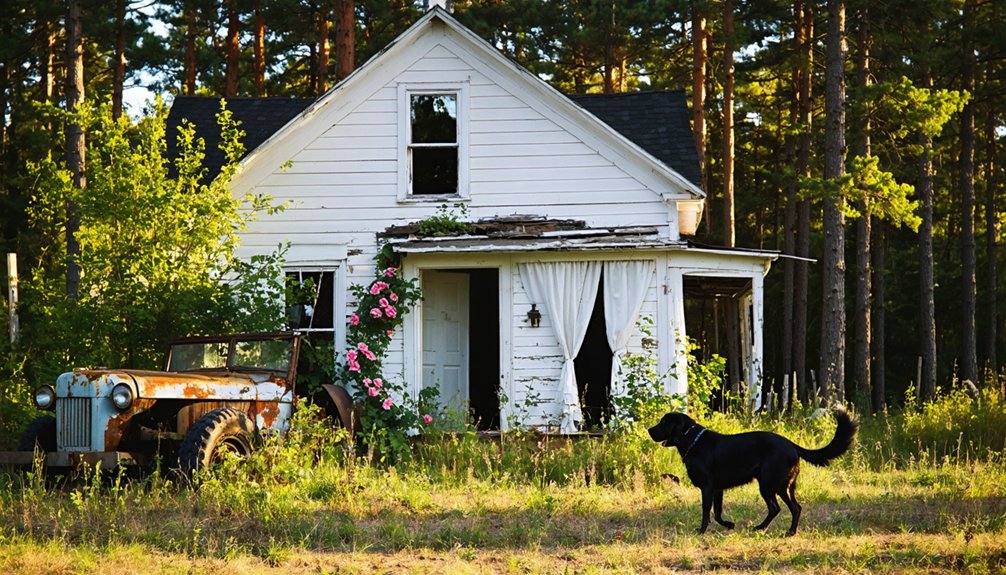
You’ll find Maine’s ghost towns surprisingly welcoming to leashed dogs, from Bar Harbor’s nightly haunted village walks through the eerie Criterion Theatre district to Portland’s Old Port ghost tours along cobblestone streets. Remote settlements like Swan Island and Perkins offer atmospheric exploration of crumbling Federal-style houses and saltbox buildings, though you’ll need proper permits and safety gear. Keep vaccinations current, carry first-aid supplies, and respect wildlife areas where your four-legged companion can safely experience Maine’s haunted history alongside you.
Key Takeaways
- Town of Perkins offers dog-friendly ghost town exploration across 1,755 acres with colonial ruins and caretaker-led tours.
- Portland Maine Ghosts and Bar Harbor Ghost Tours welcome leashed, well-socialized dogs on historic village walks.
- Remote ghost town ruins are accessible with dogs using six-foot leashes and proper wildlife safety precautions.
- Dogs must avoid Swan Island’s abandoned settlement due to strict wildlife protection policies prohibiting pets.
- Roadside ghost towns and backcountry settlements offer atmospheric exploration opportunities for leashed dogs and owners.
Bar Harbor Area Ghost Tours and Historic Coastal Towns
When twilight descends over Maine’s rugged coastline, Bar Harbor transforms into something far more mysterious than its daytime charm suggests.
You’ll discover ghostly tales rooted in Wabanaki curses that’ve haunted this land since settlers forcibly displaced Indigenous tribes centuries ago. The award-winning ghost tours operate nightly from May through October, taking you through cursed grounds where a vengeful shaman’s spirit still roams.
Your adventure includes exclusive nighttime access to the haunted Criterion Theatre and stops at the 1804 Coach Stop Inn, where phantom stagecoaches echo through darkness. The devastating Great Fires of 1947 left their own haunting legacy throughout the town, adding another layer of supernatural energy to these already mysterious locations.
Guides dressed in 1870s attire share spine-chilling stories while you capture unexplained phenomena on camera. The two-mile walking tour covers historic landmarks where guests regularly photograph orbs, shadows, and apparitions along the Shore Path’s shipwreck-haunted coastline. Most spine-tingling encounters occur at the former Ledgelawn Inn, where Mary Margaret, a jilted bride from 1904, continues her restless haunting of the grand summer estate.
Portland and Casco Bay Historic Night Walks
As darkness settles over Portland’s cobblestone streets, you’ll find yourself drawn into the Old Port’s shadowy past where maritime tragedies and restless spirits converge along the waterfront.
The 90-minute ghost walks lead you through narrow alleys where shipwreck victims and Civil War soldiers from Fort Gorges allegedly roam. You’ll hear ghostly narratives about Eastern Cemetery’s 4,000 interments dating back to 1668, while waterfront legends of sea-serpent “Cassie” echo across Casco Bay’s moonlit waters. These expertly guided tours begin at DiMillos Marina near the historic waterfront district. Many guests report hearing phantom pool sounds from Andy’s Old Port Pub, where a devoted employee’s spirit is said to still linger.
However, most tours discourage pets due to uneven cobblestones and safety concerns.
Cobblestone streets and shadowy alleyways pose safety risks for pets during evening ghost tours.
Your furry companion can join you on self-guided app adventures instead, letting you explore these haunted harbors at your own pace without group restrictions or leash limitations.
Swan Island’s Abandoned Settlement and Wildlife Area
You’ll need to coordinate ferry transport or paddle your own canoe to reach Swan Island’s haunting collection of cellar holes and weathered farmhouses where an entire 19th-century community once thrived.
Your dog can explore the overgrown foundations and crumbling stone walls of the former Town of Perkins, but you’ll want to keep them close since this wildlife management area hosts deer, wild turkey, and other animals that might trigger their chase instincts.
The island’s remote location means you’re truly on your own among these atmospheric ruins, so pack everything you need and respect the wildlife that’s reclaimed this abandoned settlement. Among the ruins stand several historic structures including Federal-style houses and rare saltbox buildings that have survived since the 1800s. Guided tours are available with an expert caretaker who can share the fascinating history of this forgotten community.
Ferry Access and Planning
The Kennebec’s currents demand respect—inexperienced paddlers should reconsider this crossing.
You’ll find two landing points: the primary northwest landing and the campground dock on the east side.
A private ferry service now operates on weekends, offering $20 trips for up to six passengers at a time. The Maine Department previously operated ferry service to Swan Island for decades before ceasing operations in 2022.
However, there’s one significant restriction that freedom-seeking dog owners must know: pets aren’t allowed on Swan Island due to wildlife protection policies.
Plan accordingly, as this beautiful ghost town adventure must be a solo human journey.
Ghost Town Ruins Exploration
Once you’ve arranged alternative plans for your four-legged companion, Swan Island’s haunting ruins reveal layers of history spanning over 400 years.
The abandoned Town of Perkins offers unparalleled ghost town photography opportunities across its 1,755-acre wilderness canvas.
Your exploration reveals three distinct historical layers:
- Native American heritage – Ancient Kennebec Abenaki hunting camps and wild rice harvesting sites
- Colonial settlement remains – Five period houses from the 18th-19th centuries, including the Italianate Lilly-Wade farmhouse
- Industrial decline evidence – Over 20 cellar ruins from the collapsed ice-cutting and shipbuilding economy
The caretaker’s modified pickup truck tours provide historical storytelling while you navigate old colonial roads.
Balsam-scented forests and vast fields create dramatic backdrops for capturing these preserved ruins, where peak populations once reached 100 residents before the Great Depression’s final exodus. The island’s industrial heritage includes the remains of three ice houses – Consumers, Underwoods, and Deerings – that once dominated the eastern banks during the early 1900s ice harvesting boom. Visitors can observe how nature gradually reclaims abandoned structures, with vegetation slowly overtaking the historic buildings and creating an eerily beautiful landscape.
Wildlife Safety Precautions
Keep your dog leashed throughout your adventure. Coyotes pose predation risks, while porcupines cause painful quill injuries. Raccoons transmit rabies and other diseases, making current vaccinations essential.
Your dog’s chasing instincts may trigger dangerous encounters with deer herds. Secure all dog food from raccoons and never feed wildlife. Carry first-aid supplies for quill removal emergencies.
Exercise extra caution from May to October when wildlife activity peaks. Check for ticks after exploring grassy fields around the historic ruins.
Remote Inland Ghost Sites and Hidden Ruins
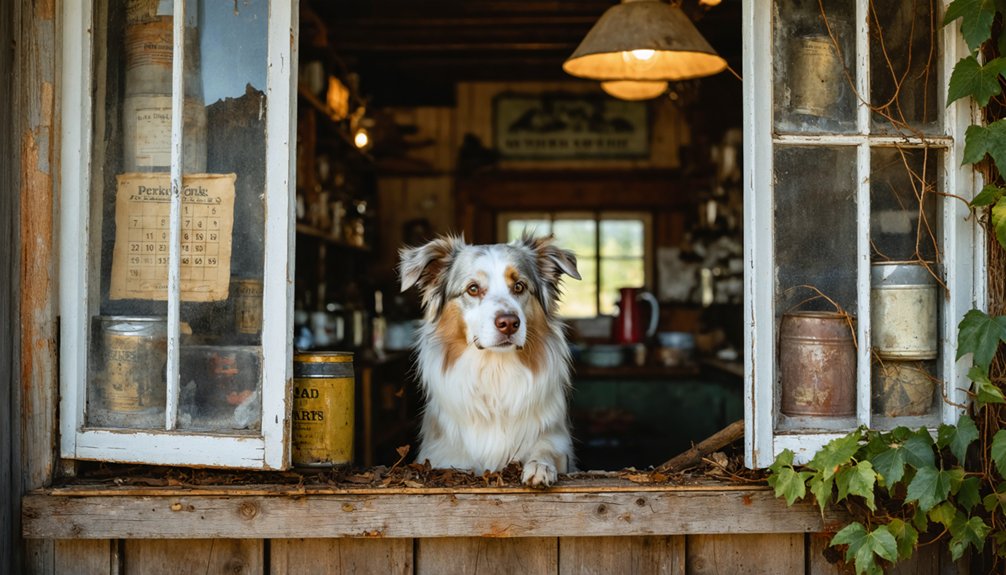
You’ll need sturdy hiking boots and a well-stocked backpack when venturing into Maine’s forgotten settlements like Riceville or Freeman, where overgrown trails and crumbling foundations await your discovery.
Pack extra water, a first aid kit, and GPS device since these inland ruins sit miles from cell towers and marked roads.
Your dog will love exploring the scattered stone remnants and old cemetery plots, but keep them leashed near unstable structures and bring booties to protect their paws from rusty metal debris.
Accessing Remote Ruins Safely
When you venture beyond the roadside ghost towns and into Maine’s backcountry, you’ll discover a hidden world of forgotten settlements tucked into dense forests, accessible only by overgrown logging roads and deer paths.
Site access requires careful preparation—verify property ownership through county records and obtain landowner permission when needed. Trail navigation becomes critical when signage disappears and GPS signals weaken under thick canopy.
Your safety strategy should include:
- Structural awareness – Keep your distance from unstable foundations and hidden wells that claim unwary explorers.
- Wildlife preparedness – Carry bear deterrent and maintain voice control over your dog near moose habitat.
- Navigation redundancy – Pack paper maps, compass, and offline GPS as digital backups for when technology fails.
These precautions transform potentially dangerous expeditions into rewarding adventures through Maine’s forgotten corners.
Essential Gear Requirements
Exploring Maine’s most isolated ruins demands gear that can handle both the unforgiving terrain and your dog’s safety needs.
Your gear checklist starts with navigation essentials: topographic maps, GPS unit, and compass for when overgrown trails disappear into wilderness. Don’t forget property permission documentation—you’ll need proof of access for remote sites.
Your dog requires protective paw gear, sturdy harness with emergency lift points, and portable water system with purification capabilities.
Pack safety essentials including first-aid kit, hemostatic gauze, and tick removal tools. Hard-soled boots and cut-resistant gloves protect you from exposed nails and sharp debris common in collapsed structures.
Emergency communication gear—satellite messenger, whistle, air horn—ensures rescue capability where cell towers can’t reach these forgotten places.
Commercial Pet-Friendly Haunted Tour Operators
While most ghost tours cater exclusively to human participants, several Maine operators have embraced four-legged companions, transforming spine-tingling evening walks into shared adventures you can enjoy with your dog.
Portland Maine Ghosts welcomes well-behaved dogs on their Old Port routes, where you’ll traverse cobblestone streets and waterfront promenades during 60-90 minute explorations.
Well-behaved canine companions can join you on Portland’s atmospheric Old Port ghost walks through historic cobblestone streets and haunting waterfront areas.
Bar Harbor Ghost Tours encourages leashed companions on their lantern-led village walks through public streets.
Key considerations for these haunted adventures include:
- Advance booking notification – Most operators request you mention your dog when reserving
- Leash requirements – Short leashes are mandatory for crowd control and site respect
- Behavior standards – Only well-socialized, non-reactive dogs are permitted
These dog friendly policies guarantee both you and your canine companion can experience Maine’s supernatural side together safely.
Safety Guidelines and Etiquette for Dogs at Historic Sites
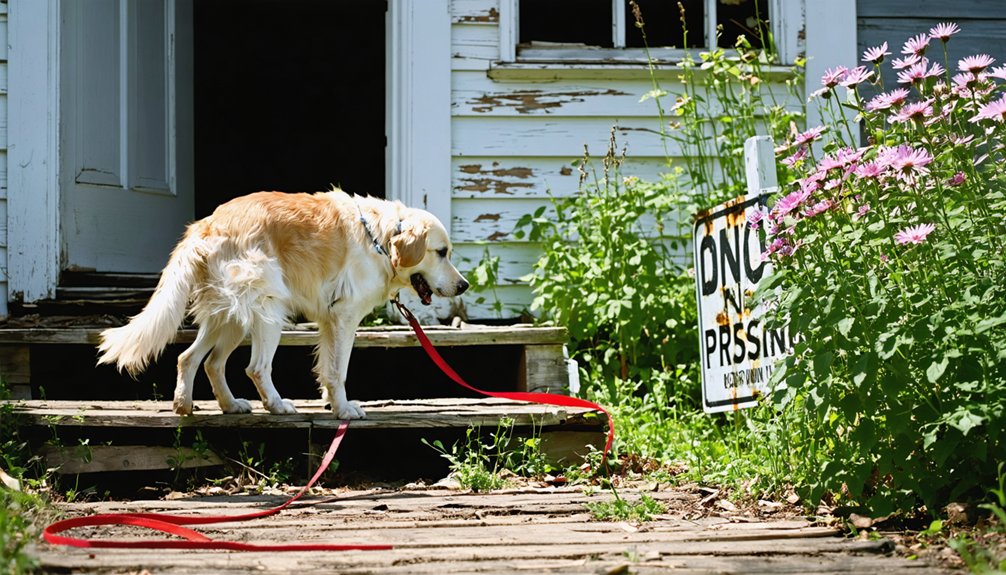
Although ghost towns offer thrilling adventures, bringing your dog to these historic sites requires careful preparation and mindful behavior.
When exploring dogfriendly spots in New Hampshire, be sure to research the specific rules and regulations for each location. Many parks and trails welcome four-legged companions, but some may have restrictions during certain seasons. Planning ahead will ensure a fun and safe outing for both you and your pet.
Check leash laws beforehand—most require six-foot leashes and prohibit dogs inside structures. Carry vaccination records and pack first-aid supplies for remote locations where veterinary help isn’t readily available.
Practice proper dog etiquette by immediately cleaning up waste and preventing your companion from digging near archaeological features. Keep them away from unstable buildings and rusty metal hazards that could cause injury.
Wildlife protection matters too—leashed dogs won’t disturb nesting birds or damage sensitive habitats.
Respect “No Dog” signs around restoration zones, and maintain quiet control to preserve the atmospheric experience for other visitors exploring these fascinating remnants of Maine’s past.
Frequently Asked Questions
What Are the Best Months to Visit Maine Ghost Towns With Dogs?
Visit in early-to-mid September for best weather and fewer crowds. You’ll enjoy crisp air, stunning foliage, and open seasonal activities while your dog explores empty trails and ghostly remnants without summer’s tourist chaos.
Do Ghost Tours Offer Discounts for Bringing Well-Behaved Pets?
No, ghost tours don’t offer pet discounts despite welcoming well-behaved companions. You’ll pay standard pricing ($25-$30) regardless of tour policies. Your furry friend experiences the spooky adventure free, but you’re covering full admission costs.
Which Ghost Sites Have Nearby Veterinary Clinics for Emergencies?
Bar Harbor’s ghost sites offer the best veterinary resources with local daytime clinics nearby. Mid-coast locations like Boothbay have regional services, while remote inland sites lack emergency services—you’ll need serious preparation there.
Can Large Breed Dogs Participate in All Maine Ghost Tours?
Large breeds can’t join all Maine ghost tours due to varying tour company policies. While Red Cloak welcomes friendly dogs and Lizzie Borden allows non-disruptive pets, Portland’s Old Port restricts access, creating dog size restrictions.
Are There Pet-Friendly Accommodations Near Maine’s Most Haunted Locations?
You’ll find pet friendly hotels embracing four-legged companions near Maine’s most spirited locations. These haunted inns welcome your adventurous pack, offering cozy refuge while you explore supernatural sites together with complete freedom.
References
- https://www.gopetfriendly.com/blog/pet-friendly-ghost-tours-howl-o-ween/
- https://www.mooseriverlookout.com/post/ghost-towns-in-maine-9-haunted-places-to-explore-this-fall-2025-guide
- https://penniesplacesandpaws.com/dog-friendly-haunted-places/
- https://www.getyourguide.com/maine-l979/pet-friendly-activities-tc2342/
- https://www.tripadvisor.com.sg/ShowTopic-g28940-i175-k7086974-Traveling_with_a_dog_pet_friendly_stops_places_to_avoid-Maine.html
- https://www.bringfido.com/attraction/tours/state/maine/
- https://livingwithagolden.com/ghost-meadow-commons-wells-maine/
- https://lizzie-borden.com/ghost-tours/bar-harbor/
- https://www.americanghostwalks.com/tour/bar-harbor-haunted-history-tour
- https://www.tripadvisor.com/Attraction_Review-g60709-d6861332-Reviews-Bar_Harbor_Ghost_Tours-Bar_Harbor_Mount_Desert_Island_Maine.html