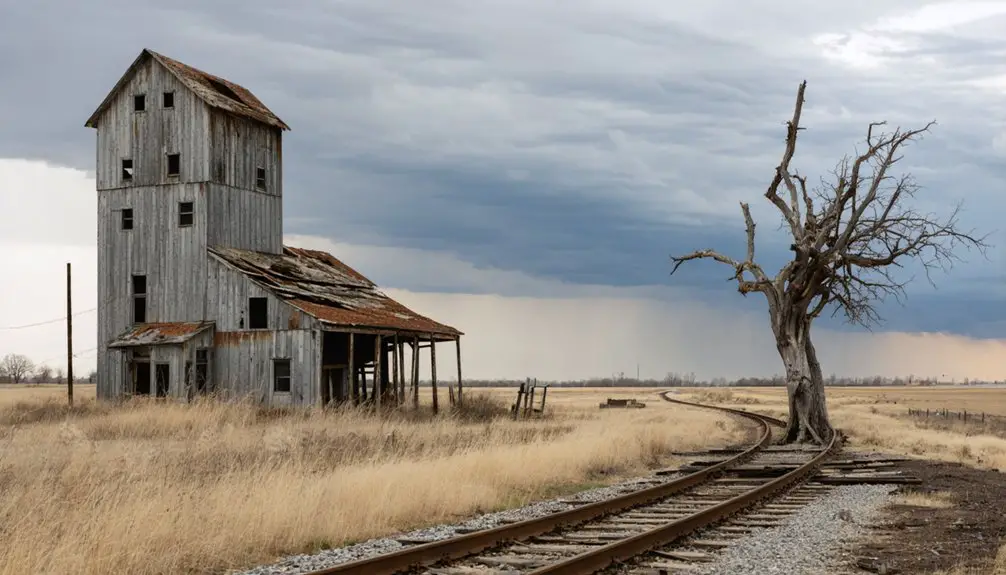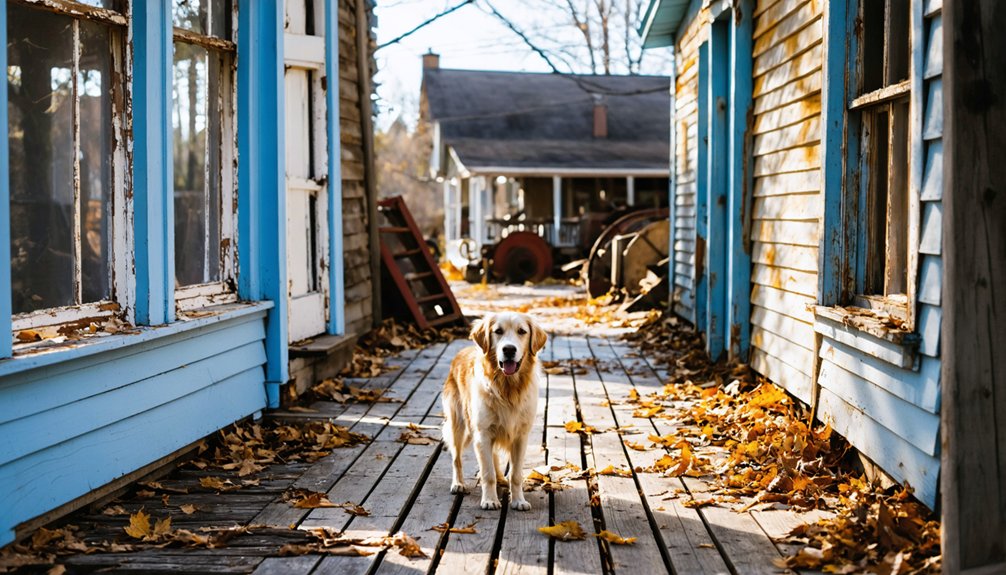
You’ll discover dozens of leash-friendly ghost towns across Minnesota where your dog can explore alongside you through fascinating abandoned settlements. The Iron Range offers easy highway access to mining towns like Pineville and Elcor, while the North Shore features waterfront ruins at Taconite Harbor and historic Chippewa City near Grand Marais. Southern Minnesota’s preserved sites like Forestville connect to paved trails perfect for dogs. Most locations allow leashed pets, though you’ll want to know specific policies and essential safety tips before venturing out.
Key Takeaways
- Taconite Harbor and Iron Range towns like Pineville offer roadside access with leashed dogs allowed on outdoor trails.
- Southern Minnesota sites like Forestville permit leashed pets on trails but ban dogs from historic buildings.
- State law requires dog control with varying county restrictions; carry current licensing and vaccination proof.
- Pack sturdy leashes, train “leave it” commands, and keep dogs leashed near wildlife areas for safety.
- Check pet policies beforehand as Minnesota Historical Society sites and private parcels have different regulations.
North Shore Lakefront Ghost Towns Perfect for Pups
When you’re exploring Minnesota’s North Shore with your four-legged companion, you’ll discover that several lakefront ghost towns offer the perfect blend of history and dog-friendly adventure.
Taconite Harbor provides easy roadside access to waterfront ruins where you can leash-walk your pup through remnants of this 1950s company town.
For beachfront exploration, Chippewa City near Grand Marais offers short trails to 19th-century cabin foundations and a historic cemetery steps from Lake Superior’s shoreline. The St. Francis Xavier Church stands as the only remaining building from this once-thriving community of 100 families.
Split Rock Lighthouse delivers the ultimate experience with interpretive trails winding past lightkeeper buildings and dramatic cliff overlooks.
Your dog will love the fresh lake breeze while you explore historic ruins safely on-leash. These locations showcase abandoned areas that reflect the economic and social changes that shaped Minnesota’s northern landscape over time.
Remember to pack water, waste bags, and watch for unstable foundations that could injure curious paws.
Iron Range Mining Towns With Easy Road Access
Although the North Shore offers stunning lakefront ruins, Minnesota’s Mesabi Iron Range delivers an entirely different ghost town experience where you and your pup can explore the remnants of boom-and-bust mining communities via easily accessible highways.
Highway 135 leads you to Pineville, where your dog can roam dirt streets named Carl, James, and Walter Avenues while you absorb iron ore history dating back to the early 1900s. Most homes stand boarded up or abandoned, though a few residents still call this quiet settlement home.
Near Gilbert, Elcor’s ruins tell stories of company-built communities that housed miners within walking distance of massive pits. Established in the early 1900s as a mining town, Elcor thrived until the mining industry declined in the 1950s, leaving remnants of foundations and scattered artifacts.
Your mining town exploration continues through locations like Sparta and Cooley, where grown-over streets and abandoned buildings create atmospheric walks through Minnesota’s iron mining legacy without challenging terrain.
Southern Minnesota Historic Sites and Preserved Ruins
Moving south from the iron-rich landscapes of the Mesabi Range, you’ll discover that southern Minnesota’s ghost towns offer a completely different chapter in the state’s history, where agricultural settlements and mill towns create perfect walking grounds for you and your four-legged companion.
Forestville stands as historic preservation‘s crown jewel, where your dog can explore trails around the restored general store and sawmill ruins. This remarkable site has maintained a population of zero for over a century, creating an authentic ghost town experience without modern distractions.
The Root River State Trail connects you to Whalan’s charming remnants, offering easy paved paths for comfortable walks.
Wasioja’s seminary ruins provide open spaces for free exploration while you contemplate Civil War history. Many of these settlements once supported post offices, schools, and hotels before economic uncertainty led to their eventual decline.
Carver County’s 21 documented southern towns like Swede Lake offer roadside discoveries, while Goodhue County’s 65 former communities feature historical markers perfect for educational stops during your freedom-seeking adventures.
Pet Policies and Leash Requirements at Ghost Town Sites
Before you leash up your dog for that ghost town adventure, you’ll need to navigate Minnesota’s patchwork of pet regulations that can make or break your exploration plans.
State law demands you maintain control of your dog, while counties and municipalities layer on their own restrictions. Ghost towns under Minnesota Historical Society management typically ban pets from historic buildings but allow leashed dogs in surrounding areas.
Minnesota’s layered pet regulations require dog owners to navigate state control laws plus varying county and municipal restrictions at historic sites.
Private ghost town parcels can legally prohibit entry entirely—and many do.
Smart pet etiquette goes beyond basic leash laws:
- Check ownership status before exploring; mixed public-private parcels create enforcement headaches
- Carry proof of current licensing and vaccinations for municipal compliance
- Respect temporary pet bans during special events at historic sites
- Remove waste immediately—rural properties with livestock face stricter enforcement
- Avoid leaving dogs unattended at remote trailheads where local ordinances apply
When exploring areas with six-foot leash requirements like those enforced at state parks, ensure your equipment meets the maximum length standards to avoid citations. If your dog goes missing during exploration, some communities have developed multitiered alert systems that use social media to help reunite lost pets with their owners quickly.
Safety Tips and Planning Essentials for Dog Owners
When your boots hit the crumbling boardwalks of Minnesota’s forgotten settlements, you’re entering terrain where standard city dog safety rules don’t apply. These remote locations demand different vigilance than urban hazards like traffic or concrete burns.
Pack essentials: sturdy leash, current ID tags, cell phone, and weather-appropriate gear. Train your dog’s “leave it” command beforehand—decaying structures hide rusty nails and toxic debris.
Wildlife encounters become your primary concern in these isolated areas. Keep dogs leashed near dense brush where wolves or other predators might lurk. If you spot wildlife, maintain distance and avoid direct eye contact.
Check weather conditions before departing; sudden storms can trap you miles from help. Secure water and first aid supplies, because freedom means self-reliance when exploring Minnesota’s haunting historical remnants. Should you encounter stray dogs in these abandoned settlements, remain calm and avoid approaching them while assessing their behavior from a safe distance. Create a quiet resting area in your vehicle where your dog can retreat from the overwhelming sensory experiences of these abandoned locations.
Frequently Asked Questions
Are There Any Ghost Towns Accessible by Public Transportation With Dogs?
You’ll find several ghost town accessibility options through regional buses to Nininger near Hastings or Crow Wing State Park. Dog transport options include leashed pets on most transit, though you’ll need final-mile planning for remote sites.
Which Ghost Towns Offer the Best Photography Opportunities for Pets?
Forestville offers stunning photography opportunities with intact historic buildings providing architectural backdrops for pet portraits. You’ll find excellent scenic spots with natural doorway lighting and photography tips maximizing golden hour shots around wooden structures.
Can I Camp Overnight Near Ghost Town Sites With My Dog?
You can camp overnight with your dog near many Minnesota ghost towns on state forest land, following dispersed camping regulations. Most sites offer pet friendly amenities like trails, though you’ll need advance permission on private parcels.
Are There Guided Tours of Ghost Towns That Welcome Dogs?
You’ll hunt endlessly for formal dog-friendly tours—most ghost town guides ban pets outright. Your best bet? Join informal community meetups or self-guided adventures where proper ghost town etiquette keeps everyone happy.
You can also take the opportunity to explore Nebraska’s haunted ghost towns, where local legends come alive and history whispers through the ruins. Many of these towns, once thriving, now hold fascinating tales that beckon the adventurous spirit. As you navigate through the eerie landscapes, keep your camera ready; you never know what specters of the past you might encounter.
What’s the Best Time of Year to Visit Ghost Towns With Dogs?
You’ll find late spring through early fall offers ideal seasonal considerations for ghost town adventures. Weather impacts remain manageable—comfortable temps, long daylight hours, and accessible roads let you explore freely with your canine companion.
References
- https://exploringnorthshore.com/north-shore-ghost-towns/
- https://b105country.com/30-years-ago-this-tiny-minnesota-town-was-on-my-bus-route-now-its-a-ghost-town/
- https://quickcountry.com/explore-minnesota-forgotten-ghost-towns/
- https://www.cascadevacationrentals.com/6953/taconite-harbor-a-ghost-town/
- https://www.bringfido.com/blog/best-of-minnesota/
- https://patch.com/minnesota/across-mn/5-mn-road-trips-paul-bunyan-town-dog-mayor-ghost-towns
- https://www.exploreminnesota.com/seasons/fall/spookiest-places-minnesota
- https://en.wikipedia.org/wiki/List_of_ghost_towns_in_Minnesota
- https://cliffdwelleronlakesuperior.com/adventure/blog/haunted-places-north-shore
- https://www.minnesotahistory.org/post/a-complete-guide-to-the-ghost-towns-of-hennepin-county