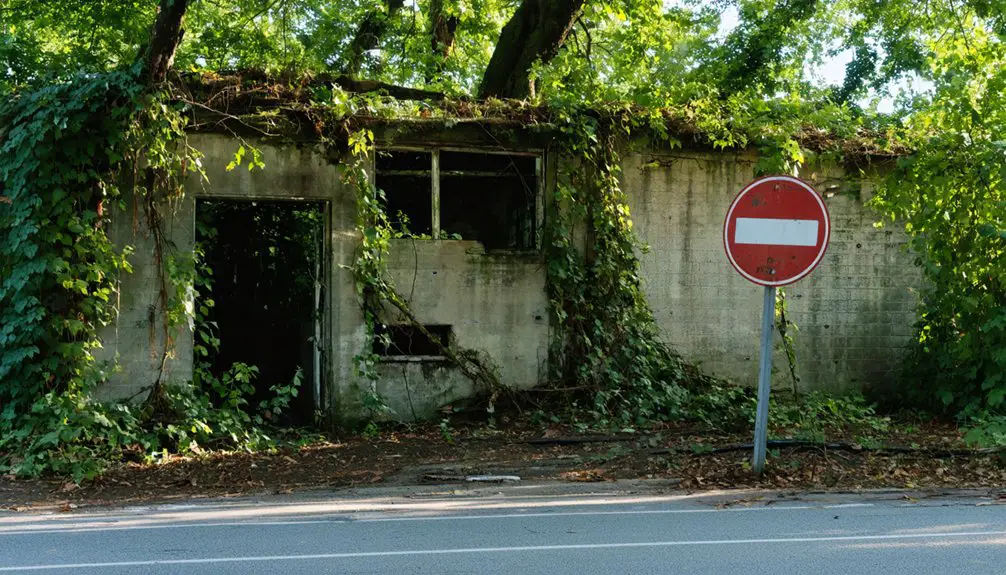
Virginia’s ghost towns and haunted sites welcome well-behaved dogs on most tours, from Yorktown’s candlelit maritime walks ($10-14) to Union Level Ghost Town’s unrestricted exploration of abandoned storefronts. You’ll find dog-friendly policies at Virginia Beach Ghost Tours, Historic Williamsburg, and Staunton’s nightly walks. Always pack water, first-aid supplies, and sturdy leashes while checking local ordinances and securing landowner permission for private properties. Discover how proper preparation transforms these spine-tingling adventures into unforgettable bonding experiences.
Key Takeaways
- Union Level Ghost Town allows unrestricted exploration of abandoned storefronts with dogs in Virginia.
- Most ghost towns require written permission from private landowners before visiting with pets.
- Virginia’s leash laws vary by locality, so research specific municipal ordinances before exploring ghost towns.
- Pack sturdy harnesses, booties, portable water, and first-aid kits for safe ghost town adventures.
- Historic Williamsburg and small towns offer intimate ghost experiences with established dog-friendly policies.
Historic Coastal Ghost Tours That Welcome Your Canine Companion
When planning a spectral adventure along America’s haunted coastlines, you’ll discover that many ghost tour operators welcome well-behaved canine companions on their evening walks.
Virginia Beach stands out with multiple nightly ghost walks featuring explicit dog friendly policies in their operator FAQs. Your leashed pup can explore waterfront promenades while you absorb tales of maritime hauntings and pirate lore.
Yorktown Ghost Walks operates year-round evening tours that specifically welcome dogs, while US Ghost Adventures maintains clear pet-friendly guidelines across Virginia coastal locations. While these tours currently have no reviews available, the platform encourages visitors to share their experiences to help future ghost hunters and their pets.
These ghost tour highlights typically unfold along boardwalks and outdoor routes, perfect for your four-legged explorer. Most operators require leashes and emphasize non-disruptive behavior, but you’ll find these 60-90 minute adventures offer ideal nighttime exercise combined with spine-tingling local history. Tours operate rain or shine, ensuring your supernatural exploration continues regardless of coastal weather conditions.
Small Town Ghost Sites Accessible for Dogs and Owners
Beyond the bustling boardwalks and waterfront promenades, Virginia’s charming small towns offer intimate ghost encounters where you and your furry companion can explore haunted histories at a more relaxed pace.
As you wander through abandoned towns in Virginia, remnants of a bygone era beckon with stories waiting to be uncovered. Each dilapidated building and overgrown path holds whispers of the past, providing an eerie backdrop for exploration. Whether it’s the haunting echoes of laughter or the faint scent of lost memories, these towns capture a unique blend of nostalgia and mystery.
Yorktown’s candlelit Main Street welcomes dogs on 90-minute evening walks six nights weekly, where Revolutionary and Civil War stories unfold for just $10-14. Your leashed pup can join Staunton’s spine-chilling nightly tours, discovering haunted secrets without crowds or restrictions.
For truly unrestricted exploration, Union Level Ghost Town near South Hill provides open access to abandoned storefronts along the highway. Though reviewers note its rough condition, this authentic ghost town lets you and your dog wander freely through genuine decay. The area’s involvement in multiple wars has created a rich foundation for paranormal activity that enhances these ghostly adventures.
Historic Williamsburg also offers pet-friendly ghost walking tours where costumed interpreters share spine-tingling tales from colonial times. These dog friendly adventures prove that Virginia’s most compelling ghostly encounters often happen in forgotten corners where history lingers undisturbed.
Safety Guidelines for Exploring Haunted Locations With Pets
While ghost towns offer thrilling adventures for you and your four-legged explorer, these abandoned places hide serious dangers that can turn a fun outing into an emergency situation.
You’ll need thorough safety precautions before venturing into these decaying settlements. Most sites don’t have established pet friendly policies, so you’re responsible for your dog’s wellbeing.
Essential safety measures include:
- Pack a compact first-aid kit with bandages, antiseptic wipes, and emergency blankets for field injuries
- Keep vaccination records handy and research nearest emergency veterinary clinics along your route
- Use sturdy 4-6 foot leashes and well-fitted harnesses for better control on unstable terrain
- Survey buildings for structural damage, loose debris, and toxic materials before allowing access
Train recall commands and “leave it” cues to prevent scavenging dangerous artifacts or contaminated materials. Ensure all dogs have ID tags and are microchipped for identification in case they become separated in these remote areas. Be particularly cautious of natural hazards like cactus and snakes that may be present in these remote locations.
Legal Requirements and Access Considerations for Ghost Town Visits
Before you pack your dog’s leash and head to that abandoned mining town, you’ll need to navigate the complex web of private property laws that still govern most ghost towns.
Many seemingly deserted locations remain under private ownership, and that “No Trespassing” sign at the old general store isn’t just decoration—it’s legally enforceable even if no one’s lived there for decades.
Properties in these remote areas often lack direct access to public roads, creating additional legal complications for anyone attempting to reach these historical sites.
If the ghost town contains any archaeological remnants or historical artifacts, remember that the Virginia Antiquities Act prohibits damage or removal of antiquities without proper permits from the Department of Historic Resources.
Once you’ve secured proper permission to explore, don’t forget that your four-legged companion must still follow local leash ordinances, which often apply even in these forgotten corners of history.
Private Property Laws
Three critical ownership patterns will determine whether you and your dog can legally explore that fascinating ghost town on your list.
Private ownership dominates Virginia’s abandoned settlements, meaning you’ll need landowner permission before setting foot on most sites. Municipal parcels might offer easier property access through local permits, while state-owned historic areas impose strict preservation rules. Many of these ghost towns, like Union Level near the North Carolina line, exist on private property with strict access restrictions that were established when the communities declined.
The biggest trap? Ownership ambiguity on long-abandoned lots creates serious trespass laws exposure. Virginia prosecutors actively pursue unauthorized visitors, and your “harmless exploration” could trigger criminal charges. Posted signs and surveillance make citations likely, while bringing your dog without permission adds civil liability for any damages they cause.
Property owners may face requirements to maintain these abandoned areas, including cutting grass and weeds, with localities able to charge expenses as property liens when maintenance obligations go unmet.
- Always secure written permission from verified property owners
- Research ownership through county records before visiting
- Respect all posted boundaries and local enforcement
- Consider liability insurance for dog-related incidents
Municipal Leash Ordinances
Since Virginia empowers each locality to craft its own leash requirements, you’ll face a patchwork of different rules depending on which ghost town you’re visiting. Some counties demand strict leashing while others allow voice control in certain areas.
Before exploring that abandoned mining settlement, research the specific municipal ordinances governing your destination.
Your owner responsibilities extend beyond just bringing a leash—you’re liable for any incidents involving your released dog, even without prior bite history.
I’ve learned this lesson exploring remote locations where rangers suddenly appeared to enforce forgotten leash regulations. Newport News requires leashing anytime you’re off your property, while Charlottesville offers more flexibility in designated zones.
Smart adventurers pack both leash and local ordinance knowledge.
Essential Gear and Preparation for Dog-Friendly Ghost Adventures
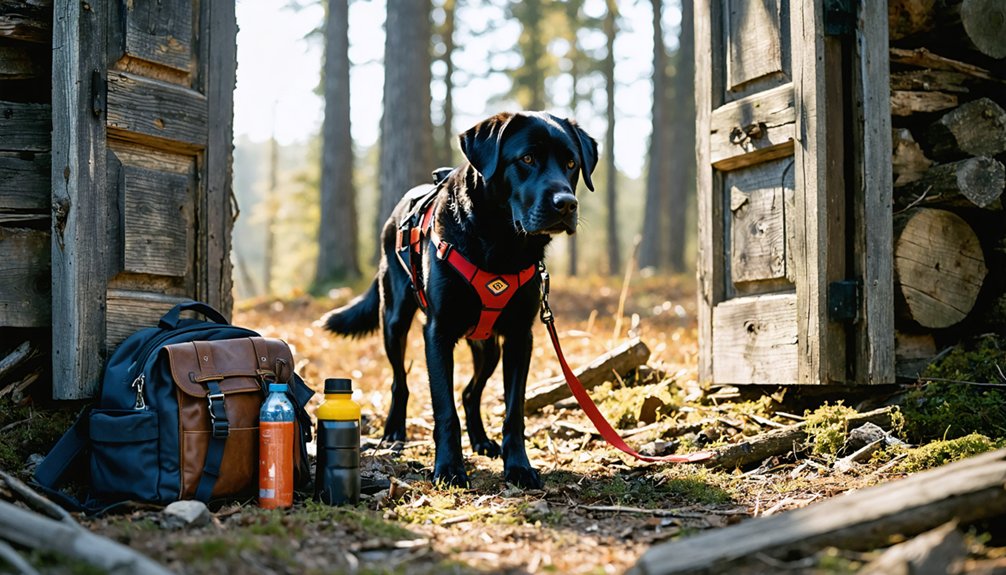
Adventure calls, but stepping into abandoned settlements with your four-legged companion requires more than enthusiasm—it demands careful preparation. Dog safety becomes paramount when exploring crumbling structures and unfamiliar terrain where veterinary help isn’t around the corner.
Your gear essentials should prioritize protection and communication. Pack a sturdy harness with updated ID tags, portable water supply, and a lightweight first-aid kit designed for canine injuries. Don’t forget booties for rough surfaces and LED collars for low-light exploration.
Essential preparation checklist:
- Navigation tools: GPS device, offline maps, and reflective trail markers for marking safe routes
- Emergency supplies: First-aid kit, emergency vet contacts, and recent photos of your dog
- Environmental protection: Weatherproof gear, tick preventatives, and portable rest mats
- Behavior management: Long leashes, calming aids, and high-value treats for recall training
Top Virginia Destinations for Paranormal Tourism With Pets
Virginia’s haunted coastline offers you and your four-legged companion some of the country’s most dog-welcoming paranormal experiences, from Williamsburg’s candlelit colonial streets to Yorktown’s explicit pet-friendly ghost walks that run year-round.
You’ll discover that many of the state’s smaller haunted towns tucked along river corridors provide accessible trails through abandoned mill sites and Civil War ruins where leashed dogs can explore alongside you during daylight hours.
Whether you’re drawn to organized tours with professional ghost hunters or prefer wandering through historic cemeteries and forgotten settlements on your own, Virginia’s concentration of 170+ haunted locations means you’ll never run out of spine-tingling adventures to share with your pet.
Historic Coastal Ghost Tours
When moonlight dances across Virginia’s haunted coastline, you’ll discover some of the most spine-tingling ghost tours in America that welcome both you and your four-legged companion.
Virginia Beach’s #1 ranked walking tour operates year-round, led by historian guides who’ll regale you with tales of witch trials and undead spirits while your canine companions explore the coastal boardwalk.
- Virginia Beach Ghost Tours – Nightly walks featuring King Neptune Statue and Norwegian Lady Statue with witch trial stories
- Hampton’s Fort Monroe – Civil War bloodshed sites with Lady in White legends at this historic monument
- Ferry Plantation House – 11 resident ghosts including drowned victims in this 1642 settlement
- Cape Henry Lighthouse – Shipwreck tales and sea monster sightings create perfect ghostly encounters
These coastal adventures blend maritime history with supernatural thrills.
Small Town Haunted Sites
Beyond the bustling coastal attractions, Virginia’s intimate small towns harbor some of the state’s most compelling paranormal experiences where you and your dog can walk cobblestone streets steeped in centuries of ghost stories.
Yorktown’s candlelit Main Street tours let you explore Revolutionary War haunted history alongside your leashed companion for just $10-$14.
In Colonial Williamsburg, you’ll discover ghostly legends while strolling exterior routes past the infamous Peyton Randolph House.
Alexandria’s waterfront cobblestones echo with maritime spirits, while Charlottesville’s Maplewood Cemetery welcomes quiet dogs during small-group tours.
Lynchburg’s Old City Cemetery perimeter offers documented paranormal encounters on public sidewalks.
These intimate venues provide freedom from crowded attractions, letting you and your four-legged friend experience Virginia’s supernatural side at your own pace.
Booking Resources and Tour Operator Policies for Pet Owners

How do you secure the perfect ghost town getaway that welcomes both you and your four-legged companion? Start with Airbnb’s booking platforms, where you’ll discover hidden gems like that elegant 1760s Alexandria home featuring Underground Railroad history and off-leash garden access.
Pet policies vary dramatically between accommodations, so always verify restrictions upfront.
Don’t let surprise pet restrictions turn your dream getaway into a booking nightmare—always confirm policies before finalizing reservations.
- Steeles Tavern Manor offers 50 acres of roaming freedom with creek trails and fishing privileges
- Inn at Meander limits 2 dogs per room with $25 non-refundable fee and 80-acre trail access
- Omni Homestead Resort combines National Historic Landmark status with extensive pet amenities
- Visit Shenandoah provides centralized listings for easy family travel planning
Book directly through official channels to verify pet policies remain honored and avoid last-minute surprises that could derail your supernatural adventure.
Real Visitor Experiences and Practical Tips From Fellow Dog Owners
Countless dog owners who’ve explored Virginia’s ghostly destinations share strikingly similar advice: prepare for the unexpected and pack like you’re heading into uncharted territory.
You’ll navigate cobblestone streets and candlelit paths where proper leash control prevents dangerous slips. Pack reflective gear for nighttime visibility and fresh water since historic downtowns rarely offer convenient hydration stops.
Mastering canine etiquette becomes essential during storytelling segments—excessive barking will get you escorted off tours.
Experienced owners recommend short leashes around derelict buildings and broken glass at abandoned sites like Union Level. They emphasize waste cleanup, current vaccinations for rural wildlife encounters, and respecting private property boundaries.
Most importantly, guarantee your dog handles crowds comfortably before booking group tours.
Frequently Asked Questions
What Should I Do if My Dog Gets Scared During a Ghost Tour?
Seventy percent of dogs experience fear in unfamiliar environments. You’ll need calming techniques like gentle petting, treats, and quiet reassurance. Remove your dog immediately from the scary situation, prioritizing their emotional wellbeing over continuing the tour adventure.
Are There Age or Size Restrictions for Dogs on Virginia Ghost Tours?
Most Virginia ghost tours don’t publish specific age requirements for dogs, focusing on behavioral maturity instead. Dog size guidelines vary—small pups can often ride in carriers while larger dogs need leashes outdoors.
Can I Bring Multiple Dogs on the Same Ghost Tour Booking?
You can bring multiple dogs on most Virginia ghost tours if they’re well-behaved and leashed. Dog tour logistics vary by operator, but group size limits aren’t typically restricted—your pack’s behavior matters most.
What Happens if My Dog Needs Bathroom Breaks During Long Ghost Walks?
You’ll need to step aside quietly during tours for bathroom breaks. Most guides understand emergency options and bathroom etiquette with pets. Plan strategic stops during Yorktown’s ninety-minute walks to avoid disrupting other participants.
Do Ghost Tours Offer Refunds if My Dog Becomes Disruptive?
Like morning mist, refund policies remain unclear across Virginia’s ghost tours. You’ll find no explicit guarantees if your dog disrupts proceedings. Follow proper dog etiquette and tour guidelines beforehand—prevention beats hoping for monetary salvation later.
References
- https://www.visityorktown.org/736/Yorktown-Ghost-Walk
- https://www.bringfido.com/attraction/tours/city/williamsburg_va_us/
- https://www.tripadvisor.com/Attraction_Review-g6936610-d16774210-Reviews-Union_Level_Ghost_Town-Mecklenburg_County_Virginia.html
- https://www.bringfido.com/attraction/39859
- https://lizzie-borden.com/ghost-tours/virginia-beach/
- https://www.gopetfriendly.com/blog/explore-pet-friendly-ghost-towns-with-your-furry-travel-buddy/
- https://vegcharlottenc.com/2024/10/05/road-tripping-with-dogs-the-trans-allegheny-lunatic-asylum/
- https://www.bringfido.com/attraction/39846
- https://www.vabeach.com/virginia-beach-things-to-do/amusement-parks/histories-and-haunts-ghost-walks/
- https://usghostadventures.com/faq/