To road trip to Belleville, California, start at Big Bear Lake and drive north on Holcomb Valley Road for five to eight miles. You’ll find no welcome signs, no visitor center, just open terrain scattered with old graves, rusting equipment, and a weathered cabin from the 1860s gold rush. Cell service is sparse, so bring offline maps and water. There’s much more to uncover about this forgotten boom town than first meets the eye.
Key Takeaways
- Belleville sits in Holcomb Valley, reachable by driving north on Holcomb Valley Road for 5 to 8 miles from Big Bear Lake City.
- No formal entrance or visitor center exists, so bring offline maps, plenty of water, and expect fully self-guided exploration.
- Check your vehicle’s ground clearance beforehand, as Holcomb Valley Road is rugged and may challenge standard passenger cars.
- Explore remnants including old graves, mining shafts, rusting equipment, and a weathered cabin scattered across open mountain terrain.
- Visit in the morning wearing sturdy boots, and never remove or disturb any historical artifacts found on site.
What’s Left of Belleville Ghost Town Today
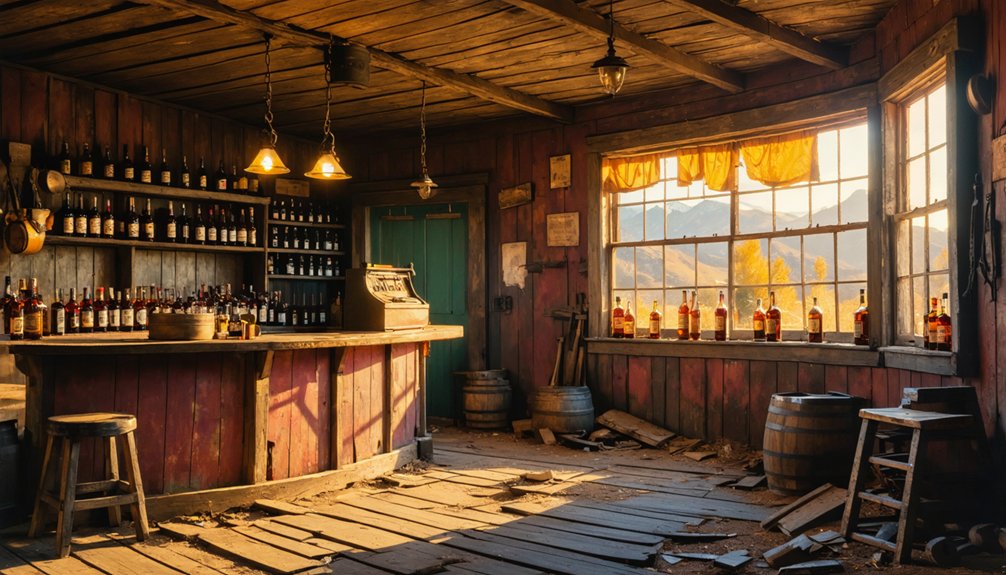
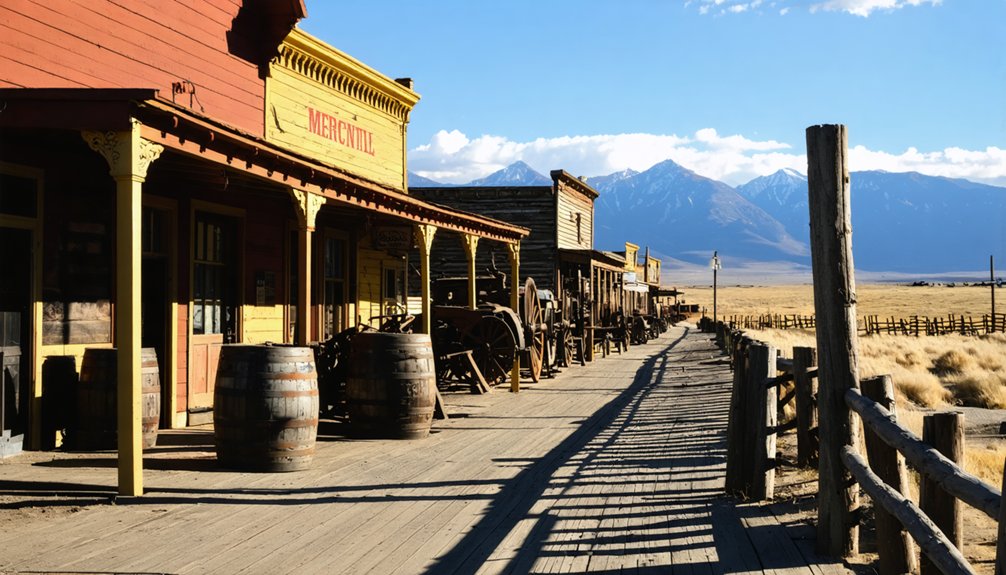
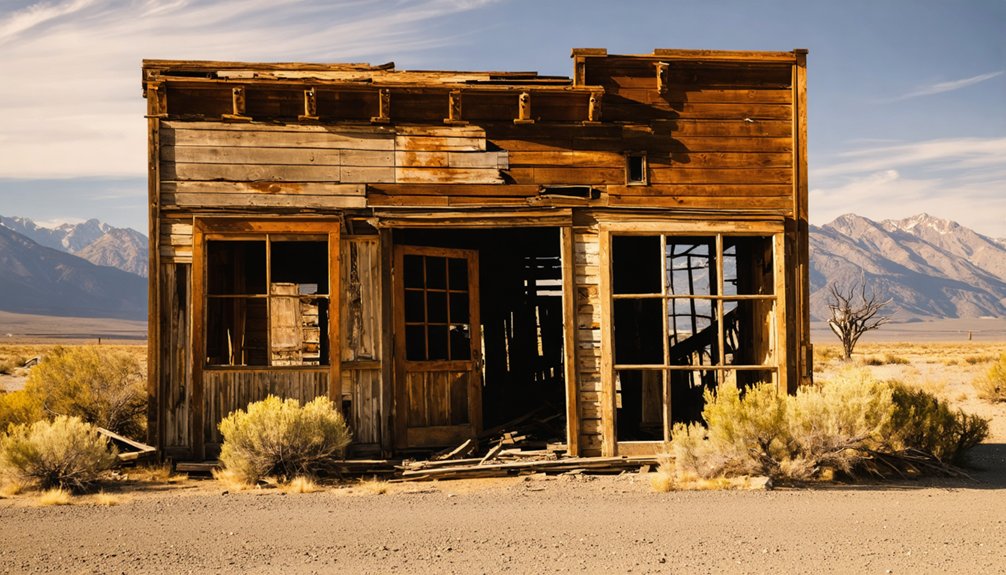
Though Belleville once bustled with 10,000 residents, stores, saloons, and mills, you’ll find almost nothing standing today. What remains are scattered historical artifacts — old graves, mining shafts, a weathered cabin, and rusting equipment half-swallowed by the San Bernardino Mountains. These remnants speak louder than any museum exhibit ever could.
Preservation efforts in Holcomb Valley remain minimal, which means you’re fundamentally walking through an unfiltered slice of California’s gold rush past. No guardrails, no guided tours — just open terrain and raw history beneath your boots.
More than 2,000 hobbyist prospectors still work claims nearby, keeping the valley’s spirit alive in their own way. If you crave authentic exploration over polished attractions, Belleville delivers exactly that kind of freedom.
Why Belleville Boomed: and Emptied Out: in Less Than a Decade
When William F. Holcomb struck gold in 1860, he ignited a rush that transformed an empty mountain valley into Southern California’s richest gold-mining district almost overnight. The economic impact was staggering — Belleville swelled to roughly 1,500 residents, businesses multiplied, and miners pulled up to 50 ounces of gold weekly from the earth.
The historical significance extends beyond raw numbers; Belleville briefly ranked as California’s third-largest community.
But the boom carried its own expiration date. Surface placer deposits exhausted quickly, and by the late 1860s, the gold simply wasn’t there anymore. Most residents cleared out after 1870, chasing the next strike elsewhere.
Within a decade, the crowds vanished, leaving behind only silence, scattered graves, and the mountain air you’ll breathe when you visit today.
How to Reach Belleville From Big Bear Lake
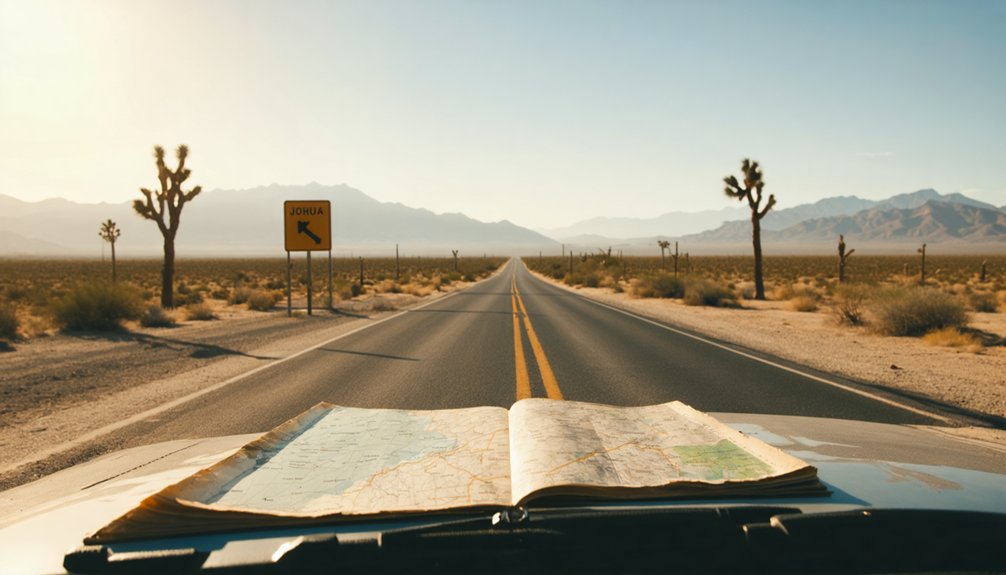
Getting to where all that history happened is straightforward. From Big Bear Lake City, head north on Holcomb Valley Road and drive five to eight miles into the San Bernardino Mountains. The road pulls you through terrain that once echoed with the boots of 10,000 prospectors chasing Southern California’s richest gold strike.
As you roll through Holcomb Valley, you’re tracing the same route tied to local legends about county seat ambitions and historical anecdotes about Belle, the blacksmith’s daughter who gave the town its name. Watch for unmarked turnoffs leading toward scattered remnants — old graves, a weathered cabin, rusting mining equipment.
There’s no dramatic entrance sign. That absence is part of the experience. You’re finding it yourself, just like the original prospectors did.
Hiking, Mining Relics, and Off-Road Trails in Holcomb Valley
Once you leave the road behind, Holcomb Valley opens into genuine backcountry — a hiker’s paradise layered with mine shafts, tunnels, old graves, and rusting equipment left by prospectors who once pulled up to 50 ounces of gold a week from these hills.
You’ll find a simple cabin still standing, silent evidence of lives built fast and abandoned faster. Off-road trails thread through terrain that rewards exploration over comfort.
This landscape carries real cultural heritage — every collapsed shaft and scattered tool represents Southern California’s richest gold-mining era. Preservation efforts remain modest, so tread carefully and leave what you find.
More than 2,000 hobbyist prospectors still work claims here, keeping that restless spirit alive. Holcomb Valley doesn’t perform history; it simply holds it, waiting for you to discover it yourself.
What to Know Before Driving to Holcomb Valley
Reaching Belleville means heading north from Big Bear Lake on Holcomb Valley Road, a drive of five to eight miles depending on your starting point. The road is manageable but rugged, so check your vehicle’s clearance before you go. Cell service gets spotty fast, so download offline maps and carry water.
You’re entering terrain where local legends once spread tales of a town that rivaled California’s greatest cities — and where historic landmarks like old grave sites and mining shafts still break through the brush. No formal visitor center greets you here. You navigate on your own terms, which is exactly the point.
Go in the morning, wear sturdy boots, and respect what remains. This land rewards the prepared and punishes the careless.
Frequently Asked Questions
Was Belleville Ever Officially Considered for San Bernardino County Seat?
No, you’ll find no historical preservation records supporting that legend. San Bernardino County confirms it never officially considered Belleville as its seat—yet that wild myth still fuels the town’s allure as one of California’s boldest tourist attractions.
Who Was Belle, and Why Was the Town Named After Her?
Like a wildflower marking wild terrain, Belle was a blacksmith’s baby daughter—the first child born in camp. Local legends and historical naming traditions honor her innocent arrival, giving you this spirited ghost town’s unforgettable name.
How Much Gold Could Miners Extract From Holcomb Valley Weekly?
You’d have witnessed miners pull up to 50 ounces of gold weekly through relentless gold extraction techniques. As mining equipment evolution drove their adventurous pursuit, Holcomb Valley’s rich veins rewarded those bold enough to chase freedom’s golden promise.
When Did the Last Active Mine in the Belleville Area Finally Close?
You’ll find that the Gold Mountain Mine, the last beacon of Belleville’s mining history, didn’t close until 1919 — a remarkable chapter in ghost town preservation that you can still explore today!
How Many Hobbyist Prospectors Still Work Claims in Holcomb Valley Today?
More than 2,000 claims are actively worked by hobbyist miner prospecting enthusiasts in Holcomb Valley today. You’ll find freedom out there, but remember claim regulations still govern the land where gold-seekers once struck it rich.
References
- https://main.sbcounty.gov/2025/12/11/san-bernardino-county-history-belleville-ca/
- https://www.legendsofamerica.com/ca-holcombvalley/
- https://www.yelp.com/biz/belleville-ghost-town-big-bear
- https://en.wikipedia.org/wiki/Belleville
- https://www.destination4x4.com/belleville-california-san-bernardino-county-ghost-town/
- https://www.ghosttowns.com/states/ca/belleville.html
- https://www.nevadaappeal.com/news/2019/feb/05/the-story-of-bellevilles-brief-fascinating-history/
- https://www.youtube.com/watch?v=vgycazOtv7Q