Planning a ghost town road trip to Potosi, Nevada means heading 30 miles southwest of Las Vegas into the rugged Spring Mountains, where Nevada’s first lode mine sits at nearly 5,705 feet elevation. You’ll trade polished tourist trails for raw, weathered history dating back to Mormon settlers in 1856. Bring a high-clearance vehicle, two gallons of water per person, and a sense of adventure. Everything you need to make this forgotten desert journey unforgettable is just ahead.
Key Takeaways
- Potosi, Nevada, sits 30 miles southwest of Las Vegas; take Highway 160 toward Pahrump, then transition onto dirt roads requiring high-clearance or 4WD vehicles.
- Spring and fall offer the best visiting conditions, with mild temperatures, wildflower blooms, fall foliage, and stable road access.
- Pack two gallons of water per person, high-calorie snacks, a paper map, first aid kit, and emergency gear for this remote trip.
- The site features Nevada’s first lode mine, discovered in 1856, with scattered relics; avoid entering dangerous old mine openings.
- All artifacts are federally protected—observe without touching, minimize environmental impact, and verify land access conditions before departing.
Why Potosi Is Nevada’s Most Overlooked Ghost Town
While Las Vegas draws millions of visitors each year, just 30 miles southwest lies a ghost town most Nevadans have never heard of. Potosi sits quietly in the Spring Mountains at nearly 5,705 feet, carrying a historic significance that most travelers completely miss.
This wasn’t just another frontier camp. It’s where Mormon settlers discovered lead ore in 1856, establishing Nevada’s first lode mine long before statehood. That mining history shaped the entire region’s economic identity.
Yet Potosi rarely appears on road trip lists, travel guides, or weekend itineraries. You won’t find crowds here. You’ll find rugged terrain, minimal ruins, and an honest slice of the American West that hasn’t been polished for tourists. That’s exactly what makes it worth your time.
How to Get to Potosi Ghost Town on Highway 160
If you’re starting from Las Vegas, you’ll head southwest on Highway 160 toward Pahrump for roughly 30 to 35 miles until the Spring Mountains rise into view.
From there, you’ll leave the pavement behind and navigate dirt roads that wind through rugged high-desert terrain toward Potosi Mountain.
Some stretches demand a high-clearance or 4WD vehicle, so you’ll want to assess your rig before committing to the final approach.
Starting From Las Vegas
Nestled about 30 to 35 miles southwest of Las Vegas, Potosi sits close enough for a rewarding day trip yet far enough to feel genuinely remote. You’ll head out on Highway 160 toward Pahrump, climbing through the Spring Mountains as the desert landscape shifts into rugged, high-elevation terrain. The drive itself rewards you with sweeping views and occasional glimpses of local wildlife traversing the scrubby hillsides.
Once you leave the pavement behind, dirt roads carry you toward the ghost town site at roughly 5,705 feet. Don’t expect polished trails or curated exhibits — historic artifacts here exist within a raw, largely undeveloped setting. Bring a high-clearance vehicle, water, and a sense of adventure.
The freedom you’re chasing starts the moment Las Vegas disappears in your rearview mirror.
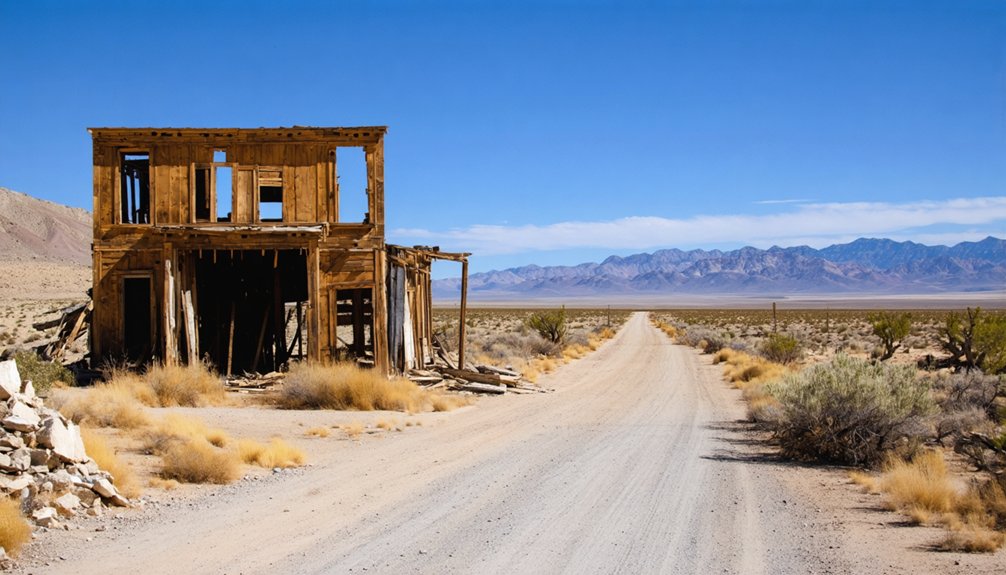
Once you’ve turned off Highway 160, the paved world drops away fast. Dirt roads take over, and you’ll want a high-clearance or 4WD vehicle to handle the rough terrain ahead. The Spring Mountains don’t forgive careless driving, so keep your speed low and your eyes sharp.
That said, the trade-off is worth it. Scenic viewpoints open up across the desert range as you climb toward 5,705 feet, rewarding every cautious mile.
When you finally reach the site, resist the urge to pocket anything — historical artifacts are legally protected, and removing them carries real consequences.
Check current road conditions before you leave Las Vegas. Routes shift, closures happen, and no ghost town is worth a broken axle or a citation.
What’s Left at the Potosi Mine Site Today?
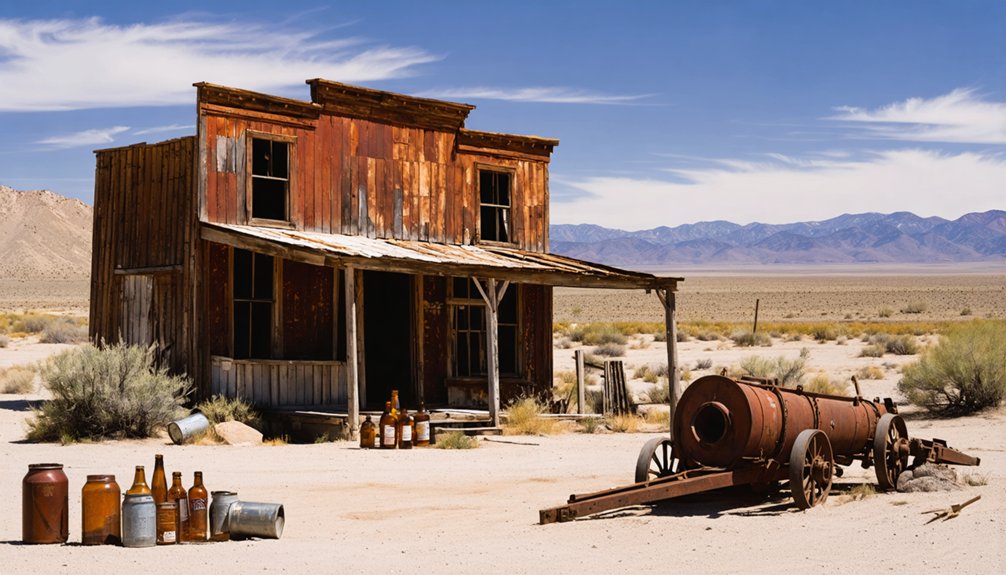
Although Potosi’s mining heyday ended well over a century ago, you’ll still find traces of its industrial past scattered across the site. Mining relics like tram remnants hint at the operation’s former scale, while the mine itself remains a quiet, weathered landmark against the rugged Spring Mountains backdrop.
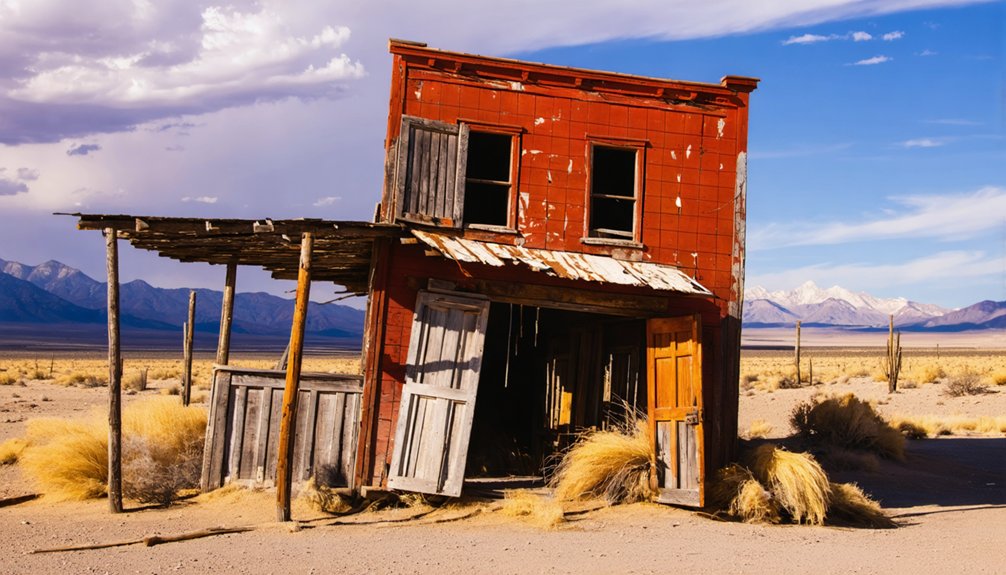
Physical remains are scant, so temper your expectations for dramatic ruins. What you lose in preserved structures, though, you gain in raw, unfiltered landscape.
Scenic viewpoints along the surrounding terrain reward curious explorers with sweeping desert mountain vistas rarely crowded with tourists.
Keep your distance from old mine openings since they’re genuinely dangerous.
The area is largely privately owned, so confirm current access conditions before heading out to avoid an unnecessary dead end.
What’s the Best Time of Year to Visit Potosi, Nevada?
Your best windows for visiting Potosi are spring and fall, when mild temperatures make the rough, unpaved roads far more manageable. The mountain scenery is genuinely rewarding during these times.
Summer heat can turn the drive into an ordeal, and the exposed terrain offers little relief once you’re out of the vehicle.
Winter brings its own challenges, as snow and ice can render the steep dirt access roads impassable even for high-clearance vehicles.
Spring And Fall Advantages
Spring and fall offer the most rewarding conditions for visiting Potosi, when mild temperatures make the unpaved mountain roads and rugged terrain far more manageable.
In spring, you’ll catch the wildflower bloom spreading color across the Spring Mountains, transforming the landscape surrounding Potosi Mountain into something genuinely worth the drive. The cooler air keeps the high-clearance roads comfortable to navigate, and the light hits the remnants of the old mine and tram with a clarity that rewards exploration.
Fall delivers its own payoff through fall foliage draping the higher elevations in amber and gold. You’ll find fewer crowds, steadier road conditions, and enough daylight to explore thoughtfully.
Both seasons give you the freedom to move through this remote, historically rich landscape at your own pace.
Summer Heat Concerns
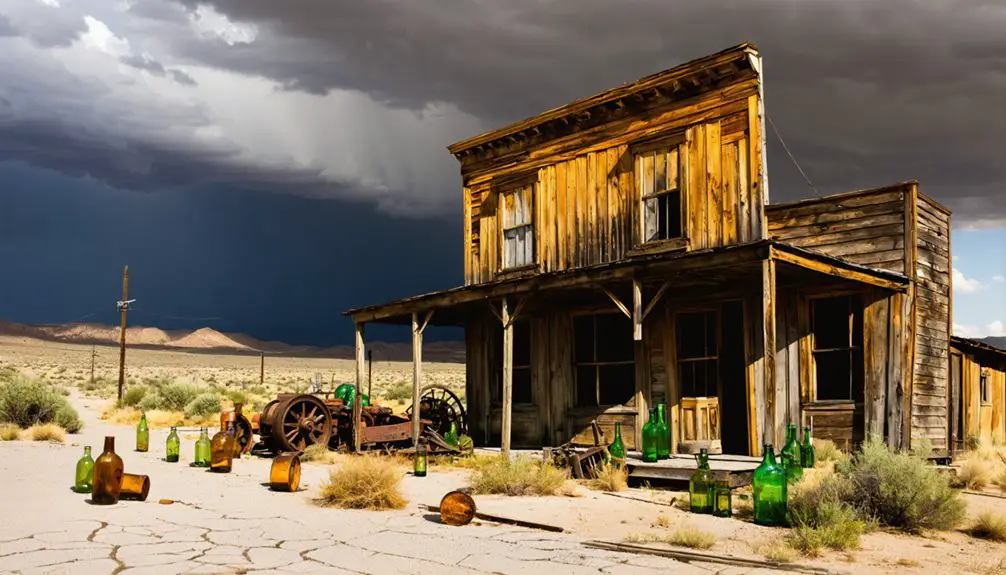
Timing your visit outside those mild-weather windows carries real consequences at Potosi. Summer heat in the Spring Mountains isn’t forgiving, and you’ll feel it quickly once you’re exposed to open terrain with little shade. Fading signage becomes harder to interpret when heat exhaustion clouds your focus, and abandoned equipment baking under direct sun creates additional burn hazards.
Watch for these summer-specific risks:
- Dehydration sets in fast on exposed mountain roads with no reliable water sources nearby.
- Vehicle overheating threatens rigs pushing through rough, unpaved switchbacks in high temperatures.
- Flash floods can suddenly block dirt access roads during monsoon season.
You’re chasing freedom out here, not a survival situation. Pack extra water, check forecasts carefully, and honestly consider rescheduling if temperatures are climbing.
Winter Road Conditions
Winter transforms the Spring Mountains into a different beast entirely, and those unpaved roads leading to Potosi don’t forgive miscalculations the way paved highways might. Snow hazards emerge quickly at elevations around 5,705 feet, turning manageable dirt tracks into slick, impassable stretches that strand unprepared travelers.
You’ll want serious vehicle preparations before attempting this route in colder months — think four-wheel drive, chains, and extra emergency supplies.
Highway 160 itself can ice over without warning, making even your approach from Las Vegas treacherous. Check road conditions through Clark County resources before you commit to the drive.
Winter does offer a stark, dramatic beauty across this high desert landscape, but that scenery isn’t worth the risk if you’re caught underprepared miles from help.
Can You Actually Drive to Potosi? Road Conditions Explained
Getting to Potosi takes you off the smooth asphalt and onto terrain that rewards preparation. From Las Vegas, head southwest on Highway 160, then shift onto unpaved dirt roads that demand respect. High-clearance or 4WD vehicles aren’t suggestions here — they’re smart choices.
Before you roll out, know what you’re heading into:
- Road surface: Expect rough, rutted dirt roads that shift with seasonal weather and rainfall.
- Vehicle requirements: High-clearance or 4WD vehicles handle the terrain far more safely than standard cars.
- Seasonal timing: Spring and fall offer the most manageable driving conditions.
Once you arrive, photography opportunities around the mine remnants and tram infrastructure make the journey worthwhile. Just remember — historical artifacts are federally protected, so explore with your eyes, not your hands.
What to Pack for the Potosi Ghost Town Road Trip
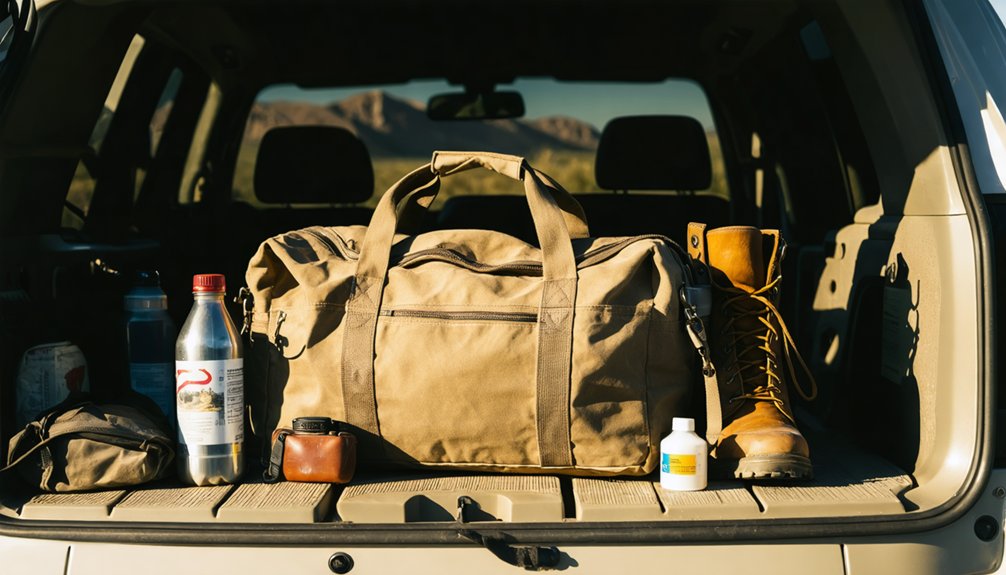
Before you load up the vehicle, packing smart for Potosi means planning for rough desert terrain, unpredictable mountain weather, and a site with zero amenities.
Your packing essentials should include at least two gallons of water per person, high-calorie snacks, a detailed paper map, and a fully charged phone with offline maps downloaded.
Safety gear matters just as much. Toss in a first aid kit, a flashlight, extra batteries, and an emergency blanket since mountain temperatures drop fast after sunset.
Sturdy hiking boots protect your ankles on uneven ground near mine remnants.
Bring sunscreen and layers because conditions shift quickly between Highway 160 and the higher elevation site.
A tow strap and basic tools round out your kit if the dirt road turns hostile.
Frequently Asked Questions
Is Potosi Ghost Town on Private Land or Public Property?
Much of Potosi sits on private land, so you’ll find public access is limited. Before you chase this ghost town’s freedom, verify current land status to guarantee you’re exploring legally and safely.
Are There Any Guided Tours Available at the Potosi Mine Site?
You won’t find formal guided tours handling mine history or tour logistics here, but you’re free to explore independently — picture yourself traversing rugged terrain, uncovering Nevada’s raw, untamed past on your own adventurous terms.
Can You Camp Overnight Near the Potosi Ghost Town Area?
You can camp overnight near Potosi’s rugged terrain, but you’ll want to research campground options in the Spring Mountains area first. Follow essential safety tips—check road conditions, pack supplies, and embrace that wild, liberating desert freedom.
Is Potosi Ghost Town Suitable for Children or Elderly Visitors?
Sure, pack Grandma’s walker and the stroller — rough dirt roads, steep terrain, and crumbling mine hazards await! For genuine family friendly activities and accessible sightseeing, you’ll want able-bodied adventurers who handle unpaved, high-clearance routes comfortably.
Are Pets Allowed When Visiting the Potosi Historic Site?
No clear pet restrictions exist, but you’ll want to keep pet safety front of mind. Rough terrain, old mine hazards, and rugged trails make Potosi challenging, so leash your adventurous companion and tread carefully together.
References
- https://nvtami.com/2023/12/05/las-vegas/
- https://travelnevada.com/ghost-town/
- https://www.wanderthewest.com/threads/ghost-town-tour.15966/
- https://www.reddit.com/r/roadtrip/comments/1fblvhm/ghost_towns_or_weird_stops/
- https://travelnevada.com/nevada-magazine/odyssey-of-a-ghost-town-explorer-part-6/
- https://www.destination4x4.com/potosi-nevada-ghosttown-clark-county/
- https://www.ghosttowns.com/states/nv/potosi.html
- http://kensphotogallery.blogspot.com/2014/01/potosi-mine-mt-potosi-canyon-road.html