Planning a ghost town road trip to Black Rock, Utah means heading about 20 miles north of Milford into southern Millard County’s raw Great Basin desert. You’ll find abandoned structures, historic artifacts, and zero crowds waiting for you. Visit in spring or fall to avoid brutal summer heat that can exceed 100°F. Download offline maps before you leave, since cell coverage disappears fast out here. There’s much more to know before you go.
Key Takeaways
- Black Rock is a near-ghost town in southern Millard County, roughly 20 miles north of Milford, Utah.
- Visit in spring or fall to avoid summer temperatures exceeding 100°F, which challenge both travelers and vehicles.
- Expect abandoned structures, historic artifacts, desert formations, and wildlife with no facilities or crowds on-site.
- Download offline maps and save GPS coordinates before departing, as cell coverage is unreliable in the area.
- Black Rock fits well into a 5–7 day, 600–800 mile loop including Frisco Ghost Town, Milford, and Beaver.
What Makes Black Rock, Utah Worth the Drive
Black Rock, Utah isn’t a destination with gift shops or guided tours — it’s a near-ghost town sitting quietly in the Beaver Bottoms of southern Millard County, about 20 miles north of Milford, and that’s exactly what makes it worth the drive.
You’ll find raw Great Basin scenery, traces of Utah’s settlement past, and the kind of stillness that reminds you why open roads exist.
Mining history shaped this corner of the desert, leaving behind physical and cultural remnants that reward curious travelers willing to explore off the beaten path.
Local legends add another layer, giving the landscape a story beyond what any highway sign could tell.
If you value authenticity over convenience, Black Rock delivers exactly that.
When to Go and How Heat Can Derail Your Plans
Timing your visit to Black Rock can make or break the experience, and the desert doesn’t forgive poor planning. Seasonal planning matters here — spring and fall offer the most forgiving conditions, with mild temperatures that let you explore without watching the clock.
Summer is a different story. Temperatures regularly push past 100°F, turning a straightforward desert drive into a genuine endurance test.
Climate considerations go beyond personal comfort. Extreme heat strains your vehicle, drains water supplies faster than expected, and shrinks your safe window for outdoor exploration.
Winter brings the opposite problem — snow can cut off higher-elevation routes entirely.
Your best windows are April through early June and September through October. Pick those months, and you’ll spend your energy on the history, not the heat.
What You’ll Actually Find When You Reach Black Rock
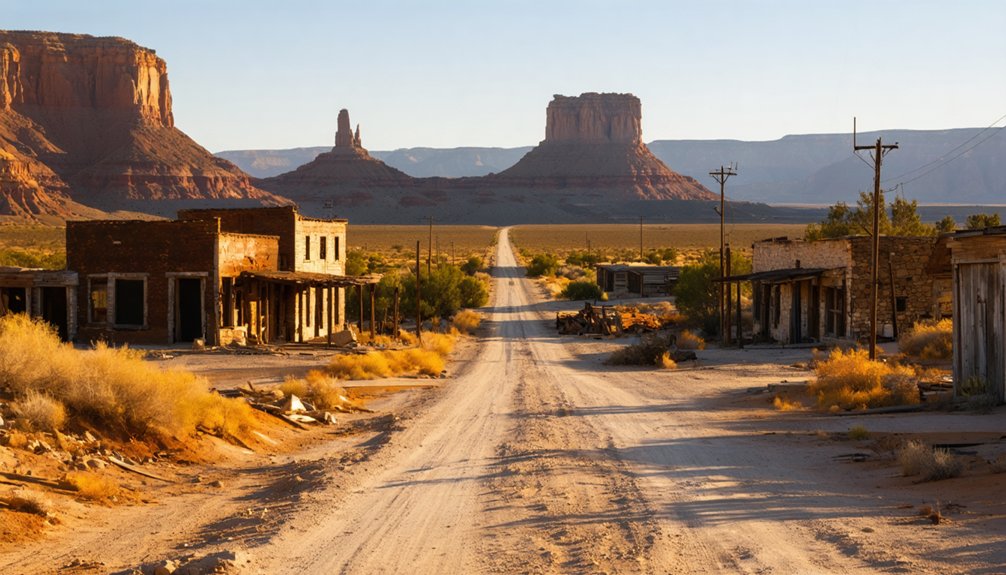
When you pull into Black Rock, don’t expect a curated museum experience or marked walking trails. You’re stepping into raw Utah history, where the landscape does the storytelling.
Here’s what you’ll likely encounter:
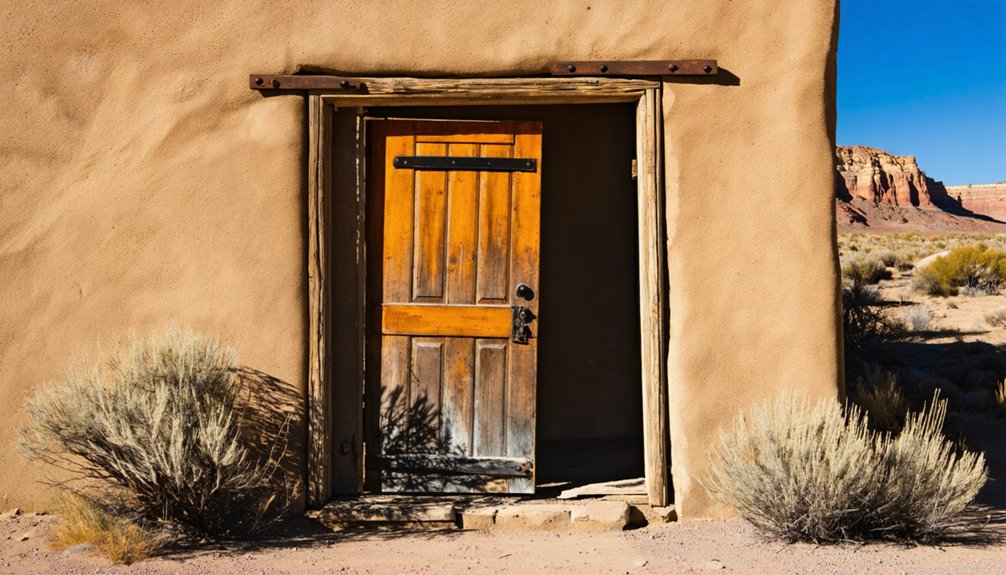
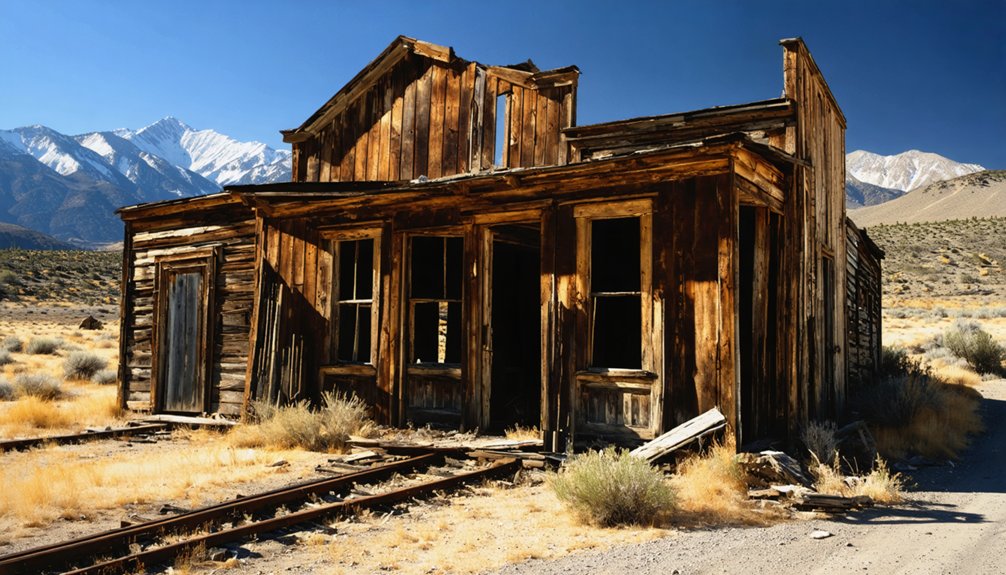
- Abandoned structures — weathered remnants of buildings that hint at the community’s settlement-era past
- Natural formations — striking desert geology shaped by the Great Basin’s dramatic terrain
- Local wildlife — birds, lizards, and desert creatures that have reclaimed the quiet land
- Historic traces — foundations, debris fields, and artifacts that reward observant visitors
Bring your camera and your curiosity. There’s no gift shop, no admission fee, and no crowds. It’s just you, the open desert, and a forgotten chapter of Utah’s history waiting to be read on your own terms.
Getting to Black Rock requires a bit more preparation than plugging an address into your phone and hitting go. Cell coverage in southern Millard County is unreliable, so don’t count on real-time directions once you leave Milford behind. Instead, write down the coordinates before you leave and load an offline map onto your device.
Use Milford as your anchor point — it sits about 20 miles south of Black Rock and serves as one of the most dependable local landmarks on this stretch of desert highway. From there, your navigation tools should take over, but always cross-reference with a physical map and compass.
Rural roads shift, signage disappears, and GPS occasionally lies. Prepare for those variables, and you’ll reach Black Rock without unnecessary detours.
How to Build a Utah Ghost Town Loop Around Black Rock
Black Rock works best as one anchor in a broader southern Utah loop rather than a standalone drive. A 5-to-7-day circuit starting from Salt Lake City lets you cover 600–800 miles efficiently while building in flexibility.
Structure your loop around these four stops:
- Black Rock – photograph crumbling remnants against wide desert skies; watch for local wildlife like pronghorn near the flats.
- Milford – refuel, grab supplies, and gather historical context.
- Frisco Ghost Town – dramatic ruins ideal for golden-hour photography tips: shoot low and wide.
- Beaver – a charming overnight base with services before heading north.
Map coordinates offline before leaving. Cell coverage disappears fast, and rural roads shift plans quickly. Treat each stop as a chapter, not a detour.
Frequently Asked Questions
Is Black Rock Located on Public or Private Land?
Ironically, freedom-seekers must check the rules first! Black Rock’s land status isn’t confirmed here, so you’ll want to verify historical preservation boundaries and local regulations before visiting to guarantee you’re accessing it legally.
What Essential Items Should I Pack for a Ghost Town Trip?
Pack water, a portable charger, map, compass, and flashlight. You’ll need offline navigation for dead zones. Bring your camera for photography tips and practice historical preservation by respecting every abandoned structure you’ll encounter.
How Many Days Should I Plan for a Utah Ghost Town Loop?
You’ll want to plan 5 to 7 days for your Utah ghost town loop, covering 600–800 miles. It’s perfect for exploring historical landmarks, capturing photography tips in action, and experiencing the desert’s raw, untamed freedom.
Are There Cellphone Reception Issues Near Black Rock, Utah?
You’ll feel like you’re on the moon out there — cell signal practically vanishes near Black Rock. Expect serious reception issues, so download offline maps and carry a compass before you hit those remote desert roads.
Is a 4×4 Vehicle Required to Reach Black Rock, Utah?
You don’t strictly need a 4×4, but rougher adventure segments recommend one. You’ll navigate remote desert terrain, supporting historical preservation while potentially experiencing wildlife encounters along the way, so always check road conditions before departing.
References
- http://cabbit777.blogspot.com/2025/01/black-rock.html
- https://en.wikipedia.org/wiki/Black_Rock
- https://www.overlandtrailguides.com/post/black-rock-desert-adventure-route
- https://www.deseret.com/utah/2023/1/21/23549285/utah-ghost-towns-mormon-history/
- https://x.com/i/grok/share/ABEvnMY8NC4da16h0ndNJqylY