Start your trip in Bozeman, then head west on Highway 84 toward Red Bluff, Montana’s forgotten 1864 gold rush town. You’ll find Tanners Hotel ruins, a stone schoolhouse, and scattered mining remnants from a community that once had 12 saloons and nearly 500 residents. Visit between May and September for the best conditions, and wrap up in nearby Norris to complete the story. There’s far more to this ghost town road trip than meets the eye.
Key Takeaways
- Red Bluff sits 34 miles west of Bozeman along Highway 84 in Madison County, Montana, at an elevation of 4,902 feet.
- Key sites include the Tanners Hotel ruins, a stone schoolhouse, and mining remnants located half a mile south of town.
- Visit between late spring and early fall for the best road and trail conditions when exploring the townsite and surrounding mountains.
- Start your trip in Bozeman, drive Highway 84, explore Red Bluff’s ruins, then finish in nearby Norris, just 3 miles west.
- Bring sturdy boots, plenty of water, a paper map, and photography gear to document ruins without removing any artifacts.
What Made Red Bluff a Ghost Town?
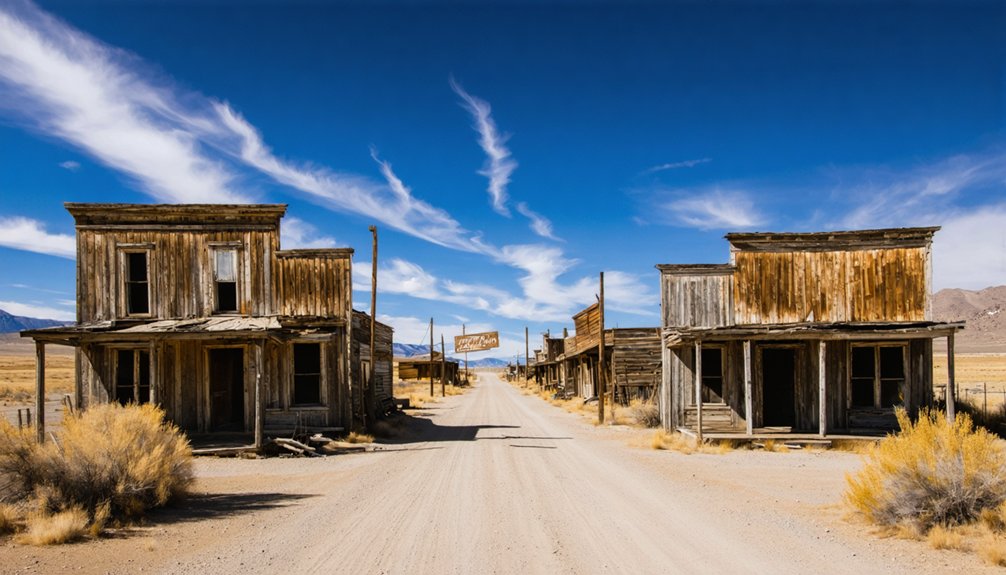
Red Bluff didn’t fade quietly — it was pulled apart by forces that reshaped the entire region. Historical mining drove its rise, bringing nearly 500 residents, 12 saloons, two gold mills, and a working post office to this once-thriving stage station founded in 1864.
Then the Northern Pacific Railroad arrived in 1890 — not in Red Bluff, but three miles west at the Alex Norris Ranch. That single shift redirected everything. Businesses followed the rail line, residents packed up, and the new town of Norris absorbed what Red Bluff had built.
By 1901, the school and post office had closed permanently.
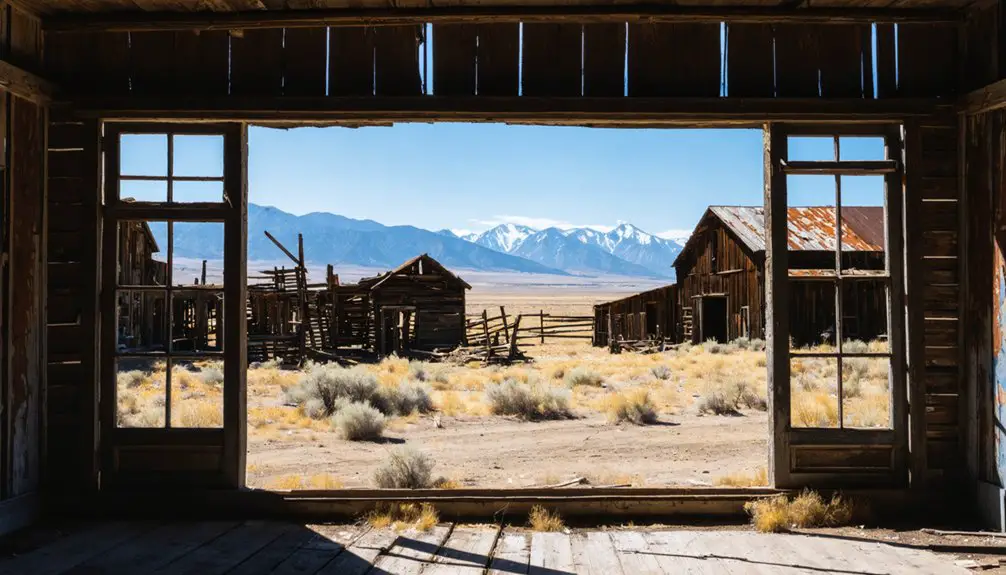
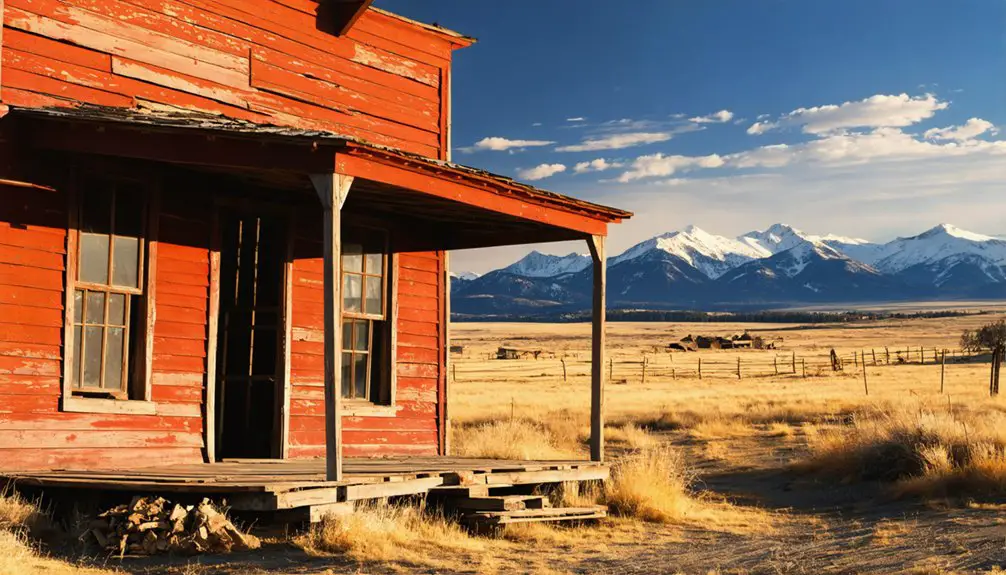
What you’ll find today are abandoned structures — the Tanners Hotel ruins, a stone schoolhouse, and mining remnants scattered south toward the Tobacco Root Mountains.
Where Exactly Is Red Bluff, Montana?
You’ll find Red Bluff sitting about 34 miles west of Bozeman, making it an easy and rewarding detour from the city. Highway 84 runs directly through the townsite, giving you straightforward road access without complicated backroad navigation.
The site falls within Madison County, Montana, a region deeply shaped by the late-19th-century gold mining boom that built and ultimately abandoned dozens of communities just like this one.
West Of Bozeman
Sitting about 34 miles west of Bozeman along Highway 84, Red Bluff is an easy launch from the city into Montana’s historic mining country. You’ll follow a route steeped in local legends of gold rushes, stagecoaches, and frontier ambition.
The drive places you in Madison County near the Norris area, where the land still carries quiet echoes of its boom-and-bust past. Historical preservation efforts have kept enough visible fragments standing to reward the curious traveler.
Pull over, explore the ruins along the highway, and let the landscape tell its story. Whether you’re chasing ghost towns for adventure or history, Red Bluff delivers both without demanding a long detour from Bozeman’s well-connected roads.
Highway 84 Access
Highway 84 puts Red Bluff right in your path, roughly 34 miles west of Bozeman in Madison County near the Norris area. The drive follows a natural corridor through Montana’s mining country, where the local geology shifts into the Tobacco Root Mountains terrain that once drew prospectors chasing gold.
You’ll find the townsite sitting at 4,902 feet elevation, making it an accessible stop without demanding serious backcountry preparation. Pull off and you’re already standing inside a landscape shaped by boom-era ambition and abrupt abandonment.
Historic preservation efforts here are minimal, which means what survives does so on its own terms — crumbling walls, scattered foundations, and open sky. That rawness is exactly what makes Red Bluff worth adding to your road-trip itinerary.
Madison County Location
Red Bluff sits in Madison County, tucked into a stretch of south-central Montana where ranching country bleeds into old mining terrain. You’re exploring a place where local folklore still echoes through crumbling foundations and scattered stone walls.
Here’s what anchors this location:
- You’ll find Red Bluff roughly 34 miles west of Bozeman along Highway 84.
- The nearby community of Norris serves as your closest modern reference point.
- The surrounding Tobacco Root Mountains frame the old mining grounds to the south.
- The elevation sits at 4,902 feet, giving the landscape a rugged, open character.
Preservation efforts here remain minimal, which means you’re seeing history in its rawest form — unpolished, unguarded, and completely honest about what time does to forgotten places.
What Happened at Red Bluff’s Gold Mine?
Gold drove everything at Red Bluff. When miners arrived in 1864, they built their lives around gold production, and the town responded fast. At its peak, two gold mills processed ore while 12 saloons, a post office, and a school served nearly 500 residents. That’s a full community carved out of Montana wilderness through mining history alone.
The mine itself sat about a half-mile south of town, 500 feet east of the road, tucked against the Tobacco Root Mountains. It earned recognition as an important producer before 1900, though exact output records remain unknown today.
When the gold economy weakened and the Northern Pacific Railroad bypassed Red Bluff in favor of a site three miles west, the town couldn’t survive. By 1901, everything had closed.
What’s Left to See at Red Bluff Today?
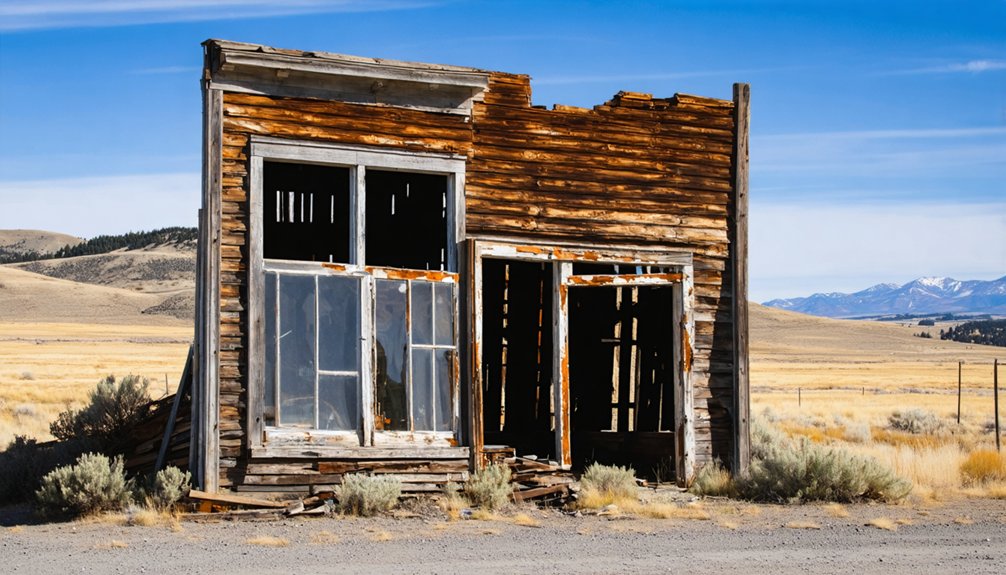
When you pull off Highway 84, you’ll spot the ruins of Tanners Hotel on the north side of the road, one of the few standing reminders of Red Bluff’s bustling past.
Cross to the south side and you’ll find a stone structure that once served as the town’s school.
If you’re up for a short drive southward on the county road, mining remnants tucked into the Tobacco Root Mountains round out the experience.
Tanners Hotel Ruins
What’s left of Red Bluff today is sparse but evocative. On the north side of Highway 84, you’ll spot the ruins of Tanners Hotel, one of the few surviving examples of historical architecture from the town’s 1860s boom years. Preservation efforts have been minimal, so what you see is raw and unfiltered.
When you stop here, take a moment to notice:
- The weathered stonework still holding its original shape
- The hotel’s north-facing position along the old stage route
- How the structure frames the surrounding landscape
- The contrast between the ruins and the open Montana sky
You’re standing where hundreds of miners, travelers, and merchants once passed through. That kind of tangible history is exactly why road trips like this matter.
Stone School Structure
Across the highway from Tanners Hotel, south of Highway 84, a stone structure marks where Red Bluff’s school once stood. This piece of historic architecture is one of the few tangible links to the town’s educational history, reminding you that nearly 500 residents once built a functioning community here.
When the railroad pulled economic life toward Norris, the school closed by 1901, leaving this stone shell behind. Unlike wooden buildings that surrendered to time, the stone construction endured, giving you something solid to stand beside and consider.
You’re looking at a place where children sat in classrooms while gold mills ran nearby and saloons lined the streets. It’s a grounding moment on any ghost-town road trip through Montana’s mining past.
Mining Remnants Nearby
South of the townsite, the Tobacco Root Mountains hold what remains of Red Bluff’s mining operation. You’ll find the mine sitting roughly half a mile south of town, about 500 feet east of the road.
For ghost town preservation enthusiasts, this area rewards a closer look. The mining history here shaped an entire community before 1900, making these remnants genuinely worth exploring.
Here’s what you’ll encounter:
- Visible mining traces scattered across the landscape
- A documented gold mine site with confirmed historic production
- County road access heading southward from the townsite
- An elevation setting of 4,902 feet with mountain views
You’re stepping into terrain that once drove a boom economy. Bring good footwear, respect the land, and let the silence tell the story.
How Do You Get to Red Bluff From Bozeman?
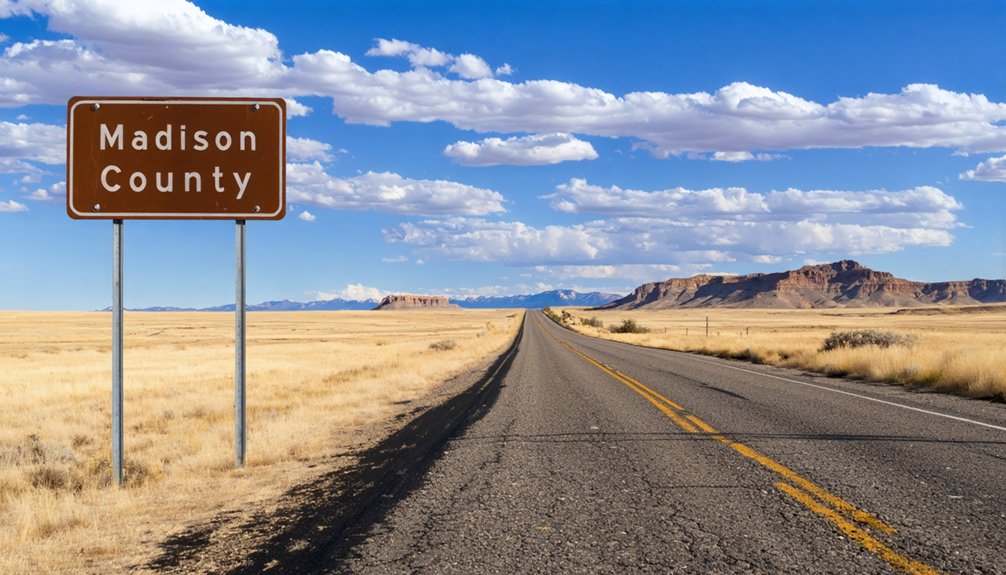
Getting to Red Bluff from Bozeman is a straightforward 34-mile drive west along Highway 84, making it an easy half-day detour from the city. You’ll cruise through open Montana landscape before spotting the historic townsite near the Norris area in Madison County.
Once you arrive, pull over and explore what preservation efforts have managed to protect — the Tanners Hotel ruins sit on the highway’s north side, while a stone schoolhouse stands to the south.
Local legends surrounding the town’s gold rush boom and rapid decline make every crumbling wall feel significant.
If you want to see mining remnants, head south on a county road toward the Tobacco Root Mountains. The mine sits roughly half a mile from the townsite, keeping your adventure compact and rewarding.
When’s the Best Time to Visit Red Bluff?
Late spring through early fall gives you the best window to explore Red Bluff, when Highway 84 stays clear and the surrounding Madison County landscape is easy to navigate on foot. Seasonal weather shapes your experience considerably here, so plan accordingly:
- May–June: Wildflowers frame the mining history remnants beautifully, and mild temperatures keep hiking comfortable.
- July–August: Peak visibility lets you photograph the Tanners Hotel ruins and stone schoolhouse without obstruction.
- September: Cooler air and golden light make this the most atmospheric month for ghost-town exploration.
- Winter: Snow closes county roads and cuts off access to mining remnants south of the townsite.
Stick to the warmer months, and you’ll move freely through this forgotten piece of Montana’s past.
Which Other Ghost Towns Can You Visit Along Highway 84?
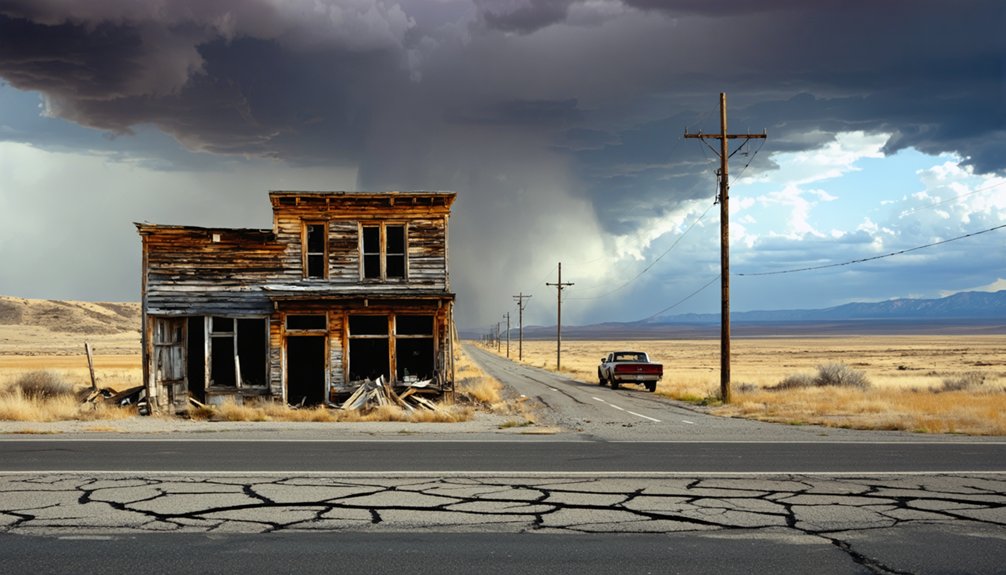
Once you’ve locked in your timing for Red Bluff, it’s worth stretching the trip into a fuller Highway 84 corridor run through Madison County’s ghost-town country.
Red Bluff is just the beginning — the whole Highway 84 corridor deserves your time and attention.
Norris sits just three miles west, offering a direct contrast — a town that survived because the Northern Pacific Railroad chose it over Red Bluff in 1890. That railroad shift carries real cultural significance, showing how infrastructure decisions shaped entire communities overnight.
From there, you can push deeper into the Tobacco Root Mountains, where scattered mining camps reflect broader historic preservation challenges facing Montana’s abandoned settlements.
Each stop adds context, turning a single ghost-town visit into a layered story about gold economies, railroad power, and community collapse.
Pack water, keep your tank full, and treat the corridor as one connected historical experience.
How Do You Build a Full Highway 84 Ghost Town Road Trip?
Building a full Highway 84 ghost town road trip starts with anchoring your route in Bozeman, just 34 miles east of Red Bluff, where you can fuel up, grab supplies, and orient yourself before heading west into Madison County’s mining history.
Structure your day around four priorities:
- Depart early to maximize golden-hour light for photography tips like shooting ruins at low angles against open sky.
- Stop at Red Bluff to document Tanners Hotel ruins and the stone schoolhouse for historical preservation awareness.
- Drive south toward the Tobacco Root Mountains to explore mining remnants.
- End in Norris to understand how the railroad reshaped the entire corridor.
Keep your itinerary loose enough to explore freely, but purposeful enough to cover everything before sundown.
What Should You Pack for Visiting Red Bluff and Nearby Ghost Towns?
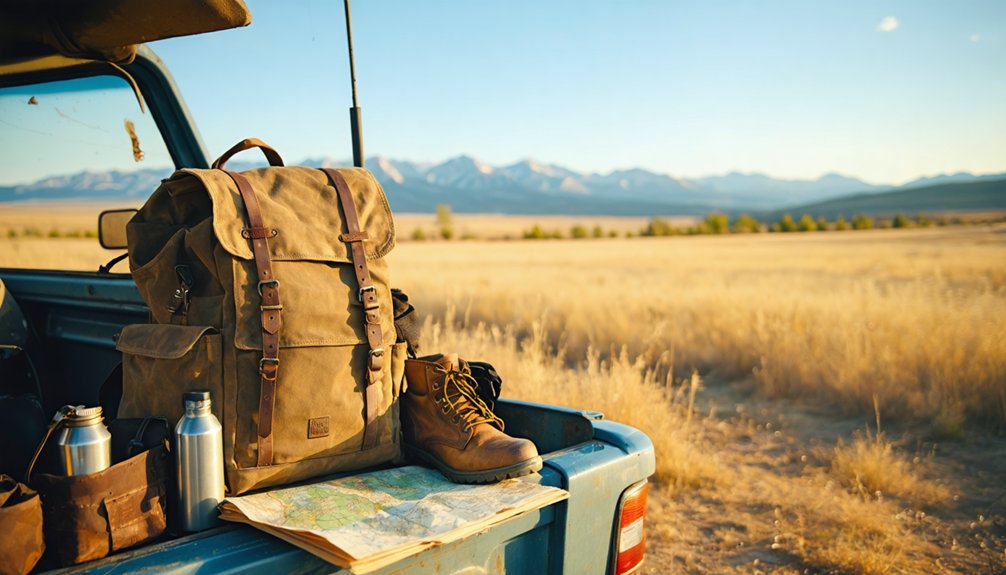
Packing smart makes the difference between a frustrating detour and a seamless ghost-town road trip. Bring sturdy boots since county roads and mining remnants south of Red Bluff involve uneven terrain. Carry plenty of water, snacks, and a paper map because cell service gets unreliable along Highway 84’s remote stretches.
Sturdy boots, extra water, and a paper map turn a remote ghost-town detour into a seamless adventure.
For photography tips, pack a wide-angle lens to capture the Tanners Hotel ruins and stone schoolhouse in full context, and shoot during golden hour for dramatic light against the bluffs. A polarizing filter helps reduce glare on weathered surfaces.
Never remove historical artifacts from the site. Instead, document everything with your camera and leave the remnants undisturbed for future explorers.
A small notebook for jotting historical details rounds out your essential kit perfectly.
Frequently Asked Questions
Is There an Entrance Fee to Visit Red Bluff Ghost Town?
You won’t part with a penny to explore Red Bluff’s historical preservation. It’s freely yours to discover, where local legends whisper through crumbling ruins along Highway 84, welcoming every free-spirited wanderer without restriction.
Can You Camp Overnight Near the Red Bluff Townsite?
No official campground exists at Red Bluff, so you’ll need to research campground regulations for nearby public lands. Always take safety precautions, stay aware of your surroundings, and embrace the freedom of Montana’s wide-open ghost-town country.
Are Guided Tours Available at Red Bluff or Nearby Ghost Towns?
No formal guided exploration exists at Red Bluff, but you’ll discover historical artifacts independently. You roam freely, you explore boldly, you uncover history on your own terms. Nearby Bozeman’s historical societies occasionally offer organized ghost-town tours worth checking out.
Is Red Bluff Accessible for Visitors With Mobility Limitations?
Red Bluff’s terrain isn’t fully wheelchair friendly, but you’ll find mobility accessibility along Highway 84, where you can view Tanners Hotel ruins and the stone schoolhouse without venturing onto rugged, uneven ground.
Are Pets Allowed When Exploring the Red Bluff Ghost Town Site?
Like Steinbeck’s open road, you’re free to roam! Pet policies aren’t officially restricted at Red Bluff, but keep your pets leashed—wildlife encounters in Montana’s rugged Tobacco Root Mountains can arise unexpectedly, ensuring everyone’s safety.
References
- https://catchcarri.com/trip-ghost-towns-tell-montanas-storied-past/
- https://westernmininghistory.com/mine-detail/10107927/
- https://www.legendsofamerica.com/red-bluff-montana/
- https://agresearch.montana.edu/campusfarms/redbluff.html