Centralia, Pennsylvania isn’t your typical road trip stop — it’s a smoldering ghost town where an underground coal fire has been burning since 1962. Streets crack and smoke vents push toxic gases to the surface, while fewer than five residents remain in what was once a community of 1,000. You’ll find abandoned foundations, overgrown lots, and eerie silence around every corner. Stick around, and you’ll uncover everything you need to plan your visit safely and confidently.
Key Takeaways
- Carpentertown, Pennsylvania, is a ghost town remnant of the coal mining era, offering a glimpse into the region’s industrial and labor history.
- Plan your visit during fall or foggy mornings for the most atmospheric and eerie experience while exploring the abandoned landscape.
- Be aware of safety hazards like unstable ground and toxic gases; always stay on established paths during your visit.
- Nearby Ashland offers complementary attractions, including the Pioneer Tunnel Coal Mine, deepening your understanding of the anthracite coal industry.
- Weekday mornings during shoulder seasons provide the quietest, most personal experience when exploring ghost towns like Carpentertown.
What Makes Centralia, Pennsylvania a Ghost Town Worth Visiting?
Though Pennsylvania has no shortage of forgotten places, Centralia stands apart as the state’s most hauntingly compelling near-ghost town. Its streets are still smoking from an underground coal mine fire that’s been burning since 1962.
Centralia’s streets still smoke. Beneath them, a coal fire has burned, uninterrupted, since 1962.
You’ll find urban legends woven into every cracked sidewalk and overgrown lot. Stories born from real disaster rather than imagination.
Once home to 1,000 residents, Centralia now counts just five. The state has all but erased it from official maps.
Haunted legends draw curious travelers from across the country, yet Pennsylvania’s Department of Environmental Protection actively discourages visits through its “Stay Out – Stay Alive” program.
Toxic gases, sinkholes, and unstable ground make the site genuinely dangerous.
That tension between freedom to explore and real physical risk is exactly what makes Centralia unforgettable.
Is It Safe to Visit Centralia Today?
Visiting Centralia today means accepting real, documented risk. Pennsylvania’s Department of Environmental Protection runs a program literally called “Stay Out – Stay Alive,” and they mean it. Underground fires burn beneath your feet, releasing toxic gases and creating unstable ground that can collapse without warning.
If you visit despite the warnings, stay alert. Wildlife encounters are possible since nature has reclaimed much of the land, but don’t let curiosity pull you off established paths.
For photography tips, shoot from road level rather than wandering onto compromised ground — the smoking vents, abandoned streets, and eerily quiet landscape photograph dramatically from safe distances, especially during fog or overcast light.
You value freedom, but informed freedom means knowing when a location’s hazards genuinely outweigh the experience.
What You’ll See Walking Centralia’s Abandoned Streets
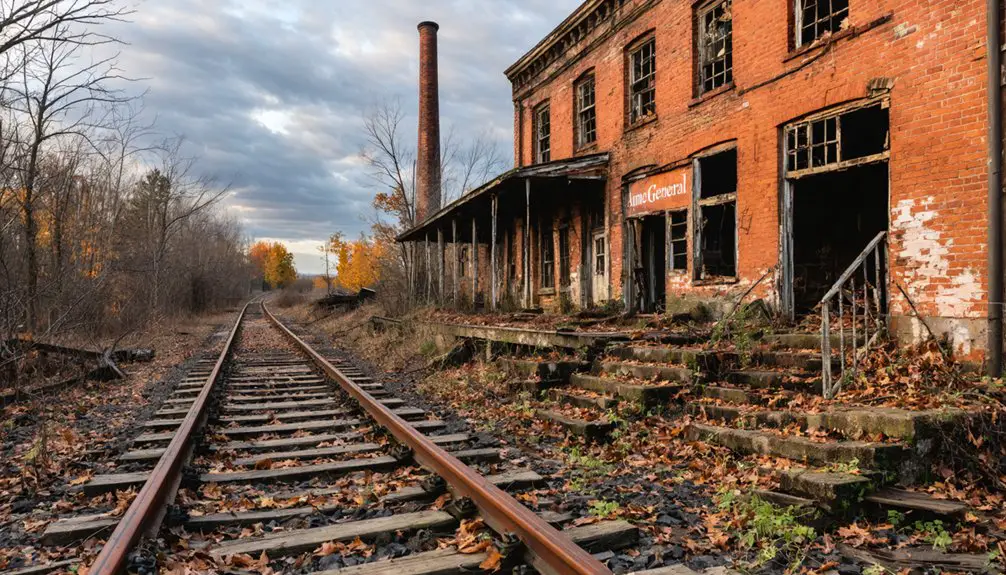
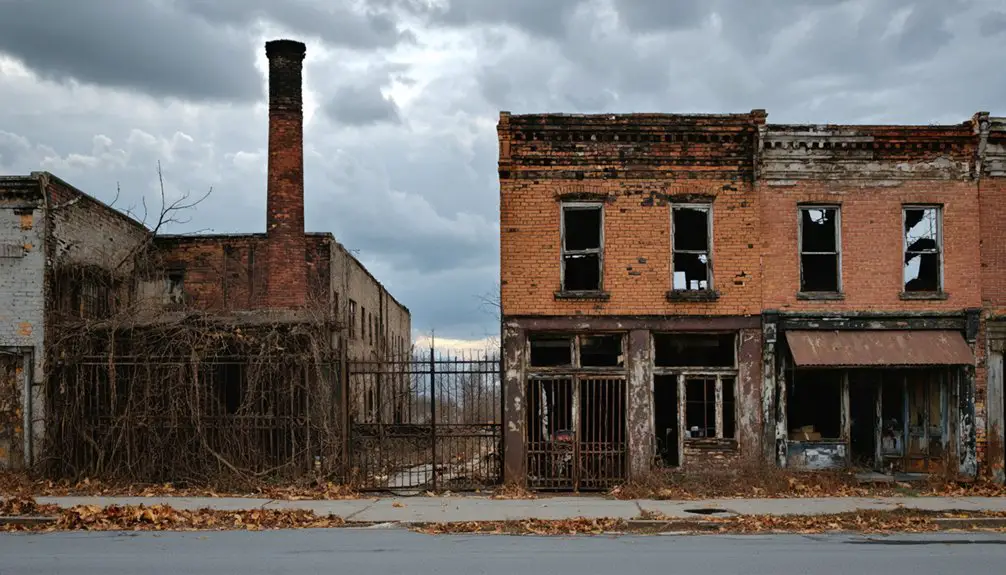
What remains of Centralia’s streets offers a landscape that feels genuinely unsettling — cracked asphalt, overgrown lots where houses once stood, and wisps of smoke curling up through vents in the earth. You’ll notice urban decay at every turn, from buckled sidewalks to empty foundations reclaimed by weeds and silence.
Cracked asphalt, smoke rising from the earth, weeds swallowing foundations — Centralia doesn’t perform its decay. It just *is* it.
A few structures still stand, including a church and scattered cemeteries that anchor the town’s fading identity. The historic ruins speak quietly but powerfully about the community that thrived here before 1962.
Street signs still mark intersections leading nowhere. The smoke vents remind you that something dangerous still burns below your feet.
It’s a raw, unfiltered glimpse into collapse — not staged, not curated, just the slow erasure of a place time and fire consumed together.
When Should You Make the Drive to Centralia?
Timing your visit to Centralia shapes the entire experience, so choose your season deliberately. Fall delivers the most atmospheric conditions — cool air, muted light filtering through leafless trees, and ground vents releasing visible steam against crisp temperatures. That eerie contrast reinforces Centralia’s historical significance as a town preservation cautionary tale unlike anywhere else in America.
Avoid summer weekends when curiosity seekers crowd the remaining streets, diluting the solitude that makes this place genuinely haunting. Spring works well if you don’t mind mud and unpredictable weather — the isolation feels raw and real.
Weekday visits during shoulder seasons give you the borough nearly to yourself. Arrive in the morning before fog burns off. That quiet hour, walking cracked pavement with smoke rising nearby, makes the town’s slow erasure feel undeniably personal.
Coal Region Stops Near Centralia Worth the Detour
Centralia doesn’t exist in isolation — the surrounding Coal Region holds stops that deepen everything the borough represents. Ashland sits just a few miles away, carrying its own historical significance through its ties to anthracite mining and early labor movements that shaped American industrial history.
Walking those streets, you feel the weight of what coal once demanded from the people who extracted it. Local legends of labor strikes and dangerous working conditions echo through the region’s museums and monuments.
The Pioneer Tunnel Coal Mine in Ashland lets you descend into an actual horizontal mine shaft, grounding Centralia‘s story in something tangible. These nearby stops transform your road trip from a single eerie destination into a fuller reckoning with what this corner of Pennsylvania built, burned, and ultimately lost.
Frequently Asked Questions
How Long Does a Typical Visit to Centralia Usually Last?
You’ll typically spend 1–2 hours exploring Centralia’s eerie, smoke-filled streets. Urban exploration here feels raw and unrestricted, though you’d want to respect photography restrictions near hazardous vents while capturing this hauntingly abandoned landscape.
Is There an Admission Fee or Permit Required to Visit Centralia?
Paying’s not required — you’ll freely find no fees or permits for Centralia. Still, state safety warnings stand strong, so sidestepping haunted myths and ghost stories, you’re entering at your own risk amid real, dangerous underground hazards.
Are Guided Tours of Centralia Available Through Any Local Organizations?
You won’t find official guided tour options or established local tour providers for Centralia. You’re free to explore independently, but you’ll want to respect state warnings about the underground fire’s serious, life-threatening hazards nearby.
Can Visitors Legally Take Photographs or Film Inside Centralia Today?
You can legally photograph and film Centralia’s haunting landscape, but don’t ignore the photography restrictions tied to urban exploration safety warnings — the state’s “Stay Out, Stay Alive” program means you’re entering at your own serious risk.
What Major Highways Provide the Most Direct Route to Centralia?
You’ll reach Centralia’s abandoned buildings via Interstate 80, then Route 61 north. It’s your gateway to urban exploration in Pennsylvania’s eeriest near-ghost town, sitting roughly 100 miles north of Philadelphia through Northeastern Pennsylvania’s scenic backroads.
References
- https://en.wikipedia.org/wiki/Centralia
- https://www.youtube.com/watch?v=fm3wxSOqlYM&vl=en-US
- https://pabucketlist.com/the-rise-and-fall-of-centralia-pas-toxic-ghost-town/
- https://en.wikipedia.org/wiki/List_of_ghost_towns_in_Pennsylvania