Planning a road trip to Furnace, California means driving deep into Death Valley’s rugged heart, where a copper boom once drew thousands and left behind rusted stamp mills, crumbling mine shafts, and scattered artifacts. You’ll need a capable 4WD vehicle, plenty of water, and a satellite communicator. Start from Shoshone via highways 127 and 178, then navigate unforgiving dirt roads through Greenwater Valley. Visit in spring or autumn to avoid deadly heat. Everything you need to plan your trip is ahead.
Key Takeaways
- Furnace is accessible from Shoshone, California, via highways 127 and 178, requiring a 4WD vehicle on rugged dirt roads.
- Visit during spring or autumn for mild temperatures, wildflower blooms, and safer exploration of ruins and mine shafts.
- Explore three standing stamp mills, scattered mining artifacts, and nearby Kunze townsite ruins connected by jeep trails.
- Carry at least one gallon of water per person daily, a first-aid kit, recovery gear, and a satellite messenger.
- Avoid summer visits entirely, as temperatures exceed 134°F and ground surfaces can reach dangerous highs of 200°F.
What’s Left to See at Furnace Ghost Town
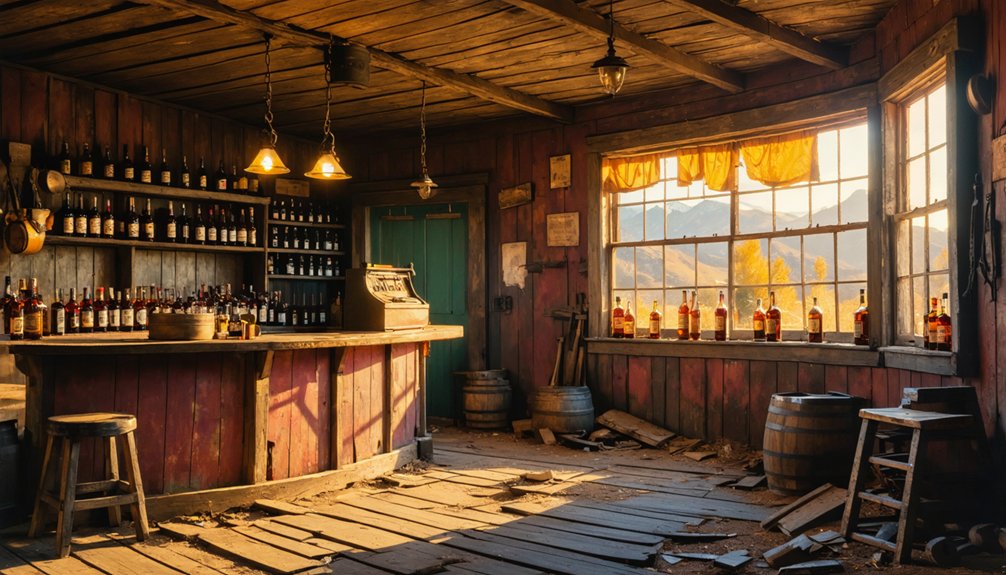
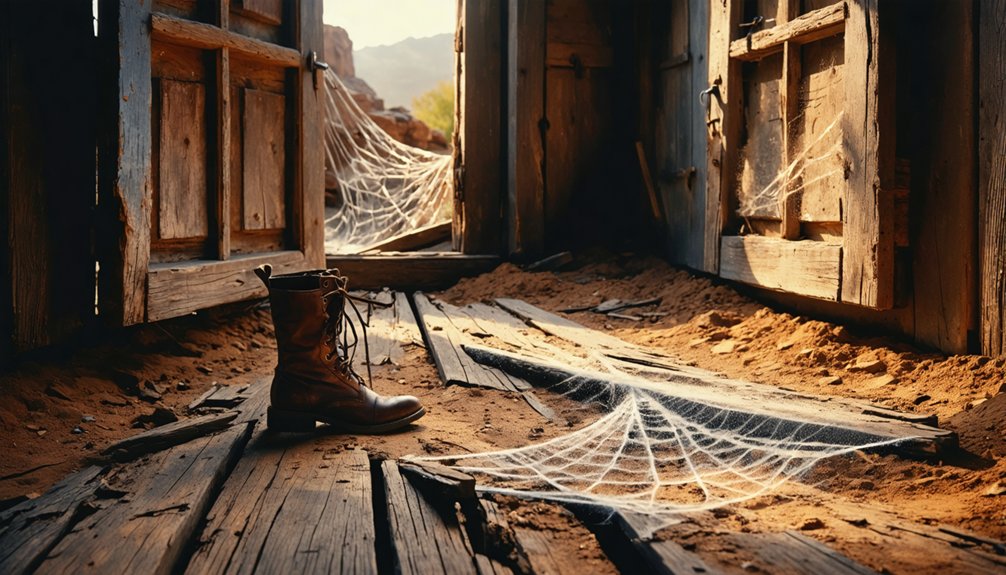
Although little remains of Furnace’s once-bustling tent city, you’ll still find scattered ruins that paint a vivid picture of its short-lived copper mining frenzy. Historical artifacts litter the ground — old cans, broken glass, and rotting lumber mark where determined prospectors once staked their fortunes.
Three stamp mills stand as silent monuments to the district’s industrial ambitions, representing the mining machinery that drove this remote operation forward.
Stone ruins emerge from the desert floor, especially noticeable at the nearby Kunze townsite just a few jeep trail miles away. You can explore abandoned mine shafts and crumbling structures that whisper stories of boom-and-bust desperation.
Bring curiosity and a sharp eye — Furnace rewards those willing to read the landscape carefully.
How to Get to Furnace in Death Valley
Getting to Furnace means committing to the remote — you’ll need a 4WD vehicle before anything else. Start from Shoshone, California, then head toward Dante’s View Road via highways 127 and 178. Watch for the cattle guard sitting 3.5 miles east of Hell’s Gate — turn right there onto the four-wheel-drive road.
From that point, Greenwater Valley Road becomes your guide. Furnace Creek Wash Road offers an alternate entry if conditions shift. Both routes demand respect and preparation.
Once you arrive, historical artifacts and mining equipment scatter across the terrain, rewarding those willing to push through the dust and desolation. Kunze and Ramsey sit within a five-mile belt nearby, connected by jeep trails worth exploring.
Plan your visit during autumn, winter, or spring — summer heat turns deadly fast.
Do You Really Need 4WD to Reach Furnace?
Yes, you really do need 4WD to reach Furnace — no exceptions. The dirt roads cutting through Greenwater Valley are rugged, unforgiving, and completely serious about filtering out unprepared travelers. That freedom you’re chasing comes with a vehicle requirement.
Here’s what you’re gaining access to by rolling in properly equipped:
- Historical artifacts scattered across the desert floor — broken glass, rusted cans, and rotting lumber tell the story of a vanished copper boom
- Mining equipment remnants and three visible stamp mills that once thundered with industrial purpose
- Remote dispersed camping along the dirt road, putting you directly inside genuine wilderness solitude
Greenwater Valley Road and Furnace Creek Wash Road demand respect. Come prepared, drive capable, and the ghost town rewards you completely.
The Copper Mining Boom That Created Furnace
Before Furnace existed, there was nothing but desert silence and the desperate hope of striking it rich. Then miners spotted rich surface croppings across the valley floor, and word spread fast — this was copper country.
Before the boom, there was only silence — and the desperate dream of striking it rich.
Patrick “Patsy” Clark, a Spokane mining operator, staked his claim and built what became Clark’s Camp, the foundation of Furnace itself. The historical significance of that moment rippled across Death Valley, triggering the 1907 Greenwater excitement and drawing hundreds of fortune-seekers into the basin.
Mining techniques focused purely on copper extraction, with companies driving shafts deep into resistant desert rock. You can still spot three stamp mills standing nearby — raw evidence of industrial ambition.
The boom burned bright, then collapsed, leaving only ruins behind for you to discover today.
What You Can Explore at the Mines and Mill Ruins
When you reach the Furnace site, you’ll find three stamp mills still standing as rusted monuments to the copper rush that once consumed this valley.
Scattered across the ground, old cans, broken glass, and rotting lumber mark the footprint of a town that vanished almost as fast as it appeared.
You can push deeper into the surrounding desert along jeep trails, where mine shafts and stone ruins reward anyone willing to explore on foot or mountain bike.
Stamp Mills And Shafts
Scattered across the rugged terrain near Furnace, three stamp mills stand as iron-and-timber relics of the copper mining frenzy that once gripped Greenwater Valley. These structures represent both historical preservation and raw mining technology — machinery built to crush ore, now frozen in time.
You’ll also encounter mine shafts cutting deep into the earth, silent reminders of desperate ambition.
As you explore, watch for:
- Stamp mill frameworks — skeletal remains of industrial crushers that once thundered with activity
- Open mine shafts — dark vertical drops demanding cautious footing and serious awareness
- Scattered ore debris — fragments telling the story of copper extraction attempts that ultimately failed
Step carefully, breathe in the silence, and let the ruins speak for themselves.
Scattered Mining Remnants
Beyond the stamp mills and shafts, the ground itself tells the story. Scattered across the desert floor, you’ll find historical artifacts frozen in time — broken glass catching the afternoon light, rusted cans half-buried in dust, and rotting lumber that once framed a living, breathing camp. These aren’t museum pieces behind velvet ropes. They’re yours to examine up close.
Walk the jeep trails connecting Furnace to Kunze and Ramsey, and you’ll keep stumbling onto forgotten mining equipment, stone ruins, and debris fields that map out where men once chased copper fortunes. Every fragment rewards a curious eye.
You’re reading a collapsed civilization through its leftovers — and out here, nobody’s curated the experience for you. That raw authenticity is exactly what makes Furnace worth the drive.
Nearby Ghost Towns Worth Adding to Your Furnace Route
Furnace doesn’t stand alone in Greenwater Valley—Kunze and Ramsey sit within a five-mile belt off Greenwater Valley Road, all three connected by jeep trails you can tackle in a single run. Each stop rewards you with distinct historical artifacts and mining equipment left behind when the copper dream collapsed.
Pack your itinerary around these three destinations:
- Furnace – tent city ruins, scattered cans, and broken glass marking Clark’s Camp origins
- Kunze – prominent stone ruins and mine shafts that reveal the district’s industrial ambition
- Ramsey – remote copper mines accessible by mountain bike along interconnecting jeep trails
Together, they paint a complete picture of the 1907 Greenwater excitement—one wild, freedom-chasing era frozen across five desert miles.
Best Time of Year to Visit Furnace, Death Valley
You’ll want to skip summer entirely, as Death Valley’s temperatures can hit 134°F, turning rocks and asphalt into 200°F hazards that make exploration genuinely dangerous.
Winter brings manageable cold with occasional light snow, offering a stark, moody atmosphere perfect for picking through ruins and mine shafts without the threat of heat exhaustion.
Autumn and spring strike the ideal balance, delivering pleasant temperatures that let you fully roam the jeep trails connecting Furnace, Kunze, and Ramsey at your own pace.
Avoid Summer Heat Extremes
When planning your ghost town road trip to Furnace, timing is everything. Summer temperatures here shatter records, hitting 134°F, while asphalt scorches at 200°F, threatening both your safety and historical preservation efforts at fragile ruins.
Choose wisely and you’ll experience this desert wilderness on your own terms:
- Autumn delivers cooling temperatures and dramatic desert light, perfect for exploring mine shafts without environmental impact from excessive heat exposure.
- Winter brings crisp air and occasional light snow, transforming Furnace’s stone ruins into hauntingly beautiful landscapes.
- Spring offers wildflower blooms alongside copper mine exploration, making jeep trail rides genuinely memorable.
Skip summer entirely. The extreme heat endangers you and accelerates deterioration of the site’s remaining artifacts, robbing future adventurers of this raw, unfiltered slice of Death Valley history.
Ideal Winter Visits
Winter transforms Furnace into its most accessible and atmospheric version, rewarding visitors with crisp desert air, dramatic shadows across stone ruins, and occasional light snow dusting the surrounding Greenwater Valley landscape.
You’ll navigate jeep trails comfortably, exploring geological formations like exposed copper-streaked hillsides and ancient wash channels without brutal heat threatening every step.
The cultural significance of this forgotten tent city hits differently when winter light rakes across scattered cans, rotting lumber, and stone foundations — remnants of a frantic 1907 copper boom that collapsed almost as quickly as it erupted.
You’re walking through ambition’s graveyard at the perfect temperature to linger. Pack layers, fuel up, and commit to the 4WD dirt roads.
Winter hands you Furnace exactly as a serious explorer deserves it.
Best Autumn And Spring
Autumn and spring bracket the sweet spot for visiting Furnace, delivering mild temperatures that let you move freely across jeep trails, crouch beside stamp mill ruins, and peer into mine shafts without the crushing weight of Death Valley’s legendary heat pressing down on you.
These shoulder seasons give you the clearest access to historical artifacts scattered across the valley floor:
- October–November: Crisp air sharpens visibility across Greenwater Valley’s copper mine remnants
- March–April: Wildflowers occasionally frame rotting lumber and broken glass, softening the rawness of abandonment
Both seasons: Lower visitor pressure means undisturbed exploration supporting informal preservation efforts
You’ll navigate the 4WD dirt roads with greater confidence, read the landscape without squinting, and absorb Furnace’s short-lived 1907 mining story exactly as the desert intended you to find it.
Heat and Safety Risks You Can’t Ignore at Furnace
Furnace sits in one of the most punishing landscapes on Earth, and you can’t afford to take that lightly. Summer temperatures soar past 134°F, while asphalt and rocks beneath your boots can hit 200°F, hot enough to destroy equipment and endanger lives.
Death Valley doesn’t forgive carelessness — summer heat exceeds 134°F, turning the ground itself into a 200°F threat.
Those historical artifacts and mining equipment scattered across the site won’t matter if heat exhaustion overtakes you mid-exploration.
Visit during autumn, winter, or spring when conditions become survivable and genuinely rewarding. Always carry more water than you think you’ll need, because dehydration strikes fast in dry desert air.
Your 4WD vehicle is non-negotiable on these remote dirt roads, and a breakdown here means serious trouble. Tell someone your exact route before departing, and never underestimate how quickly Death Valley’s environment turns dangerous.
Where to Camp Near the Furnace Ghost Town
Boondock camping along the remote dirt road leading to the ghost town puts you right in the heart of the action, where silence and stars replace city noise entirely. You’ll wake up surrounded by historical artifacts, crumbling ruins, and scattered mining equipment that tell stories no museum can replicate.
Plan your stay around these essentials:
- Choose autumn, winter, or spring to dodge deadly heat extremes that push surface temps past 180°F
- Pack all supplies yourself — no services exist on these remote dirt roads, so self-sufficiency isn’t optional
- Set camp near Greenwater Valley Road for quick access to Kunze and Ramsey ghost towns via interconnecting jeep trails
Your 4WD rig becomes your basecamp, and the desert becomes your backyard.
What to Bring for a Self-Supported Furnace Ghost Town Visit
When you head into Furnace’s remote desert terrain, you’re stepping into a place where temperatures can torch asphalt to 200°F and cell signals vanish entirely, so you’ll need more than good intentions to survive.
Pack a minimum of one gallon of water per person per day, a first-aid kit, emergency blankets, and a multi-tool alongside your standard camping gear.
For navigation and communication, bring a satellite messenger like a Garmin inReach, printed topographic maps, and a compass, since digital maps won’t save you when your phone battery dies miles from the nearest paved road.
Essential Survival Gear
Surviving a self-supported visit to Furnace ghost town demands serious preparation, since you’re venturing into one of Earth’s most unforgiving landscapes — remote dirt roads, zero cell service, and summer temperatures that push asphalt past 180°F.
Respect both historical preservation and local wildlife by packing smart and leaving nothing behind.
Gear up with these essentials before hitting the trail:
- Water: Carry at least one gallon per person daily — more in summer
- Navigation tools: Download offline maps and bring a physical compass since GPS signals are unreliable
- Emergency kit: Pack a first-aid kit, emergency blanket, recovery traction boards, and a portable jump starter
Your freedom depends entirely on self-reliance out here. Pack heavy, travel light on assumptions, and trust your preparation completely.
Once your gear bag’s packed with water and recovery tools, your next layer of preparation tackles something even more invisible — knowing exactly where you’re when the landscape offers no landmarks and your phone shows no signal.
Greenwater Valley’s terrain challenges demand a dedicated GPS unit loaded with offline topo maps before you leave pavement. Mark Furnace Creek Wash Road, the cattle guard turnoff, and Greenwater Valley Road as waypoints. Carry a paper topo map as backup — electronics fail in extreme heat.
A satellite communicator like a Garmin inReach lets you call for rescue without cell coverage. You’re orienting toward historical artifacts scattered across an unforgiving desert, not a maintained trail. Precision matters here.
Freedom without preparation is just getting lost.
Frequently Asked Questions
Who Originally Founded Furnace Ghost Town Before It Was Officially Named?
Patrick “Patsy” Clark, a Spokane copper magnate, founded it as Clark’s Camp. You’re tracing mining history’s bold footprints and ghost town legends when you uncover how his copper dreams ignited Furnace’s adventurous, short-lived boom.
Did Furnace Ghost Town Ever Have an Officially Recognized Post Office?
Furnace never had an officially recognized post office — the U.S. postal records show no trace! You’ll uncover that historical significance while exploring visitor attractions, discovering how this wild, freedom-calling desert settlement thrived boldly beyond bureaucratic boundaries.
How Many People Lived in Furnace During Its Peak Mining Boom?
You’d find Furnace’s peak population remains historically unclear, though Greenwater nearby hit 2,000 residents during the 1905 mining history boom. Ghost town preservation efforts reveal Furnace itself functioned as a smaller tent city within that thrilling copper-rush district.
Which Highway Routes Connect Shoshone, California to the Furnace Ghost Town?
You’ll take highways 127 and 178 from Shoshone, cruising through breathtaking desert landscapes toward Dante’s View Road, tracing routes steeped in mining history that’ll lead your adventurous spirit straight toward Furnace’s forgotten, sun-scorched secrets.
How Far Is Rhyolite Ghost Town From the Furnace Creek Visitor Center?
Like a distant mirage calling you forward, Rhyolite ghost town sits 35 miles from the Furnace Creek Visitor Center. You’ll discover remarkable historical landmarks and nearby visitor amenities fueling your adventurous spirit toward boundless, unforgettable freedom.
References
- https://www.youtube.com/watch?v=VrGy4O3MKlE
- https://www.legendsofamerica.com/ca-deathvalleyghosttownscalifornia/
- https://dvnha.org/info-trip-planning/ghost-towns/
- https://fox40.com/news/the-stories-behind-californias-ghost-towns/
- https://en.wikipedia.org/wiki/List_of_ghost_towns_in_California
- https://www.youtube.com/watch?v=r2B5P5lZ8RU
- https://shorebread.com/2011/09/29/sparks-ignite-the-lesser-known-tales-of-furnace-town/
- https://www.ghosttowns.com/states/ca/greenwater.html
- https://travelnevada.com/nevada-magazine/odyssey-of-a-ghost-town-explorer-part-8/