Planning a ghost town road trip to Hamilton, Nevada means heading west from Ely on U.S. 50, then winding up a seasonal dirt road into the White Pine Range. You’ll explore open ruins where 30,000 people once lived during a silver boom that built banks, breweries, and an opera house almost overnight. Bring water, fuel, and a high-clearance vehicle, since this remote desert site offers no modern amenities. There’s far more to this story than you’d expect.
Key Takeaways
- Hamilton, Nevada, not California, is a historic silver mining ghost town accessible via U.S. 50 west from Ely on a seasonal dirt road.
- Visit between late spring and early fall, as winter road closures make Treasure Hill inaccessible during colder months.
- Use a high-clearance vehicle and carry water, fuel, and supplies, as the remote desert site lacks modern amenities.
- Explore open ruins, foundations, and crumbled walls with no restored storefronts or museums, offering an unfiltered Old West ghost town experience.
- Visiting multiple Great Basin ghost town sites alongside Hamilton provides a fuller, layered understanding of Western expansion history.
Silver, Caves, and the Boomtown That Built Itself in a Year
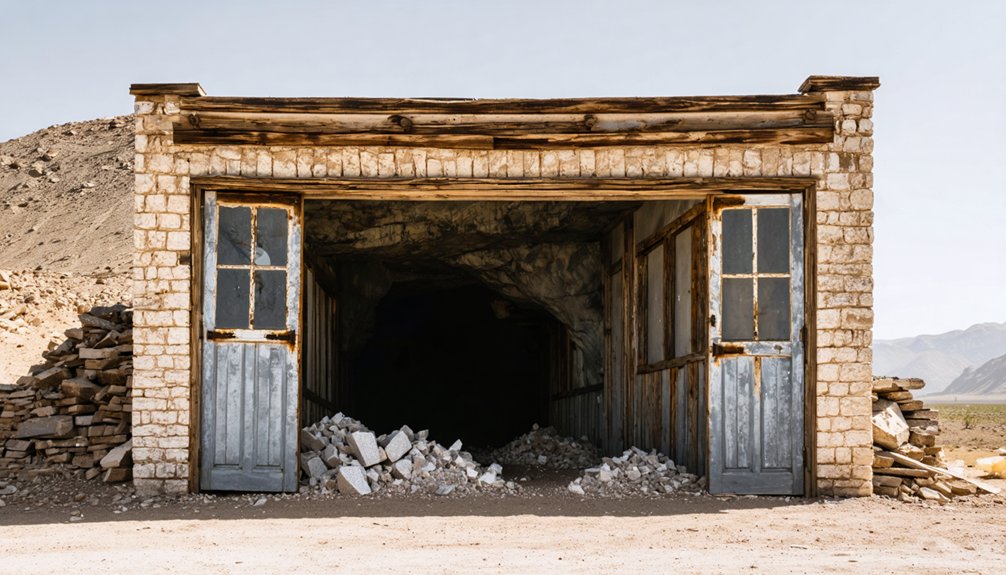
Before Hamilton had streets, it had caves. When silver was discovered on Treasure Hill in late 1867, the first miners didn’t wait for town architecture — they carved their homes directly into the hillside, living in dugouts while staking their claims.
Before Hamilton had streets, it had caves — miners carving homes into the hillside before the town existed.
By May 1868, someone laid out a proper townsite and named it Hamilton.
Then everything accelerated.
Within a year, you’re looking at a population pushing 10,000 to 20,000 people flooding into a place that barely existed before. Advances in mining technology drove that rush, pulling silver from the earth fast enough to justify banks, saloons, newspapers, and an opera house.
Hamilton didn’t grow gradually — it exploded. One year you’d find caves; the next, a functioning boomtown carving its identity into the Nevada desert.
What Hamilton Looked Like at Its Wild Peak
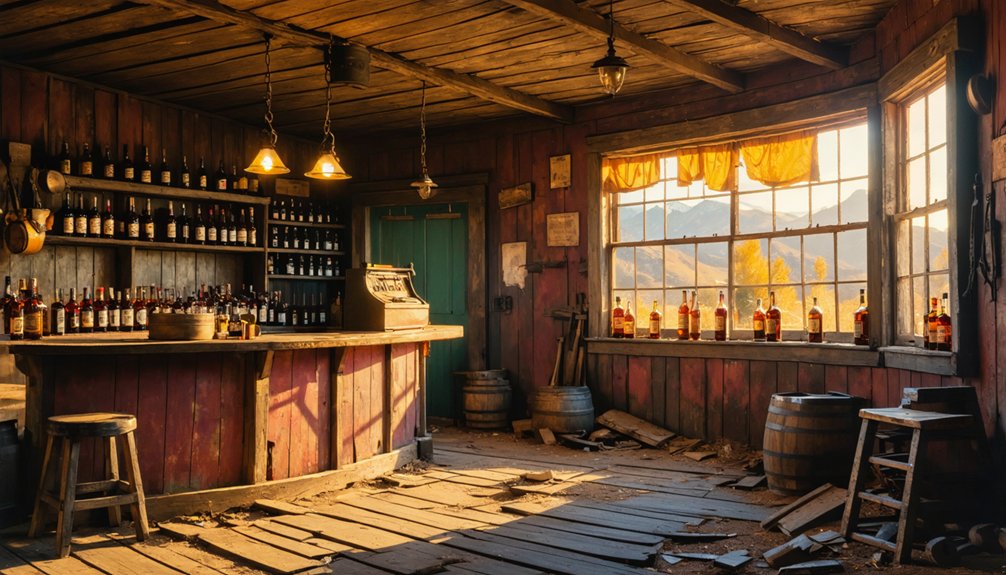
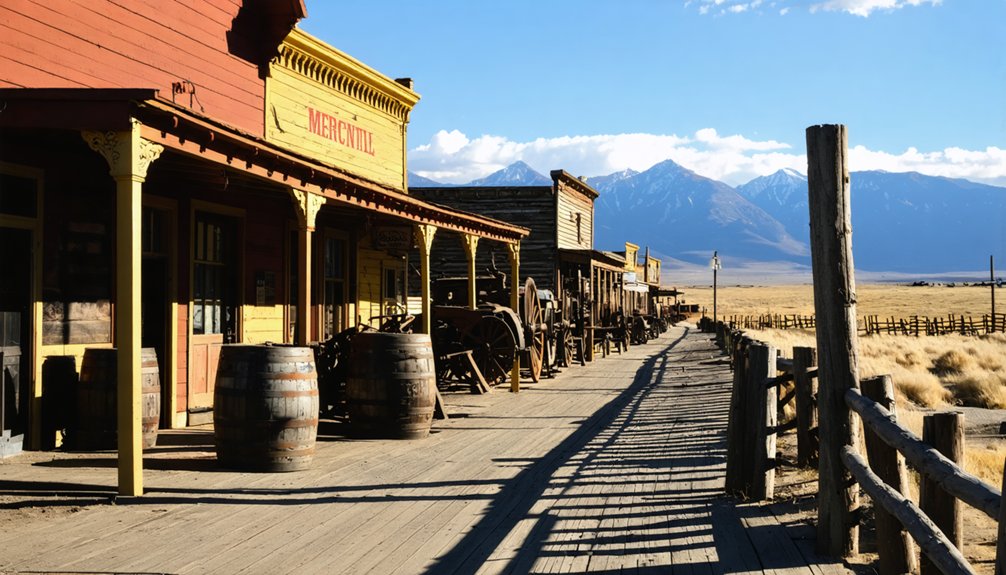
Once Hamilton had its streets, it filled them fast. You’d have walked past banks, breweries, churches, and an opera house — all rising alongside raw mining equipment and rough-cut timber. The town architecture moved fast from tents to serious structures, reflecting real money flowing out of Treasure Hill.
At its peak, Hamilton supported a district population near 30,000. Consider what that meant on the ground:
- Nine assay offices processing silver ore around the clock
- 100 saloons keeping miners, speculators, and outlaws well supplied
- 29 attorneys fighting over claims, contracts, and chaos
You wouldn’t have called it civilized exactly, but it functioned. Hamilton wasn’t a camp anymore — it was a full city built on silver confidence, and everyone there knew it wouldn’t last forever.
How Fires and Falling Silver Prices Killed the Town
Hamilton’s collapse came from two directions at once — the mines gave out, and the fires moved in. The mining economy that had fueled explosive settlement growth simply couldn’t sustain itself.
Hamilton fell from two directions at once — the mines gave out, and the fires moved in.
By 1870, the population had already crashed from tens of thousands to under 4,000.
Then the fires hit. A devastating blaze on June 27, 1873 tore through the business district, causing around $600,000 in damage. More fires followed in 1875 and again in 1885, that last one wiping out the courthouse and all its records.
With no economic engine left and the county seat relocated to Ely, there was nothing pulling people back. Hamilton didn’t fade slowly — it got knocked down hard, leaving behind the ruins you’ll walk through today.
Ruins, Foundations, and What Survives at Hamilton Today
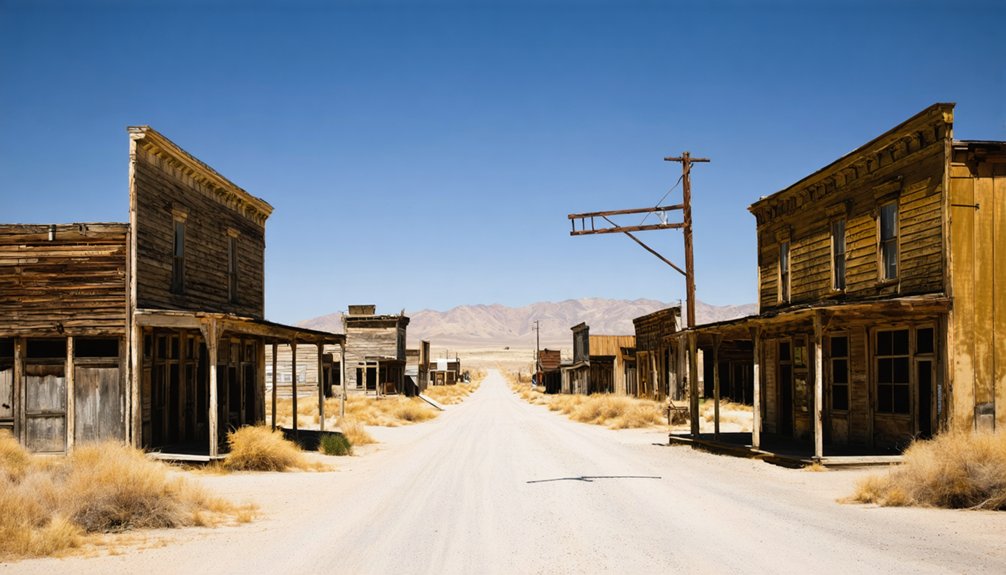
What’s left of Hamilton today is mostly foundations, crumbled walls, and scattered debris — the skeletal outline of a town that once held tens of thousands of people. Mineral extraction drove this place to life, and its absence left the town architecture to slowly dissolve into the Nevada hillside.
You’ll walk through the ruins rather than a preserved village, so come ready to use your imagination.
Historical markers help you piece together what once stood where. Look for:
- Stone foundations from commercial buildings and saloons
- Remnants of structural walls that survived repeated fires
- Scattered artifacts that hint at everyday boomtown life
You won’t find a museum or restored storefronts here — just open land, quiet ruins, and the raw freedom of exploring an unfiltered slice of the Old West.
Hamilton Ghost Town Is Worth the Drive From Ely
Getting to Hamilton takes some effort, but that’s part of the appeal. You’ll head west from Ely along U.S. 50, then follow a seasonal dirt road roughly 37 to 47 miles to the site. Plan for about an hour and a half of driving, and never attempt the route in winter when the road closes.
Once you arrive, you’ll walk through a landscape that rewards curiosity. Scattered ruins and foundations tell the story of town architecture that once rivaled larger Nevada cities. You can trace where saloons, assay offices, and courthouses once stood.
Evidence of mining technology still surfaces across the hillside, connecting you directly to the silver rush that exploded Treasure Hill into a boomtown overnight. The remoteness makes every discovery feel earned.
How to Reach Hamilton From Ely on U.S. 50
Reaching Hamilton starts in Ely, where you’ll pick up U.S. 50 heading west along the famous Loneliest Road in America. After roughly 37 to 47 miles, a seasonal dirt road branches off toward Treasure Hill, where remnants of town architecture and mining technology still dot the landscape.
You’re driving into raw, open country — exactly the kind of freedom seekers crave.
Before you head out, keep these essentials in mind:
- The road closes in winter, so plan your visit between late spring and early fall.
- A high-clearance vehicle handles the dirt road far more comfortably.
- No services exist along the route, so carry water, fuel, and supplies.
Plan ahead, and the drive becomes part of the adventure itself.
Plan Around Hamilton’s Seasonal Road Closure
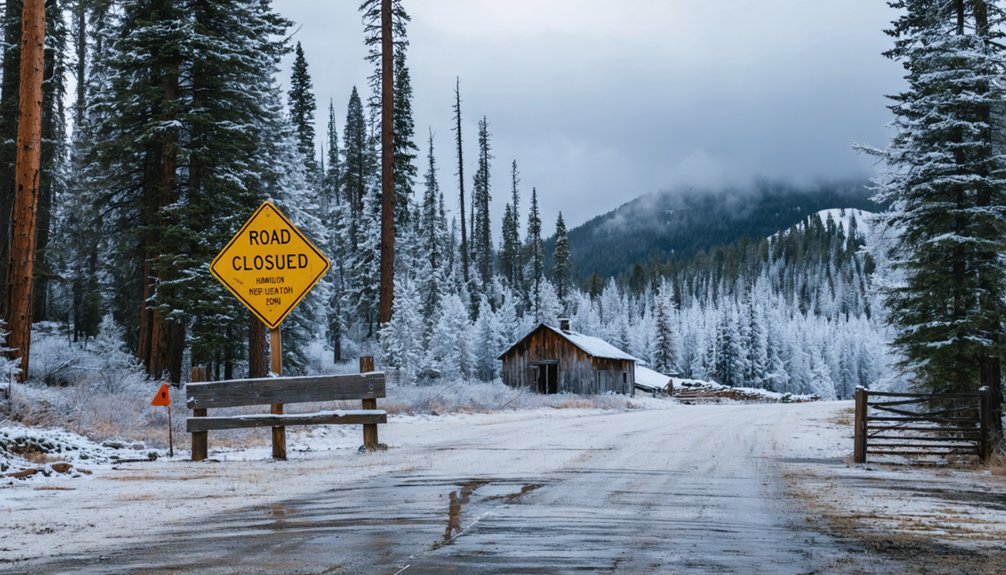
Timing your visit around the seasonal road closure separates a successful trip from a wasted drive. The dirt road leading to Hamilton shuts down during winter months, cutting off access to the ruins entirely. You’ll want to plan your visit between late spring and early fall, when the road reopens and the high desert landscape becomes approachable.
Once you’re there, you can walk among collapsed foundations that once supported remarkable town architecture, including banks, courthouses, and saloons. You’ll also spot remnants tied to early mining technology that drove Hamilton’s silver rush.
Check current road conditions through local Nevada sources before you leave Ely. A little advance research keeps your road trip moving forward instead of ending at a locked gate.
Pack for a Remote High-Desert Ghost Town
Packing smart makes the difference between a comfortable ghost town exploration and a miserable retreat back to Ely. You’re heading into Nevada’s high desert, where temperatures swing hard between morning cold and afternoon heat.
The ruins of Hamilton’s town architecture and scattered mining equipment demand careful footing across uneven terrain.
Bring these essentials:
- Sturdy hiking boots to navigate rocky foundations and debris-covered ground safely
- Extra water and food since no services exist between Hamilton and Ely along the remote dirt road
- Layered clothing to handle dramatic temperature shifts throughout the day
Your camera earns its weight here. Sun protection, a first-aid kit, and a downloaded offline map round out your kit.
Don’t rely on cell service — you won’t have it.
Ghost Towns Near Hamilton to Add to Your Route
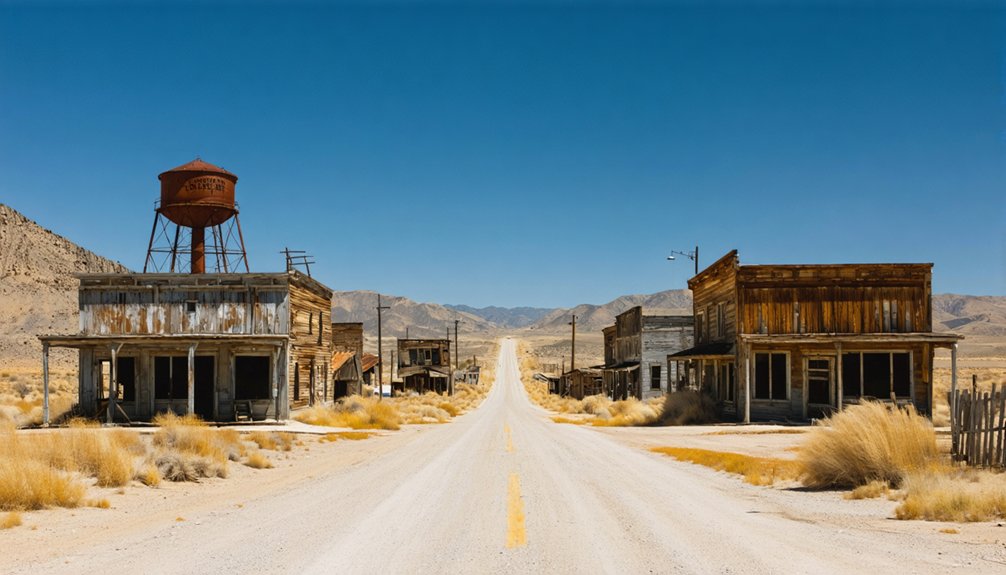
Once your pack is ready and your boots are laced up, Hamilton doesn’t have to be your only stop. White Pine County holds several ghost towns worth folding into your route, each carrying its own mining history and scattered town architecture.
Hamilton is just the beginning — White Pine County rewards those willing to wander further down the route.
Ely itself anchors the region and offers the Nevada Northern Railway Museum, where copper-era railroading comes alive. Cherry Creek, north of Ely, features crumbling stone buildings and remnants of an 1870s silver camp.
Eureka, west along U.S. 50, preserves a striking 1879 opera house and a well-documented smelting past.
These stops let you trace the broader boom-and-bust arc across the Great Basin. String them together, and you’ll move through layers of Western history that no single site can fully tell on its own.
Frequently Asked Questions
Is Hamilton, Nevada in White Pine County or Another Nevada County?
You’ll find Hamilton’s ghost town history nestled in White Pine County — one of Nevada counties where silver dreams faded fast. It’s not California, it’s Nevada’s own beautifully forgotten silver boomtown waiting for your exploration.
Can Children Safely Explore the Ruins and Foundations at Hamilton?
Yes, kids can explore Hamilton’s ruins, but you’ll want to watch them closely. The crumbling foundations pose real risks, so prioritize child safety measures while respecting historical preservation efforts that keep this wild, free-spirited ghost town alive.
Are There Any Entrance Fees or Permits Required to Visit Hamilton?
Like a forgotten frontier where the silver rush once roared freely, Hamilton asks nothing of you — no entrance fees or permits required. You’ll roam the ruins unburdened, though historic preservation and visitor regulations remind you to tread respectfully.
Is There Cell Phone Service or Emergency Help Near Hamilton?
Don’t count on cell coverage at Hamilton — you’ll face serious cell coverage challenges in this remote Nevada desert. Follow smart emergency preparedness tips: carry extra water, a paper map, and tell someone your travel plans beforehand.
Were Any Hamilton Buildings Ever Relocated or Preserved in a Museum?
You won’t find confirmed building relocation or historic preservation efforts tied to Hamilton’s structures. Most didn’t survive the fires, leaving you to explore raw ruins where freedom-seekers like you can uncover Nevada’s untamed, unfiltered silver rush past.
References
- https://www.facebook.com/nevadaghosttowns/posts/before-it-became-a-ghost-town-hamilton-was-one-of-nevadas-biggest-silver-campsan/1562072565960064/
- https://valhikes.blogspot.com/2017/05/hamilton-ghost-town.html
- https://travelnevada.com/ghost-town/hamilton-ghost-town/
- https://www.nvexpeditions.com/whitepine/hamilton.php
- https://www.facebook.com/groups/nevadaghosttowns/posts/2427483921023472/
- https://www.atlasobscura.com/places/hamilton-ghost-town
- https://neon.reviewjournal.com/entertainment-columns/trip-of-the-week/trip-to-hamilton-ghost-town-takes-visitors-back-in-time/
- https://bonnevillemariner.wordpress.com/2007/05/01/my-first-ghost-town-trip-part-iii-holy-grail-eureka-and-hamilton/
- https://sites.google.com/site/hamiltoncountyhistory/home/ghost-towns
- https://en.wikipedia.org/wiki/List_of_ghost_towns_in_California