Planning a ghost town road trip to Three Creek, Idaho means embracing Idaho’s remote Owyhee County high desert, about 50 miles south of the Snake River. You’ll need a 4WD vehicle, offline maps, and extra supplies since there’s no cell service. This forgotten settlement peaked at 191 residents around 1910 and even hosted Butch Cassidy and the Sundance Kid. It’s rugged, it’s raw, and there’s far more frontier history waiting for those who venture deeper.
Key Takeaways
- Three Creek is a remote ghost town in southeastern Owyhee County, Idaho, accessible only via unpaved roads requiring a 4WD vehicle.
- Visit in summer for dry road conditions; carry extra water, food, offline maps, and a spare tire for this isolated journey.
- Explore surviving landmarks including a stone general store and charcoal kiln, remnants of a settlement that peaked at 191 residents around 1910.
- The area carries outlaw legend, including a notable 1900 visit by Butch Cassidy, Sundance Kid, and Will Carver to the general store.
- Extend your trip by visiting nearby ghost towns Silver City, Dewey, and Flint for a rich, interconnected frontier history circuit.
Where Is Three Creek, Idaho?
Tucked into the remote reaches of southeastern Owyhee County, Three Creek sits roughly 50 miles south of the Snake River, deep in Idaho’s high desert terrain. You won’t find it on most road maps, and that’s exactly the point. Getting there demands unpaved roads and a 4WD vehicle, rewarding the adventurous traveler with solitude and raw frontier history.
This ghost town traces its roots to the 1870s, when rancher Joe Scott first established the area. Today, you’ll encounter historical artifacts like the surviving stone general store and a charcoal kiln — rare physical links to a vanished community.
Local legends, including Butch Cassidy’s reported passage through, add a compelling outlaw dimension to the landscape. Three Creek isn’t a destination you stumble upon; you have to choose it.
How Three Creek Grew From a 1870S Ranch Outpost to a Ghost Town
When you trace Three Creek’s origins, you find a story that starts with a single rancher named Joe Scott, who rode in from Miles City, Montana in the 1870s and branded the land with his cattle mark, “71.”
The settlement grew steadily around ranching activity, and by 1900 the precinct counted 116 residents, peaking at 191 by 1910.
What you see today, though, is a ghost town that quietly faded after decades of decline, leaving behind little more than a stone general store and a handful of scattered remnants.
Ranching Roots Begin
Before Three Creek became a ghost town frozen in stone and silence, it started as a working cattle ranch carved out of the Idaho high desert in the 1870s by Joe Scott, a rancher out of Miles City, Montana. Scott branded the land just like his cattle, calling the area “71” after his own mark. That ranching legacy shaped everything that followed.
By 1898, the Sparks, Harrell Co. out of Visalia, California had taken over as the principal operation, pushing the settlement further along.
When you walk through Three Creek today, you’re reading that history through its historical architecture — specifically the stone general store still standing against the desert sky, a rare survivor that tells you exactly how serious these early cattlemen were about putting down roots.
Settlement Rise And Fall
What started as a single cattle operation in the 1870s slowly pulled a community into existence around it. By 1890, Big Flat precinct counted 63 residents, climbing to 116 by 1900.
Renamed Three Creek precinct, the population surged to 191 by 1910 before beginning its long retreat. By 1950, only 63 people remained, and eventually the town vanished entirely.
What you’ll find today tells that story through silence and historical architecture — specifically, the quarried-stone general store still standing against the high desert landscape.
Local wildlife now outnumbers any human presence here. The open terrain, unpaved roads, and crumbling remnants replace what was once a functioning frontier settlement.
Three Creek didn’t collapse dramatically — it simply emptied out, leaving the land to reclaim what ranching ambition once carved from it.
Butch Cassidy, the Sundance Kid, and the Three Creek General Store
If you’re a fan of outlaw history, Three Creek delivers a story you won’t forget.
In September 1900, Butch Cassidy, the Sundance Kid, and Will Carver rode through on their way to rob the Winnemucca, Nevada bank, stopping at the stone general store where they forced operator Jim Duncan at gunpoint to hand over supplies.
The outlaws later returned and left double payment in a sack by the store — a gesture that’s become one of the most talked-about moments in Three Creek’s history.
The Winnemucca Bank Robbery
One of Three Creek’s most thrilling historical footnotes ties this remote Idaho outpost directly to America’s most legendary outlaws. In September 1900, Butch Cassidy, the Sundance Kid, and Will Carver rode through Three Creek en route to rob the First National Bank of Winnemucca, Nevada.
The gang stopped at the stone general store — a remarkable piece of historical architecture still standing today — and forced owner Jim Duncan at gunpoint to supply provisions before dawn.
What makes this local legend even richer is what happened next: the outlaws later returned and left double payment in a sack outside the store.
You’re standing where that exchange happened. That surviving stone building isn’t just a ruin — it’s a direct, tangible connection to one of the Wild West’s defining outlaw chapters.
Outlaws At Gunpoint
Picture it: the Idaho high desert in the dead of night, a remote stone store dark and silent, when hoofbeats break the quiet. Butch Cassidy, the Sundance Kid, and Will Carver ride in, rouse storekeeper Jim Duncan at gunpoint, and demand supplies. Duncan hands them over, the outlaws ride out, and that seems to be the end of it.
But here’s where local legends take a surprising turn. The gang later returned and left double payment in a sack outside the door.
That stone general store — a striking piece of historical architecture built from locally quarried rock — still stands today. You can visit the very structure where that night unfolded and connect directly with one of the American West’s most thrilling outlaw stories.
Double Payment Left Behind
Why would a gang of notorious outlaws bother to pay for what they’d already taken by force? That question gives Three Creek its most memorable layer of cultural significance.
After Butch Cassidy, the Sundance Kid, and Will Carver rode away from Jim Duncan’s general store that September night in 1900, the story didn’t end there. They returned and left double payment in a sack by the door — no note, no explanation, just cash.
That detail transforms a robbery into something far more complex. You’re standing at a site where historical preservation matters precisely because moments like this reveal the contradictions of frontier life.
The stone store still stands, quietly holding that story. You can almost feel the weight of that sack hitting the ground.
What Still Stands at Three Creek Today
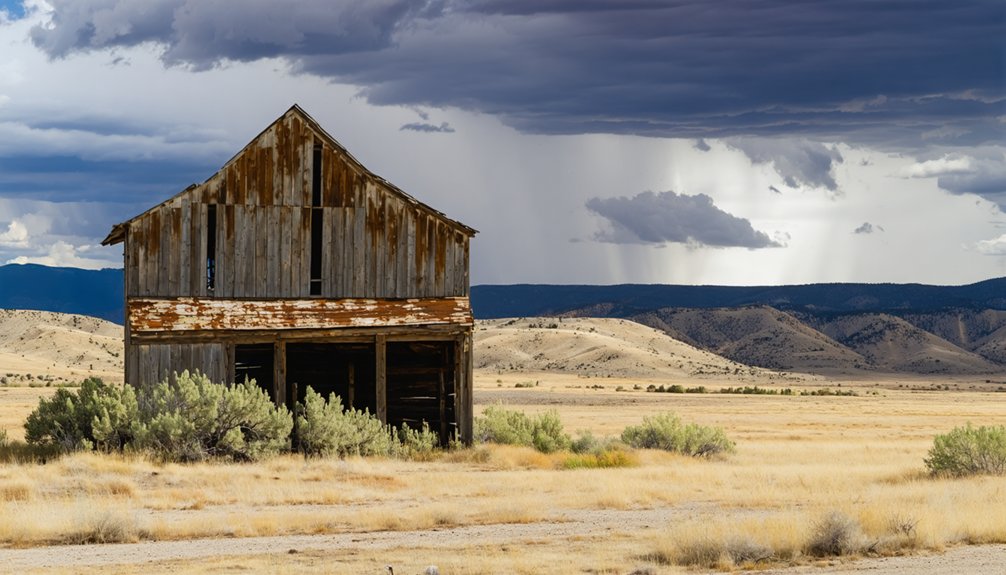
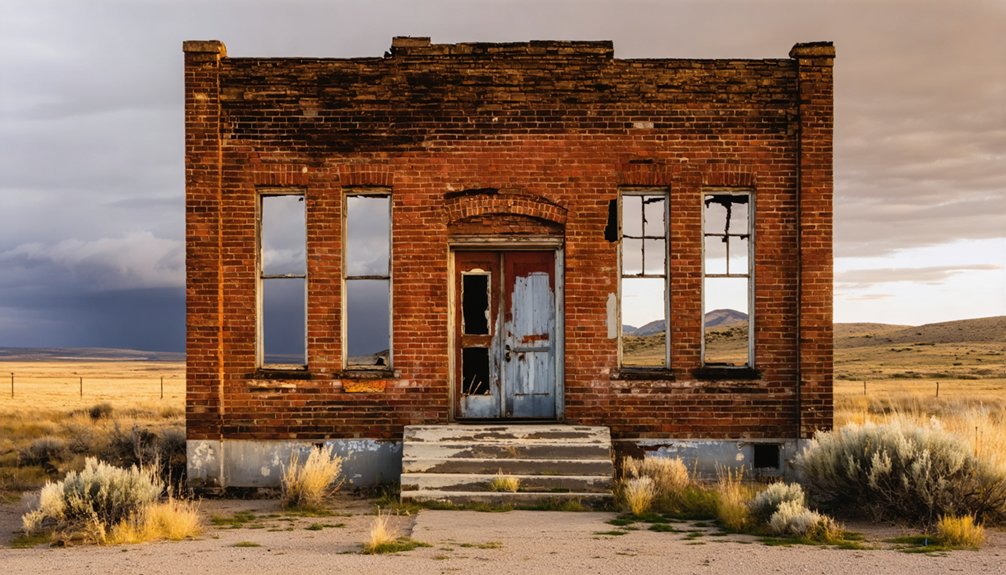
Though most of Three Creek’s original buildings have vanished into the desert floor, the stone general store still stands as the site’s most remarkable survivor. Built from locally quarried rock, it’s a rare piece of historical architecture that outlasted everything around it.
You’ll notice its solid construction immediately — a proof to the hands that shaped it over a century ago.
Beyond the store, a charcoal kiln also survives, giving you two tangible anchors to the past. These remnants carry local legends, including the famous Butch Cassidy episode that unfolded right at that store’s threshold.
Walking the site means standing where outlaws once stood. Bring a camera, respect the history, and take your time — there’s more story embedded in these stones than most people expect.
When to Visit Three Creek and What Weather to Expect
Summer is your best window for visiting Three Creek, when warm temperatures make the unpaved roads more forgiving and the remote landscape fully accessible.
Historical weather patterns show winters bring heavy snow that can cut off access entirely, making warm months your safest bet for exploration.
Plan your visit around these seasonal realities:
- Summer temperatures stay warm, keeping dirt roads dry and drivable
- Winter snowfall makes 4WD insufficient and access nearly impossible
- Seasonal wildlife becomes active through summer, adding to the remote experience
- Spring runoff can soften roads and create unexpected obstacles
- Fall offers cooler temps and quieter trails before winter closes in
Build in buffer time, pack supplies, and treat this two-hour remote drive as the adventure it genuinely is.
How to Drive to Three Creek on Unpaved Roads
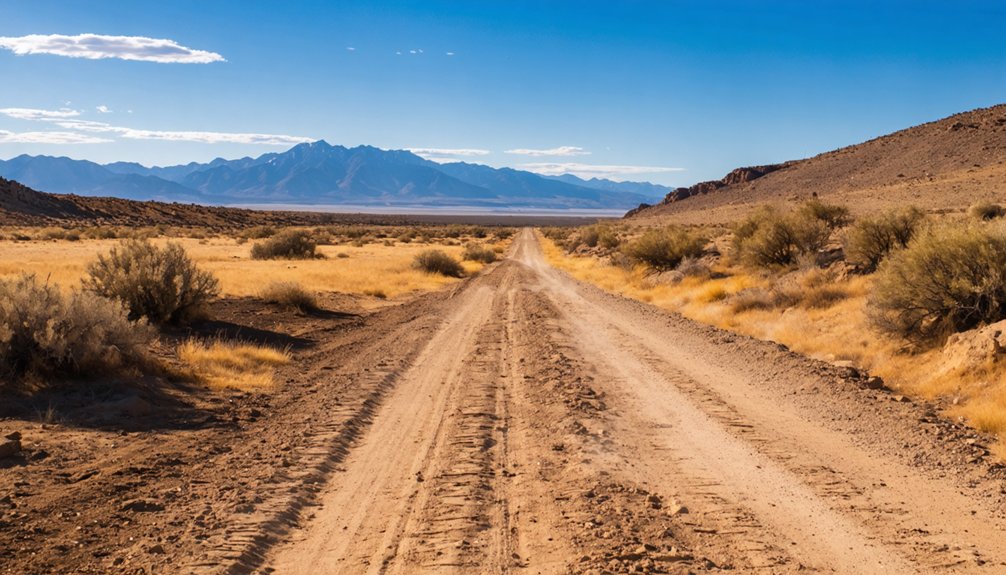
Once you’ve timed your visit right, getting there becomes the next challenge worth respecting. Three Creek sits deep in southeastern Owyhee County, accessible only by unpaved roads that demand a 4WD vehicle — no exceptions. Plan roughly two hours of travel time from your approach point, and don’t rush it.
The roads cut through raw high desert terrain where local flora — sagebrush, bunchgrass, and scattered juniper — lines every mile. Wildlife sightings happen regularly out here, so watch for pronghorn, raptors, and mule deer crossing your path.
Carry extra water, fuel, and a physical map. Cell service won’t save you this far out. Embrace that reality — it’s exactly the kind of untamed, self-reliant journey that makes reaching Three Creek feel genuinely earned.
What to Bring for Three Creek’s Remote, No-Service Route
Packing smart separates a memorable ghost town run from a stranded nightmare. Three Creek’s no-service route demands self-sufficiency, so load up before you leave civilization behind.
- Water and food: Carry more than you think you’ll need across two hours of unpaved isolation.
- 4WD vehicle with a spare tire: Rough roads don’t negotiate with unready rigs.
- Camera and notebook: Document historical artifacts still standing, like the stone general store.
- Navigation tools: Download offline maps since cell service vanishes fast out here.
- Local legends research: Print notes on Butch Cassidy’s reported stop so you recognize exactly where history happened.
You’re trading convenience for raw freedom, and that trade demands preparation. Arrive ready, and Three Creek rewards you with something no guided tour ever could.
Ghost Towns Near Three Creek Worth the Detour
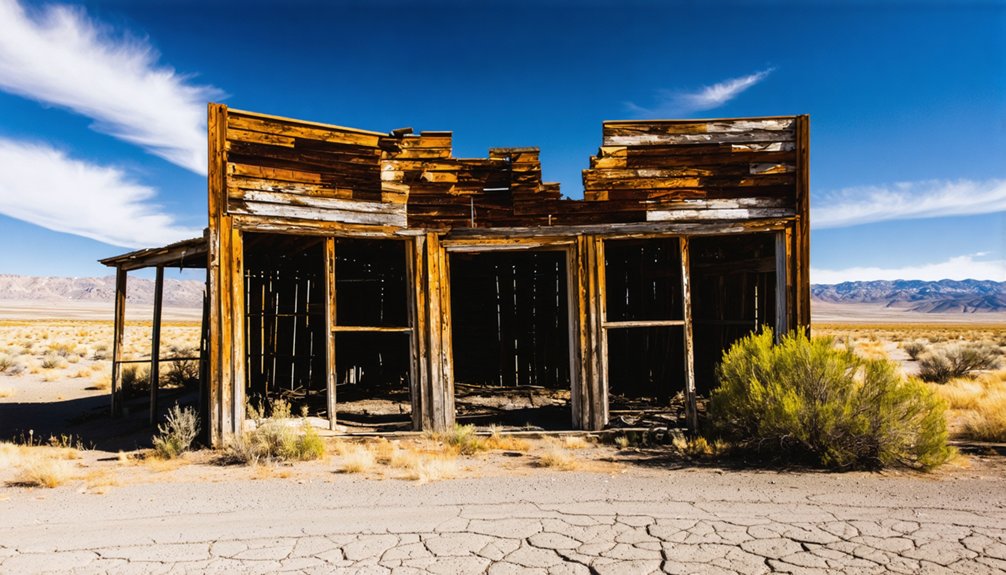
While you’re already deep in Owyhee County‘s remote stretches, skipping the surrounding ghost towns would waste the hard miles you’ve already put in. The region rewards explorers who push further, offering scattered settlements where historical artifacts still surface among sagebrush and crumbling foundations.
The region rewards explorers who push further, where historical artifacts still surface among sagebrush and crumbling foundations.
Silver City, Owyhee County’s most celebrated ghost town, sits within reasonable driving distance and delivers intact 19th-century architecture, local legends tied to mining violence, and streets that once buzzed with thousands of residents.
Dewey and Flint also dot the broader area, each carrying their own faded stories. You’ve already committed to unpaved roads and a 4WD rig, so extending your route costs little but delivers considerably more.
Treat the region as one interconnected ghost-town circuit rather than a single destination.
Frequently Asked Questions
Is There a Fee to Visit the Three Creek Ghost Town Site?
With 32 historic residents once calling it home, you’ll find no fee for historical preservation here! Three Creek offers zero visitor amenities, so you’re free to explore this rugged, untamed ghost town on your own adventurous terms.
Can You Camp Overnight Near the Three Creek Ghost Town?
You’ll find no formal campgrounds here, so check local camping regulations before pitching your tent on remote BLM land. Embrace the wild freedom, but respect pet restrictions and prepare for rugged, unforgettable overnight solitude beneath Idaho’s vast stars!
Is Three Creek Located on Public or Private Land?
Coincidentally, land ownership details aren’t fully confirmed in available sources, but you’ll want to research historical preservation rules before venturing out, as Three Creek’s remote setting means access conditions can change unexpectedly for freedom-seeking explorers.
Are Pets Allowed When Visiting the Three Creek Area?
The knowledge doesn’t specify pet policies for Three Creek, but you’ll want to keep pets secure during wildlife encounters in this remote, rugged terrain. Pack essentials, leash up, and embrace the wild, untamed freedom of Idaho’s ghost-town frontier!
Has the Three Creek General Store Been Officially Landmarked or Protected?
Like a lone sentinel standing guard, the stone general store’s official landmark or preservation status isn’t confirmed in available records. You’ll want to research its historical significance and preservation status through Idaho’s State Historical Society before visiting.
References
- https://www.ghosttowns.com/states/id/threecreek.html
- https://www.youtube.com/watch?v=XC9B9DBXvHs
- https://owyhee.idgenweb.org/history/threecreek.html
- https://en.wikipedia.org/wiki/List_of_ghost_towns_in_Idaho
- https://www.ghosttowns.com/states/id/idalpha.html
- https://history.idaho.gov/wp-content/uploads/2018/08/0064.pdf