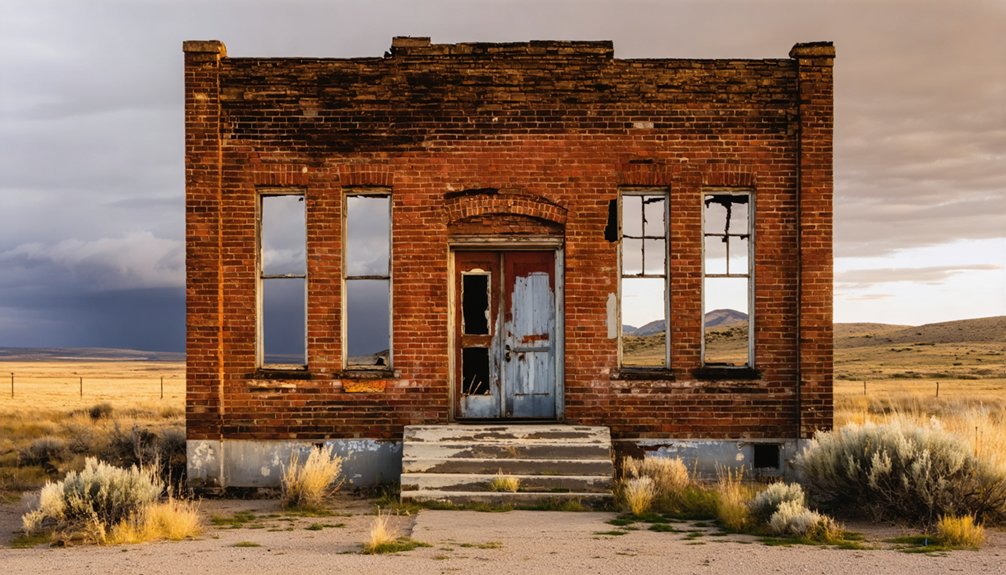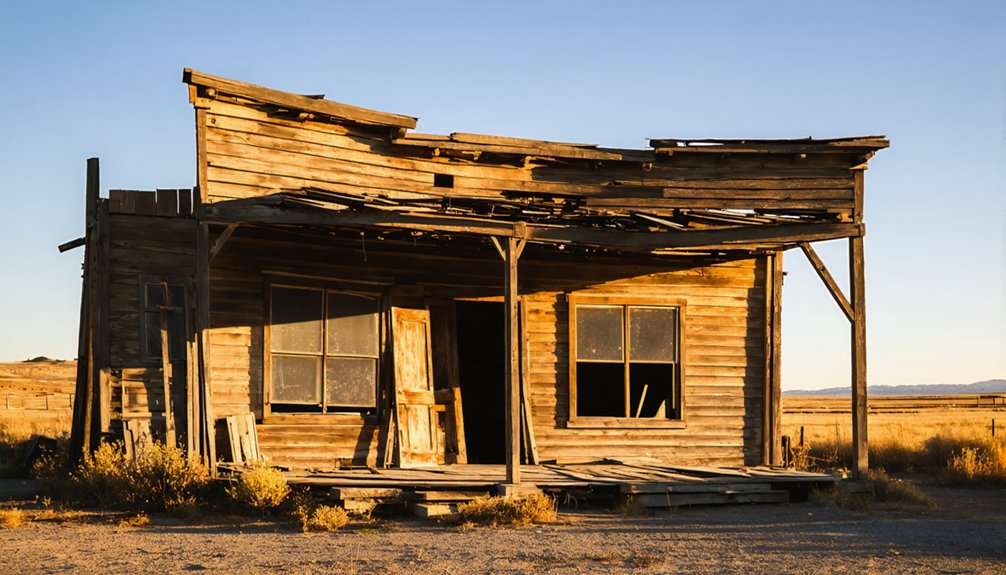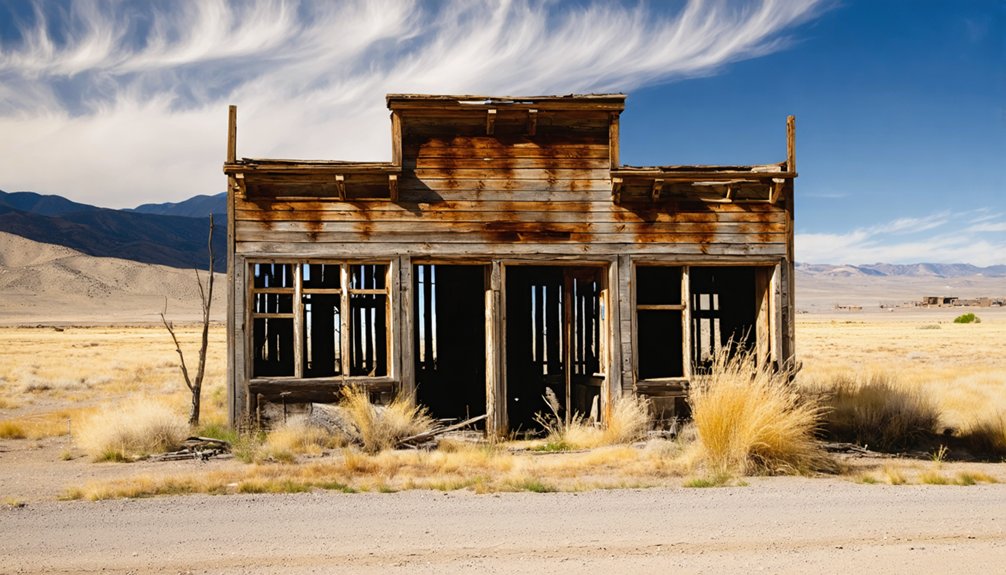
Planning a ghost town road trip to Herman, Idaho takes you deep into Bonneville County’s rugged, open grazing land, about 20 miles southeast of Bone. This forgotten gold rush settlement thrived in the late 1800s before boom-and-bust cycles left it silent. You’ll find no standing structures, but the untouched landscape carries a haunting history. Visit in late spring or early summer for the best access. Stick around, and you’ll uncover everything you need to make this trip unforgettable.
Key Takeaways
- Herman, Idaho, is located in Bonneville County, approximately 20 miles southeast of Bone, accessible via a manageable 2WD road.
- Late spring and early summer are the best times to visit, as heavy winter snowfall makes the site inaccessible.
- No standing structures remain at Herman, but the site reflects a boom-and-bust gold mining history from the late 1800s.
- Carry water, detailed maps, and sturdy boots, as cell service is unreliable and terrain is uneven in this remote area.
- Nearby ghost towns, including Caribou City, can be combined into one trip for a richer regional exploration experience.
What Is the Ghost Town of Herman, Idaho?
Tucked away in Bonneville County, Idaho, Herman is a ghost town that once thrived as a gold mining settlement in the late 1800s before fading into little more than a spot along a rural road. Sitting 20 miles southeast of Bone, this remote location tells a story of boom-and-bust mining history that shaped the American West.
Miners from Caribou Mountain once sent their families down to Herman during brutal winters, making it a seasonal refuge. A nearby gold town’s destruction by fire pushed residents onward, sealing Herman’s fate.
Today, you won’t find buildings or historical artifacts remaining at the site. What you’ll find is raw, open grazing land that quietly holds the echoes of a forgotten era worth exploring on your own terms.
Where Is Herman, Idaho Located?
Knowing Herman’s history sets the stage, but knowing where it actually sits on the map helps you plan your route with confidence. Herman rests in Bonniville County, Idaho, roughly 20 miles southeast of Bone.
The surrounding landscape is open grazing land, expansive and largely untouched, giving you a real sense of the isolation early miners endured. Winters here hit hard with heavy snowfall, while summers swing from moderate to hot, so timing your visit matters.
Though no historical artifacts remain standing and local legends are all that echo through the terrain, the geography itself tells a story.
You’ll access the site via a manageable 2WD road, making the journey straightforward for travelers craving wide-open exploration without bureaucratic barriers.
What’s Left to See at Herman Ghost Town Today?
Although Herman once buzzed with the energy of gold miners and their families, you’ll find almost nothing standing at the site today. No abandoned structures remain — the town has been reduced to little more than a spot along a quiet road surrounded by open grazing land.
Don’t expect historical artifacts scattered across the ground either. The boom-and-bust mining cycle, combined with decades of harsh Idaho winters and heavy snowfall, have erased most visible traces of the settlement.
What you’ll discover is a raw, open landscape that carries a quiet, almost eerie atmosphere unique to ghost towns.
You’re fundamentally standing on history itself. The absence of physical remains makes Herman a reflective stop rather than a visual spectacle, rewarding visitors who appreciate the story behind the silence.
When Is the Best Time to Visit Herman, Idaho?
You’ll want to plan your visit to Herman during late spring or early summer, when the roads are clear and the weather is cooperative.
Heavy winter snowfall makes the site inaccessible for much of the year, so timing your trip right is essential.
Summer temperatures can climb from moderate to hot, so pack accordingly and hit the road early in the day.
Ideal Seasonal Visit Windows
Timing your visit to Herman, Idaho, can make the difference between a smooth road trip and a frustrating one. Late spring and early summer offer the best conditions, giving you clear roads, mild temperatures, and accessible terrain without the brutal heat of midsummer.
Winter’s heavy snowfall makes the area nearly impassable, so you’ll want to avoid planning anything between November and early April.
Arriving during ideal windows also supports preservation efforts at sensitive sites like Herman, where fragile landscapes suffer less disturbance under stable weather conditions.
You’ll move more freely, document historical artifacts more effectively, and explore without rushing against fading daylight.
Plan your departure early in the day, check local weather forecasts beforehand, and you’ll maximize every mile of this rewarding ghost town road trip.
Weather Impacts Accessibility
Weather shapes your access to Herman more than any other factor on this road trip. Heavy winter snowfall blankets Bonniville County’s roads, cutting off the site entirely for months. You’ll find the 2WD road impassable until late spring thaws clear the route.
Once snow retreats, seasonal flora bursts across the grazing land surrounding Herman, transforming the landscape into something worth exploring beyond the ghost town itself. Late spring through early summer delivers the sweet spot — roads are clear, temperatures stay manageable, and wildlife observation opportunities peak as animals move through the open terrain.
Summer heat climbs into the hot range, making midday visits uncomfortable. Time your arrival for morning hours, check weather conditions before leaving home, and you’ll navigate Herman’s seasonal window without frustration.
How Do You Get to Herman Ghost Town Without Getting Lost?
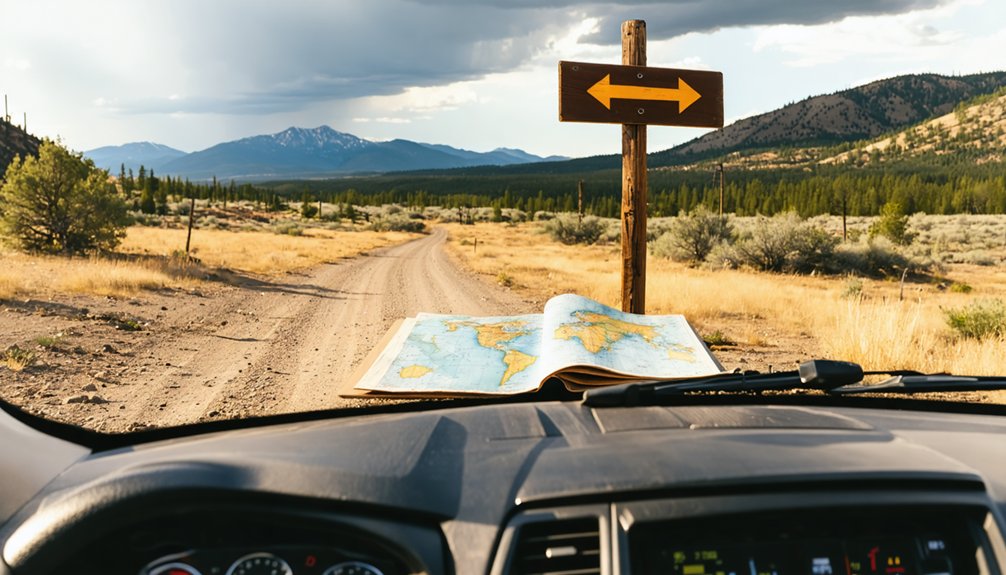
Since Herman sits 20 miles southeast of Bone, Idaho, getting your bearings before you hit the road makes all the difference. Grab a detailed map before you leave — digital signals are unreliable out here, and you don’t want to wander Bonniville County’s back roads aimlessly.
The good news is that you don’t need a specialized vehicle. The road grid accessing Herman is 2WD-friendly, rated an 8 on the local scale, meaning most standard cars handle it comfortably.
Stick to late spring or early summer when conditions are driest and visibility is sharpest — ideal for wildlife observation along the route.
Once you arrive, stay on established paths. Responsible historical preservation means respecting the land that quietly holds what little remains of Herman’s remarkable past.
What Should You Pack for the Herman, Idaho Road Trip?
Packing smart keeps your Herman road trip comfortable and safe, so don’t leave home without these essentials. Start with a detailed map since cell service isn’t guaranteed in Bonniville County’s remote terrain.
Sturdy hiking boots protect your feet across uneven ground, and extra water and snacks fuel your exploration through Idaho’s summer heat.
Check the weather before you leave, as conditions shift quickly in this high-elevation region.
Your packing essentials should also include trash bags, since you’ll pack out everything you bring in.
Don’t forget your photography gear. Herman’s open landscape, dramatic skies, and weathered remnants reward every photographer willing to visit during golden hour.
A wide-angle lens captures the sweeping grazing land beautifully.
Arrive prepared, and you’ll leave with memories worth keeping.
Is It Safe to Explore Herman Ghost Town?
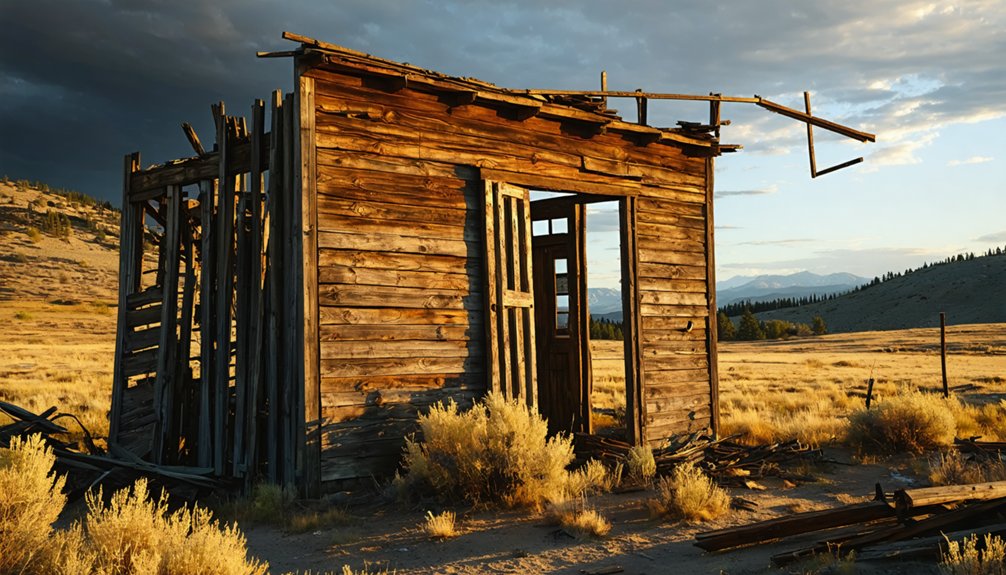
Before you head out, check the weather forecast since Herman’s winters bring heavy snowfall that can make roads treacherous and conditions unpredictable.
Once on-site, stick to established paths to protect the fragile landscape and reduce your risk of injury on uneven terrain.
You’ll also want to respect legal boundaries by avoiding active mining claims and leaving any remnants exactly where you find them.
Weather Preparedness Tips
Weather in Bonniville County can shift quickly, so you’ll want to check the forecast before heading out to Herman. Heavy winter snowfall can make roads impassable, so late spring or early summer offers the safest window for your visit.
You’ll also catch wildflower blooming across the grazing lands, transforming the landscape into something worth photographing.
Summer temperatures climb from medium to hot, so pack extra water and lightweight layers you can shed as the day warms. Early mornings cool things down and give you the best chance at wildlife spotting before animals retreat from the heat.
Always carry weather gear for sudden afternoon storms. Staying weather-aware keeps your road trip running smoothly and lets you focus on exploring Herman’s fascinating, rugged history.
Since Herman has no standing structures left, you won’t face the usual hazards of crumbling buildings or unstable floors, but that doesn’t mean you can let your guard down entirely. The open terrain still demands respect and careful attention.
Watch where you step, as uneven ground and hidden debris can catch you off guard. If you spot historical artifacts, don’t touch or remove them — leave everything exactly as you find it to preserve the site’s integrity.
Wildlife encounters are a real possibility in this Idaho grazing land, so stay alert and give animals plenty of space. Stick to established paths to minimize erosion on the fragile landscape.
Bring your map, wear sturdy boots, and explore during daylight hours for the safest, most rewarding experience.
Legal And Ethical Boundaries
Exploring Herman ghost town is generally safe and legal, but you’ll need to respect a few important boundaries to keep it that way. Historical preservation matters here — don’t touch, pocket, or disturb any remnants you encounter. Even minimal artifacts carry historical significance worth protecting.
Local regulations also prohibit trespassing on active mining claims, which still exist in this region. Before wandering off the road grid, confirm you’re on public land. Ignorance won’t protect you legally if you cross into a private claim.
Stick to established paths to reduce erosion on this fragile landscape. Pack out everything you bring in, leaving the site exactly as you found it. Respecting these boundaries ensures Herman remains accessible for every explorer who follows you.
How to Visit Herman Without Damaging What’s Left
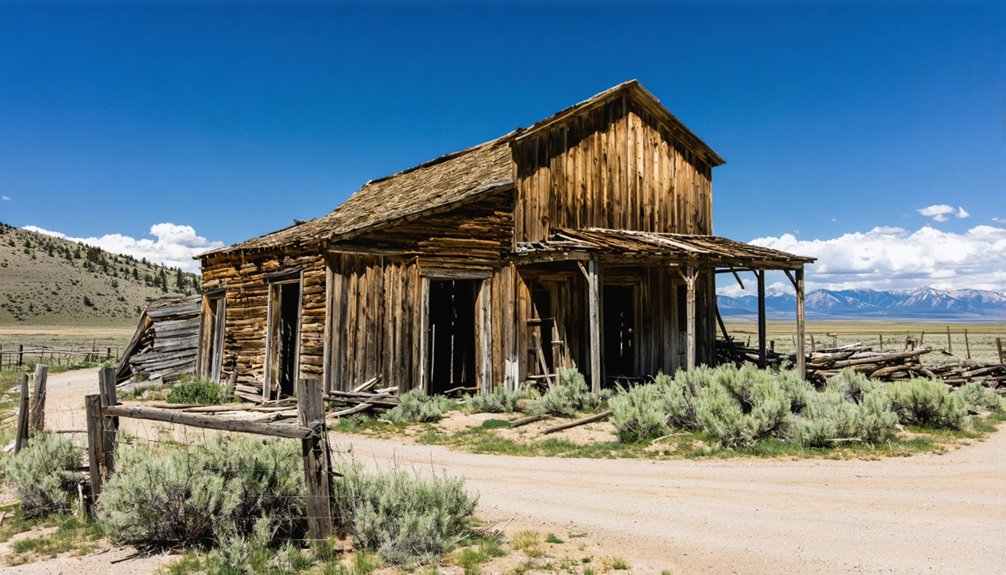
Although little remains at Herman, what’s left deserves your respect. You’re visiting a fragile landscape where wildlife preservation matters as much as historical awareness.
Stick to established paths to reduce your environmental impact and prevent unnecessary erosion across the terrain.
Don’t touch, collect, or disturb anything you find. Even scattered debris tells a story worth preserving for future visitors.
Pack out every piece of trash you bring in, leaving the site exactly as you found it.
Avoid wandering onto active mining claims nearby — trespassing carries real legal consequences.
Check weather conditions before you head out, wear sturdy boots, and bring enough water.
You’re exploring a remote stretch of Idaho, and responsible preparation protects both you and the irreplaceable history beneath your feet.
Nearby Idaho Ghost Towns Worth Visiting on the Same Trip
Once you’ve finished at Herman, southeast Idaho rewards you with several ghost towns worth folding into the same road trip. The region surrounding Bonneville County holds scattered remnants of the same gold rush era that built and buried Herman.
Towns like Caribou City sit close enough to reach without backtracking considerably, offering historical artifacts that connect directly to the mining culture you’ve already been exploring.
You’ll also find that traveling between these sites opens up genuine wildlife observation opportunities, since elk, deer, and raptors move freely across this high-country terrain.
Keep your detailed map handy, because rural Idaho roads shift between well-maintained and surprisingly rough. Clustering multiple ghost towns into one route maximizes your time and builds a richer picture of Idaho’s boom-and-bust frontier history.
Frequently Asked Questions
Is There an Admission Fee to Visit Herman Ghost Town, Idaho?
Imagine rolling up freely with no wallet needed! You won’t pay any admission fee to explore Herman’s historic preservation site. Visitor amenities are minimal, but that raw, open access makes your ghost town adventure feel authentically liberating.
What County Is the Herman, Idaho Ghost Town Located In?
You’ll find Herman’s historical preservation site nestled in Bonniville County, Idaho. It’s a raw, untamed destination offering minimal visitor amenities, but it’s perfect for freedom-seekers craving an authentic, off-the-beaten-path ghost town adventure!
Can You Visit Herman Ghost Town During Winter Months?
Like Frost’s road less traveled, you *can* visit Herman in winter, but heavy snowfall makes it challenging. You’ll find stunning winter scenery, yet limited seasonal activities await, so late spring’s your best bet!
What Is the Road Grid Access Rating for Herman, Idaho?
You’ll find Herman’s road grid access rating sits at 8, making it easy to reach for your adventure. While there’s no historic architecture left, you can enjoy wildlife observation along the accessible 2WD route!
Were Families Actually Sent to Herman During Winter Mining Seasons?
Like a GPS guiding settlers, miners actually sent their families down to Herman during winter! You’ll find winter mining history shaped family settlement stories, as Caribou Mountain miners sought safer, lower ground for their loved ones each season.
References
- https://foodtravelfamily.com/northern-idaho-ghost-towns/
- https://visitidaho.org/things-to-do/ghost-towns-mining-history/
- https://www.youtube.com/watch?v=rTSZSlxTmbs
- https://en.wikipedia.org/wiki/List_of_ghost_towns_in_Idaho
- https://www.ghosttowns.com/states/id/herman.html
- https://www.airial.travel/attractions/united-states/hermanas-ghost-town-69SboQSx