Moseman, California doesn’t appear on any verified ghost town map or historical registry, so you won’t find reliable road data or access conditions for it. It’s likely a misremembered name or hyper-local reference. Instead, you can redirect your road trip to California’s well-documented mining ruins like Bodie, Ballarat, and Forest City. Each offers genuine history, atmospheric photography, and unforgettable landscapes — and there’s plenty more to uncover about planning your trip right.
Key Takeaways
- Moseman, California lacks verified historical records, making confirmed California ghost towns like Bodie, Ballarat, and Forest City safer alternatives for road trips.
- Bodie State Historic Park charges $8 for adults, requires a 3-mile unpaved road, and is best visited between Memorial Day and Labor Day.
- Ballarat and Forest City are free to visit but require careful preparation due to remote access and minimal amenities.
- Pack one gallon of water per person daily, non-perishable food, a first-aid kit, offline maps, and ensure your vehicle suits rough terrain.
- Photograph weathered structures using wide-angle lenses and polarizing filters, while avoiding contact with fragile adobe ruins to support preservation.
Moseman, California: Why Ghost Town Hunters Can’t Find It
If you’ve been searching for Moseman, California on ghost-town maps and coming up empty, you’re not alone — the name doesn’t appear in any verified historical travel records or documented mining-site registries. That gap matters for both historical accuracy and travel safety.
Chasing an unverified destination into remote California terrain means planning without reliable road data, access conditions, or emergency service locations.
Moseman may be a misremembered place name, a hyper-local reference, or simply a location too obscure to have entered documented record. Rather than risk a dead-end drive, you’re better served redirecting your route toward California ghost towns with confirmed histories.
Bodie, Ballarat, and Forest City each deliver the raw, abandoned atmosphere you’re after — with enough factual grounding to keep your trip both rewarding and safe.
The California Ghost Towns Worth Visiting Instead
Once you set aside the unverifiable and redirect toward the documented, California’s ghost-town circuit rewards you with three standout stops: Bodie, Ballarat, and Forest City. Each site earns its place through genuine historical preservation and distinct character.
California’s ghost-town circuit rewards the research — three documented stops, each earning its place through preservation and distinct character.
Bodie State Historic Park delivers the strongest visitor amenities, with posted hours, admission pricing, and a maintained road off Highway 395. You’ll walk through arrested decay at its finest.
Ballarat, off Panamint Valley Road near Death Valley, offers adobe ruins and weathered shacks perfect for photography and independent exploration.
Forest City, tucked deep in Tahoe National Forest, strips everything back — no cell service, no grocery stores, just four residents holding history together.
These three stops give your road trip real footing, documented destinations that actually show up on the map.
Ruins, Admission Costs, and Access Roads at Each Stop
Each stop on your ghost-town route offers its own mix of photogenic ruins, entry fees, and road conditions you’ll want to know before you go.
At Bodie, you’ll pay $8 as an adult or $5 for kids ages 4 to 17, then drive ten miles on State Route 270 before hitting three miles of unpaved road to reach the preserved wooden structures and storefronts.
Ballarat and Forest City cost nothing to enter but demand patience. Ballarat’s adobe ruins and weathered shacks sit off Panamint Valley Road near Trona, while Forest City hides deep in Tahoe National Forest with no services waiting when you arrive.
Ruins Worth Photographing
Whether you’re chasing the perfect shot of a collapsed mine shaft or a sun-bleached wooden facade, California’s documented ghost towns deliver the kind of atmospheric ruins that make a road trip worth the detour.
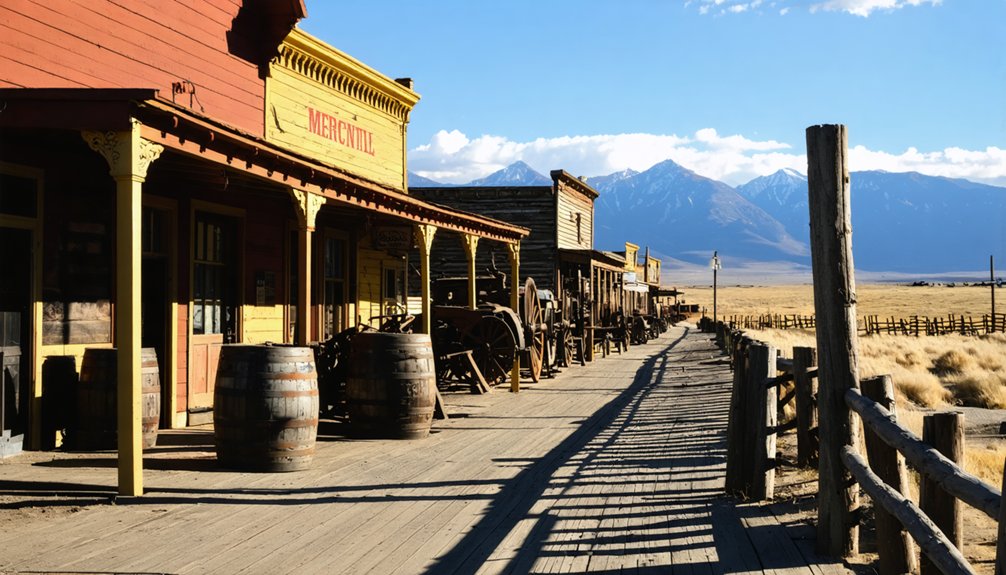
At Bodie, historical preservation keeps weathered storefronts and mining equipment frozen in time, giving you photography opportunities that feel genuinely untouched. Walk the dusty streets and frame sagging rooflines against the high-desert sky.
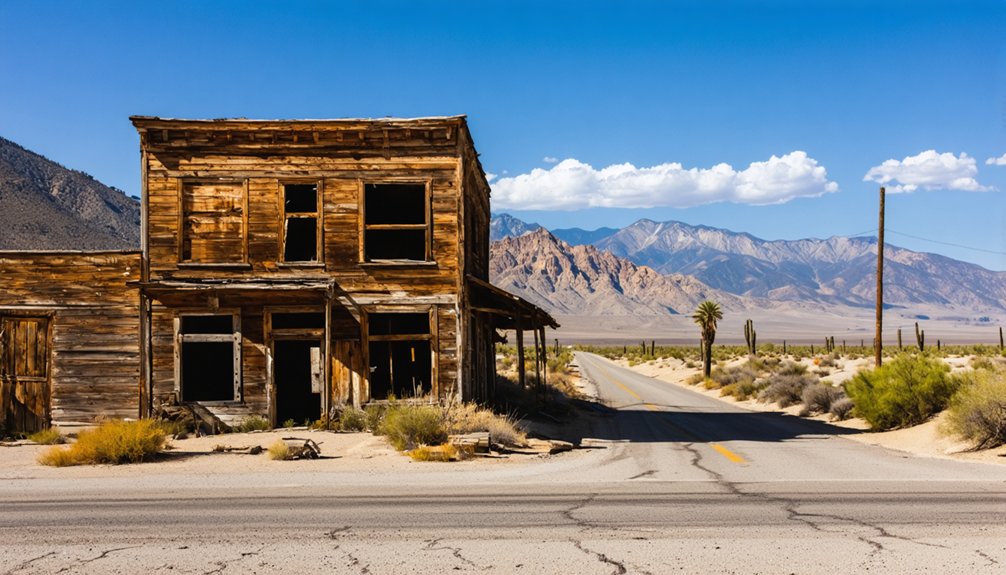
Ballarat offers adobe ruins and splintered wooden shacks beside Panamint Valley Road, where the stark landscape amplifies every shot. Bring a wide lens.
Forest City hides deep inside Tahoe National Forest, where a handful of dedicated residents maintain structures that recall the Gold Rush era. Limited cell service means you shoot distraction-free, fully present in the silence.
Admission Costs Explained
Knowing what you’ll pay and how you’ll get there saves real headaches before you leave the driveway. Bodie State Historic Park charges $8 for adults and $5 for children ages 4 to 17, with kids three and under entering free. That fee directly supports historical preservation efforts keeping the site intact for future visitors.
You’ll drive State Route 270 east from Highway 395, follow ten miles to where pavement ends, then continue three miles on an unpaved road. Visitor amenities are minimal out there, so carry water, snacks, and a spare tire.
Ballarat and Forest City operate without formal admission gates, but their remote approaches demand similar preparation. Budget your fuel carefully, confirm your vehicle handles rough terrain, and you’ll move through each stop without unnecessary delays.
Access Road Conditions
Road conditions at California’s ghost towns can make or break your trip before you ever reach the ruins. At Bodie, you’ll drive 10 miles east on State Route 270 from Highway 395, then tackle three miles of unpaved road to reach the site. That final stretch demands a vehicle with decent clearance, especially after rain.
Ballarat sits off Panamint Valley Road, where washboard dirt surfaces test both patience and suspension.
Forest City, tucked deep inside Tahoe National Forest, presents similarly rugged road accessibility with zero nearby services if something goes wrong.
Historical preservation thrives at these sites partly because isolation keeps crowds manageable, but that same isolation means you’re responsible for your own preparation.
Check road conditions before you leave, carry extra water, and never assume pavement continues all the way.
Directions to Bodie, Ballarat, and Forest City
Getting to each of these ghost towns takes a little planning, but the drives themselves are part of the adventure. For Bodie, take Highway 395 to State Route 270 east for 10 miles, then follow three miles of unpaved road to the park entrance. Check map accuracy before you leave — cell service drops fast out here.
Ballarat sits off Panamint Valley Road north of Trona, deep in Death Valley’s mining country where local legends of lost claims still echo through the canyons.
Forest City hides inside Tahoe National Forest, reachable only by narrow mountain roads with no grocery stores or gas nearby. Download offline maps, fuel up early, and give yourself extra daylight — these remote routes reward the prepared traveler.
The Best Season to Visit Each California Ghost Town
Once you’ve mapped your route, timing your visit can make or break the experience at each stop. Seasonal accessibility shapes what you’ll actually see and how safely you’ll get there.
Bodie shines brightest from Memorial Day through Labor Day, when summer hours extend to 6:00 p.m. and the roads stay manageable. Winter narrows your window considerably, so plan accordingly.
Ballarat’s desert location means brutal summer heat — spring and fall offer far more comfortable exploring without sacrificing the raw atmosphere that makes historical preservation so meaningful here.
Forest City sits deep inside Tahoe National Forest, where winter snowpack can block access entirely. You’ll want late spring through early fall for reliable entry.
Match your timing to each destination, and you’ll experience California’s ghost-town history on its best terms.
Supplies You Need When Services and Cell Signal Run Out
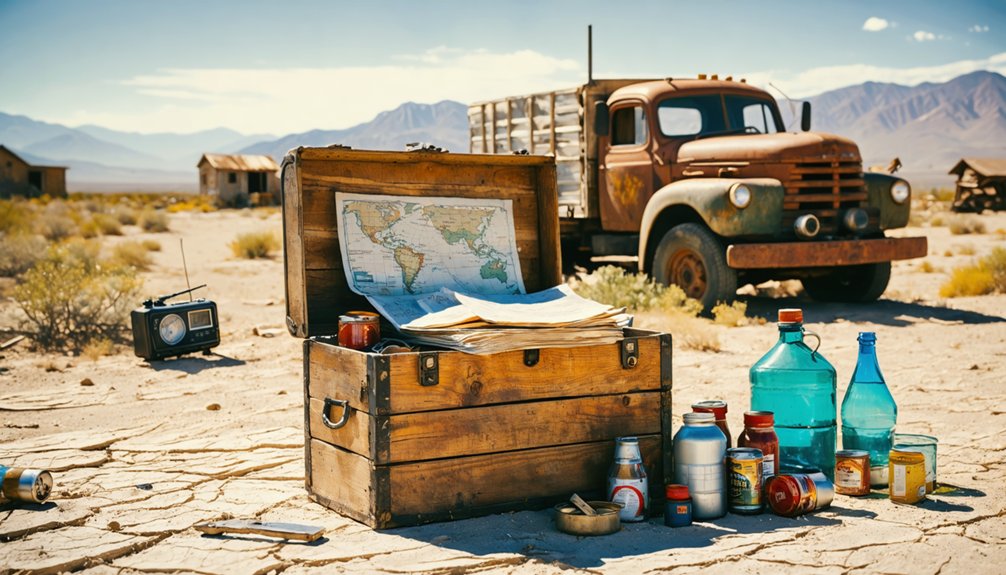
When you’re heading into remote ghost towns like Bodie, Ballarat, or Forest City — where grocery stores, cell service, and paved roads can all disappear at once — your supply kit becomes your lifeline.
Pack essential gear including a paper map, first-aid kit, flashlight, and basic tools for roadside repairs on unpaved approaches.
You’ll also want to carry more water and food than you think you need, since resupply points are often hours away and desert heat can drain your reserves fast.
Essential Gear To Pack
Packing the right gear can make or break a ghost-town road trip, especially since sites like Ballarat, Forest City, and Bodie sit far from grocery stores, gas stations, and reliable cell coverage. Toss extra water, non-perishable food, a paper map, and a first-aid kit into your vehicle before you leave pavement behind.
For historical preservation, keep a respectful distance from fragile adobe ruins and weathered structures — touching deteriorating materials accelerates damage.
A wide-angle lens and a polarizing filter serve you well for photography tips at these sites, cutting glare and capturing dramatic textures in old wood and crumbling walls.
Portable battery packs keep your camera and GPS charged when outlets disappear entirely.
Pack light, pack smart, and you’ll move freely through California’s remote mining landscapes without unnecessary setbacks.
Water And Food Supplies
Remote ghost towns like Ballarat, Forest City, and Bodie sit miles from the nearest store or reliable signal, so your vehicle becomes your supply chain the moment you leave pavement.
Pack at least one gallon of water per person per day, and practice water conservation by using reusable containers and avoiding waste on multi-day stretches. Desert heat accelerates dehydration faster than you’d expect, especially on exposed terrain near Death Valley‘s mining sites.
For food storage, use hard-sided coolers with quality ice packs and prioritize calorie-dense, non-perishable options like nuts, jerky, and dried fruit. These foods travel well on rough dirt roads and don’t require refrigeration if your ice runs out.
Your freedom depends on your preparation — don’t let an empty cooler cut the trip short.
Frequently Asked Questions
Can Children Visit California Ghost Towns Safely on a Family Road Trip?
At Bodie, kids under 4 visit free! You’ll find historical preservation efforts support visitor safety, making family trips rewarding. Watch your children around aged ruins, stay on marked paths, and embrace California’s wild, adventurous ghost town history together.
Are Pets Allowed Inside Bodie State Historic Park During Visits?
You’ll want to check Bodie’s current pet policies before visiting, as park regulations typically restrict animals in historic areas. Contact the park directly to confirm what’s allowed so you’re free to plan confidently.
Is Photography of Ruins Permitted at Ballarat and Forest City?
You’ll find ruins photography a rewarding pursuit at both stops. Ballarat’s adobe ruins and weathered shacks invite your lens, while Forest City’s historic preservation efforts make every shot a meaningful tribute to California’s mining heritage.
How Long Does a Typical Ghost Town Road Trip Through California Take?
Like peeling back time itself, a typical California ghost town road trip takes 3–7 days. You’ll chase scenic viewpoints and historical preservation stories across rugged terrain, letting each crumbling ruin set your pace naturally.
Are There Guided Tours Available at Any California Ghost Town Stops?
You’ll find guided tour options at Bodie State Historic Park, where rangers lead walks offering rich historical interpretation of the mining era. These tours let you roam freely while uncovering fascinating stories behind the weathered ruins.
References
- https://www.visitcalifornia.com/road-trips/ghost-towns/
- https://www.youtube.com/watch?v=ElbXVNDurPc
- https://www.monocounty.org/places-to-go/bodie/