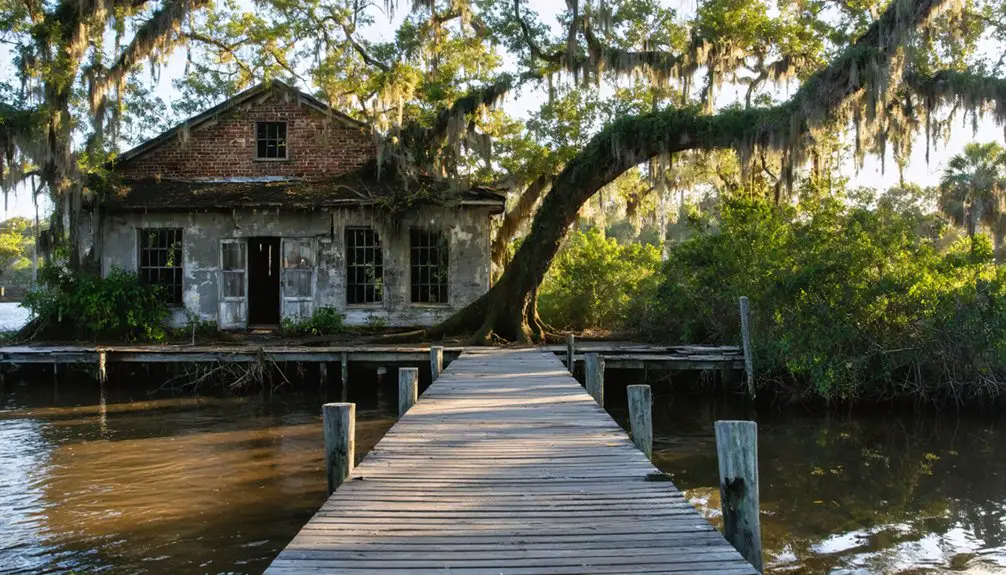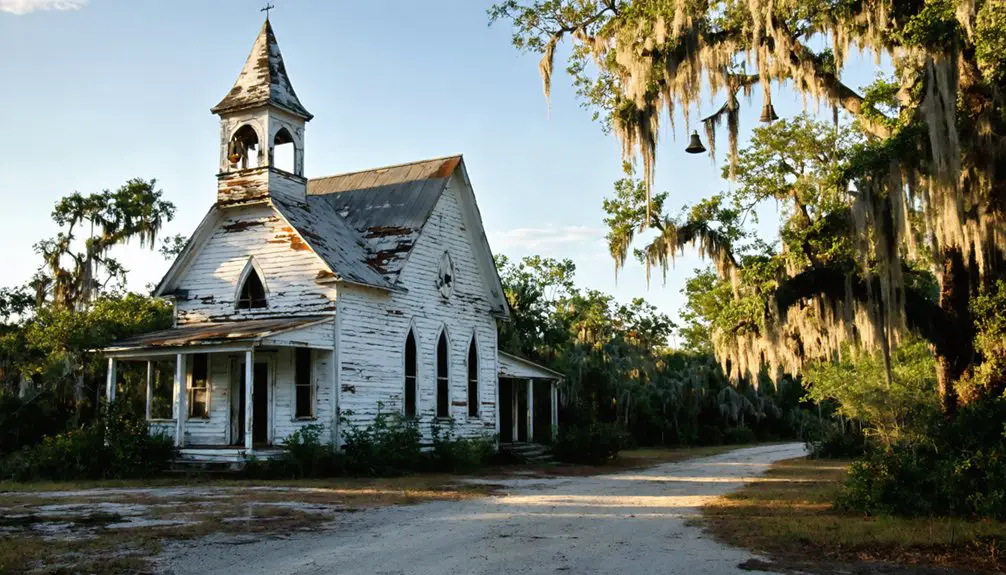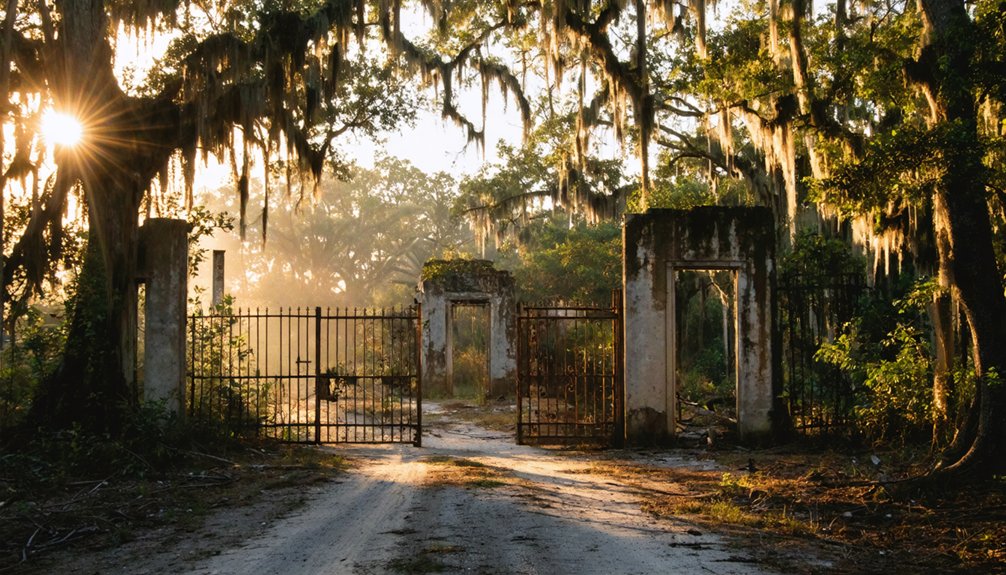
Planning a ghost town road trip to Ortona, Florida means heading deep into south-central Florida along SR 78, where ancient earthworks, engineered canals, and prehistoric mounds wait along the Caloosahatchee River. You’ll want to visit between November and April, bring water, wear closed-toe shoes, and leave time to walk slowly. Stop in LaBelle for local flavor and watch for wildlife along the river corridor. There’s far more layered history here than first meets the eye.
Key Takeaways
- Visit between November and April for comfortable weather, avoiding summer heat, humidity, and flooding rains that make access difficult.
- The one-mile shaded trail features earthwork ridges, canal remnants, and interpretive signage explaining the prehistoric Native American town.
- Bring water and wear closed-toe shoes, as the site offers minimal amenities for visitors.
- Combine the trip with stops in LaBelle for local dining, historic architecture, and ranching heritage landmarks along SR 78.
- Watch for wildlife along the Caloosahatchee River corridor, including wading birds, otters, and alligators visible from bridges and boat ramps.
Why Ortona, Florida Belongs on Your Ghost Town Road Trip
While most ghost towns conjure images of crumbling storefronts and tumbleweeds, Ortona, Florida tells a far older and stranger story. Tucked along the Caloosahatchee River in Glades County, this unincorporated area holds prehistoric mounds, engineered canals, and earthworks stretching across five square miles.
Native Americans built this place around A.D. 300, long before European contact.
You’ll find more than archaeology here. Wildlife viewing along the river corridor rewards patient travelers with wading birds, alligators, and native flora. The annual Cane Grinding Festival connects you directly to the region’s agricultural roots and offers a genuine taste of local cuisine tied to sugarcane traditions.
Ortona isn’t a ruin you pass through — it’s a living landscape that rewards curiosity, making it essential for any serious Florida road trip.
Ortona Indian Mound Park: Canals, Earthworks, and What to Expect on the Trail
When you walk the trail at Ortona Indian Mound Park, you’re moving through the remnants of a five-square-mile prehistoric town engineered with canals and earthworks that archaeologists consider among the most significant in Florida.
You’ll see mounds rising from the landscape alongside traces of waterways that once connected a thriving Native American settlement, giving you a rare, tangible sense of the site’s ancient scale.
Keep your expectations grounded, though — preservation is uneven, and some features extend onto private land beyond the trail’s reach.
Canal And Earthwork Features
Once you step onto the trail at Ortona Indian Mound Park, you’re walking across one of the most quietly astonishing engineered landscapes in North America. The ancient waterways stretching across this five-square-mile site weren’t accidents of nature — Native Americans deliberately constructed them for trade, travel, and community life. Their archaeological significance rivals anything you’ll find in the Southeast.
You’ll notice subtle ridges and depressions cutting through the terrain. Those are the canals. The mounds rise above the flat Florida landscape with quiet authority, and the earthworks connecting them reveal a civilization that understood hydraulic engineering long before European contact.
Most visitors walk right past these features without realizing what they’re seeing. Slow down, read the trail markers, and let the landscape tell its own story.
Trail Highlights And Expectations
The trail at Ortona Indian Mound Park is short — roughly a mile — but it rewards patient walkers who pause long enough to read the interpretive markers scattered along the route. You’ll move through shaded hammock, past visible earthwork ridges, and alongside canal remnants that locals have layered with local folklore for generations.
The markers connect prehistory to landscape in plain language, so you don’t need a guide. Visitor amenities are minimal — expect a small parking area and little else — so bring water and wear closed-toe shoes. The ground can be uneven where mound edges drop unexpectedly.
If you treat the trail as a slow walk rather than a quick stop, the site’s scale and engineering become genuinely difficult to dismiss.
How the Caloosahatchee Shaped Ortona’s Prehistoric Past
Flowing through the heart of south-central Florida, the Caloosahatchee River didn’t just border Ortona’s prehistoric village—it built it. Native engineers carved canals and raised earthworks across a five-square-mile landscape, creating a thriving hub for trade, communication, and habitation as early as A.D. 300.
The river fed everything: local cuisine drawn from its abundant fish and wildlife, seasonal harvests, and connections to distant communities.
When you walk Ortona’s trails today, you’re moving through a landscape the river fundamentally designed. Wildlife observation along the Caloosahatchee corridor reveals how rich this environment remains—wading birds, alligators, and native fish still occupy the same waterways that sustained a major prehistoric civilization.
The river gave Ortona its reason to exist, and its legacy runs deeper than any road map shows.
How to Get to Ortona Indian Mound Park
You’ll find Ortona Indian Mound Park along SR 78 in Glades County, north of LaBelle and west of Lake Okeechobee, making it a straightforward detour on a south-central Florida road trip.
From Fort Myers, head northeast on SR 78 until you reach the park entrance on the north side of the Caloosahatchee River.
Before you go, check whether nearby roads accessing historic ghost-town areas are open to the public, since some routes may be closed and can derail your plans.
Park Location Overview
Tucked along the north bank of the Caloosahatchee River in Glades County, Ortona Indian Mound Park sits just off SR 78, north of LaBelle in south-central Florida. You’ll find it within a landscape that still feels wide open and unhurried, where local wildlife moves freely through river hammocks and open pasture.
The park preserves a portion of a five-square-mile prehistoric village complex, one of Florida’s most archaeologically significant sites. Visitor amenities are modest but functional, keeping the experience grounded in the land itself.
Whether you’re driving up from LaBelle or cutting across from the coast, the location makes it a natural stop on any south-central Florida road trip. Getting there’s straightforward, and the setting rewards the detour immediately.
Driving Routes Nearby
Getting to Ortona Indian Mound Park is simpler than the region’s remoteness might suggest. From LaBelle, head north on SR 78 along the Caloosahatchee River, and you’ll reach the park within a short drive through open ranch country. The same corridor that once supported ancient trade between interior villages and coastal settlements still guides travelers today.
If you’re coming from the east, US 27 connects you to SR 78 near Moore Haven, giving you a clean approach through Glades County’s wide-open landscape.
From Fort Myers, SR 78 runs northeast directly along the river.
Keep in mind that some roads near historically significant areas may be closed to the public. Plan your route in advance so you arrive ready to explore a site of genuine cultural significance without unexpected detours.
Road Closure Considerations
Before you load up the car, know that some roads near Ortona’s historically significant areas are closed to the public, so a little advance planning saves you a wasted detour on arrival.
Several earthworks and mound features sit on private land, meaning you can’t simply pull off and explore wherever curiosity leads you. Road restrictions exist throughout the surrounding pasture and timber areas, and ignoring them won’t earn you better access — it’ll just cost you time and goodwill.
Your best move is heading directly to Ortona Indian Mound Park, which sits along SR 78 in Glades County. The park offers a legitimate trail through preserved sections of the prehistoric site, giving you real access without the frustration of hitting a locked gate on a back road.
When to Visit Ortona and How to Plan the Drive
Timing your visit to Ortona can make or break the experience. Florida’s south-central interior turns brutally hot and humid from June through September, so aim for November through April when temperatures stay manageable and afternoon storms are rare. Always check the weather forecast before heading out, since summer downpours can flood low-lying roads near the Caloosahatchee fast.
Avoid June through September — heat, humidity, and flooding rains make south-central Florida’s interior unforgiving.
Pair your drive along SR 78 with a stop in LaBelle to sample local cuisine — the small town offers diners and roadside spots worth the detour.
Leave early to catch the park during daylight hours, since natural light makes the mounds and earthworks far easier to appreciate.
If the annual Cane Grinding Festival aligns with your schedule, build your entire road trip around that weekend.
Historic Sites and Natural Stops Near Ortona Worth Adding
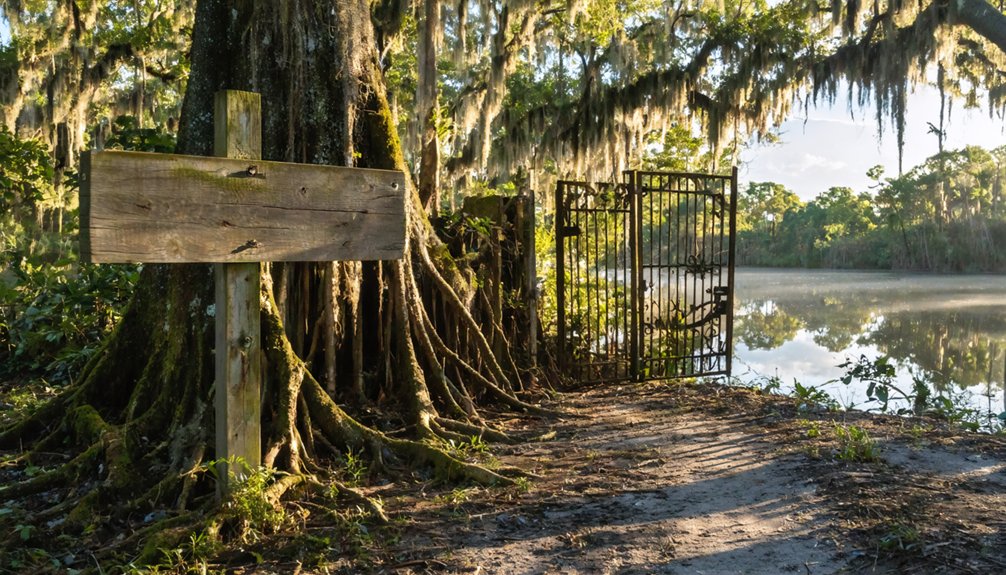
Once you’ve walked Ortona Indian Mound Park’s trail and taken in the earthworks, the surrounding region rewards you with stops that deepen the story. Head south toward LaBelle, where historic architecture lines the small downtown — courthouses and storefronts that anchor Glades County’s ranching past.
The Caloosahatchee River corridor offers genuine encounters with local wildlife, including wading birds, otters, and alligators visible from low bridges and public boat ramps. Fisheating Creek, northeast of the area, draws paddlers into cypress corridors where Florida feels genuinely wild and unhurried.
The Ortona Lock and Dam, managed by the Army Corps of Engineers, gives you a concrete look at how water control reshaped this landscape. Together, these stops build a fuller picture of south-central Florida’s layered history.
Frequently Asked Questions
Is Ortona Indian Mound Park Free to Enter for Visitors?
You’ll find Ortona Indian Mound Park free to enter, letting you freely explore its remarkable archaeological findings and absorb the deep historical significance of prehistoric mounds, canals, and earthworks shaping Florida’s ancient landscape.
Are Pets Allowed on the Hiking Trail at Ortona?
Like a well-worn leash, the answer’s unclear—the knowledge base doesn’t confirm pet policies. For your pet’s safety and varying trail conditions, contact Glades County directly before bringing your furry companion to Ortona’s trails.
When Is the Annual Cane Grinding Festival Held at Ortona?
The exact dates aren’t confirmed, but you’ll discover historical artifacts and vibrant festival activities when you attend Ortona’s annual Cane Grinding Festival, celebrating the region’s rich agricultural heritage at Ortona Indian Mound Park — roam free and experience it firsthand!
Is the Ortona Cemetery Open to the Public for Visits?
You’d think historical preservation locks cemeteries away forever — but you can visit Ortona’s cemetery! Cemetery regulations typically allow public access, so you’re free to walk among its storied graves, established in 1921.
Are Guided Tours Available at Ortona Indian Mound Park?
The knowledge doesn’t confirm guided tours, but you’ll uncover archaeological findings and historical significance firsthand via a hiking trail weaving through ancient mounds and earthworks — walk freely, explore independently, and let Ortona’s prehistoric landscape speak directly to you.
References
- https://floridatrailblazer.com/tag/ghost-towns/
- https://etchey.wordpress.com/2009/11/15/sunday-drive-to-citrus-center/
- https://en.wikipedia.org/wiki/Ortona
- http://www.shrimpnfishflorida.com/forums/threads/lake-county-fl-ghost-towns.5641/
- https://lostworlds.org/ortona-mounds-glades-county-florida/
- https://en.wikipedia.org/wiki/Ortona_Prehistoric_Village
- https://accessgenealogy.com/florida/ortona-archeological-site.htm
- https://en.wikipedia.org/wiki/List_of_ghost_towns_in_Florida
- https://www.wgcu.org/show/gulf-coast-life/2024-04-10/forgotten-park-series-unearths-ortona-indian-mound-parks-history