Planning a road trip to Pennock, Michigan means stepping into the quiet ruins of America’s first copper boom, where overgrown foundations and scattered artifacts tell a story of ambition and collapse. You’ll want a high-clearance vehicle, printed maps, and supplies stocked before you leave civilization behind. Visit between late spring and early fall for the best conditions. Everything you need to make this journey unforgettable is waiting just ahead.
Key Takeaways
- Visit between late spring and early fall for the best road conditions, with late June to early September being most reliable.
- Use a high-clearance vehicle, download offline maps, and carry GPS coordinates since cell service is unreliable.
- Stock up on fuel, water, food, and supplies in nearby towns like Phoenix or Eagle Harbor before arriving.
- Pack sturdy boots, layered clothing, insect repellent, and bear spray for safe exploration of the overgrown ruins.
- Do not remove artifacts or disturb ruins; leave everything exactly as found to preserve the site.
What Is Pennock, Michigan and Why Visit?
Though few have heard its name, Pennock, Michigan tells one of the Upper Peninsula’s most compelling ghost town stories. Nestled near Eagle Harbor, this remote settlement rose during America’s first copper mining boom in the 1850s and collapsed just as dramatically decades later.
You’ll find historical artifacts scattered across overgrown terrain, silent witnesses to ambition, fraud, and fortune lost. Local legends trace back to Homer Pennock himself, whose controversial ventures shaped and ultimately doomed the town.
Visiting Pennock means stepping outside the ordinary. No crowds, no tourist traps — just raw wilderness reclaiming what industry once carved out. If you crave exploration on your own terms, this forgotten corner of Michigan rewards the curious traveler with authenticity that polished destinations simply can’t offer.
When Should You Plan Your Pennock Trip?
You’ll want to time your visit between late spring and early fall, when Michigan’s Upper Peninsula roads are most passable and the ruins aren’t buried under heavy snowfall.
Summer months offer the clearest conditions for exploring overgrown infrastructure, though you should expect muddy, uneven terrain that demands a high-clearance vehicle regardless of season.
Plan your route in advance, since the remote wilderness surrounding Pennock offers little margin for error if weather shifts unexpectedly.
Best Seasonal Visit Windows
When you visit Pennock shapes the entire character of your experience. The Upper Peninsula‘s harsh winters bury historical artifacts under snow, while summer opens the wilderness for exploration.
- Late Spring (May–June): Melting snow reveals ruins without overwhelming vegetation, offering cleaner sightlines across abandoned structures.
- Summer (July–August): Longer daylight hours maximize exploration time, though thick foliage creates preservation challenges by obscuring remnants of rail lines and company infrastructure.
- Early Fall (September–October): Thinning leaves restore visibility, crisp air sharpens the atmosphere, and the landscape echoes the quiet melancholy of Pennock’s abandoned legacy.
You’ll want to avoid winter entirely — remote roads become impassable.
Whatever window you choose, arrive prepared with supplies, since no municipal services exist anywhere near this forgotten Michigan settlement.
Weather And Road Conditions
Michigan’s Upper Peninsula doesn’t forgive poor planning — unpredictable weather patterns and rugged rural roads can shut down your Pennock trip before it starts. Winters here hit hard, burying back roads under heavy snow and ice that make navigation genuinely dangerous.
Spring thaws aren’t much friendlier; melting frost turns dirt roads into muddy traps that’ll swallow an unprepared vehicle whole.
For road safety, aim for late June through early September. You’ll get the most reliable driving conditions and the longest daylight hours for exploring overgrown ruins.
Even then, high-clearance vehicles handle remote Upper Peninsula terrain better than standard cars. Check local forecasts before you leave — conditions shift fast.
Nearby Eagle Harbor can serve as your supply and weather checkpoint before you push toward the site.
Peak Exploration Planning Tips
Timing your Pennock trip right goes beyond just dodging bad weather — it shapes the entire quality of your experience at the site. To truly connect with its mining legends and ghost stories, plan deliberately:
- Visit June through August — longer daylight hours give you maximum exploration time among the overgrown ruins without rushing.
- Arrive on weekdays — fewer travelers mean quieter conditions, letting the site’s abandoned atmosphere speak authentically to you.
- Plan around local events — nearby Eagle Harbor occasionally hosts heritage gatherings where regional history comes alive through firsthand accounts.
Carry printed maps since cell service is unreliable.
Stock supplies in Phoenix before heading out, because nothing interrupts a moment of historical discovery faster than an empty fuel tank.
The Rise and Fall of Pennock’s Copper Mining Industry
When you visit Pennock, you’re stepping into the legacy of America’s first mining boom, which took hold in the 1850s when the Central Mining Company snapped up 300 acres near Eagle Harbor.
The copper veins that once promised endless wealth began giving out in the early 1900s, dragging the town’s liveliness down with them.
Homer Pennock’s fraud scandals then dealt the final blow, shattering investor confidence and accelerating the collapse of what had been a thriving industrial settlement.
Mining Boom Beginnings
During America’s first great mining boom in the 1850s, Pennock burst into existence with ambition etched into every rail spike and company store shelf. The Central Mining Company purchased 300 acres near Eagle Harbor in 1854, igniting a chapter of mining history worth remembering.
Three developments shaped Pennock’s bold beginnings:
- Homer Pennock established controversial ventures that carved civilization from raw wilderness
- Rail lines connected the remote settlement to wider markets and labor pools
- Copper extraction drove economic energy, drawing workers hungry for opportunity
You can almost feel the era’s restless spirit when you visit today. That same land that once hummed with industry now stands silent, a testament to town abandonment and the relentless passage of time.
Copper Deposits Dwindle
As the 1900s arrived, Pennock’s copper veins began surrendering their last profitable yields, and the town’s fate sealed itself quietly beneath the rock. You can almost feel the tension that gripped workers watching output shrink season after season.
Mining history tells a brutal story here — depleted deposits don’t negotiate, and neither did economic reality.
Fraud scandals tied to Homer Pennock had already shaken investor confidence, accelerating the inevitable collapse. The Penn Iron Mining Company struggled forward until 1923, but it couldn’t outrun exhausted earth.
Railway lines soon abandoned the region entirely, cutting off Pennock’s lifeline.
Ghost town preservation efforts remind you that these ruins aren’t failures — they’re honest records of ambition meeting its limits. Walk this land and you’ll understand exactly what collapse truly looks like.
Fraud Triggers Collapse
Homer Pennock’s fraud scandals didn’t just wound investor confidence — they gutted it. When the truth surfaced, the economic collapse came swiftly, stripping the town of its future.
Mining fraud shattered Pennock’s foundation in three devastating waves:
- Investors pulled funding once deception surfaced, halting operations overnight.
- Workers lost wages and stability, forcing families to seek livelihoods elsewhere.
- The Penn Iron Mining Company limped forward until 1923 before finally surrendering.
You can almost feel the weight of betrayal walking those overgrown grounds today.
Ambition built Pennock, but dishonesty dismantled it. The dreams that once powered those copper veins collapsed under the burden of broken trust.
What remains isn’t just ruins — it’s a stark, honest reminder that integrity matters as much as ore.
What’s Left to See at the Pennock Ghost Town Site?
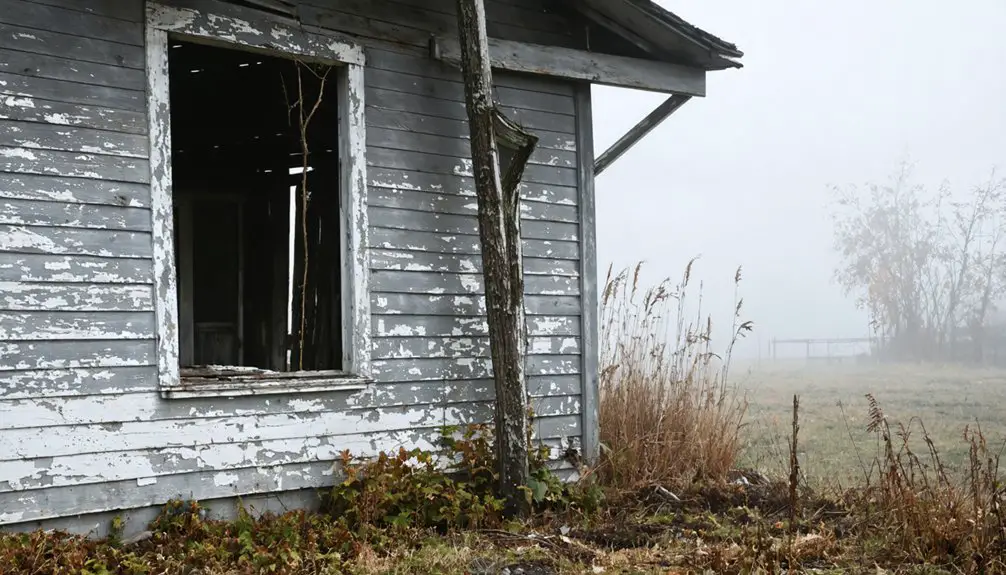
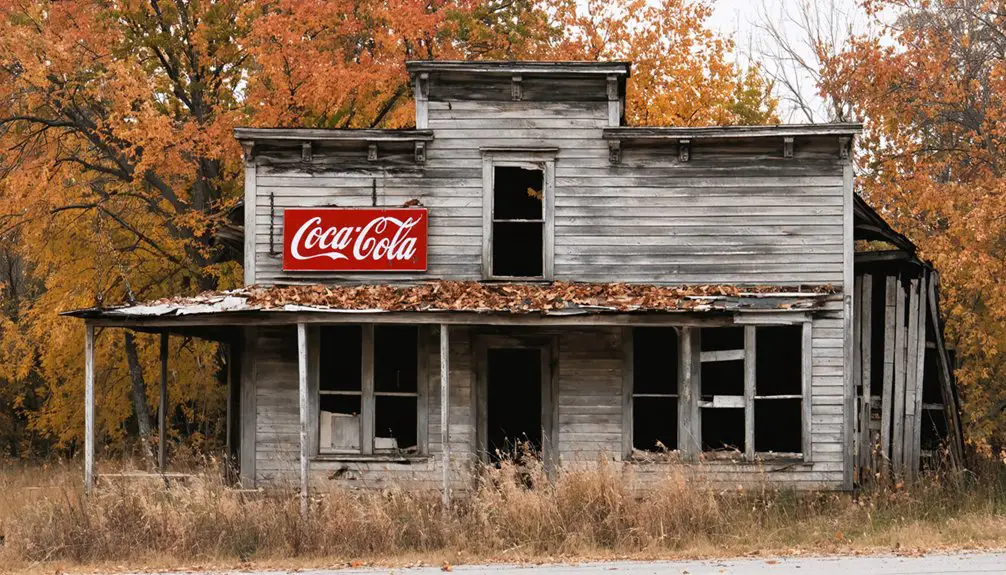
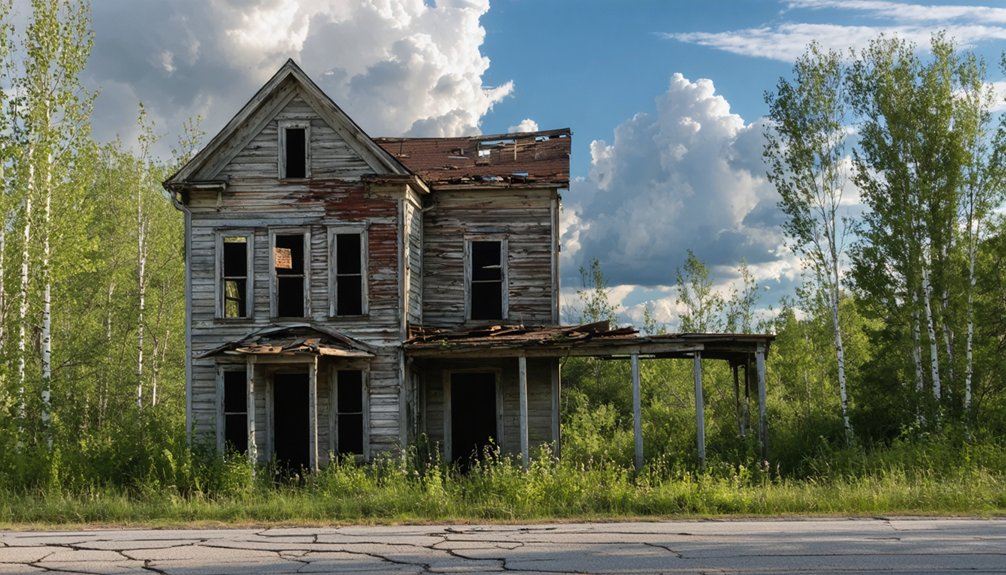
Though nature has largely reclaimed Pennock, you’ll still find remnants that speak to the town’s ambitious past. Overgrown ruins mark where company stores and worker housing once stood, while traces of old rail lines cut through the brush like faded memories. Historical artifacts scattered across the site connect you directly to the mining era’s raw energy and broken promises.
You’ll notice preservation challenges immediately — without municipal oversight, the elements have steadily eroded structures that once defined daily life here. No curated museum greets you, just honest wilderness slowly swallowing industrial ambition. That rawness is precisely what makes Pennock compelling.
Bring sturdy footwear, respect the fragile remains, and let the silence tell the story of workers who built something remarkable, only to watch it collapse beneath them.
How to Get to Pennock Ghost Town
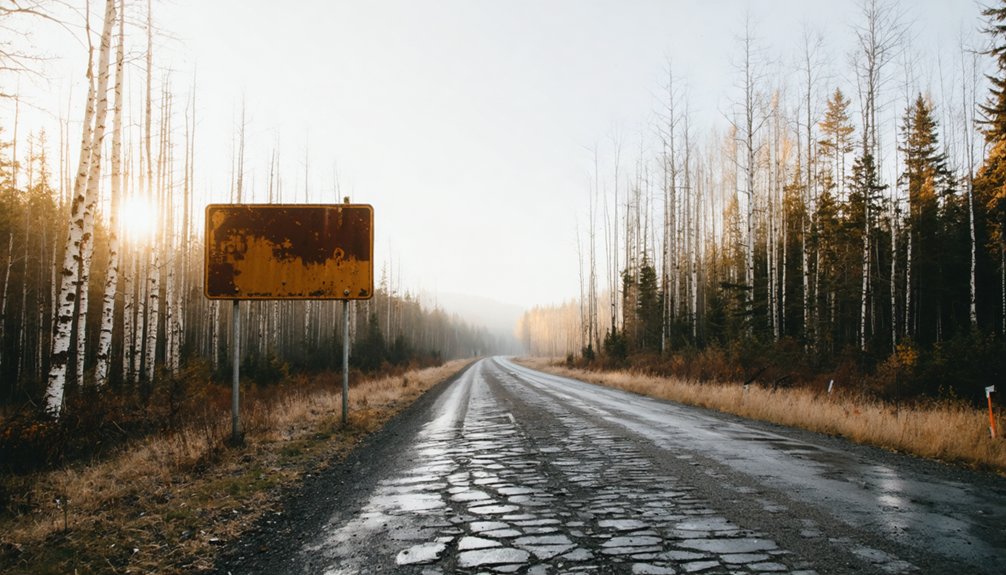
To reach Pennock, you’ll want to set your GPS to 45.1489° N, 95.1764° W and prepare for the winding, often rugged roads of Michigan’s Upper Peninsula.
High-clearance vehicles handle the remote terrain far better than standard cars, so plan your route accordingly before leaving civilization behind.
Stock up on supplies in nearby Phoenix or Eagle Harbor, as no municipal services exist at the ghost town site itself.
Starting Your Route Planning
Before you set out for Pennock, plug these GPS coordinates into your navigation app: 45.1489° N, 95.1764° W. Michigan’s Upper Peninsula demands respect, so plan your route carefully before you leave civilization behind.
Follow these three steps to start strong:
- Stock up on supplies in nearby Eagle Harbor or Phoenix, since no municipal services exist at the site.
- Confirm your vehicle can handle rural Michigan’s rough, unpaved roads — high-clearance is strongly recommended.
- Research local legends and historical preservation efforts beforehand so the ruins speak to you when you arrive.
You’re not just driving toward overgrown structures — you’re chasing echoes of ambition, fraud, and forgotten lives.
Knowing your route means you’ll spend less time lost and more time exploring what Pennock left behind.
Navigating Remote Upper Peninsula
Getting to Pennock means embracing the quiet isolation that swallowed this town whole a century ago. You’ll navigate Michigan’s Upper Peninsula using GPS coordinates 45.1489° N, 95.1764° W as your anchor point.
Rural roads here can shift dramatically with weather, so bring a high-clearance vehicle and download offline maps before losing cell service.
Stock up on supplies in nearby Eagle Harbor or Phoenix — no municipal services exist at the site. You’re heading into reclaimed wilderness where preservation challenges have left historical artifacts vulnerable to decades of neglect and natural overgrowth.
Give yourself extra travel time. These roads reward patience, not speed.
The remoteness that once strangled Pennock’s economy now protects its haunting stillness — and that stillness is precisely what you’re chasing.
Nearby Towns For Supplies
Once you’ve committed to the drive, Eagle Harbor and Phoenix become your last lifelines before the wilderness closes in around you. Stock up deliberately before heading deeper into the Upper Peninsula‘s rugged terrain.
- Fuel and supplies — Fill your tank and grab provisions in Phoenix, where small-town infrastructure still functions reliably.
- Local cuisine — Eagle Harbor’s modest eateries serve honest, hearty meals that’ll remind you why simpler living once thrived here.
- Outdoor activities — Both towns offer trailheads and lakeside access, perfect for stretching your legs before exploring Pennock’s overgrown ruins.
Neither town offers luxury, but that’s exactly the point. You’re chasing ghost town history, not convenience.
Embrace the deliberate slowdown these communities offer — they’re living echoes of what Pennock itself once was.
Do You Need 4WD to Reach Pennock?
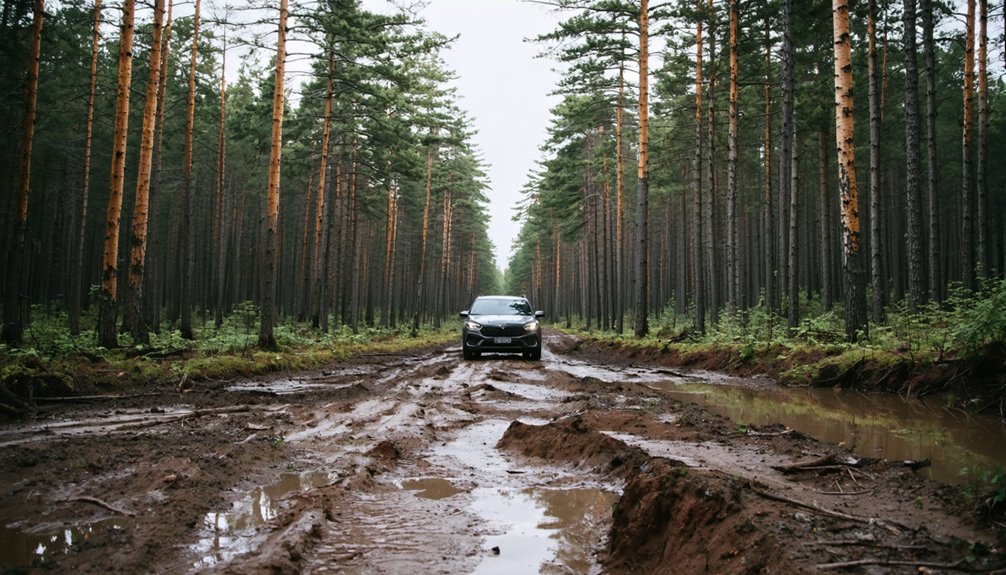
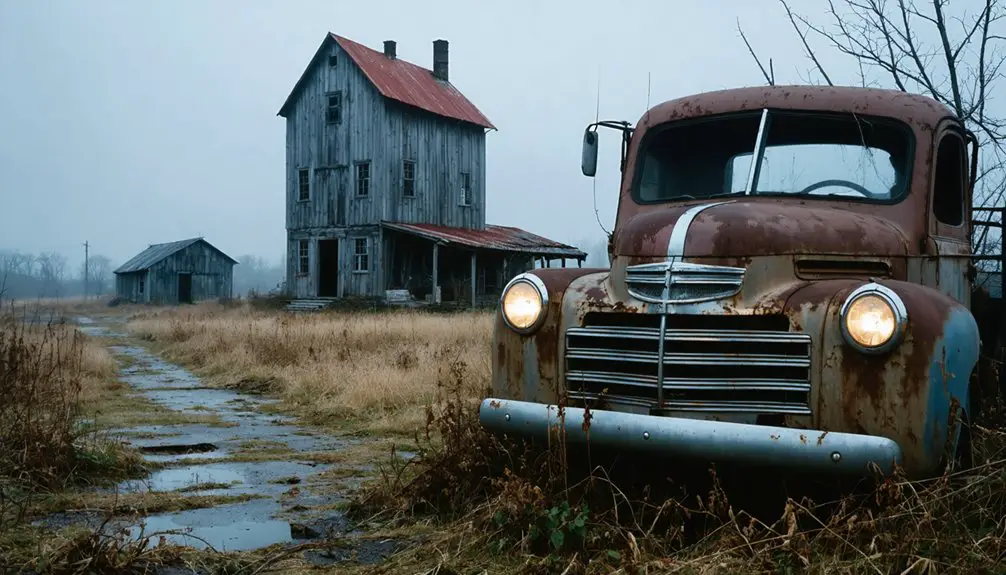
How rugged does the road to Pennock actually get? Rural Michigan’s Upper Peninsula doesn’t coddle travelers. Unpaved stretches leading toward the site can turn soft after rain, and you’ll likely encounter overgrown paths where mining remnants and historical artifacts blur the line between road and wilderness.
The road to Pennock doesn’t forgive. Soft earth, overgrown paths, and forgotten mining remnants swallow the trail whole.
A high-clearance vehicle handles these conditions far better than a standard sedan.
You don’t absolutely need four-wheel drive during dry summer months, but it significantly expands your options. If you’re visiting after heavy rain or during early spring thaw, 4WD becomes far less optional.
The freedom to explore deeper into the site, beyond the obvious entry points, depends largely on your vehicle’s capability.
Come prepared, and the road won’t stop you from experiencing Pennock’s haunting, forgotten landscape firsthand.
Where to Stay Near Eagle Harbor and Phoenix, Michigan
After a day exploring Pennock’s crumbling remnants, you’ll want a warm base camp nearby, and Eagle Harbor and Phoenix deliver that old-world charm. Both towns sit close enough for easy morning departures while offering genuine character you won’t find at chain hotels.
Consider these lodging priorities:
- Eagle Harbor bed-and-breakfasts — intimate stays steeped in historical preservation, often run by locals who’ll share regional lore freely.
- Phoenix-area rentals — rustic cabins that position you perfectly for wildlife encounters along wooded back roads at dawn.
- Copper Country campgrounds — budget-friendly spots that keep you connected to the land these miners once worked.
Stock your supplies in either town before heading out, because Pennock itself offers nothing but silence and ghosts.
What to Bring for Pennock’s Remote and Unmaintained Terrain
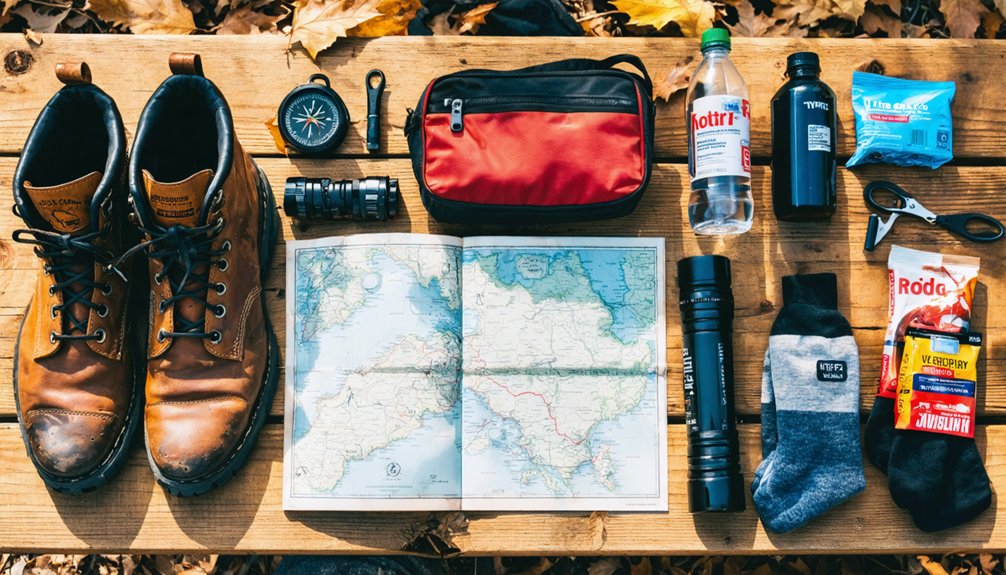
Pennock’s terrain doesn’t forgive the unprepared—you’re stepping into wilderness that’s been quietly swallowing a mining settlement for over a century. Pack sturdy boots, layered clothing, and insect repellent since Michigan’s Upper Peninsula gets wild fast.
For wildlife encounters, carry bear spray and stay alert near overgrown ruins where animals den undisturbed. A high-clearance vehicle handles the rutted back roads better than anything low-slung.
For photography tips, bring a wide-angle lens to capture crumbling infrastructure against dense forest, and shoot during golden hour when light filters through the tree canopy dramatically. A portable battery pack keeps your GPS and camera alive far from any outlet.
Pack water, trail snacks, and a paper map as backup—cell service disappears quickly once you’re deep into copper country.
Other Keweenaw Ghost Towns to Pair With Your Pennock Visit
While Pennock sets the tone for Upper Peninsula exploration, the Keweenaw Peninsula holds several other ghost towns that deepen the story of copper country’s rise and fall. You’ll find that pairing your visit with nearby sites creates a richer picture of mineral extraction‘s lasting footprint on this landscape.
Pennock is just the beginning — the Keweenaw holds ghost towns that reframe everything you thought you knew about copper country.
Consider adding these stops to your route:
- Central – Once a thriving hub, its ruins reflect early mining ambition and abrupt collapse.
- Cliff – Home to America’s first profitable copper mine, it offers powerful historical preservation value.
- Mandan – A quieter stop where overgrown foundations whisper forgotten daily life.
Each town adds texture to your journey, connecting you to a vanished world built on ambition, labor, and the relentless pull of what lay underground.
How to Visit Pennock Without Damaging the Site
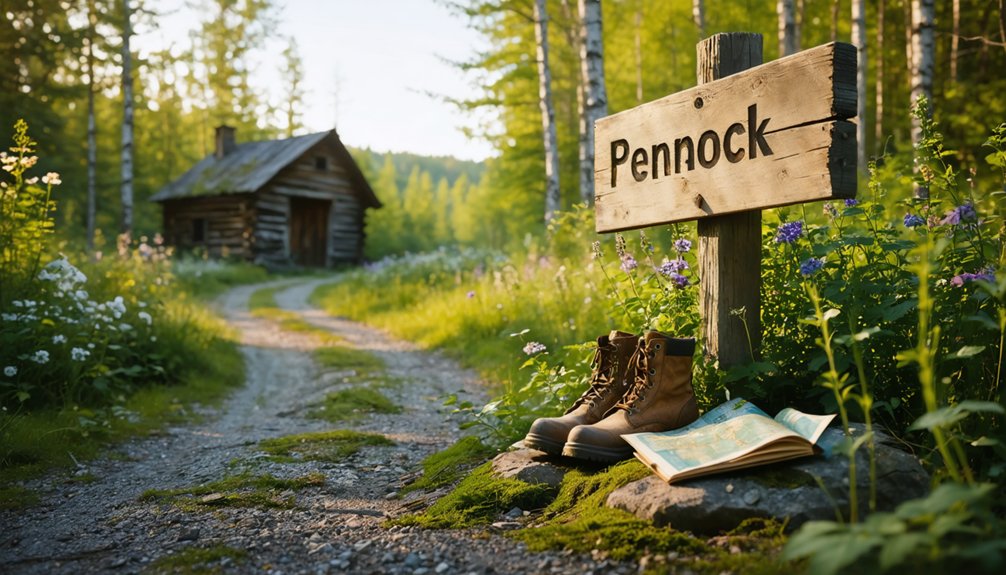
Visiting a ghost town like Pennock means stepping into a fragile world where history survives only in what’s been left untouched. You’re walking through decades of silence, and every choice you make either honors or erases that.
Don’t remove artifacts, carve into structures, or disturb ruins — environmental preservation depends on you leaving everything exactly as you found it. Stick to established paths when traversing overgrown areas, and avoid climbing unstable walls or foundations.
Bring a camera for historical documentation rather than souvenirs. Pack out everything you bring in.
Respect the natural reclamation happening across former residential zones — it’s part of the story now. Freedom to explore places like Pennock comes with the responsibility to protect them for those who follow.
Frequently Asked Questions
Is Pennock Ghost Town Located on Public or Private Property?
“Fools rush in”—so verify before you visit! Pennock’s status involves private property and potential access restrictions. You’ll want to research current ownership to guarantee you’re exploring freely and legally, honoring the land’s storied past.
Are There Guided Tours Available for the Pennock Ghost Town Site?
No official guided tours exist, but you’ll find Pennock’s ghost town legends waiting as you independently explore its haunted sites, where crumbling ruins and overgrown remnants whisper forgotten stories of ambition, loss, and Michigan’s untamed mining past.
Can You Find Artifacts or Relics While Exploring the Pennock Ruins?
Stumbling upon rusted remnants feels like fate — you’ll find artifact hunting and relic exploration naturally unfolding amid Pennock’s overgrown ruins, where abandoned rail lines and crumbling infrastructure whisper forgotten stories of ambition, copper dreams, and vanished lives awaiting your discovery.
Has Pennock Ghost Town Appeared in Any Films or Documentaries?
No confirmed films or documentaries feature Pennock, but you’ll find it’s a hidden gem for urban exploration. Its haunting ruins offer breathtaking photography opportunities, capturing nostalgic echoes of ambition and freedom that once defined this forgotten Michigan wilderness.
Are There Any Local Historical Societies Dedicated to Preserving Pennock’s History?
No dedicated historical society preservation exists specifically for Pennock, but you’ll find local museum exhibits in nearby Eagle Harbor that capture the region’s mining legacy, connecting you to the freedom of exploring Michigan’s Upper Peninsula’s forgotten past.
References
- https://en.wikipedia.org/wiki/List_of_ghost_towns_in_Michigan
- https://www.youtube.com/watch?v=7-vjuqiGWJU
- https://www.visitkeweenaw.com/things-to-do/museums-history/ghost-towns/
- https://blockclubchicago.org/2019/08/05/the-lost-village-of-pennock-remnants-of-west-logan-squares-long-forgotten-history-still-around-today/