Planning a ghost town road trip to Comertown, Montana means venturing into Sheridan County’s northeastern prairie to explore a settlement frozen in 1913. You’ll find weathered structures standing at 2,270 feet, offering an authentic glimpse into Montana’s homestead era. Summer’s dry roads make access easiest, but you’ll want a full tank, emergency gear, and plenty of water before heading out. Stick around, and you’ll uncover everything needed to make this road trip unforgettable.
Key Takeaways
- Visit in summer or fall for the best road conditions, as spring brings muddy paths and winter creates isolating, hazardous conditions.
- Refuel in Plentywood before departing, and carry water, non-perishable food, a tire repair kit, and a paper map.
- Comertown, founded in 1913, is a National Park Service Historic District ghost town sitting at 2,270 feet elevation.
- Bring jumper cables, a first aid kit, warm layers, and a portable battery charger for emergencies in this remote area.
- Extend your trip by visiting nearby ghost towns like Outlook and Antelope, exploring Sheridan County’s broader 1910s agricultural history.
What Makes Comertown, Montana Worth the Drive?
Although it’s little more than a memory etched into northeastern Montana’s vast plains, Comertown pulls curious travelers in with something most destinations can’t offer — an unfiltered glimpse into a vanished world. Founded in 1913 during a hopeful agricultural boom, this ghost town rose fast and faded faster, leaving behind local folklore that still echoes through the region’s history.
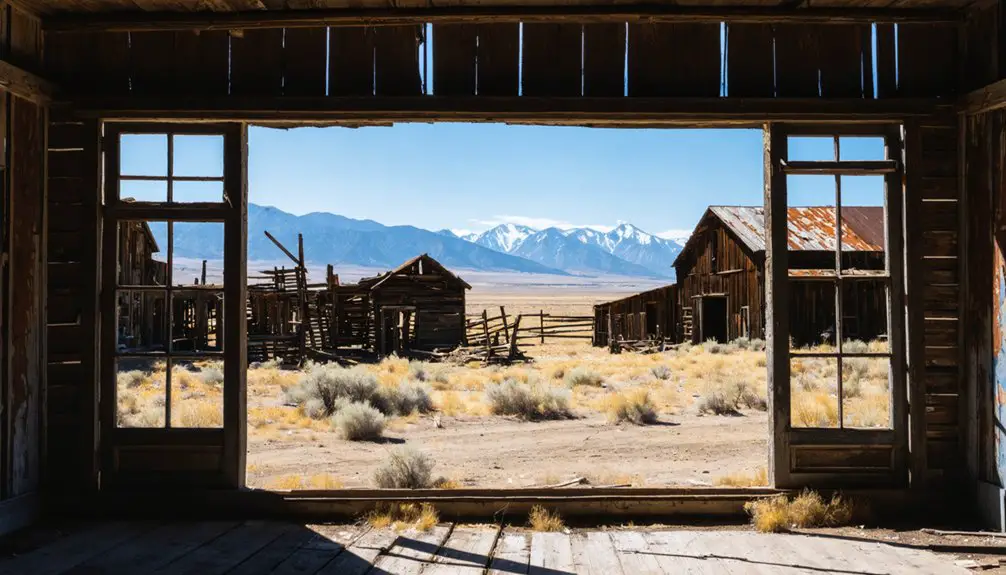
You won’t find tourist traps or crowded parking lots here. What you’ll find is raw, open land sitting at 2,270 feet, where preservation challenges have kept the site beautifully unpolished. The Comertown Historic District, recognized through National Park Service records, gives you direct access to early Montana settlement patterns.
It’s the kind of place that rewards travelers who crave authenticity over convenience and freedom over the familiar.
When to Visit Comertown and What Roads to Expect
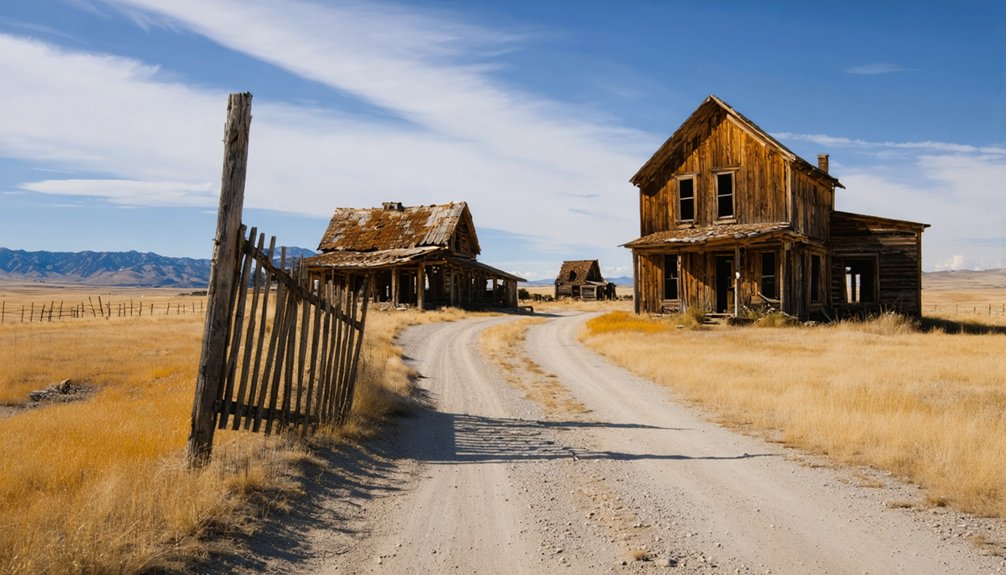
Timing your visit to Comertown makes all the difference between an adventure and a misadventure. Summer offers the most reliable access, with longer daylight hours and drier road conditions across northeastern Montana’s rural terrain. You’ll encounter unpaved stretches that demand a capable vehicle, so don’t underestimate what remote roads can throw at you.
Summer is your best bet — longer days, drier roads, and fewer surprises from Comertown’s unforgiving terrain.
Seasonal weather shifts fast in this region. Spring brings muddy, rutted paths that can strand even experienced travelers, while winter transforms the landscape into an isolating freeze.
Fall strikes a compelling balance — cooler temperatures, vivid scenery, and active local wildlife moving through the open plains.
Whatever season you choose, arrive during daylight, carry extra fuel, and pack water. Comertown rewards the prepared traveler with raw, unfiltered Montana history.
Fuel, Water, and Gear to Pack Before Reaching Comertown
Before you leave civilization behind, stock your vehicle like your trip depends on it — because out here, it does. Northeastern Montana offers breathtaking freedom but zero convenience stores between you and Comertown.
Packing essentials start with a full fuel tank — top off in Plentywood before heading out. Carry extra water, at least a gallon per person, since this remote stretch offers no reliable sources. Toss in non-perishable food, jumper cables, a tire repair kit, and a paper map because cell signals disappear fast.
Emergency preparedness means thinking ahead, not reacting late. Pack a first aid kit, flashlight, warm layers, and a portable battery charger.
Comertown sits isolated at 2,270 feet — beautiful and unforgiving. Arrive ready, and you’ll experience true Montana freedom on your own terms.
Comertown Historic District: Surviving Structures and Settlement History
When you roll into what remains of Comertown, you’re stepping onto ground that settlers broke in 1913, during Montana’s ambitious homestead era. Drawn by promises of fertile land, homesteaders built a community from scratch at 2,270 feet, carving settlement origins from raw northeastern Montana prairie.
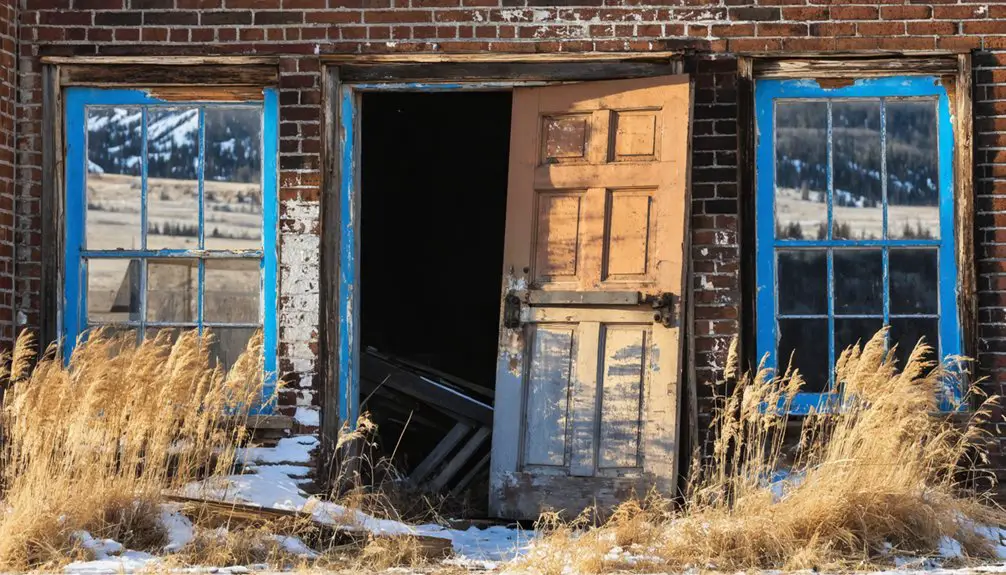
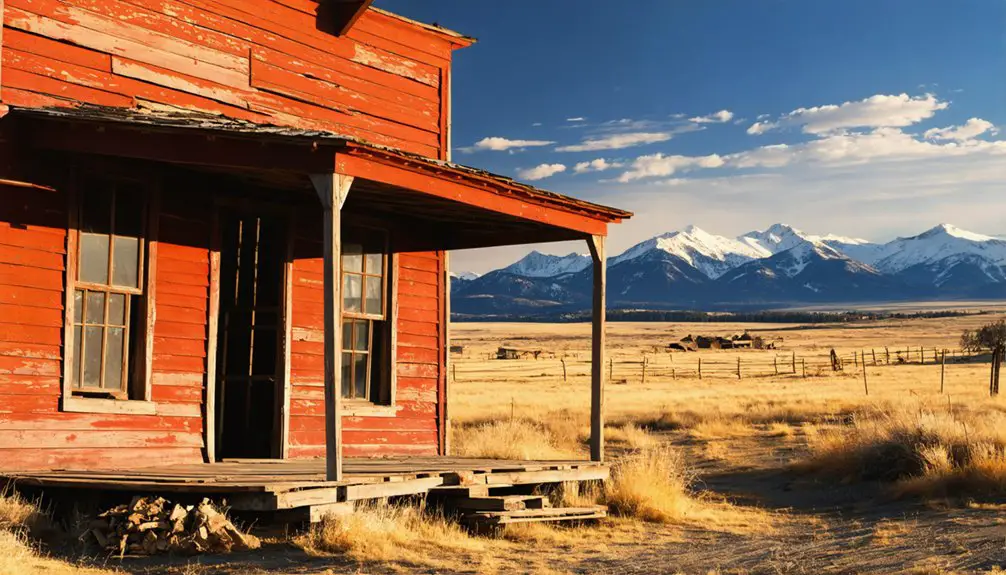
The Comertown Historic District preserves what little survived decades of abandonment. Study the local architecture carefully — these weathered structures tell you exactly how settlers prioritized function over form, building quickly to stake their claim during the agricultural boom.
Every collapsed wall and remaining foundation reflects decisions made by people betting everything on farming this remote land.
The National Park Service recognizes the site’s significance, documenting how economic failure ultimately emptied Comertown completely, transforming an ambitious settlement into the ghost town you’re exploring today.
Nearby Montana Ghost Towns Worth Adding to Your Route
Northeastern Montana rewards ghost town hunters who push beyond Comertown, since Sheridan County and its surrounding region hold additional abandoned communities that reflect the same failed homestead dreams. The 1910s agricultural boom created dozens of settlements across this high plains landscape, and many share Comertown’s fate.
Sheridan County holds more than Comertown — entire ghost towns wait where the homestead boom collapsed and vanished.
You’ll find remnants scattered across remote county roads, each carrying its own local folklore about families who arrived with hope and departed with hardship. Towns like Outlook and Antelope offer additional windows into this collapse.
Preservation challenges are significant throughout the region, as harsh winters, sparse funding, and neglect steadily erase what little remains.
Plan your route carefully, carry detailed maps, and visit multiple sites in a single day to maximize your freedom across this vast, unforgiving territory.
Frequently Asked Questions
Is a Permit Required to Visit the Comertown Historic District?
Oh, the irony! No permit requirements chain you down here. You’re free to explore Comertown Historic District and its historical preservation story anytime, though you’ll want to respect the site’s fragile, forgotten legacy.
Are There Any Guided Tours Available for Comertown Ghost Town?
You won’t find official guided tour options at Comertown, but you can explore private tour availability through local Sheridan County historical societies, giving you the freedom to craft your own unforgettable ghost town adventure.
Can You Camp Overnight Near the Comertown Ghost Town Site?
You’ll need to check local camping regulations before pitching your tent near Comertown. Embrace the wild freedom of northeastern Montana, but prioritize wildlife safety—you’re in bear country, so prepare accordingly for an unforgettable overnight adventure!
What Wildlife Might Visitors Encounter While Exploring Comertown, Montana?
Montana’s home to 600+ wildlife species! You’ll find wildlife encounters around Comertown rewarding, with mule deer, pronghorn, and red-tailed hawks offering scenic viewing opportunities across the vast northeastern plains. Nature’s alive out here!
Are Drones Allowed for Photography at the Comertown Historic District?
You’ll need to check current drone regulations and photography permits before flying at Comertown Historic District. Contact Montana’s National Park Service records office directly, as rules protecting historical sites can restrict your aerial photography freedom.
References
- https://en.wikipedia.org/wiki/Comertown
- https://en.wikipedia.org/wiki/List_of_ghost_towns_in_Montana
- https://landingaday.wordpress.com/2015/03/27/whitetail-dooley-and-comertown-montana/
- https://npgallery.nps.gov/GetAsset/c57c46e0-4ec0-4978-8c07-c1c37dd92811
- https://www.youtube.com/watch?v=BNDINIXiOqw