Planning a ghost town road trip to Prattville, Utah means heading into central Sevier County to explore one of Utah’s most fleeting pioneer settlements. Founded in 1873 and abandoned by 1878, this short-lived Mormon community left behind weathered foundations and scattered artifacts that tell a powerful story of frontier resilience. You’ll need offline maps, sturdy boots, and a spirit of self-guided adventure — there’s no signage or infrastructure waiting for you. The full story of Prattville runs deeper than you’d expect.
Key Takeaways
- Prattville, Utah, is a ghost town in Sevier County founded in 1873 and abandoned by 1878 due to economic hardships.
- No standing buildings remain, only weathered foundations and scattered pioneer artifacts across uneven, unmarked terrain.
- Download offline maps and GPS coordinates (38.7742°N, 112.0139°W) beforehand, as the site has no signage or cell service.
- Pack water, snacks, and sturdy footwear; visit during daylight hours since no lighting or ranger stations exist on-site.
- Combine your trip with nearby ghost towns like Elsinore and Sigurd, or the well-preserved Cove Fort in Millard County.
What Was Prattville, Utah?
Although it only lasted five years, Prattville left behind a story worth chasing. Tucked into central Sevier County, Utah, this pioneer community took shape in 1873 under the direction of Helaman Pratt, who served as both civic leader and LDS branch president.
The settlement followed Joseph Smith’s “City of Zion” model, meaning its layout reflected deliberate religious and agricultural planning rather than accidental growth.
Why Prattville Was Abandoned After Just Five Years
What Helaman Pratt built with care, the community dismantled within a single generation. By 1878, most families had packed up and moved on, leaving behind only weathered foundations and scattered pioneer artifacts where homes and fields once stood.
No single dramatic event erased Prattville — the settlement simply couldn’t sustain itself. Economic hardship and the challenges of frontier life wore the community down until the LDS branch officially closed that same year.
Prattville didn’t fall — it faded, ground down by hardship until nothing was left worth staying for.
When you visit today, you’re walking through the quiet evidence of that collapse. The historical architecture didn’t survive intact — what remains are structural traces, empty lots, and the outline of a town that tried and fell short.
Prattville lasted just five years, but its story cuts to the heart of Utah’s pioneer experience.
The Mormon Pioneer Settlement Model Behind Prattville
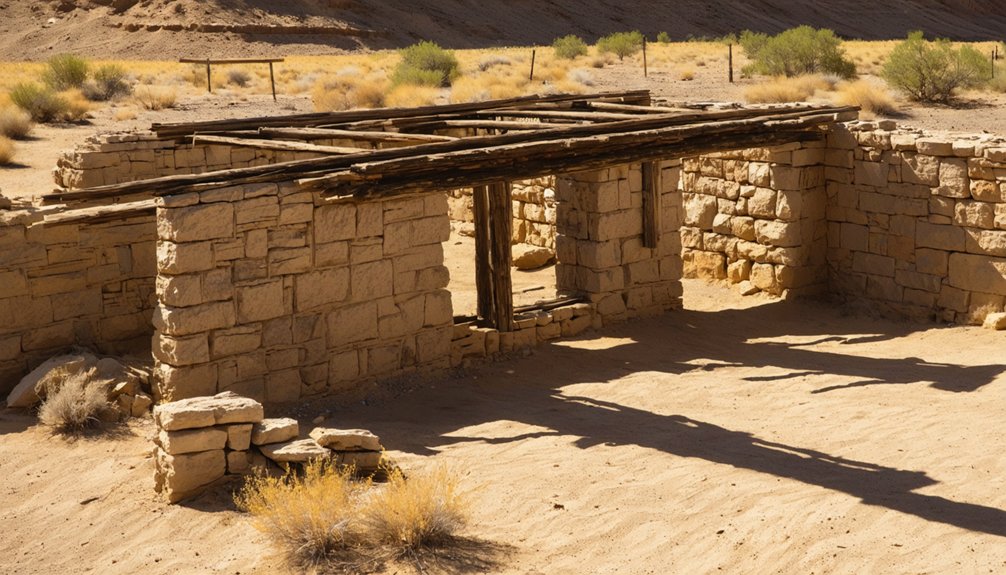
Prattville wasn’t built randomly — it followed a deliberate blueprint. Joseph Smith’s “City of Zion” model shaped how Mormon pioneers organized communities across the frontier, and Prattville was no exception. You can see these settlement patterns reflected in the town’s original layout, where farmland planning and civic structure worked hand in hand with religious authority.
When you visit the site today, the weathered foundations and scattered historical artifacts tell that story quietly but clearly. Helaman Pratt didn’t just lead a congregation — he built a functioning community from the ground up using a tested framework.
Understanding that model helps you appreciate what you’re actually looking at when you walk the empty lots. This wasn’t a random camp; it was an intentional, organized attempt to plant roots in central Utah.
Art Acord and the Ghost Town That Shaped a Hollywood Cowboy
When you visit the Prattville site, you’re standing near the birthplace of Art Acord, a rodeo champion and silent film star born in the area in 1890.
He earned the nickname “the Mormon cowboy” and eventually claimed a star on the Hollywood Walk of Fame.
It’s a striking contrast — a ghost town that vanished within five years quietly shaped one of early Hollywood’s most recognizable Western performers.
Acord’s Prattville Roots
Few ghost towns can claim a Hollywood connection, but Prattville’s ties to Art Acord give it a story worth telling. Born near this Sevier County settlement in 1890, Acord grew up surrounded by the same pioneer artifacts and historical architecture that defined early Mormon frontier life.
That rugged upbringing shaped him into a skilled horseman, eventually earning him the nickname “the Mormon cowboy” and a star on the Hollywood Walk of Fame. When you walk Prattville’s abandoned lots today, you’re standing where Acord’s story began — years before silent films made him famous.
The ghost town didn’t survive, but the culture it carried forward did. Prattville planted something in Acord that the wider world would later recognize on screen.
From Ghost Town To Hollywood
His journey from Sevier County to a Hollywood Walk of Fame star represents a remarkable arc. Yet the historical artifacts connecting Acord to Prattville face real preservation challenges as the site continues deteriorating.
When you visit, consider what shaped him:
- Frontier self-reliance rooted in pioneer culture
- Mormon communal values and discipline
- Rodeo skills honed in rural Utah
- A landscape that demanded toughness
- A community that disappeared but left its mark
Prattville didn’t survive, but its influence rode all the way to Hollywood.
What’s Left to See at the Prattville Ghost Town Site?
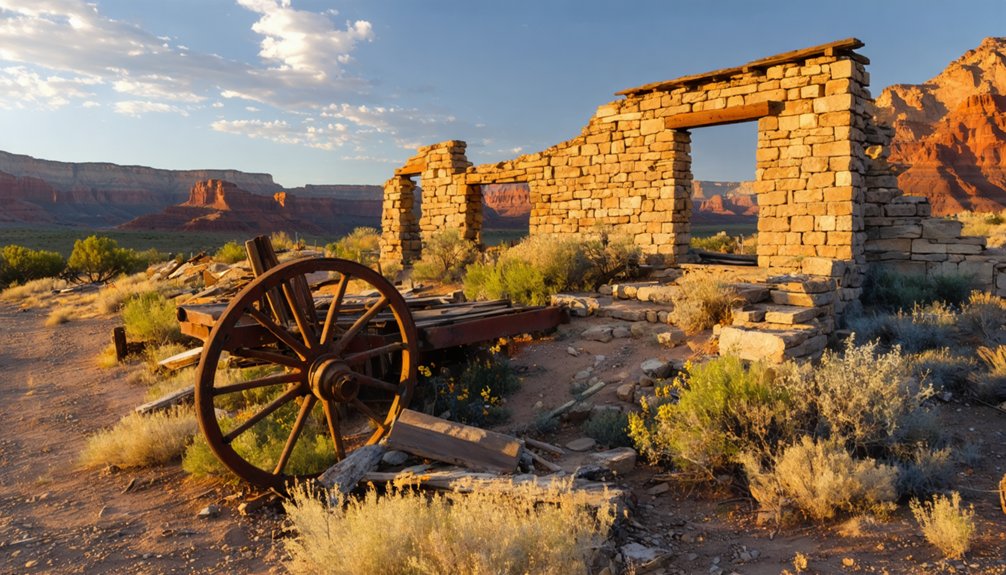
Although Prattville vanished within five years of its founding, the site in central Sevier County still holds weathered foundations and empty lots that hint at the pioneer community that once stood there.
You won’t find standing buildings or maintained trails, but the settlement remnants scattered across the landscape tell a quiet story of rapid abandonment.
Historical artifacts tied to the pioneer era remain embedded in the earth, offering a raw, unfiltered glimpse into frontier life.
There are no visitor facilities, so you’ll need to navigate independently and come prepared.
The site rewards those who appreciate understated history over polished attractions.
If you’re drawn to places where time stopped abruptly, Prattville’s sparse but authentic remains make it a compelling stop on any central Utah ghost town road trip.
How to Find Prattville in Sevier County
Finding Prattville takes some independent orientation, since the site has no formal visitor facilities or marked turnoffs to guide you in. Use the reported coordinates to plot your route:
- Decimal: 38.7742°N, 112.0139°W
- DMS: 38°46′27″N, 112°00′50″W
- County: Sevier County, central Utah
- Nearest reference: Rural central Utah highway corridors
- Tools: GPS or offline mapping apps recommended
Understanding the historical context helps set expectations before you arrive. Prattville’s settlement patterns followed a planned Mormon pioneer grid, but only weathered foundations and empty lots remain today. No signage marks the spot.
You’re orienting toward a quiet piece of frontier history, not a developed attraction. Download offline maps beforehand, confirm your coordinates, and give yourself flexibility in your schedule for rural road conditions.
No Facilities, No Signage: What to Know Before You Go
Once you’ve pinpointed Prattville’s coordinates, don’t expect road signs or markers to confirm you’ve arrived — the site has no official signage of any kind.
You’ll also find no restrooms, parking areas, water sources, or visitor infrastructure, so pack everything you need before leaving your last town stop.
Treat this as a self-guided expedition, relying on your GPS, downloaded maps, and personal supplies to make the visit both safe and worthwhile.
Navigate Without Official Signage
Because Prattville has no official signage, maintained trails, or visitor facilities, you’ll need to plan your navigation before you leave home. Use the reported coordinates—38°46′27″N, 112°00′50″W—to locate the site independently. Bring tools that work without cell service.
Pack these essentials before heading out:
- A downloaded offline map or GPS device loaded with Sevier County terrain
- Printed coordinates for backup navigation
- A detailed Utah road atlas covering central county routes
- A camera for documenting historical architecture and pioneer artifacts
- Extra fuel, since remote stretches offer no services
Freedom comes with preparation here. Prattville rewards self-reliant travelers who arrive ready to explore weathered foundations and pioneer-era traces without hand-holding.
Plan carefully, and the site opens itself up entirely on your own terms.
No Amenities On-Site
Prattville offers no restrooms, no water, no signage, and no maintained paths—you’re entirely on your own once you arrive. That self-sufficiency is part of the experience. This site exists outside the infrastructure of formal tourism, which means you’ll need to pack everything in and pack everything out.
Bring water, snacks, a charged phone with offline maps, and sturdy footwear for uneven terrain. The weathered foundations and empty lots demand careful footing.
Understanding the historical context enriches what you’re seeing. Prattville’s settlement patterns followed a deliberate Mormon pioneer model, yet the town lasted only five years before families abandoned it completely. Without amenities softening the visit, you feel that raw, unfiltered history directly—exactly what serious ghost town explorers come here to find.
Plan Your Visit Independently
Since no signs mark the entrance and no ranger station confirms you’ve arrived, finding your way to Prattville demands preparation before you leave home. Download offline maps using coordinates 38.7742°N, 112.0139°W before losing cell service in central Sevier County.
Plan independently by covering these essentials:
- Save GPS coordinates offline — cell service is unreliable in the area
- Carry water and food — no services exist nearby
- Wear sturdy footwear — uneven terrain surrounds weathered foundations
- Photograph, never disturb — historical artifacts deserve respect, and preservation efforts depend on visitor responsibility
- Go during daylight — no lighting exists at the site
You’re free to explore on your own terms here, but smart preparation makes the difference between a rewarding visit and a frustrating detour.
Ghost Towns Near Prattville for a Central Utah Road Trip
Central Utah’s ghost town trail doesn’t stop at Prattville. Sevier County sits within a broader stretch of abandoned settlements that reward independent explorers. Nearby Elsinore and Sigurd offer glimpses of historical architecture tied to the same Mormon pioneer migration that shaped Prattville.
Sevier County’s abandoned settlements stretch far beyond Prattville, rewarding explorers who dig deeper into Utah’s pioneer past.
Head northwest toward Millard County and you’ll find Cove Fort, a remarkably preserved stop that illustrates pioneer lifestyle in concrete, tangible detail.
Southwestern Utah opens up even more options, with ghost towns scattered across mining corridors and farming valleys that dried up just like Prattville did.
You’re free to build your own route, connecting these sites across open highway and canyon roads. Central Utah rewards the curious traveler who prefers discovery over packaged tours.
Frequently Asked Questions
Is It Legal to Visit the Prattville Ghost Town Site?
Prattville’s past permits public visits, but you’ll want to prioritize historical preservation and visitor safety. Since there are no formal facilities, you’re responsible for respecting the ruins and guiding the remote site independently.
What Is the Best Time of Year to Visit Prattville?
Spring and fall offer you the best conditions for historical preservation exploration and wildlife observation at Prattville. You’ll enjoy mild temperatures, clearer skies, and fewer crowds, letting you freely roam the weathered ruins at your own pace.
Can You Camp Overnight Near the Prattville Ghost Town Ruins?
You’ll find no formal campgrounds at Prattville, so you’re on your own! Check local camping regulations before setting up, and always follow wildlife safety practices — this untamed central Utah terrain rewards bold, prepared adventurers craving raw freedom.
Is the Prattville Site Accessible by Standard Passenger Vehicles?
No formal road data exists, but don’t let that stop your off road adventures — you’ll want a rugged vehicle for historical photography opportunities at Prattville’s remote ruins, where pioneer traces replace paved comfort with raw, untamed freedom.
Are There Any Guided Tours Available for the Prattville Ghost Town?
You won’t find guided tours at Prattville, but that’s part of the adventure! You’ll explore independently, uncovering historical preservation efforts firsthand while capturing stunning photography opportunities among weathered foundations that tell this forgotten pioneer settlement’s story.
References
- https://www.youtube.com/watch?v=vWLVdD4W98E
- https://kids.kiddle.co/Prattville
- http://www.expeditionutah.com/forum/index.php?threads/ghost-town-knightsville-utah.5447/
- https://en.wikipedia.org/wiki/Prattville
- https://www.seviercountyhistoryhub.org/town-history/ghost-towns-utah
- https://www.visitutah.com/things-to-do/history-culture/ghost-towns