Planning a ghost town road trip to Comeback Mining Camp means stepping into Idaho’s gold rush past, where weathered cabins and rusting machinery still tell stories of boom-and-bust ambition. You’ll navigate paved highways, unpaved county roads, and rough spur tracks to reach this remote backcountry site. Download offline maps, check road conditions with your local ranger district, and time your visit between late spring and October. Keep scrolling to uncover everything you need for an unforgettable journey.
Key Takeaways
- Start on US 95, transitioning to unpaved county roads and unmarked spur tracks; download offline Forest Service maps and carry paper backups.
- Roads are passable late spring through October; confirm current conditions with the local ranger district 48 hours before departure.
- Pack sturdy boots, layered clothing, water, snacks, sun protection, a first-aid kit, and ensure your vehicle has sufficient fuel.
- Explore nearby ghost towns like Leesburg, Bonanza, and Carrietown to gain a comprehensive view of Idaho’s gold rush history.
- Photograph artifacts without removing them, stay on established paths, pack out trash, and respect boundaries near active mining claims.
What Is Comeback Mining Camp?
Tucked into Idaho’s rugged backcountry, Comeback Mining Camp is a ghost town born from the state’s gold rush era, when remote mountain terrain transformed overnight into bustling settlements. Miners flooded these hills chasing gold, building camps complete with cabins, mills, and the era’s best mining technology to extract every ounce from the landscape.
Today, you’ll find weathered remnants that whisper stories of ambition, hardship, and rapid decline. It sits alongside Idaho’s broader network of abandoned camps, including Bonanza and Leesburg, each a fragile thread in the state’s historical fabric.
Historic preservation efforts remind you that what’s left deserves respect, not disturbance. Comeback Mining Camp isn’t just a destination; it’s a rare window into a vanished world you can still walk through.
Comeback Mining Camp and Idaho’s Ghost Town Belt
Comeback Mining Camp doesn’t stand alone — it’s one node in a sprawling network of abandoned settlements that once defined central Idaho’s gold rush landscape. Nearby ghost towns like Leesburg, Bonanza, and Carrietown share the same origin story: gold drew thousands into rugged mountain terrain, camps exploded overnight, then faded just as fast.
Leesburg alone supported over 7,000 residents at its peak in the 1860s. Today, scattered historical artifacts and rusting mining machinery mark what’s left of that era across the region.
When you road-trip to Comeback, you’re not visiting an isolated curiosity — you’re tracing a broader frontier story written across central Idaho’s backcountry. String several sites together, and you’ll experience the full arc of Idaho’s boom-and-bust gold rush legacy.
How to Get to Comeback Mining Camp
Getting to Comeback Mining Camp starts with solid route planning — download a current Forest Service map, check the ranger district for road closures, and confirm seasonal conditions before you leave home.
Once you’re on the road, expect a mix of paved highways, unpaved county roads, and rough spur tracks that demand patience and a capable vehicle.
The final approach typically involves a few unmarked miles where cell service disappears, so your downloaded map and a paper backup become your most reliable guides.
Starting Your Route Planning
Because Comeback Mining Camp sits deep in Idaho’s backcountry, you’ll want to nail down your route well before you leave home. Cell service disappears fast once you’re in the mountains, and no signal means no salvation if you’ve missed a turn.
Start with the Idaho Forest Service website and your local ranger district for current road conditions, seasonal closures, and any active mining claim notices. Download your maps and print a paper backup — old-school, yes, but reliable.
This site rewards the prepared traveler. You’re heading somewhere that still holds historical artifacts and crumbling mining technology from Idaho’s gold-rush era, a landscape that hasn’t forgotten its past. Respect that, plan carefully, and the backcountry will open up on your terms.
Once your maps are downloaded and your ranger-district notes are in hand, the real adventure begins on the road itself. Expect unpaved surfaces, creek crossings, and elevation shifts that reveal Idaho’s raw backcountry character.
- Verify seasonal conditions — snow, washouts, and closures can block access without warning, so check forest-service notices before you leave.
- Watch for active claim signs — some areas near historical artifacts and old mining technique infrastructure still carry legal boundaries worth respecting.
- Drive with patience — rough spur roads reward slow travel with glimpses of tailings, adits, and weathered timber that no highway ever offers.
Cell coverage disappears fast out here. Trust your downloaded map, embrace the isolation, and let the landscape remind you why these forgotten camps still call to the restless.
Final Approach And Access
Reaching Comeback Mining Camp means piecing together a route that mirrors the layered history of Idaho’s backcountry mining era—US 95 gets you into the corridor, then county roads narrow your path before unsigned spur roads deliver you to the final stretch.
Download your maps before you lose cell service, because you will. Road safety demands you verify current forest-service notices and check for seasonal washouts or snow closures that can shut access entirely.
The final miles often cross unpaved surfaces, occasionally threading past creek crossings or old tailings that whisper of mining history stretching back to the 1860s. Confirm your route with the local ranger district, pack a paper backup, and give yourself daylight to spare—this terrain rewards the prepared and punishes the rushed.
When the Roads to Comeback Mining Camp Are Actually Passable
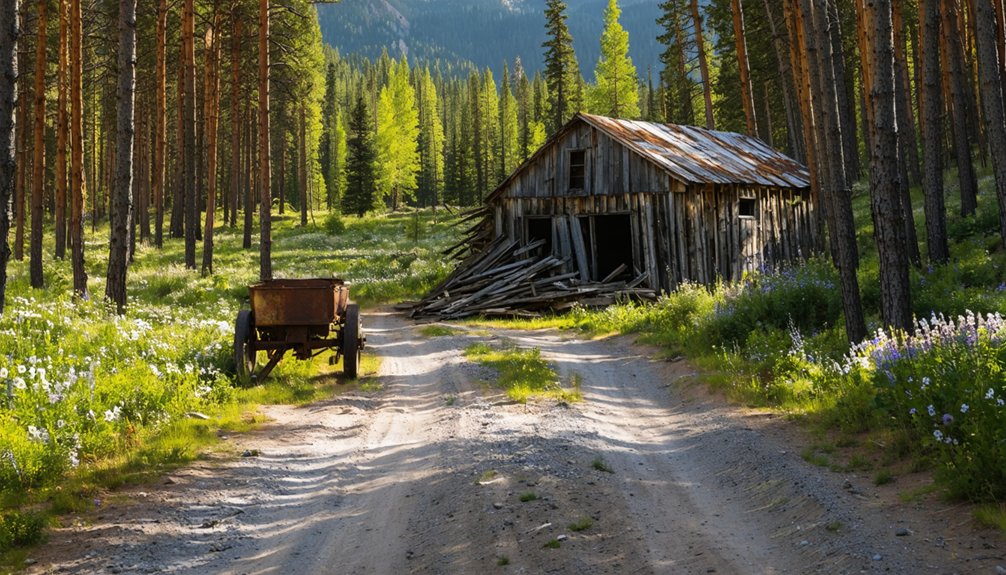
Timing your visit to Comeback Mining Camp can mean the difference between a rewarding backcountry drive and a frustrating turnaround at a snow-choked forest road. Mountain roads at elevations near 6,300 feet typically don’t open until late spring, and early snows can close them again by October.
Before you roll out, check these three essentials:
- Contact the local ranger district for current road conditions and any closures affecting your route.
- Monitor weather forecasts for at least 48 hours before departure, since mountain storms arrive fast.
- Download offline maps because cell coverage disappears deep in Idaho’s backcountry.
Preservation efforts protecting this site’s historical significance depend partly on responsible visitor timing. Arriving during passable conditions keeps you safe and protects fragile terrain from unnecessary damage.
Cabins, Tailings, and Mill Remains: What Comeback Mining Camp Still Has
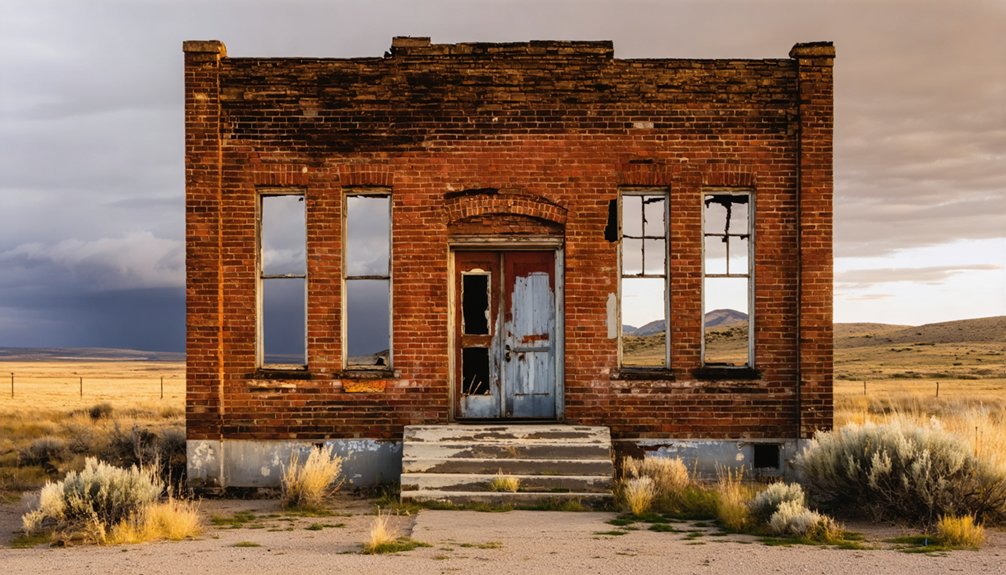
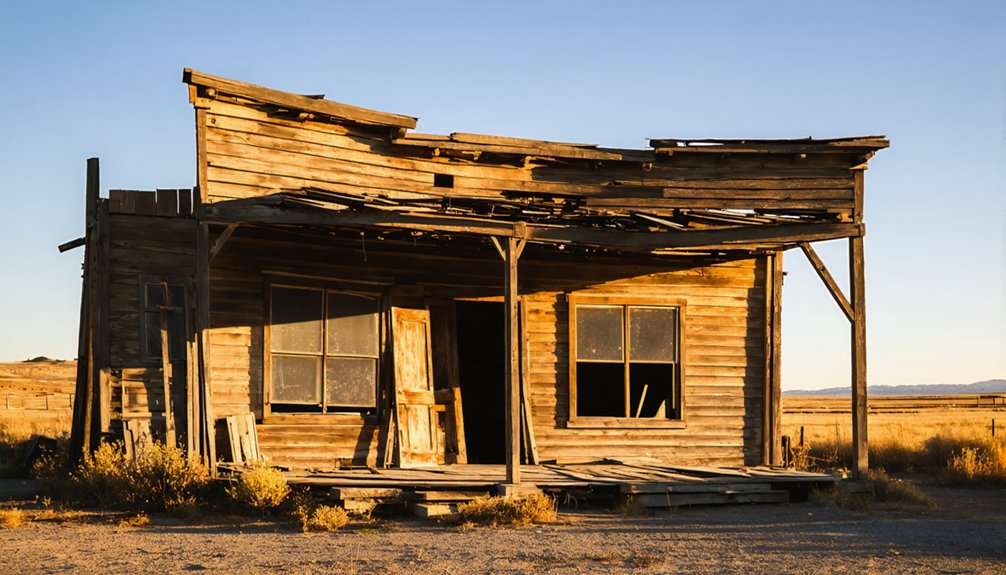
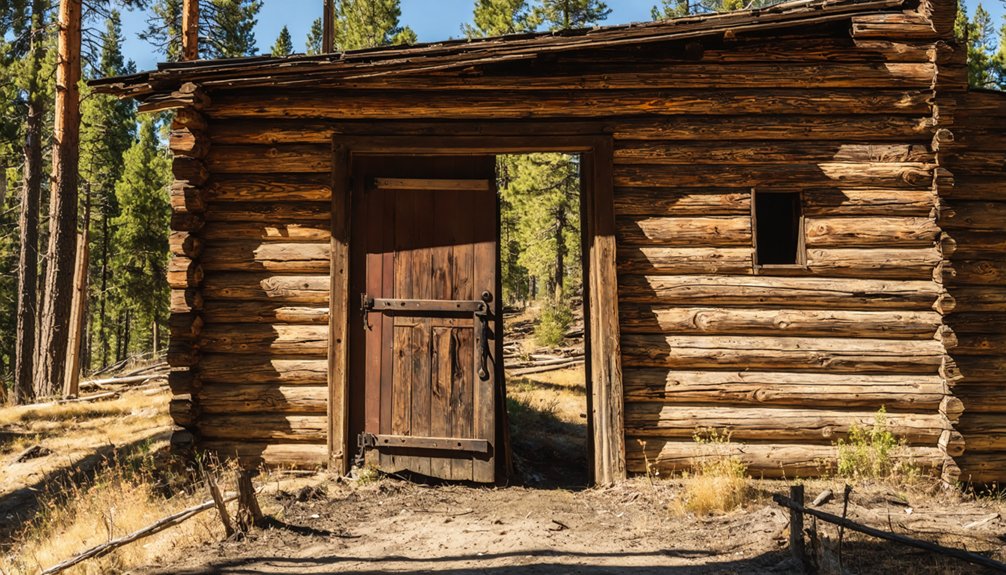
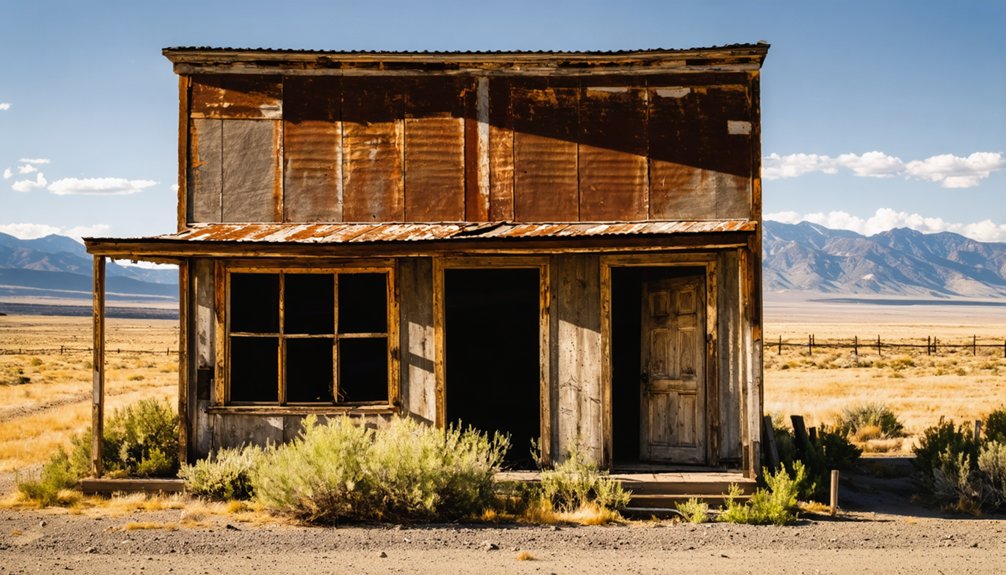
When you arrive at Comeback Mining Camp, you’ll find weathered cabins still holding their shape against decades of mountain winters, quiet reminders of the workers who once called this remote hollow home.
Scattered tailings and eroded trenches trace the ground where miners worked placer claims, and learning to read those landforms turns a scenic stop into a genuine history lesson.
The mill remains anchor the site’s story, showing you the scale of infrastructure that once supported a thriving, gold-driven settlement.
Surviving Structures Still Standing
Although the boom years have long passed, Comeback Mining Camp still holds onto enough physical history to make the trip feel worthwhile. You’ll find weathered remnants that carry real weight once you’re standing among them.
Look for these surviving features on-site:
- Weathered cabins – Walls still upright, telling quiet stories of miners who carved out a life in Idaho’s unforgiving backcountry.
- Historical artifacts and mining machinery – Rusted equipment scattered across the terrain, frozen in time since the last shift ended.
- Tailings and mill remains – Earthworks and structural fragments that reveal the scale of operation this camp once ran.
Each piece connects you to an era when gold transformed remote mountain camps into thriving, breathing communities almost overnight.
Reading The Tailings And Trenches
Once you step past the treeline and into Comeback Mining Camp’s open ground, the landscape starts telling its own story. The tailings piles — those long, unnatural mounds of displaced rock and gravel — reveal exactly where miners once worked the earth, chasing color through exhausting placer and hard-rock mining techniques.
Trenches cut across the hillside like open wounds that never fully healed, marking where water and muscle transformed the terrain.
You’ll notice historic artifacts scattered among the debris: rusted iron, broken timber, forgotten tools half-swallowed by decades of growth. Each piece connects you directly to the men who gambled everything on a gold strike.
Walk slowly, read the ground carefully, and you’ll understand the ambition and raw effort that once defined this remote Idaho hollow.
Ghost Towns Near Comeback Mining Camp Worth the Detour
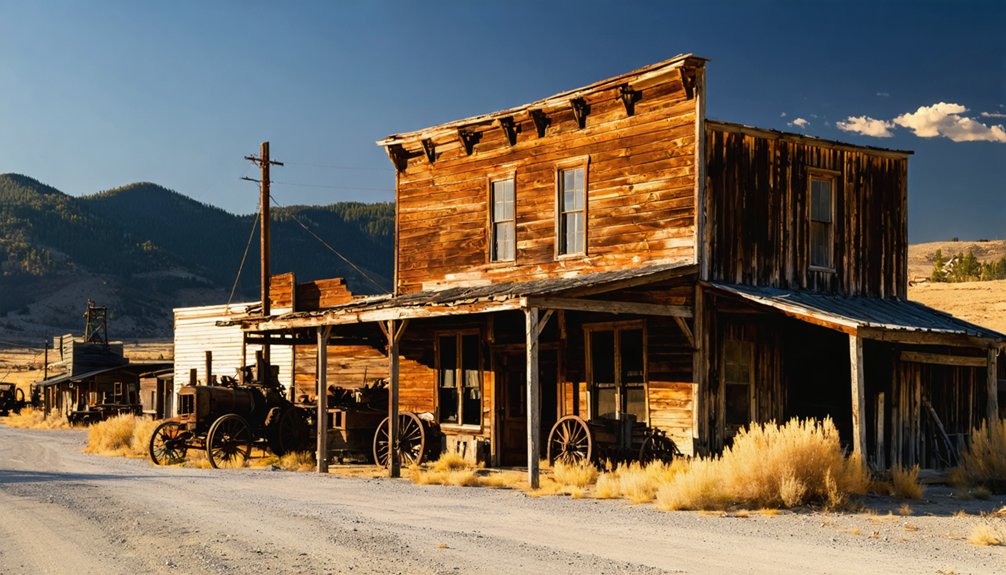
Comeback Mining Camp doesn’t stand alone in Idaho’s backcountry — it sits within a network of gold-rush ghost towns that reward the extra miles. Each nearby site adds another layer of mining history and ghost town preservation to your road trip.
Comeback Mining Camp anchors a sprawling network of ghost towns, each one deepening the story of Idaho’s gold-rush past.
- Leesburg – Founded in 1866 along Napias Creek, this camp once sheltered over 7,000 residents and still holds weathered cabins worth exploring.
- Bonanza – A rugged detour revealing old mill remnants and mining infrastructure that speak directly to Idaho’s boom-and-bust past.
- Carrietown – A quieter stop where scattered artifacts and crumbling foundations let you read the landscape like an open history book.
String these sites together and you’ll experience Idaho’s backcountry as the restless, freedom-seeking miners once did.
What to Pack for the Comeback Mining Camp Road Trip
Stringing together Leesburg, Bonanza, and Carrietown makes for an unforgettable backcountry loop — but Idaho’s remote mining country will test your preparation as much as your sense of adventure.
Pack sturdy hiking boots, layered clothing, sun protection, and enough water and snacks for a full day. Cell service disappears fast out here, so download your maps and carry a paper backup.
Historical artifacts dot these sites, so bring a camera instead of pocketing souvenirs — leave everything exactly as you find it.
Wildlife encounters are real in these mountain elevations, so store food properly and stay alert on trails.
Toss in a basic first-aid kit, and confirm current road conditions with the local ranger district before you leave the pavement behind.
Leave It as You Found It: Visiting Comeback Mining Camp Responsibly
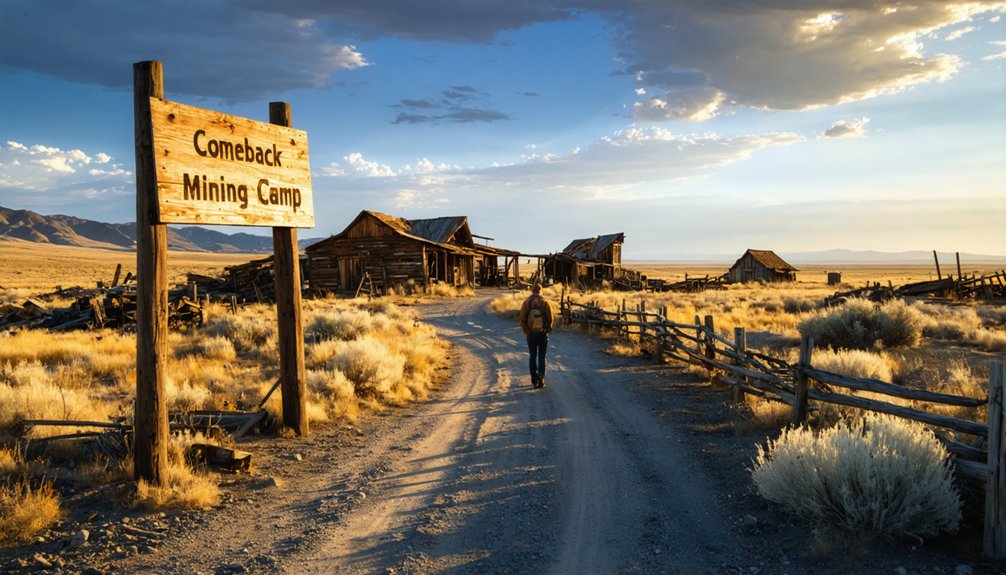
When you step into Comeback Mining Camp, you’re walking through a fragile chapter of Idaho’s gold-rush story — one that took decades to build and can be damaged in minutes. Historical artifacts scattered across the site aren’t souvenirs — they’re storytellers. Treat them accordingly.
Preservation tips to keep this place free and accessible for everyone:
- Don’t touch or pocket historical artifacts. Rusted tools, weathered timber, and scattered relics belong exactly where time left them.
- Stay on established paths. Wandering off-trail crushes vegetation and accelerates erosion around already-fragile ruins.
- Pack out everything you bring in. Trash degrades the atmosphere and the land itself.
Responsible exploration means future travelers get the same raw, unfiltered experience you’re having right now.
Comeback Mining Camp Pre-Trip Checklist
Knowing how to behave once you arrive is only half the job — getting there safely is the other half. Before you roll out, run through this checklist:
Arriving prepared is only half the journey — getting there safely is the other half.
- Maps: Download offline routes and carry a paper backup — cell service disappears fast in Idaho’s backcountry.
- Road conditions: Contact the local ranger district for current closures, washouts, or snow.
- Gear: Pack sturdy boots, water, snacks, sun protection, and extra layers.
- Weather: Check mountain forecasts the morning you leave.
- Fuel and supplies: Services are scarce once you leave the highway.
- Site awareness: Watch for active mining claims and respect posted boundaries near mining infrastructure.
- Preservation mindset: Historical artifacts belong to the site — photograph them, never pocket them.
Check everything twice. The road rewards the prepared.
Before You Go: Safety at Abandoned Sites
Ghost town structures have stood without maintenance for decades. Floors, stairs and roof timbers fail without warning, and a building that looks solid from outside may not hold your weight. Stay out of standing structures unless the site is actively maintained and open to visitors.
Mine workings are the more serious hazard. Vertical shafts can be hundreds of feet deep, are often unfenced, and may be hidden by brush or capped with rotted boards. Never enter an adit, tunnel or shaft: abandoned workings can hold oxygen-poor or toxic air that gives no warning before you lose consciousness.
Enclosed spaces with rodent droppings carry a risk of hantavirus, which is contracted by breathing contaminated dust. Do not sweep or stir up dust inside old cabins and outbuildings.
Cell coverage at these sites is usually poor or absent. Tell someone your route and expected return time, and carry more water than you think you need.
Frequently Asked Questions
Is Comeback Mining Camp on Private Land or Public Forest Land?
Public land surrounds private claims—you’ll find Comeback Mining Camp within Idaho’s public forest land, but land ownership can shift, so always verify access permissions with the local ranger district before you roam free.
Are There Restrooms or Facilities Available at Comeback Mining Camp?
Don’t expect restroom facilities or camping amenities at Comeback Mining Camp — it’s a raw, untamed ghost town frozen in time. You’ll embrace true backcountry freedom, so pack out everything you bring in.
Can You Camp Overnight Near Comeback Mining Camp Legally?
You’ll likely find legal camping options nearby on National Forest land, but always check current camping restrictions with the local ranger district first. Stay bear-aware, since wildlife encounters are real in Idaho’s rugged, beautifully untamed backcountry.
Is Comeback Mining Camp Accessible to Visitors With Mobility Limitations?
Rugged wilderness beckons, yet barriers exist — Comeback Mining Camp’s rough terrain, uneven ground, and remote roads don’t offer accessible parking or wheelchair routes. You’ll find freedom here demands sturdy footing and careful preparation before venturing in.
Have Any Movies or Documentaries Been Filmed at Comeback Mining Camp?
No confirmed movies or documentaries have used Comeback Mining Camp as one of their filming locations. Yet, its historical significance and hauntingly weathered ruins make you feel like you’re wandering through a forgotten cinematic landscape yearning to be discovered.
References
- https://www.youtube.com/watch?v=-6HfwRPQdvQ
- https://www.youtube.com/watch?v=P2JgcghKPKQ
- https://visitidaho.org/things-to-do/ghost-towns-mining-history/
- https://www.fs.usda.gov/r01/idahopanhandle/recreation/idaho-gold-and-ruby-mine-boulder-city-ghost-town
- https://www.youtube.com/watch?v=m0HHcI3Djcw