Planning a ghost town road trip to Arvada, Wyoming means venturing into Sheridan County‘s raw, untouched frontier past. Founded in the 1880s as a ranching and rail stop, Arvada offers weathered wooden structures, scattered artifacts, and stone foundations that remain exactly as time left them. You’ll want a 4WD vehicle, offline maps, and plenty of supplies since cell service is unreliable. Late summer offers the most manageable conditions, and there’s far more to uncover before you go.
Key Takeaways
- Arvada, Wyoming, founded in the 1880s, is a Sheridan County ghost town offering authentic frontier history with weathered structures and scattered artifacts.
- Visit during late summer for the best road conditions, as winter and spring weather can make routes completely impassable.
- Bring a 4WD or high-clearance vehicle and use offline maps or GPS, since cell service and highway signage are limited.
- Respect site preservation by not removing artifacts, avoiding unstable structures, and carrying water, a first aid kit, and sturdy boots.
- Extend your trip by visiting South Pass City, Kirwin, and Point of Rocks for a diverse Wyoming ghost town road trip experience.
What Makes Arvada, Wyoming Worth the Drive?
Though it may not appear on most tourist maps, Arvada, Wyoming pulls in curious travelers with something far more compelling than polished attractions — it’s a raw, unfiltered window into the American frontier.
Founded in the 1880s as a ranching and rail stop, this Sheridan County ghost town carries deep historical significance that no museum can fully replicate. You’ll walk through a place where ambition once thrived, now quietly surrendering to time.
The dilapidated structures and weathered remnants offer extraordinary photographic opportunities, rewarding anyone with a sharp eye and an appreciation for decay’s strange beauty. No crowds, no entrance fees, no guided tours — just open land and honest history.
For travelers who value freedom over convenience, Arvada delivers exactly that.
Is Arvada, Wyoming Accessible Year-Round?
Before you pack your bags and hit the road, you need to know that Arvada isn’t always easy to reach in every season.
Wyoming’s harsh winters and unpredictable spring conditions can turn rural Sheridan County roads into impassable stretches of mud or snow, potentially requiring 4WD just to get close.
You’ll have the best experience visiting during the late summer months, when drier conditions make the remote roads more manageable and the site fully accessible.
Seasonal Road Access Challenges
While Arvada’s remote location in Sheridan County makes it accessible by road year-round in theory, Wyoming’s harsh seasonal weather can turn rural dirt roads into muddy, impassable stretches that’ll stop even experienced drivers in their tracks.
Spring snowmelt and autumn rainstorms are particularly brutal, transforming dry paths into treacherous routes overnight.
If you’re serious about reaching this site and exploring its abandoned architecture without getting stranded, late summer offers your best window.
You’ll want to check current road conditions before departing and seriously consider bringing a 4WD vehicle.
The historical significance of Arvada deserves your full attention, not a recovery operation.
Pack navigation tools, tell someone your itinerary, and stay flexible — Wyoming’s weather doesn’t negotiate, but the freedom of discovery makes careful planning absolutely worth it.
Weather Impacts On Accessibility
Seasonal road conditions directly shape whether your trip to Arvada becomes a memorable adventure or a frustrating dead end. Wyoming’s unpredictable weather creates real barriers that affect your access to this historical preservation site.
Before heading out, watch for these three weather-driven challenges:
- Winter snowfall can render rural Sheridan County roads impassable from November through March, cutting off access entirely.
- Spring mud season creates unstable road surfaces that can trap vehicles, making 4WD essential during April and May.
- Summer thunderstorms wash out dirt roads rapidly, sometimes blocking passage for days while also increasing wildlife encounters near the remote site.
Check forecasts immediately before departing. Your freedom to explore Arvada’s abandoned frontier depends entirely on arriving prepared for Wyoming’s unforgiving seasonal shifts.
Best Months To Visit
Given Wyoming’s punishing winters and unpredictable spring thaw, Arvada isn’t realistically accessible year-round. Deep snow and muddy rural roads can make reaching this remote Sheridan County ghost town nearly impossible between November and April.
Your best window runs from late May through early October. During these months, you’ll navigate drier roads, enjoy longer daylight hours, and capture the most compelling photography opportunities among Arvada’s weathered structures.
Summer mornings offer soft, golden light that makes historical preservation details — peeling wood, collapsed rooflines, rusted hardware — visually striking through a lens.
Early September is particularly rewarding. Crowds thin out, temperatures stay manageable, and the surrounding high plains take on a muted, cinematic tone.
Plan accordingly, check road conditions before departing, and pack supplies for a self-reliant adventure.
Do You Need a 4WD Vehicle to Reach Arvada?
Arvada sits at the end of rural Wyoming roads that can turn rough, rutted, or muddy depending on recent weather. You don’t always need a 4WD vehicle to reach the site, but having one gives you a significant advantage if conditions deteriorate.
When rain soaks the unpaved stretches or spring thaw softens the ground, a 4WD can mean the difference between a successful visit and getting stranded miles from help.
Rural Road Conditions
Because Arvada sits deep in the rural stretches of Sheridan County, you’ll want to think carefully about what you’re driving before heading out. Unpaved roads, shifting seasonal conditions, and limited signage can turn an adventure into a headache fast.
Locals carry their own historical artifacts of hard-learned wisdom — and their local legends about getting stranded aren’t exaggerated.
Prepare smart with these three essentials:
- Check road conditions seasonally — wet weather transforms dirt roads into impassable mud traps.
- Consider a 4WD or high-clearance vehicle — standard sedans risk bottoming out on uneven terrain.
- Download offline maps — cell service disappears quickly in remote Sheridan County stretches.
You’re chasing freedom out here, so don’t let poor preparation cut that journey short.
When 4WD Helps
Whether you absolutely need a 4WD vehicle to reach Arvada depends on when you’re visiting and what conditions you encounter on arrival. Wyoming’s rural roads shift dramatically after rain or snow, turning manageable dirt paths into muddy obstacles that’ll stop a standard sedan cold.
If you’re visiting during drier months, a high-clearance vehicle might suffice. But don’t gamble with it — a stuck vehicle miles from help defeats the entire spirit of independent exploration.
A 4WD also gives you flexibility once you’re there. You can reposition for better photography tips, finding ideal angles that capture Arvada’s historical preservation details without trampling unstable ground.
Those dilapidated structures deserve respect, and maneuvering carefully around the site protects both you and what little remains of this frontier relic.
How to Get to Arvada, Wyoming Without Getting Lost?

Getting to Arvada, Wyoming, means embracing the spirit of adventure before you even arrive. No major highway signs guide you here, so preparation is everything. This site of historical preservation and local legends rewards those who plan ahead.
Follow these three essentials before hitting the road:
- Download offline maps or bring a physical GPS device — rural Sheridan County has limited cell service, and you can’t afford to guess.
- Confirm current road conditions — seasonal weather can transform dirt roads into impassable mud tracks overnight.
- Research property boundaries in advance — some surrounding land is privately owned, and crossing unmarked lines carries real consequences.
You’re chasing something raw and real. Arrive prepared, stay alert, and Arvada’s forgotten frontier history will reveal itself on your terms.
What Are You Actually Not Allowed to Do at Arvada?
Arvada isn’t a managed historic site with rangers and roped-off exhibits — it’s raw, remote, and largely unregulated, which makes knowing the boundaries even more critical. That freedom comes with real responsibility. Don’t cross onto private property — some land surrounding Arvada is privately owned, and trespassing carries legal consequences regardless of how abandoned it looks.
Don’t remove historical artifacts, either. Taking relics disrupts the site’s integrity and violates Wyoming law.
Avoid entering structurally compromised buildings — collapsing floors and unstable walls aren’t worth the risk.
Don’t assume open land means public land; always verify boundaries before wandering. You’re visiting a fragile piece of frontier history, not a playground. Respect it, photograph it, and leave everything exactly as you found it.
What Buildings and Ruins Are Still Standing at Arvada?
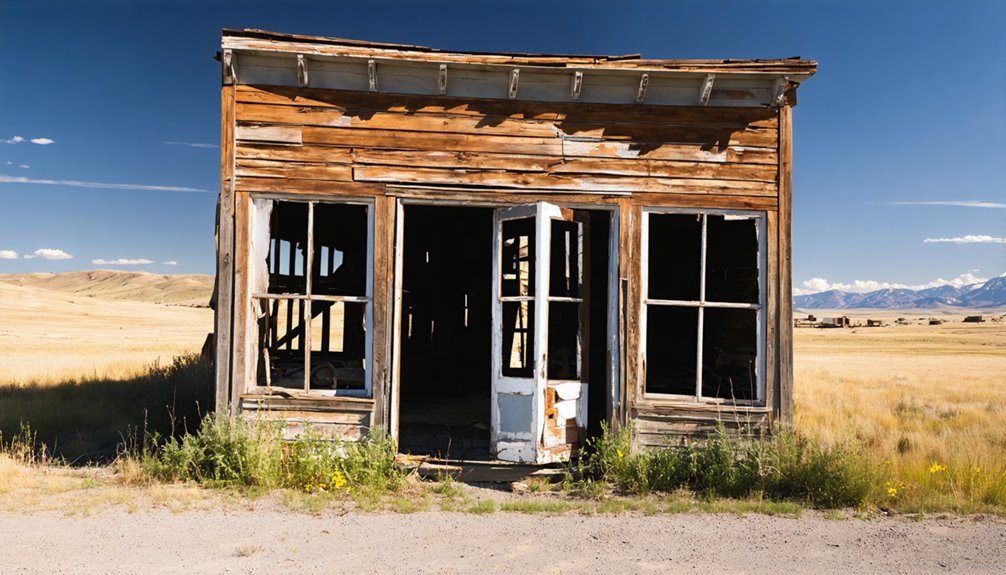
Once you know what you can’t touch or cross, the next question is what’s actually there to see. Arvada doesn’t offer a polished museum experience, but its raw remains tell an honest frontier story. Despite minimal preservation efforts, several elements survive:
Arvada won’t hand you a curated experience — but what survives tells a frontier story no museum could replicate.
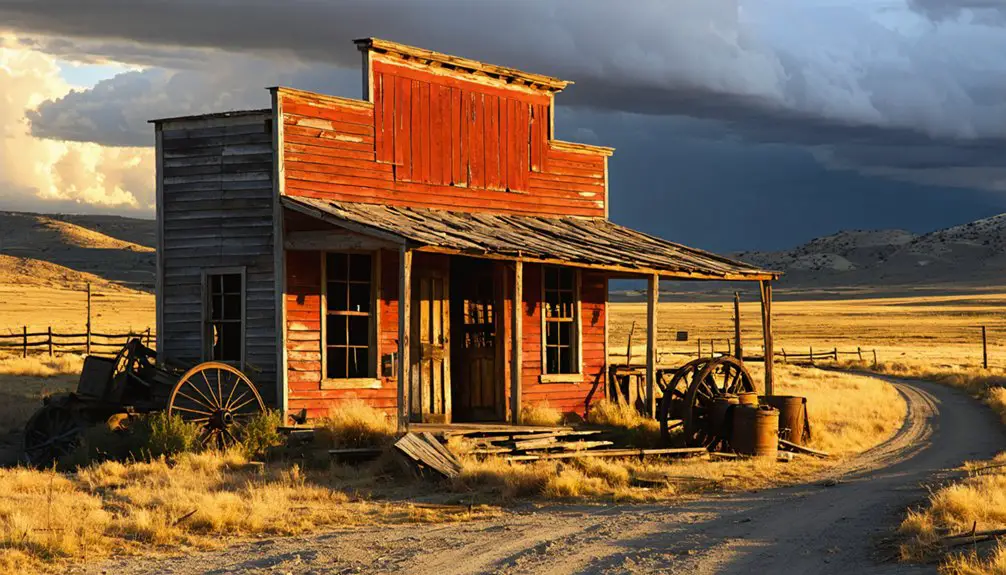
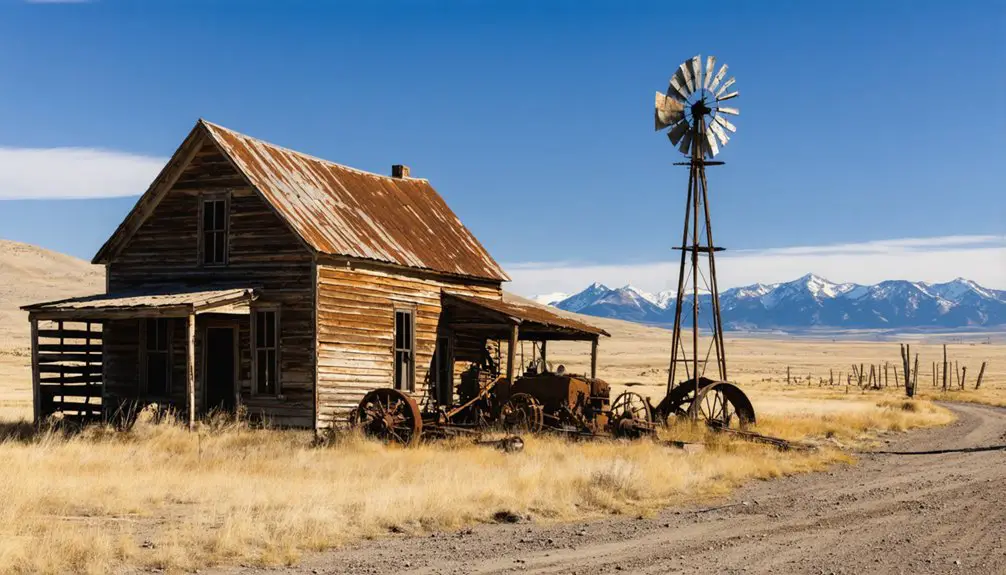
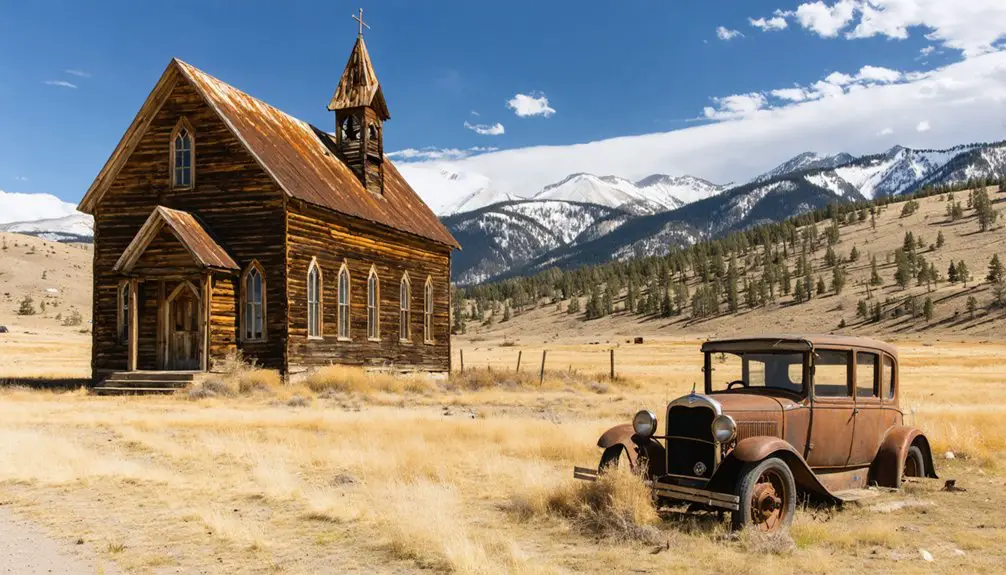
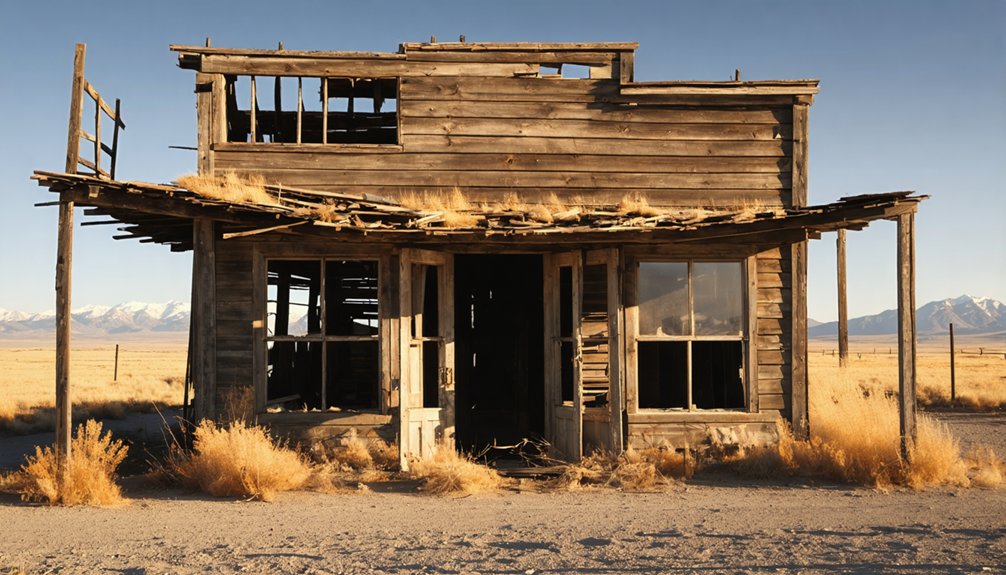
- Dilapidated wooden structures — weathered frames still standing against Wyoming’s open sky, reflecting the town’s ranching and rail-stop origins.
- Scattered historical artifacts — debris and remnants embedded across the site that hint at everyday 1880s life.
- Foundation outlines — stone and earthen bases marking where buildings once anchored the community.
You’re walking through a genuine time capsule here. Nothing’s been sanitized or staged. What remains is fragile, honest, and worth your full attention before weather and time erase it completely.
What to Bring for a Remote Arvada Ghost Town Visit?
Since Arvada offers no services, staffing, or infrastructure of any kind, you’ll need to arrive fully self-sufficient. Pack plenty of water, snacks, and a first aid kit before heading out.
Bring a detailed paper map or GPS device, since cell service is unreliable in remote Sheridan County.
Wear sturdy boots for traversing uneven terrain around crumbling structures.
A camera captures both historical artifacts and the haunting beauty of abandoned frontier life.
Binoculars enhance wildlife observation opportunities, as Wyoming’s rural landscape supports diverse native species.
Carry a flashlight even during daylight hours for safely peering into shadowed ruins.
Respect private property boundaries by staying on accessible land.
Your self-reliance isn’t just practical here — it’s the entire spirit of exploring a place this beautifully untamed.
Which Other Wyoming Ghost Towns Pair Well With Arvada?
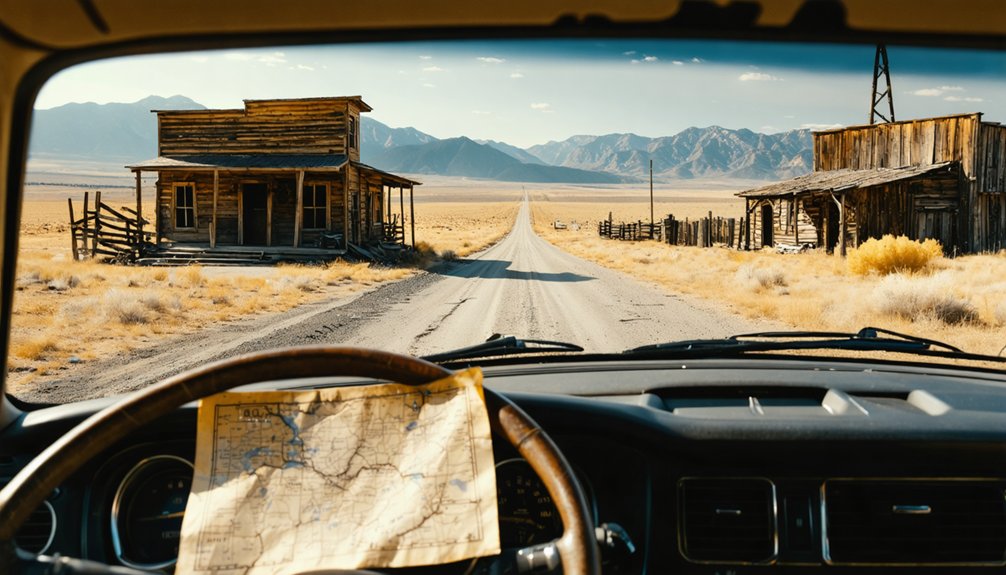
With your pack loaded and your sense of adventure ready, Arvada alone doesn’t have to be your only stop — Wyoming’s wide-open landscape holds several ghost towns worth weaving into your itinerary. Each destination offers unique ghost town preservation stories and striking abandoned architecture that deepens your understanding of the frontier era.
- South Pass City – Nestled in a protected canyon, it’s one of Wyoming’s best-preserved sites with intact structures worth photographing.
- Kirwin (Park County) – Accessible July through September, it features Amelia Earhart’s cabin alongside haunting abandoned architecture frozen in time.
- Point of Rocks – A fully intact Overland Trail stage station south of I-80, offering raw historical context without detours into remote terrain.
Combine these stops to build a truly unforgettable road trip.
How to Build a Multi-Stop Road Trip Around Arvada?
Building a multi-stop road trip around Arvada means anchoring your journey in Sheridan County, then fanning outward to connect Wyoming’s most compelling abandoned communities. Start in Arvada, documenting its weathered structures with wide-angle shots that capture scale and isolation — strong photography tips include shooting during golden hour for dramatic shadows.
From there, push south toward Atlantic City and South Pass City, where historical preservation efforts have stabilized structures worth serious exploration. Then curve west into Park County to reach Kirwin between July and September, when seasonal access opens.
Each stop rewards curiosity differently — some offer intact buildings, others offer little beyond foundations. Carry GPS, pack extra fuel, and respect private land boundaries throughout. You’re stitching together Wyoming’s forgotten chapters into one unforgettable journey.
Frequently Asked Questions
Was Arvada, Wyoming Ever Considered for Historical Preservation or Landmark Status?
Coincidentally, despite Arvada’s historical significance, you won’t find formal landmark status here. Preservation efforts haven’t claimed this forgotten gem yet, leaving it raw and free — yours to discover on your own untamed terms.
Are There Any Local Guides or Tours Available for Visiting Arvada?
You won’t find formal guided tours or local guides for Arvada—it’s a raw, self-guided adventure. Embrace your freedom, pack a GPS, respect private property, and let Wyoming’s untamed frontier spirit lead your exploration independently.
What Wildlife Might Visitors Encounter While Exploring the Arvada Ghost Town Area?
You’ll encounter incredible wildlife diversity in Arvada’s remote landscape! Expect animal sightings of pronghorn antelope, mule deer, coyotes, and various raptors roaming freely across Wyoming’s wide-open plains, making your ghost town adventure even more thrillingly untamed.
Has Arvada, Wyoming Ever Been Featured in Films or Documentaries?
While bustling film sets thrive elsewhere, Arvada remains quietly overlooked. No confirmed filming locations or historical documentaries feature it, but you’ll discover its raw, forgotten story feels more cinematic than any production could ever capture.
Are There Any Camping Spots Near Arvada for an Overnight Ghost Town Trip?
You’ll find limited formal camping amenities near Arvada, but dispersed camping on public lands offers rugged overnight accommodations. Bring your own supplies, embrace the solitude, and you’ll wake up steps from Wyoming’s fascinating frontier history.
References
- https://tranquiltrekker.com/tag/washoe-ghost-town/
- https://travelwyoming.com/blog/stories/post/5-wyoming-ghost-towns-you-need-to-explore/
- https://www.reddit.com/r/roadtrip/comments/1mb16ry/nontouristy_ghost_towns_across_the_west/
- https://www.sweetwaternow.com/gas-up-the-tank-and-go-find-some-ghouls-a-haunted-wyoming-road-trip/
- https://wakeupwyo.com/haunted-wyoming-road-trip-5-ghost-towns-to-explore/
- https://wyomingwhispers.com/wyomings-ghost-towns/