Planning a ghost town road trip to Reece, Kansas means stepping into a layered history of Welsh pioneers, agricultural dreams, and a lead-and-zinc mining boom that ultimately poisoned the land it promised to enrich. You’ll find Reece about 7.5 miles west of Eureka along quiet, rural roads cutting through open Kansas grassland. Today, it’s a Superfund site with toxic remnants still lingering beneath the surface. There’s far more to this forgotten town than its silence suggests.
Key Takeaways
- Reece, Kansas, sits roughly 7.5 miles west of Eureka along rural two-lane roads with minimal signage and limited GPS coverage.
- Check road conditions before departure, pack extra water, and bring offline maps for navigating remote, potentially unpaved routes.
- As a Superfund site, Reece requires visitors to stay on designated paths and avoid contact with contaminated soil.
- Nearby ghost towns like Lamont, Piedmont, Neal, and Virgil make excellent additions to a Greenwood County road trip itinerary.
- Bring a wide-angle camera, avoid removing artifacts, and document findings responsibly to support historical preservation efforts.
Why Reece, Kansas Is Worth the Detour
Though it’s easy to drive past without a second glance, Reece, Kansas rewards the curious traveler willing to turn off the main road and sit with its silence for a moment.
You’ll find a place shaped by Welsh pioneers, railroad ambition, and a mining industry that ultimately consumed it.
Historical artifacts and archived records trace its journey from a thriving agricultural stop to a Superfund-designated ghost town.
Local legends echo through what little remains standing.
The post office opened in 1870, the community grew, and then slowly, quietly, it unraveled.
That arc — rise, prosperity, toxic collapse — makes Reece more than a detour.
It’s an honest portrait of frontier promise meeting hard consequence, and you owe it to yourself to witness it firsthand.
How to Reach Reece From Eureka
From Eureka, you’ll head west along rural roads for roughly 7.5 miles to reach what remains of Reece. This is a quiet stretch that trades the county seat’s modest bustle for open Kansas grassland.
The roads leading out are accessible but rural, so you’d do well to check conditions before setting out. Especially after heavy rain, unpaved stretches can become muddy and difficult to traverse.
There’s something quietly moving about that drive, knowing each mile carries you closer to a community that once hummed with life along the old Missouri Pacific Railroad line.
Route From Eureka
Reaching Reece from Eureka is a straightforward drive that takes you roughly 7.5 miles west into the quiet, rolling countryside of Greenwood County. Head west out of Eureka along the rural roads cutting through open Kansas landscape, where scattered homes and farmsteads remind you that people once built full lives here.
Some sources place Reece nine miles southwest, so keep that flexibility in mind as you navigate. The drive itself feels unhurried, matching the reflective mood the destination deserves.
As you approach, you’re retracing paths once traveled by Welsh settlers and railroad traders who shaped this community. Today, cultural preservation efforts and historical artifacts help keep that story alive, even as the town itself fades quietly into the surrounding countryside.
Road Conditions Ahead
Before you head out from Eureka, it’s worth knowing that the roads leading west toward Reece are largely rural two-lane stretches cutting through open Kansas farmland. Expect minimal signage and occasional rough pavement, so check your tires and fuel before leaving town.
The drive rewards your patience. Rolling prairie unfolds around every gentle curve, and the quiet isolation reminds you why preservation efforts matter for places like Reece. Nobody’s maintaining tourist infrastructure out here — you’re navigating on your own terms.
GPS occasionally struggles in these pockets of southwest Greenwood County, so download an offline map beforehand.
Once you arrive, historical artifacts and remnants of the old townsite are scattered and subtle. Keep your eyes open, drive slowly, and respect the land you’re crossing.
The Mining Boom That Built and Broke Reece
Although Reece once thrived as a quiet agricultural stop along the Missouri Pacific Railroad, it’s the mining boom of the mid-20th century that truly reshaped the town’s identity—and ultimately sealed its fate.
Lead and zinc mining brought economic promise, temporarily overshadowing the town’s Welsh heritage and farming roots. But that promise came at a devastating cost.
As mining companies abandoned operations and declared bankruptcy, they left behind a toxic landscape saturated with lead contamination. Property values collapsed, residents fled, and the town eventually earned Superfund site designation.
Buildings came down, businesses shuttered, and the community that once carried proud mining history faded into silence. What you’ll find today is a cautionary tale written across a quiet, largely empty Kansas landscape.
What You Can Still See in Reece Today
Despite the decades of decline and demolition, Reece still holds quiet remnants worth discovering. You’ll find scattered homes standing against the prairie sky, silent witnesses to a community that once bustled with miners, merchants, and families.
Historical artifacts tied to the town’s Welsh roots and postal heritage survive through archived collections and museum exhibits, giving you a tangible connection to life here before the toxins took over.
Preservation efforts have kept portions of Reece’s story alive even as its physical landscape emptied out. You won’t find open businesses or busy streets, but you’ll find an honest, unfiltered slice of rural Kansas history.
Walk the quiet roads, take in the stillness, and let the landscape tell you what records alone can’t fully capture.
Superfund Site Safety Rules Every Visitor Must Follow
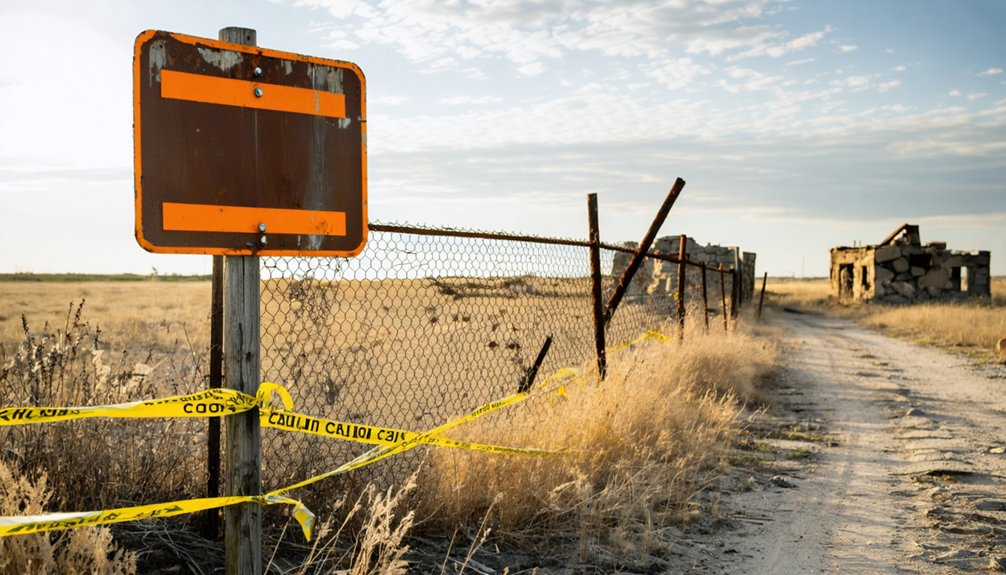
When you visit Reece, you’re walking through a designated Superfund site, so you’ll want to stick strictly to marked paths and avoid any direct contact with exposed soil, which still carries dangerous lead contamination.
If you spot anything that looks like buried debris, leaking material, or disturbed ground, you’re responsible for reporting it immediately to the appropriate environmental authorities.
Respecting these boundaries isn’t just bureaucratic caution — it’s what keeps you safe while honoring the complicated legacy of this once-thriving Welsh community.
Stay On Designated Paths
Because Reece carries the weight of a Superfund designation, staying on designated paths isn’t just a suggestion—it’s a rule you can’t afford to ignore. Lead contamination runs deep here, invisible beneath soil that once supported a thriving Welsh community and bustling railroad trade.
Straying off marked routes exposes you to serious health risks from toxic residue left behind by zinc and lead mining operations. Environmental safety isn’t bureaucratic red tape—it’s what keeps you healthy enough to appreciate what remains.
Designated paths also protect historical preservation efforts, keeping fragile remnants of Reece’s pioneer past intact for future visitors. You’re walking through layers of living history, so respect the boundaries.
Freedom means exploring responsibly, not recklessly disturbing ground that’s already carried too heavy a burden.
Avoid Soil Contact
Touching the soil at Reece isn’t something you’ll want to risk, even briefly. Lead contamination runs deep here, making soil safety a serious priority. Environmental hazards from decades of zinc and lead mining have permanently altered this landscape.
Protect yourself by following these four rules:
- Wear closed-toe shoes and long pants to minimize any accidental skin exposure.
- Never let children play in or near exposed dirt, as lead absorption risks are markedly higher for young ones.
- Remove and bag your clothing immediately after visiting contaminated areas.
- Wash your hands thoroughly before eating, drinking, or touching your face.
Reece deserves your curiosity, but its toxic legacy demands your respect. Explore freely, but protect yourself wisely.
Report Hazardous Findings
Stumbling across something unusual at Reece — a leaking drum, a strange discoloration in the soil, or an unfamiliar chemical odor — means you’ve got a responsibility that goes beyond your road trip itinerary.
This Superfund site carries environmental hazards that don’t disappear simply because the town did. Document what you find with photos, note the exact location, and contact the EPA’s emergency hotline at 1-800-424-8802.
Don’t touch, disturb, or attempt to investigate further on your own. Preservation challenges here are real — unreported contamination spreads, endangering surrounding communities and complicating cleanup efforts that have stretched across decades.
Your report could protect the next curious traveler wandering these quiet Kansas backroads. Freedom means respecting boundaries that keep everyone safe, including yourself.
Ghost Towns Near Reece Worth Adding to Your Route
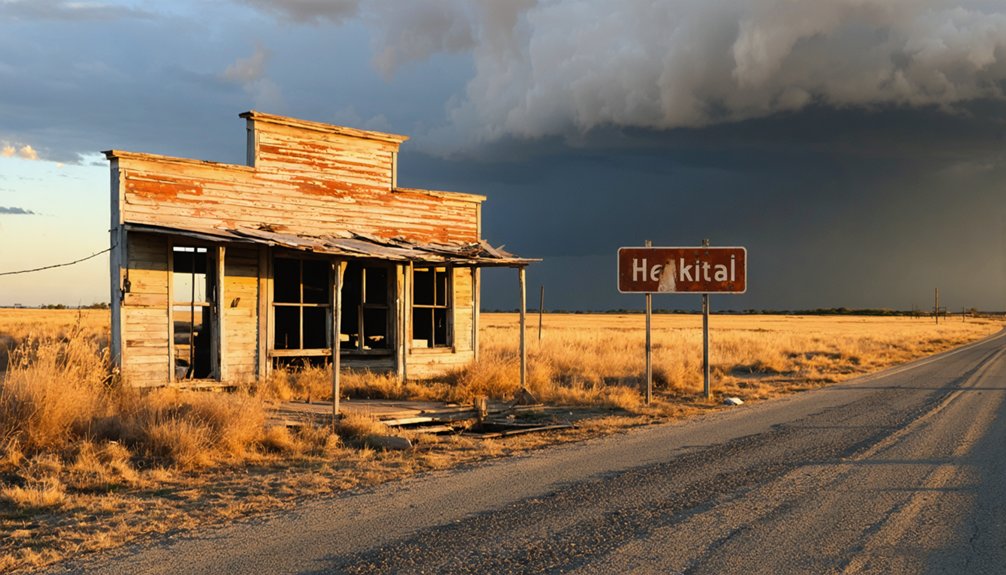
Greenwood County holds more ghost towns than most travelers realize, so while you’re already out exploring Reece, it’s worth stretching your route to take in a few nearby remnants of Kansas’s fading rural past. Each stop carries its own historical landmarks and local legends waiting to be discovered.
Greenwood County hides more ghost towns than most travelers ever find — each one carrying legends worth chasing.
- Lamont – An unincorporated ghost town echoing quiet agricultural roots.
- Piedmont – A forgotten settlement preserving fragments of pioneer-era character.
- Neal – A vanished community offering raw, undisturbed rural exploration.
- Virgil – A semi-ghost town with shrinking but surviving traces of small-town Kansas life.
Pack extra water, download offline maps, and give yourself flexibility. These towns reward curious travelers who aren’t afraid to wander unpaved roads toward something beautifully forgotten.
How to Photograph and Document Reece Without Disturbing the Site
Once you’ve mapped out your route through Lamont, Piedmont, and the other nearby ghost towns, your camera becomes just as important as your gas tank. Good photography etiquette means staying on public access roads, shooting from a respectful distance, and never touching or removing artifacts.
Reece’s toxic legacy makes this especially critical — lead contamination still lingers, so don’t wander onto private or restricted land.
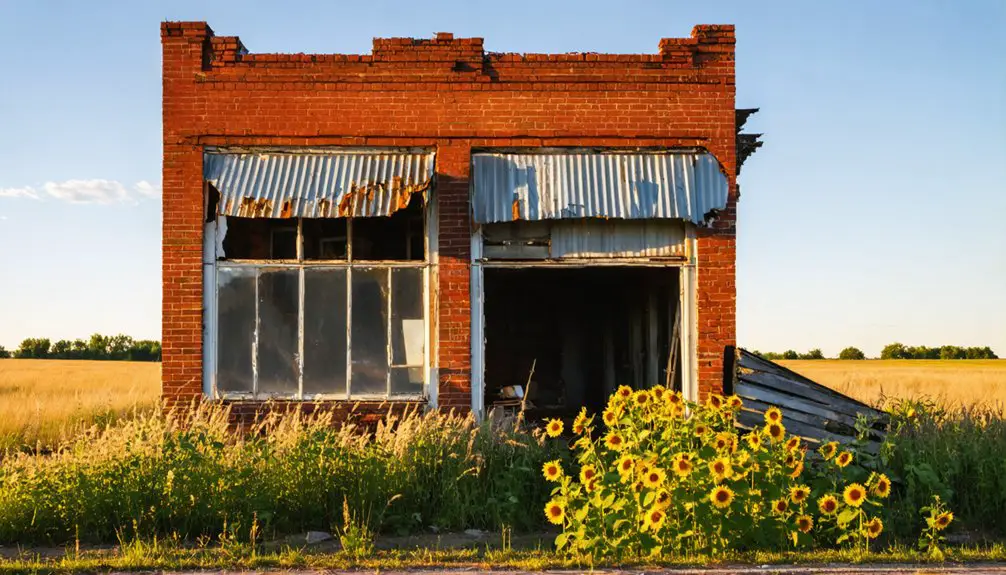
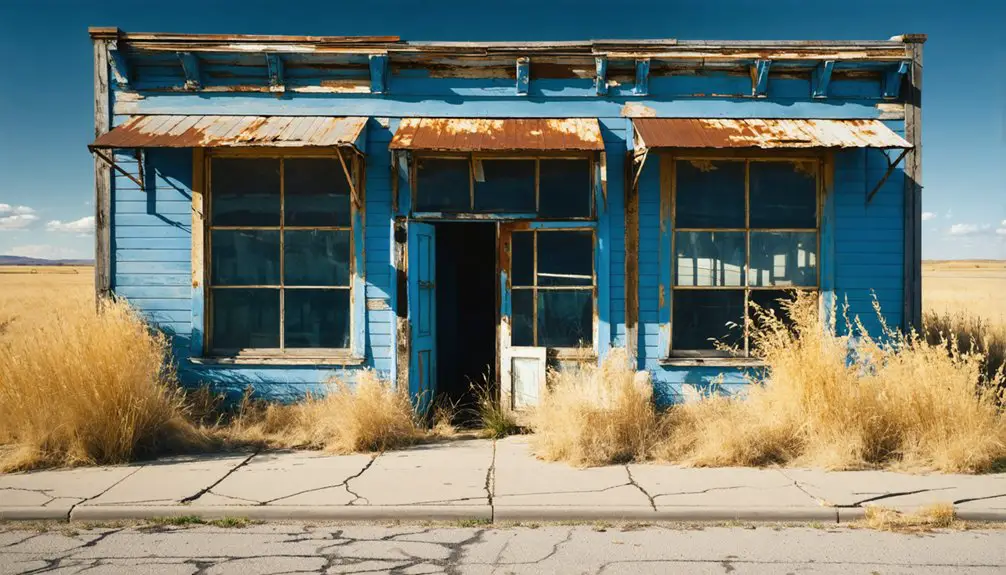
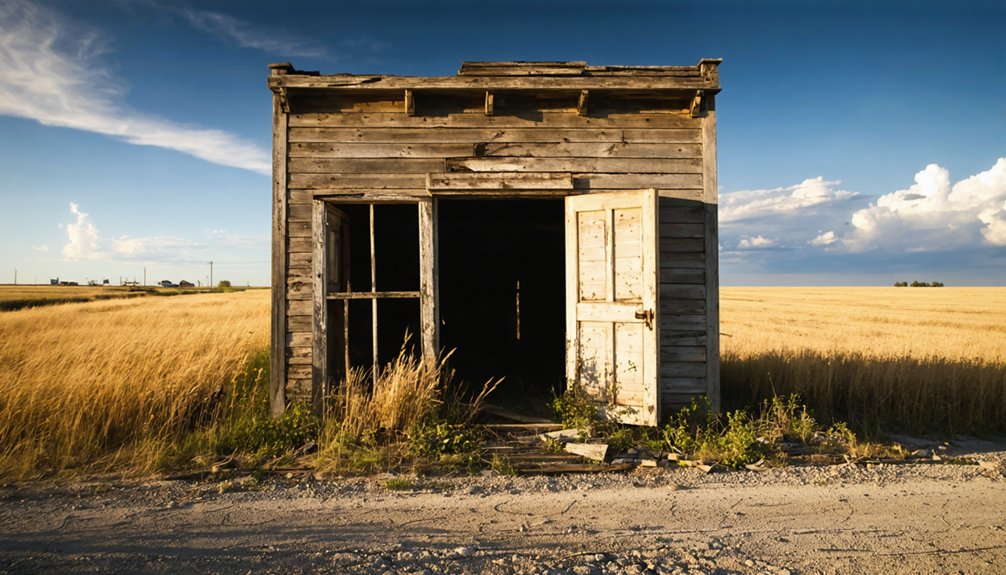
Use wide-angle lenses to capture the quiet rural landscape without stepping onto compromised ground. Document weathered structures, old foundations, and overgrown lots from safe vantage points. These preservation techniques ensure future visitors experience what you experienced.
Label your photos with dates and locations, then share them with local historical archives. Your documentation keeps Reece’s Welsh heritage and frontier story alive without costing the site anything.
Frequently Asked Questions
When Did Reece’s Post Office First Open Under Its Original Name?
You’ll love knowing the post office first opened as Collins on December 8, 1870, where historic architecture once stood proud and local legends of pioneering spirits still echo nostalgically through Reece’s forgotten, freedom-filled rural landscape.
What Welsh Cultural Influence Led to the Town’s 1883 Renaming?
Like a viral hashtag spreading pride, Welsh heritage shaped Reece’s cultural identity, driving the 1883 renaming. You’d feel the community’s deep roots honoring their Welsh ancestors, preserving that proud, freedom-loving spirit through a simple but meaningful name change.
How Many Residents Did Reece Have at Its Population Peak?
At its peak around 1910, you’d have found roughly 100 residents calling Reece home — wandering past abandoned buildings, sharing local legends, and breathing in that nostalgic freedom of small-town prairie life before decline reshaped everything.
When Did Reece’s Post Office Permanently Close Its Operations?
Postal pages permanently paused when Reece’s post office closed on July 14, 1967. You’ll find this historical postal closure a poignant chapter in ghost town preservation, marking over a century of forgotten rural freedom fading into quiet history.
Which Other Ghost Towns in Greenwood County Can Visitors Explore Nearby?
You’ll find haunted legends and abandoned buildings waiting at Climax, Lamont, Piedmont, Virgil, Neal, and Quincy — each ghost town whispering nostalgic stories of freedom, forgotten lives, and Greenwood County’s beautifully weathered, untamed rural past.
References
- https://en.wikipedia.org/wiki/Treece
- https://www.youtube.com/watch?v=dy7nLwjHkbY
- https://www.hhhistory.com/2019/05/ghost-towns-of-kansas.html
- https://legendsofkansas.com/reece-kansas/
- https://www.youtube.com/watch?v=KBXINX0xqnU
- https://legendsofkansas.com/greenwood-county-kansas/