Planning a ghost town road trip to Darwin, California means driving deep into Inyo County’s remote desert to explore silver and lead mining ruins dating back to 1874. You’ll find weathered shacks, rusted machinery, and the haunting remains of the Defiance smelter scattered across an eerily silent landscape. Cell service disappears fast out here, so pack water, fuel, and emergency gear. There’s far more to discover about making this unforgettable desert journey your own.
Key Takeaways
- Darwin, California, a silver and lead boomtown from 1874, now offers weathered ruins, rusted machinery, and crumbling foundations to explore.
- Use Highway 190 as your main approach from the Death Valley side, embracing the remote desert drive as part of the experience.
- Pack sufficient water, fuel, food, and a satellite communicator, as cell service is virtually nonexistent and distances between stops are vast.
- Nearby ghost towns like Ballarat, Cerro Gordo, and Rhyolite make excellent additions to extend your road trip itinerary.
- Prepare for dramatic temperature swings between day and night by packing appropriate clothing and bedding for self-sufficient travel.
What Made Darwin, California a Ghost Town?
Darwin, California didn’t collapse overnight — it unraveled through a series of hard blows spread across decades. Silver and lead discoveries sparked the mining history here in 1874, pulling thousands of settlers into the desert almost instantly.
At its peak, Darwin’s town architecture included smelters, saloons, hotels, and a functioning newspaper office — real infrastructure built on real ambition. Then the hits came fast. A smallpox epidemic swept through in 1878, fires leveled key buildings, and shifting markets dried up profits.
The final blow arrived in the 1930s when road rerouting cut Darwin off from passing traffic. Without commerce or ore, people simply left. What you see today are the bones of a boomtown that burned bright and faded hard.
What’s Left to See in Darwin’s Ruins Today?
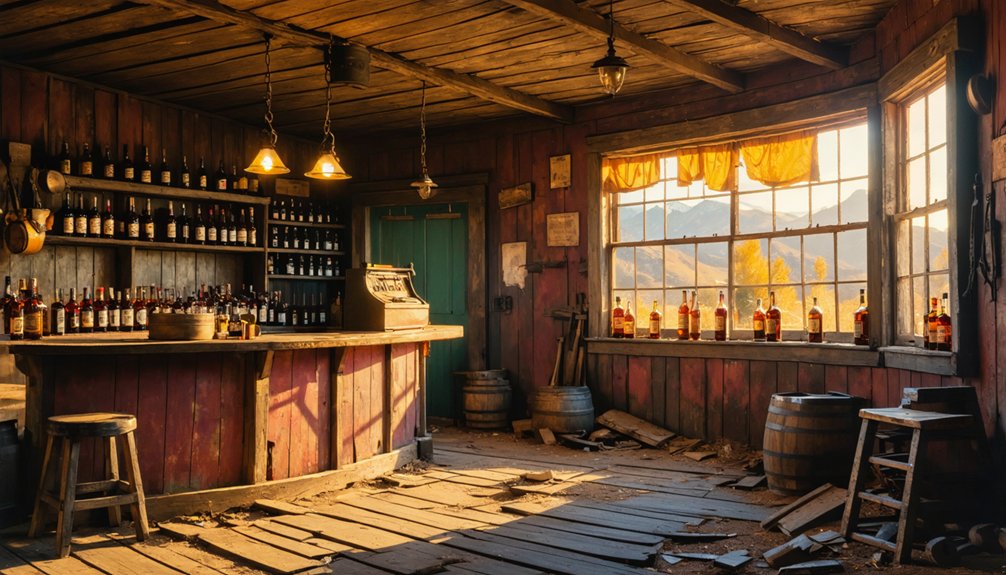
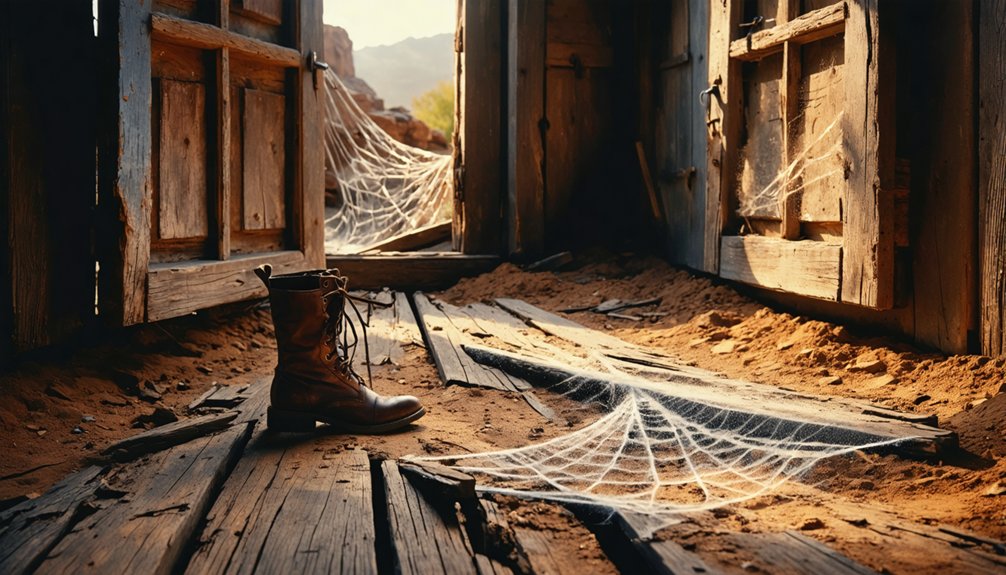
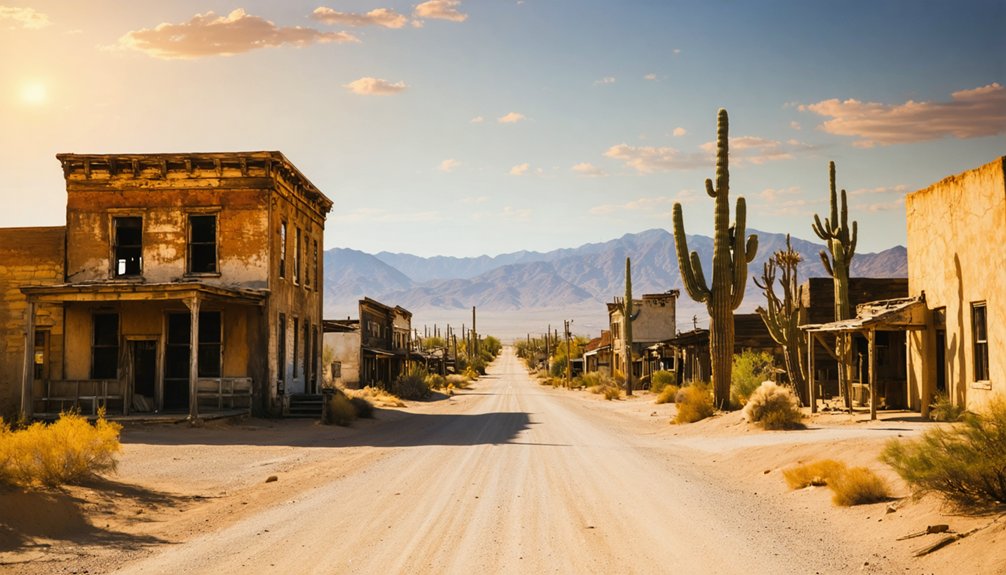
What remains in Darwin today won’t overwhelm you with grandeur, but it’ll stop you in your tracks. You’ll find weathered shacks, rusted machinery, and crumbling foundations scattered across the dusty landscape.
The Defiance smelter stands as one of the most striking industrial remnants, giving you a tangible connection to Darwin’s silver and lead mining past.
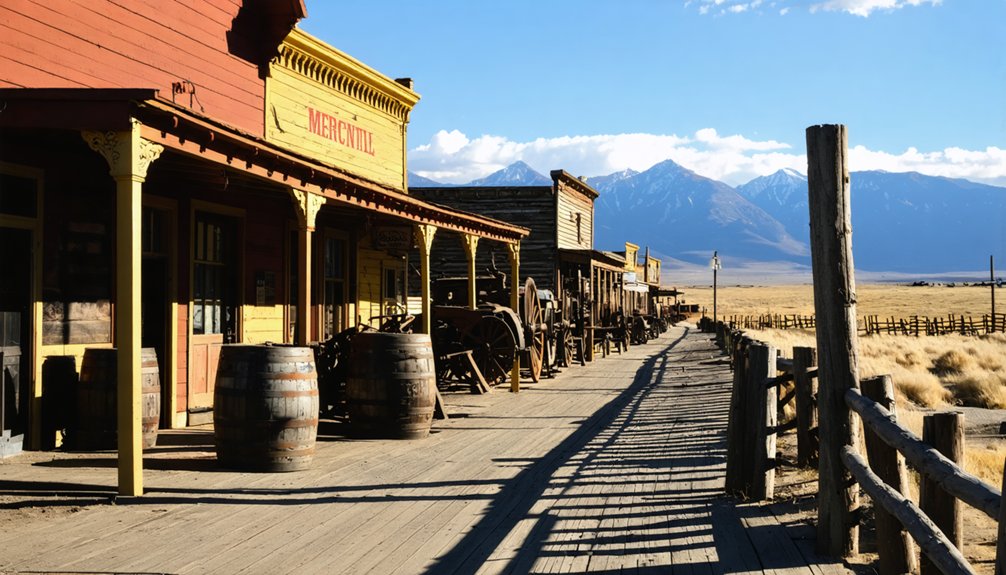
Walk the remnants of former streets and you’ll feel the weight of what this place once was. Local wildlife moves freely through the ruins now, reclaiming spaces that once housed saloons and storefronts.
Preservation efforts remain minimal, so what you’re seeing is raw and unpolished. That authenticity is exactly the point.
Darwin doesn’t dress itself up — it just stands there, honest and weathered, waiting for you to pay attention.
Which Ghost Towns Near Darwin Are Worth Adding to Your Route?
Once you’ve walked Darwin’s ruins and felt that desert stillness settle in, you’ll want to keep moving — because the surrounding region rewards the curious.
Death Valley’s edges hold several ghost towns worth folding into your route. Ballarat, southwest of Panamint Valley, carries real historical significance as a supply hub for miners and still holds crumbling adobe walls and mining remnants that feel untouched.
Cerro Gordo, perched high in the Inyo Mountains, was once California’s top silver producer — its preserved buildings and mining remnants make it one of the region’s most compelling stops.
Rhyolite, just across the Nevada border, offers striking stone ruins with strong historical significance tied to an early 1900s gold rush.
Plan fuel and water carefully — distances between these sites are unforgiving.
How Do You Get to Darwin on a Death Valley Road Trip?
Getting to Darwin requires some deliberate planning, but the route itself becomes part of the experience. You’ll drive through a stunning desert landscape that frames the region’s historical mining legacy beautifully.
Darwin sits on the western edge of Death Valley in Inyo County, so expect long stretches of open road and minimal services.
Keep these essentials in mind before you leave:
- Fuel up early — the nearest market runs about 70 miles round trip from Darwin
- Use Highway 190 as your primary corridor when approaching from the Death Valley side
- Avoid assuming easy access — a 1930s road bypass reduced Darwin’s connectivity, making navigation less obvious
Embrace the isolation. The remote drive signals that you’re leaving the ordinary behind and entering something genuinely untamed.
What Should You Pack When the Nearest Store Is 35 Miles Away?
Because Darwin sits roughly 35 miles from the nearest store, you’ll need to pack like you mean it before leaving civilization behind. The desert doesn’t forgive oversight, so load your vehicle with camping essentials: enough water for the entire trip, non-perishable food, a reliable cooler, fuel, and bedding suited for dramatic temperature swings between day and night.
Safety gear is equally non-negotiable. Carry a first aid kit, emergency flares, a charged satellite communicator, and basic tools for roadside repairs. Cell service is virtually nonexistent out here, so don’t rely on your phone for emergencies.
Think of packing as your declaration of self-sufficiency. The more prepared you are, the more freely you can explore Darwin’s ruins without anxiety pulling you back toward town.
Before You Go: Safety at Abandoned Sites
Ghost town structures have stood without maintenance for decades. Floors, stairs and roof timbers fail without warning, and a building that looks solid from outside may not hold your weight. Stay out of standing structures unless the site is actively maintained and open to visitors.
Mine workings are the more serious hazard. Vertical shafts can be hundreds of feet deep, are often unfenced, and may be hidden by brush or capped with rotted boards. Never enter an adit, tunnel or shaft: abandoned workings can hold oxygen-poor or toxic air that gives no warning before you lose consciousness.
Enclosed spaces with rodent droppings carry a risk of hantavirus, which is contracted by breathing contaminated dust. Do not sweep or stir up dust inside old cabins and outbuildings.
Cell coverage at these sites is usually poor or absent. Tell someone your route and expected return time, and carry more water than you think you need.
Frequently Asked Questions
Is It Legal to Explore and Photograph Darwin’s Private Property Ruins?
Sure, just waltz right in—said no property law ever! You must respect private property rights and support preservation efforts by always seeking permission before exploring or photographing Darwin’s ruins.
Are There Any Guided Tours Available for Visiting Darwin, California?
No guided tours exist for Darwin’s ghost town history, so you’ll explore abandoned landmarks entirely on your own terms. That raw freedom lets you wander dusty ruins and discover forgotten stories at your own pace.
What Is the Best Time of Year to Visit Darwin?
Spring and fall offer you the best balance of cool air and open roads for exploring Darwin’s historical preservation and tourist attractions — avoiding the brutal summer heat that turns this already harsh, remote desert into an unforgiving, isolating expanse.
Can You Camp Overnight Near Darwin During a Road Trip?
You can camp near Darwin, embracing freedom under vast desert skies. You’ll find spots ideal for wildlife observation and historical preservation reflection. Pack supplies, as services are scarce, but the remote solitude makes your overnight stay unforgettable.
Who Owns the Remaining Structures and Land in Darwin Today?
Like a patchwork quilt of the past, Darwin’s land ownership is a mix—you’ll find private owners, state, and county claims shaping historical preservation efforts today.
References
- https://www.sfgate.com/california/article/darwin-ghost-town-21281656.php
- https://www.legendsofamerica.com/ca-darwin/
- https://www.islands.com/1917809/darwin-california-ghost-town-disconnection-desert-art-quirky-near-death-valley-national-park-remote-charm/
- https://digital-desert.com/darwin/
- https://www.youtube.com/watch?v=AFjBVtyT9ew
- https://admin.goldenstate.is/conjuring-ghosts-darwin-california/
- https://pinintheatlas.com/travel-blogs/darwin-ghost-town/
- https://www.destination4x4.com/darwin-california-inyo-county-ghost-town/
- https://www.flickr.com/photos/matthigh/1817222239
- https://www.ghosttowns.com/states/ca/darwin.html