Planning a ghost town road trip to Fudge, Kentucky starts in Hickman, where you’ll head four miles southwest through rural backroads into Fulton County. You’re visiting a town that barely lasted a decade before geological instability and poor soil chased settlers away. Bring sturdy boots, a high-clearance vehicle, and paper maps since GPS isn’t always reliable out here. Nearby towns like Barthell and Blue Heron round out a compelling Kentucky ghost town circuit worth exploring further.
Key Takeaways
- Fudge, Kentucky, is a ghost town 4 miles southwest of Hickman in Fulton County, best visited between late April and early October.
- Bring sturdy boots, water, paper maps, and a GPS, as unpaved muddy roads require high-clearance vehicles to access the site.
- Combine Fudge with nearby ghost towns like Barthell, Blue Heron, and Golden Pond for a comprehensive Kentucky ghost town road trip.
- Photography is best before noon using wide-angle shots and natural light to capture Fudge’s atmospheric weathered structures and ruins.
- Never disturb or collect artifacts at Fudge, as doing so violates federal and state preservation laws.
What Is Fudge, Kentucky?
Tucked about 4 miles southwest of Hickman in Fulton County, Fudge, Kentucky is exactly what it sounds like: a ghost town with a name that’ll make you do a double-take on the map.
This former small community briefly came alive during the 1850s and 1860s, housing fewer than 50 residents before fading into obscurity.
Poor soil conditions, bad drainage, and unstable limestone caverns beneath the ground made farming nearly impossible, pushing settlers out within just a few years.
Today, abandoned structures dot the landscape, drawing curious travelers chasing local legends and rural history.
Some sources claim there’s nothing left to see, while others describe scattered ruins worth exploring.
Either way, Fudge earns its place on any serious Kentucky ghost town itinerary.
Why Fudge, Kentucky Was Abandoned
When you look into why Fudge failed as a settlement, you’ll find the land itself was the culprit. The soil suffered from poor drainage and high salinity, making it nearly impossible to sustain the farming the community depended on.
Beneath the surface, collapsing limestone caverns added another layer of instability, leaving residents with little reason to stay.
Poor Soil Conditions
Though Fudge had the makings of a typical mid-19th-century rural settlement, the ground beneath it fundamentally sealed its fate.
The local soil presented serious farming challenges that early settlers simply couldn’t overcome. High salinity levels stripped the land of its agricultural potential, making it nearly impossible to sustain crops long-term.
Beneath the surface, a dense limestone base contributed to poor drainage, leaving fields waterlogged and unworkable after rainfall.
Worse still, collapsing caverns underneath the settlement created an unstable foundation that threatened structures above ground.
Settlers who’d come hoping to carve out a living from the land quickly realized the earth wasn’t cooperating.
Within a few short years, the community dissolved, and people moved on, leaving Fudge to quietly disappear into the western Kentucky countryside.
Collapsing Underground Caverns
Beneath Fudge’s already troubled soil, the ground had an even more dangerous secret: a network of caverns slowly giving way under the weight of the settlement above. The limestone-rich earth that characterizes this part of Fulton County made the area especially vulnerable to geological instability.
Over time, these underground hazards created an environment where building anything permanent became a genuine risk. Cavern ceilings weakened, shifted, and collapsed, destabilizing the ground that settlers were counting on.
Combined with poor drainage and high salinity, this subterranean threat fundamentally sealed Fudge’s fate. If you’re drawn to places where nature ultimately wins, Fudge delivers that story in full.
Just understand that the same forces that emptied this town are still quietly at work beneath your feet.
What’s Left of Fudge, Kentucky Today
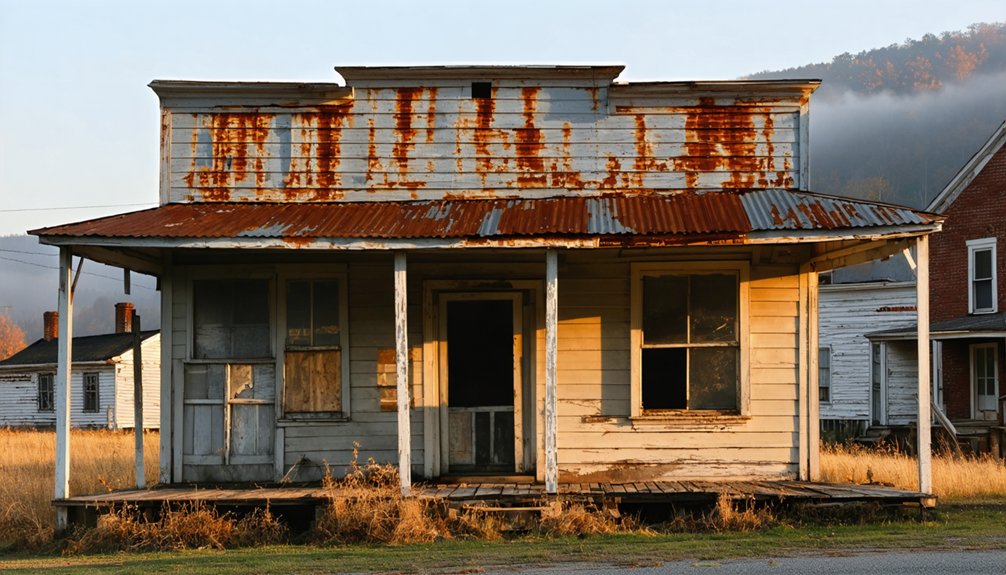
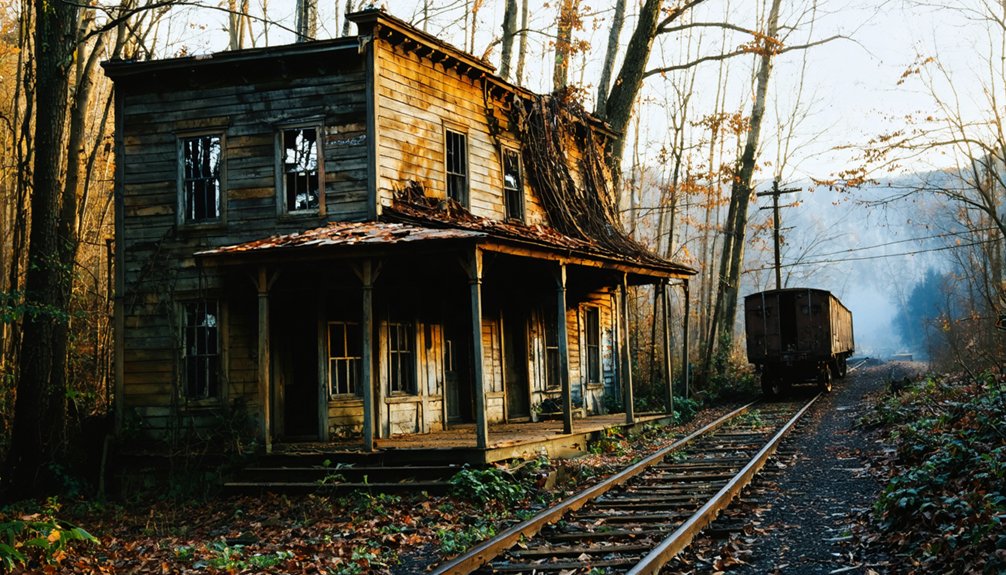
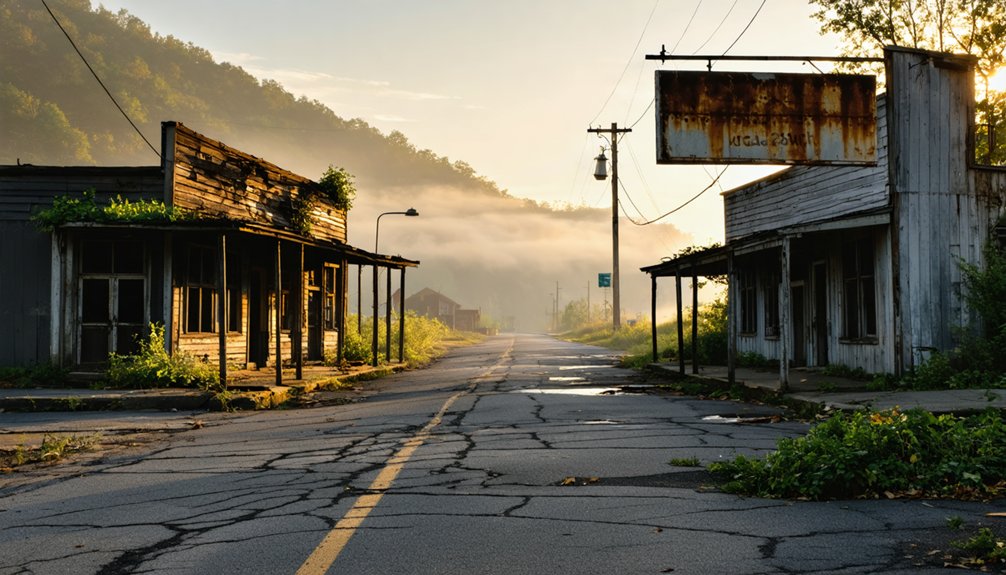
Arriving at Fudge today, you’ll find a site that resists easy description. Some visitors report abandoned structures still standing — weathered farmhouses frozen in quiet decay, their histories told through crumbling wood and broken windows.
Others arrive expecting ruins and find almost nothing at all.
That uncertainty is part of Fudge’s strange appeal. Local legends swirl around the place, and at least one source has flatly called the whole thing a hoax. You won’t find signage, visitor infrastructure, or a clear landmark confirming you’ve arrived.
What you’ll find is open rural land, silence, and a location that sparks more questions than answers. If you’re chasing genuine frontier freedom and raw, unpolished history, that ambiguity might be exactly what makes Fudge worth the detour.
How To Get To Fudge From Hickman
Once you’ve made peace with Fudge’s uncertain welcome, getting there’s pleasantly straightforward. Head southwest out of Hickman for roughly four miles, following the rural backroads through Fulton County’s open farmland. The drive itself sets the mood — flat terrain, quiet fields, and the creeping sense that local legends aren’t always buried far beneath the surface.
You won’t find polished signage pointing toward historical myths or abandoned settlements. GPS helps, but double-check your route before leaving Hickman, since rural Kentucky roads can shift between named and unnamed without warning. Tell someone where you’re headed, pack water, and keep expectations flexible.
The journey rewards curiosity over comfort. Think of it less as a destination and more as a deliberate detour into Kentucky’s quietly forgotten corners.
When To Go and How Rough the Access Really Is
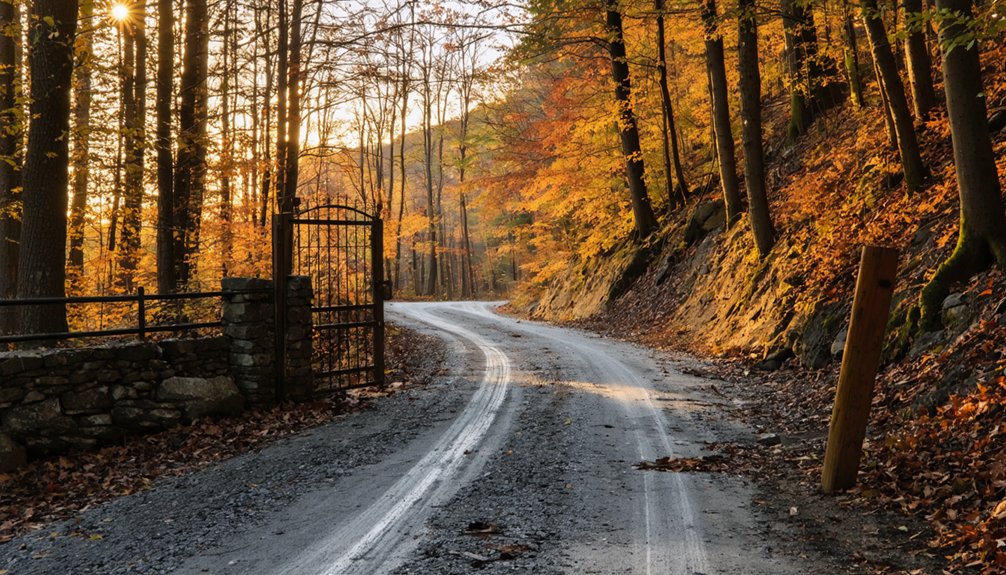
You’ll want to visit Fudge between late spring and early fall, when dry conditions make the unpaved rural roads far more forgiving and the overgrown site easier to navigate on foot.
That said, even in good weather you should expect muddy patches, uneven terrain, and zero maintained trails, so wear sturdy boots and bring water, a charged phone, and a paper map since cell service out here is unreliable.
Because conflicting accounts suggest the visible remains range from crumbling farmhouses to fundamentally nothing, pack your expectations loosely and treat the trip as an exploration rather than a guaranteed sightseeing stop.
Best Visiting Seasons
Because Fudge sits in rural Fulton County with no maintained trails, visitor infrastructure, or guaranteed road access, timing your visit matters more than you might expect for a place that’s fundamentally nothing but ruins and legend.
Spring and fall offer the clearest conditions for exploring the abandoned farmhouses and chasing local legends tied to the site’s collapse.
Summer brings dense vegetation that swallows already-faint structural remains, making it harder to read the landscape.
Winter strips the cover away but turns unpaved approaches into muddy obstacles.
Late April through early June gives you manageable ground and visible ruins before overgrowth takes hold.
Early October works equally well.
Whatever historical myths drew you here, arriving during the right season means you’ll actually see something worth the detour from Hickman.
Road And Trail Conditions
Getting the season right only matters if you can actually reach the site, and access to Fudge tests patience before you’ve seen a single crumbling wall. Rural Fulton County roads leading southwest from Hickman shift from paved to gravel to questionable dirt depending on recent rainfall.
Spring softens the ground considerably, turning low-lying stretches into muddy traps that’ll strand an unprepared vehicle fast. Summer offers the firmest conditions, though overgrown vegetation obscures what little remains.
Fall strikes the best balance between dry ground and visibility. Once you’re near the site, there are no marked trails — you’re *orienteering* on instinct and whatever local legends or historical myths you’ve gathered beforehand.
A high-clearance vehicle isn’t mandatory, but it’s strongly recommended. Pack water, download offline maps, and expect zero signage confirming you’ve arrived anywhere meaningful.
What To Bring
Packing for Fudge isn’t complicated, but it’s unforgiving if you cut corners. Wear sturdy boots — the ground shifts, and limestone cavern collapses beneath the surface make soft-soled shoes a liability. Bring water, because you’re miles from Hickman with no services nearby.
Layer up; morning fog rolls heavy across Fulton County farmland and cuts through thin jackets fast.
Your photography gear deserves serious thought. The abandoned farmhouses reward wide-angle shots and natural light, so arrive before noon when shadows stay manageable. Skip the flash — it flattens everything that makes this place haunting.
Leave historical artifacts exactly where you find them. Disturbing them strips context and breaks federal and state preservation laws. Document everything with your camera, take nothing with your hands.
Other Kentucky Ghost Towns Near Fudge Worth Visiting
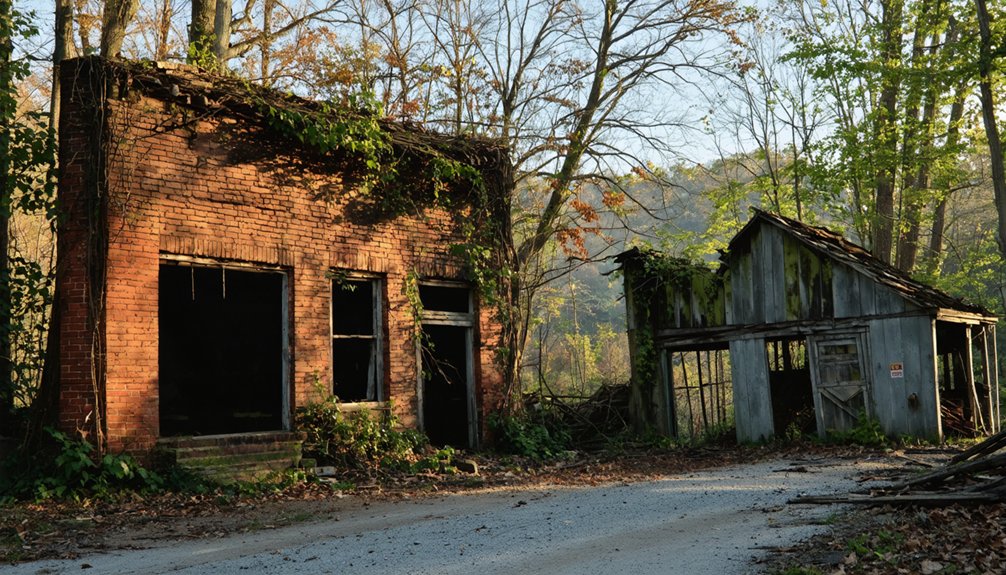
While Fudge makes for a curious detour, Kentucky’s ghost town trail doesn’t stop there—you’ll find several other abandoned communities worth adding to your itinerary.
Golden Pond, once a lively western Kentucky settlement, offers rich local legends and strong photography opportunities among its weathered remains.
Barthell, a former coal camp in McCreary County, gives you a rare glimpse into industrial-era Appalachian life, with restored structures that bring history into sharp focus.
Blue Heron, also in McCreary County, delivers striking mining-era architecture set against the Big South Fork gorge.
Each stop rewards curiosity differently, whether you’re chasing stories, capturing images, or simply exploring forgotten places.
String these sites together and you’ve got a compelling ghost town circuit across the state.
Frequently Asked Questions
Has Fudge, Kentucky Ever Appeared in Any Music Videos?
Yes, surprisingly, this forgotten ghost town’s crumbling ruins attracted music video filming! You’ll find The Flaming Lips and Big Red Bouncer made celebrity visits here, transforming Fudge, Kentucky’s eerie abandonment into hauntingly beautiful cinematic backdrops.
Is Fudge, Kentucky Considered a Hoax by Some Locals?
Yes, you’ll find local skepticism surrounding Fudge, Kentucky, as at least one source labels it a hoax. Urban legends fuel its mystique, but don’t let conflicting claims stop you from exploring this intriguing ghost town yourself.
What Was the Population of Fudge During Its Active Years?
Like a flickering flame, Fudge’s historical population never blazed bright — you’re looking at fewer than 50 residents during its active years. Demographic changes came swiftly, as abandonment extinguished the community within just a decade.
Which Other Kentucky Ghost Towns Is Fudge Commonly Grouped With?
You’ll find Fudge commonly grouped with Golden Pond, Barthell, and Blue Heron — Kentucky ghost towns that share historical preservation stories and draw curious travelers seeking unique tourist attractions that celebrate America’s forgotten, freedom-inspiring abandoned communities.
Is Fudge Better Visited as Part of a Larger Itinerary?
Like a lone puzzle piece, Fudge needs companions — yes, you’ll want to weave it into broader travel planning alongside richer local attractions. Pair it with Golden Pond or Barthell for a fulfilling Kentucky ghost town journey.
References
- http://unusualkentucky.blogspot.com/2009/05/fudge-ky.html
- https://en.wikipedia.org/wiki/List_of_ghost_towns_in_Kentucky
- https://wbkr.com/visit-these-20-creepy-kentucky-ghost-towns-for-a-halloween-road-trip/
- http://solomonjparker.blogspot.com/2011/06/ghost-towns-in-kentucky-vol-1.html
- https://www.youtube.com/watch?v=D9gOmfCuKLs
- https://www.youtube.com/watch?v=3kMLESEo6NE
- https://thoughtcatalog.com/seamus-coffey/2015/08/theres-a-town-in-kentucky-that-you-wont-ever-be-able-to-find-on-a-map-and-for-good-reason/
- http://freepages.rootsweb.com/~gtusa/history/usa/ky.htm
- https://www.youtube.com/watch?v=gELufUoh_CQ
- https://en.wikipedia.org/wiki/Category:Ghost_towns_in_Kentucky