Hayward, South Dakota sits about seven miles east of Keystone along Hermosa Road in Pennington County — an easy 2WD drive through the Black Hills. You’re visiting a town that exploded into existence in 1876, drew 300 miners within months, briefly claimed a county seat it wasn’t even legally entitled to, and then vanished almost as quickly as it appeared. Flume remnants and Rushmore Cave mark the site today, and there’s far more to this story than you’d expect.
Key Takeaways
- Hayward is located seven miles east of Keystone along Hermosa Road in Pennington County, accessible by 2WD vehicles.
- Summer offers the most predictable road conditions for visiting, making it the ideal season for your road trip.
- The site now features Rushmore Cave as its main attraction, replacing what was once an active mining town.
- Visible flume remnants from hydraulic mining operations fed by Battle Creek are the primary historical artifacts remaining.
- No preserved town layout or main street exists, so expect scattered relics rather than a structured ghost town experience.
Hayward’s Gold Rush: 300 Miners, a County-Seat Dispute, and Collapse
When gold fever swept the Black Hills in 1876, Hayward exploded onto the map with a speed that’s hard to believe today. Charles Phillips, Phillip Brown, and Judge Willis discovered gold that fall, though Indian attacks forced the original camp’s abandonment.
By November 1876, Charles Hayward and James Carpenter had platted a new town, and within six months, roughly 300 miners had poured in, adding to the mining legends already defining the region.
The momentum seemed unstoppable until April 1877, when Hayward briefly claimed status as Custer County’s temporary county seat — only to lose it after officials realized the town wasn’t actually inside Custer County. That administrative embarrassment accelerated settlement decline, and Hayward’s boom collapsed almost as fast as it began.
What Survives at the Hayward Ghost Town Site Today
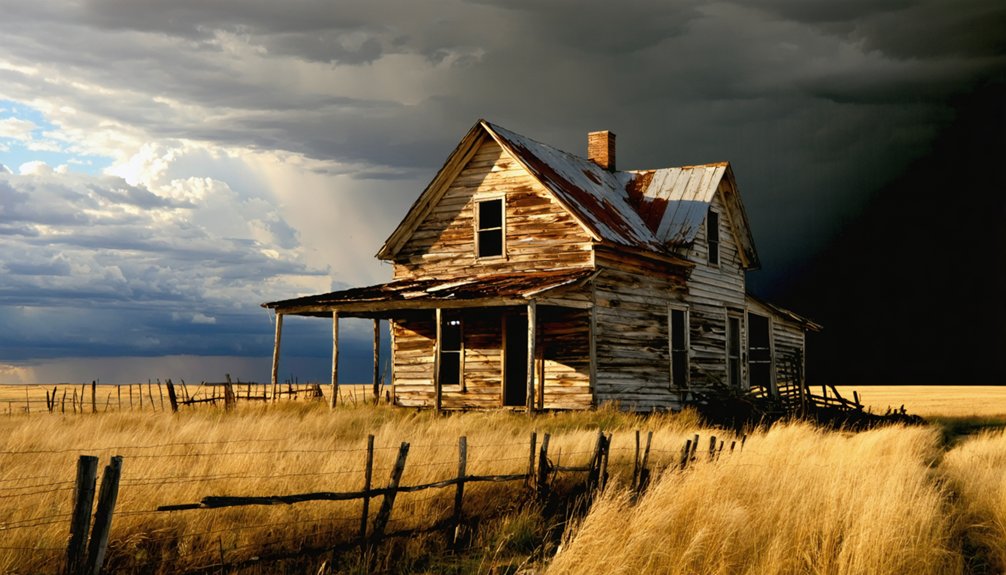
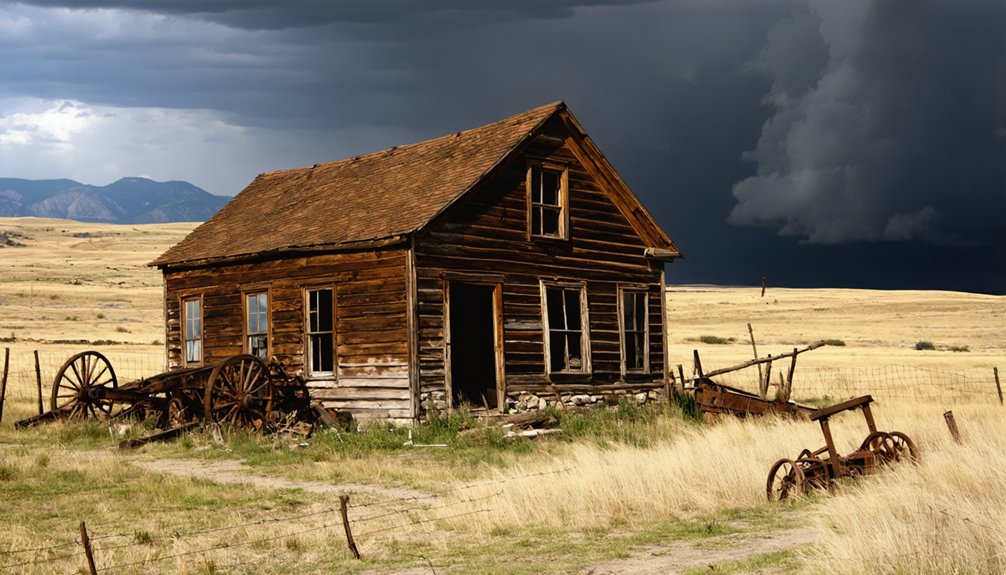
Although Hayward once bustled with 300 miners and a functioning post office, what’s left today is far quieter — and far harder to pin down. Ghost-town references describe it as semi-ghost, meaning mining relics and scattered traces still exist if you know where to look.
When you visit, here’s what you can realistically expect to find:
- Flume remnants — fragments tied to the extensive hydraulic mining system once fed by a lengthy Battle Creek pipeline
- Rushmore Cave — the modern attraction that now anchors the site where the historic landmarks once stood
- Open terrain — the southwest quarter of Section 18, stripped of any active town services
You won’t find a preserved main street, but the landscape itself tells the story.
Finding Hayward: Location and Road Access in the Black Hills
Tucked into the Black Hills travel corridor, Hayward sits about seven miles east of Keystone along the Hermosa Road in Pennington County — a straightforward drive that doesn’t require anything beyond a standard 2WD vehicle under normal conditions.
That accessibility makes it easy to fold into a broader Black Hills loop connecting Keystone, Deadwood, and other stops rich with mining legends and settlement origins.
You’ll want to plan around the seasons, though. Winter snow can complicate travel, while summer keeps the roads clear and conditions predictable.
Your best navigation anchor is the Hermosa Road itself — follow it east from Keystone, and Hayward’s former footprint emerges near what’s now the Rushmore Cave attraction.
It’s a practical, low-barrier stop that rewards curious road-trippers who enjoy tracing history through landscape.
Rushmore Cave and the Ghost Town It Replaced
What stands at Hayward’s old address today isn’t a mining camp — it’s Rushmore Cave, a polished tourist attraction that’s absorbed the ground where 300 prospectors once worked placer claims fed by a lengthy flume running down from Battle Creek.
That mining technology once powered a self-sufficient settlement with real town infrastructure — a post office, a school, and temporary county-seat authority.
Here’s what the evolution from boom camp to tourist stop actually erased:
- Active hydraulic placer operations driven by an engineered water-delivery system
- A functioning civic core with postal service and education
- A contested political identity as Custer County’s temporary seat
You’re now visiting a cave attraction, not a town. Flume remnants are the only honest witnesses left.
Black Hills Ghost Towns Worth Pairing With Hayward
Hayward sits inside a Black Hills corridor already dense with ghost-town history, so you’d be leaving easy mileage on the table if you treated it as a standalone stop.
Hayward fits inside a corridor too rich to rush — treat it as a standalone stop and you’re leaving history behind.
Keystone sits just seven miles west and connects directly to Deadwood, a town overflowing with historical anecdotes about gambling, gunfighters, and gold. Each site adds a different layer to the region’s story.
Deadwood scaled up quickly with sophisticated mining technology, while smaller camps like Hayward relied on hydraulic systems and flume networks. Pairing these stops lets you trace how mining ambition played out at different scales across the same hills.
Plan your route along Hermosa Road, link the stops deliberately, and you’ll cover serious Black Hills history without doubling back or wasting a single mile.
Frequently Asked Questions
What Is the Best Time of Year to Visit Hayward?
Like Steinbeck’s open road calling, summer’s your sweet spot. You’ll dodge winter’s snow, enjoy prime seasonal weather, catch stunning wildlife viewing, and freely explore Hayward’s gold-rush remnants with ease on the Hermosa Road.
Is Hayward Suitable for Families With Young Children?
Yes, Hayward’s open landscapes offer family friendly activities like exploring ghost-town remnants near Rushmore Cave. Follow child safety tips by supervising kids around old mining areas, and you’ll create unforgettable Black Hills adventures together.
Are There Any Entrance Fees to Visit the Hayward Ghost Town?
You won’t find any entrance fees or access restrictions at Hayward’s ghost town remnants. You’re free to explore this open historic site, though you’ll want to check Rushmore Cave’s separate admission if that’s part of your adventure.
How Long Should Visitors Plan to Spend at Hayward?
Plan for about an hour at Hayward — you’ll want time to explore historical artifacts, soak in the rugged atmosphere, and capture photography opportunities among the remnants of this fascinating 1876 gold-rush settlement before hitting your next stop.
Is Camping Available Near the Hayward Ghost Town Site?
Camping options aren’t available directly at the site, but you’ll find nearby accommodations and campgrounds around Keystone that’ll fuel your freedom-seeking adventure before you explore Hayward’s mysterious, gold-rush remnants just seven miles away.
References
- https://en.wikipedia.org/wiki/List_of_ghost_towns_in_South_Dakota
- https://www.travelsouthdakota.com/trip-ideas/abandoned-beauty-ghost-towns-structures-south-dakota
- https://www.youtube.com/watch?v=_0WNYsFLSLA
- https://takemytrip.com/2016/08/ardmore-south-dakota-ghost-town-and-route-71/
- https://www.ghosttowns.com/states/sd/hayword.html
- https://www.youtube.com/watch?v=kpkBy_2SxlA
- https://www.sdhspress.com/journal/south-dakota-history-2-2/some-black-hills-ghost-towns-and-their-origins/vol-02-no-2-some-black-hills-ghost-towns-and-their-origins.pdf