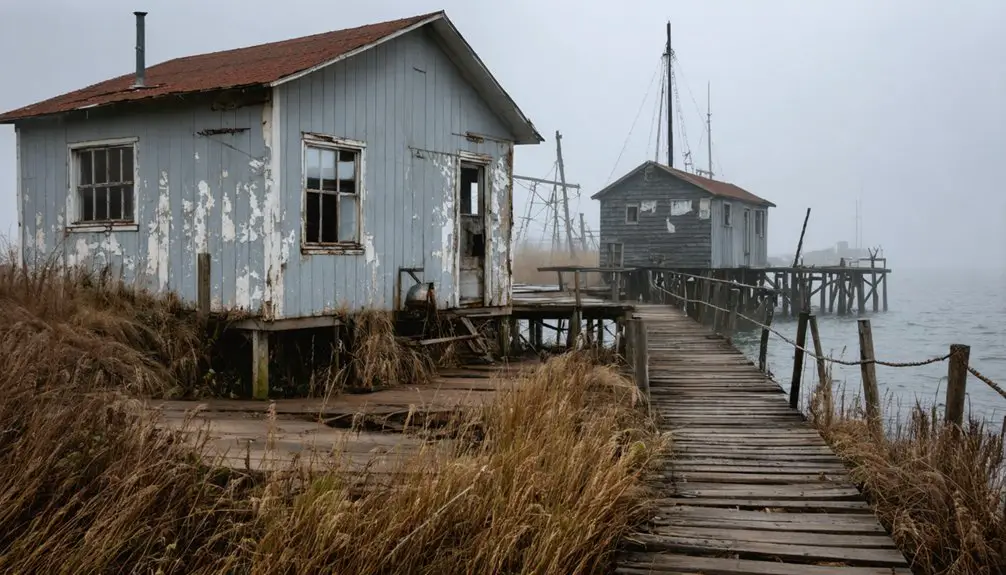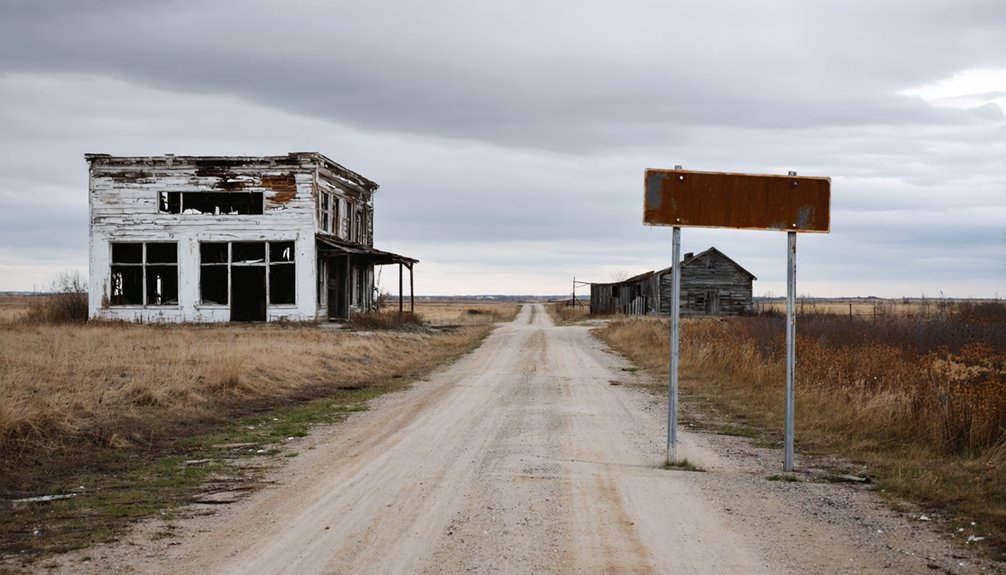
Planning a ghost town road trip to Helena, Wisconsin drops you into the forgotten bones of a 19th-century lead mining settlement along the Wisconsin River. You’ll explore a rare, preserved lead shot tower, weathered cemetery stones, and crumbling ruins without paying a single admission fee. Helena boomed fast, then emptied just as quickly once the railroad bypassed it. There’s more to this haunting place than it first appears, and every ruin tells part of the story.
Key Takeaways
- Helena, Wisconsin, located near Arena in Iowa County, sits along the Wisconsin River and offers free, open access with no admission fees.
- The best times to visit are late spring through early fall, with May through September offering ideal weather and scenic conditions.
- Key landmarks include the preserved lead shot tower, an old cemetery, abandoned buildings, and remnants of historic transportation routes.
- Pack sturdy boots, insect repellent, water, layered clothing, and a charged phone for safe, comfortable exploration of the ruins.
- Combine your visit with nearby stops like Spring Green, Tower Rock, and the Lower Wisconsin State Riverway for a fuller road trip.
What Makes Helena, Wisconsin a True Ghost Town?
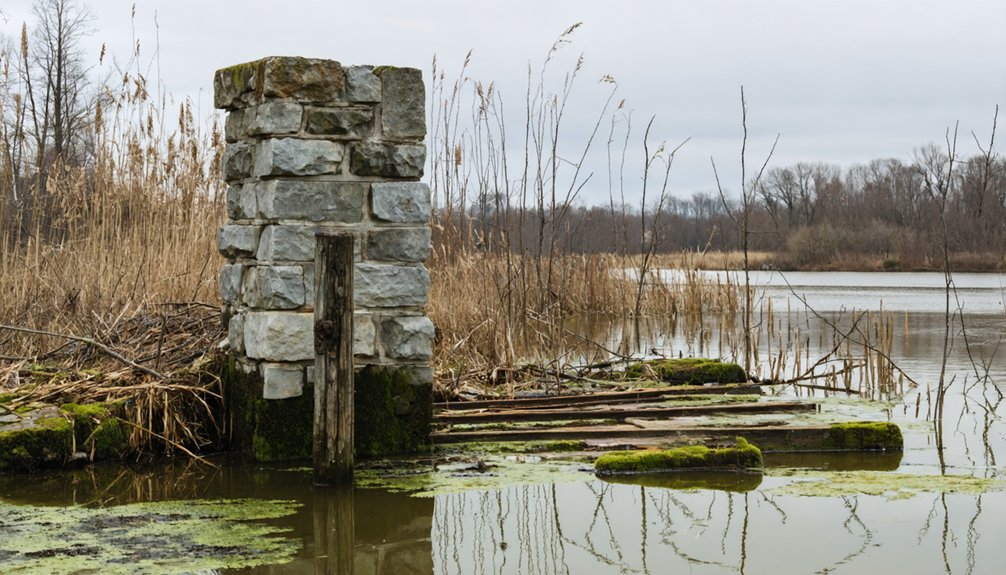
When most people picture a ghost town, they imagine a place completely swallowed by time — but Helena, Wisconsin tells a more nuanced story. Classified as one of Wisconsin’s 13 real ghost towns, Helena sits along the Wisconsin River in Iowa County, quietly holding onto its past.
You’ll find abandoned buildings, an old cemetery, and the remarkably preserved Helena shot tower — the best example of its kind in the United States. Preservation efforts have kept this tower standing as a symbol of Helena’s lead industry roots.
Local legends surrounding the Black Hawk War of 1832 and the railroad’s fateful bypass add layers to the town’s identity. Helena isn’t completely gone — it’s simply waiting for explorers like you to rediscover it.
Why Helena Boomed, Then Emptied Out
Helena’s story begins with lead — miners flooded the region in the 1830s, and the Wisconsin River crossing made Helena a natural hub for processing and shipping ore.
Then the railroad arrived and chose a different route, bypassing the town entirely and cutting off its economic lifeline.
With the lead industry already fading, residents packed up and moved on, leaving Helena to the weeds and the river.
Lead Rush Fuels Growth
During the early 1830s, lead ore pulled from surrounding mines made Helena a critical stop along the Wisconsin River, transforming a quiet river bend into a bustling industrial hub. Miners and workers flooded the settlement, drawn by the promise of prosperity tied directly to the lead trade.
You can still feel the historical significance of that era when you stand near the shot tower, one of the most remarkable industrial relics surviving from that period. Workers processed raw lead here, converting it into ammunition that supplied a growing nation.
Helena wasn’t just a waypoint — it was a powerhouse. The river carried commerce, ambition, and momentum through every season. That energy built real infrastructure, real wealth, and a community that burned bright before circumstances slowly stripped it bare.
Railroad Bypass Triggers Decline
The same river that carried Helena’s lead downstream couldn’t save it when the railroad chose a different path. When rail lines bypassed Helena entirely, the town lost its economic lifeline almost overnight. Businesses shuttered, families packed up, and by the mid-1860s, only 50 residents remained.
You’ll notice the consequences firsthand when you visit — nature reclaimed what people abandoned. Yet Helena’s story didn’t disappear completely. Its historical preservation efforts kept the shot tower standing, giving you a rare look at architectural remnants that most ghost towns can’t offer.
The railroad’s decision fundamentally handed Helena a death sentence, but it also froze the town in time. That’s exactly why you’re planning this road trip — to walk through history that progress forgot.
Industry Collapse Empties Town
What turned a thriving river town into a hollow shell? Helena’s collapse wasn’t sudden — it was a series of blows that gutted the community:
- Lead mining declined, eliminating Helena’s primary economic purpose
- The railroad bypass cut off commerce and growth opportunities
- Residents relocated to better-connected, more prosperous towns
- Nature reclaimed buildings, streets, and livelihoods almost entirely
By the mid-1860s, only 50 residents remained. You can still feel that eerie stillness when you visit today.
Historical preservation efforts kept the shot tower standing, letting you witness what local legends describe as Wisconsin’s most dramatic industrial ghost story.
Helena didn’t just empty — it froze in time. That’s exactly why exploring it feels less like sightseeing and more like stepping into a forgotten chapter of American frontier history.
The Lead Shot Tower That Survived Helena’s Decline
Standing tall above Helena’s ruins, the shot tower is the town’s most remarkable survivor — a massive stone structure that still pierces the skyline centuries after the community around it crumbled.
Workers once climbed to the top, pouring molten lead through the open air, letting gravity shape each droplet into a perfect sphere before it cooled into ammunition.
Molten lead fell through open air, gravity alone coaxing each drop into a perfect sphere of ammunition.
This lead processing method was central to 19th-century mining techniques, turning raw ore into usable shot with remarkable efficiency.
You’re looking at the best-preserved lead shot tower in the entire United States.
While Helena’s population vanished and its buildings surrendered to nature, this tower refused to fall.
It stands as your most compelling reason to make the drive out to Iowa County and see history firsthand.
Every Ruin, Grave, and Structure Still Standing at Helena
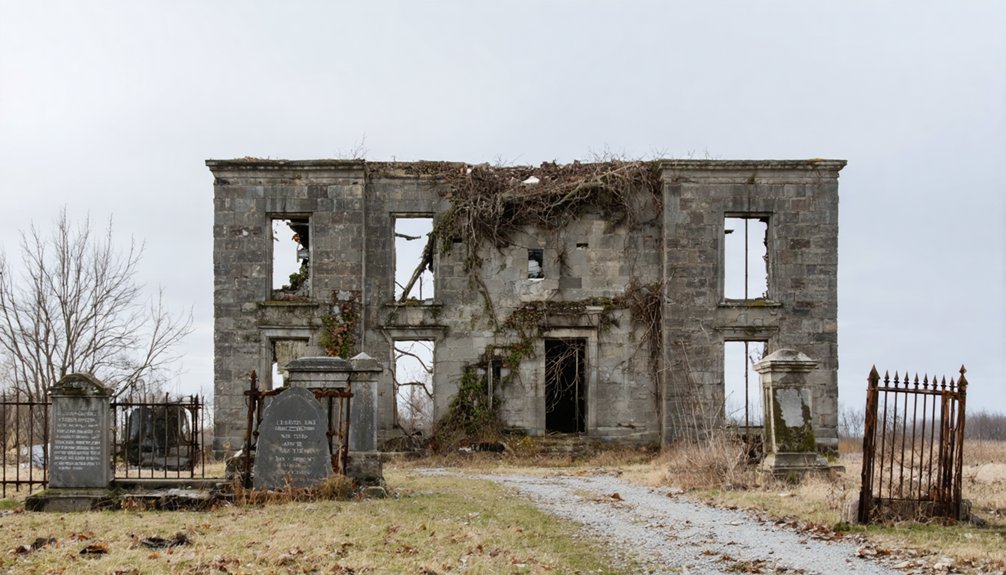
Beyond the shot tower, Helena still holds a handful of remnants worth seeking out. Local legends say these ruins whisper stories of ambition, industry, and sudden abandonment. Preservation efforts have kept some structures recognizable, letting you piece together what life once looked like here.
Here’s what you’ll find on the ground:
- The old town cemetery – weathered stones mark lives tied to Helena’s brief glory
- Abandoned buildings – skeletal structures scattered across the overgrown landscape
- River crossing remnants – traces of where lead ore once moved through
- Railroad bridge site – the spot that sealed Helena’s fate when trains bypassed it
Walk slowly, look carefully, and let the site speak. You’re standing inside a real chapter of Wisconsin history.
How Helena Compares to Other Wisconsin Ghost Towns
Helena isn’t the only Wisconsin ghost town worth knowing, but it stands out in ways that matter. While Belmont briefly served as the state’s capital for 46 days and Pendarvis tells the story of Cornish immigrant life, Helena offers something rarer — a tangible, walk-through piece of industrial history.
Its shot tower remains the best-preserved example in the entire country, making it one of Wisconsin’s most significant tourist attractions. Chippewa City disappeared completely, leaving nothing behind. Helena didn’t.
Dover faced the same railroad bypass that doomed Helena, yet Helena’s historical preservation efforts kept its story alive. If you’re mapping out a ghost town road trip, Helena earns a top spot not just for its ruins, but for what those ruins still quietly teach you.
Is Helena, Wisconsin Worth the Drive?
If you’re debating whether Helena deserves a spot on your road trip itinerary, the answer is straightforward — it does. Its historical preservation and cultural significance make it genuinely compelling. Here’s what you’ll gain from the drive:
- Witness the best-preserved lead shot tower in the United States
- Explore an authentic 19th-century ghost town still standing against time
- Connect with Wisconsin’s lead industry history through real remnants, not replicas
- Roam freely through an open site without crowds or admission fees
Helena rewards curious travelers who appreciate raw, unpolished history. You won’t find tourist traps here — just stone structures, an old cemetery, and stories carved into a river bend. Pack your camera and go explore it yourself.
How to Get to Helena in Iowa County
Getting to Helena is straightforward once you know where you’re headed. Start by navigating to the town of Arena in Iowa County, Wisconsin. From there, follow local roads toward the Wisconsin River, where the community sits along a historic bend that locals still talk about with reverence.
You’ll find the site near where an old railroad bridge once stood, a reminder of the infrastructure decisions that sealed Helena’s fate. Local legends about lead miners and river traders make the drive feel like more than just a trip—it’s a journey into Wisconsin’s industrial past.
Preservation efforts have kept key landmarks accessible, including the iconic shot tower. There’s no complex trail system, just open road, river air, and history waiting for you to explore it on your own terms.
The Best Time of Year to Visit Helena
Late spring through early fall gives you the best window to explore Helena, when mild temperatures and dry conditions make walking the site comfortable and rewarding. Each season offers something distinct for those chasing history and local legends:
- May: Wildflowers frame the shot tower, and crowds haven’t arrived yet.
- June–July: Long daylight hours maximize your exploration time across the ruins and cemetery.
- August: Warm evenings invite quiet reflection on Helena’s faded past and historical preservation efforts.
- September: Cooler air and fall colors make photography stunning around the stone structures.
Avoid winter visits since snow obscures remnants and river flooding creates access issues. You’ll connect most deeply with Helena’s story when the landscape is open, walkable, and fully visible.
What to Bring for Exploring Helena’s Outdoor Site
Exploring Helena’s outdoor site rewards preparation, so pack thoughtfully before you head out. Wear sturdy boots since uneven terrain, overgrown paths, and scattered remnants of abandoned buildings demand solid footing.
Preparation pays off at Helena — sturdy boots are non-negotiable when navigating uneven terrain and abandoned building remnants.
Bring layers, as Wisconsin River breezes shift unpredictably regardless of season.
Carry water, snacks, and a fully charged phone for navigation and photography. A small backpack keeps your hands free while you document historical artifacts like the preserved shot tower and old cemetery markers. Don’t forget insect repellent during warmer months when vegetation thickens across the site.
A notebook helps you capture local legends and observations you’ll want to remember later. Binoculars let you study architectural details from safe distances.
Respect the site by leaving everything exactly as you find it, preserving Helena’s history for future explorers.
Wisconsin River Stops Worth Pairing With Helena
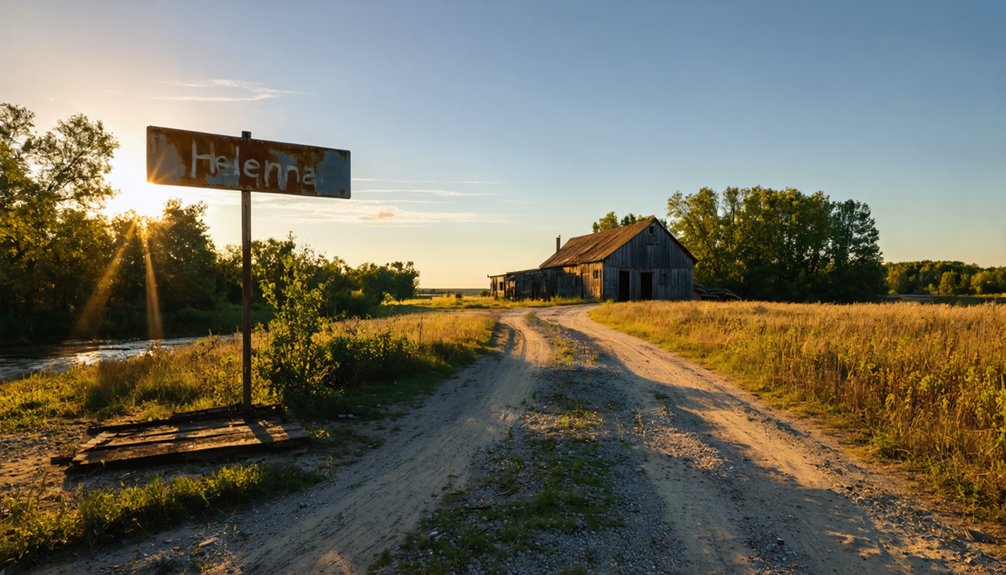
While you’re in the area, the Wisconsin River offers several scenic stops worth adding to your itinerary. You can explore the riverbanks near Helena’s old crossing, where the same waters once carried lead shipments downstream to broader markets.
Pairing Helena’s ghost town history with the river’s natural beauty gives you a richer picture of how this waterway shaped the region’s rise and fall.
Nearby River Attractions
Helena sits along a stretch of the Wisconsin River that rewards curious travelers with more than just ghost town history. The surrounding river ecosystems teem with wildlife, and boating opportunities let you explore the water on your own terms.
Pair your visit with these nearby stops:
- Tower Rock – A dramatic sandstone formation rising from the river’s edge
- Wisconsin River Canoe Routes – Paddle through undisturbed stretches of natural corridor
- Arena Ferry Crossing Area – A historic river access point close to Helena’s original settlement
- Lower Wisconsin State Riverway – Protected land offering hiking, fishing, and open skies
You’re free to move at your own pace here, connecting river history with living landscape in a single road trip.
Scenic Wisconsin River Stops
Why stop at Helena when the Wisconsin River keeps rewarding you mile after mile? Stretch your road trip beyond the shot tower and follow the river to spots steeped in local legends and striking historic architecture.
Spring Green sits just downstream, offering a dramatic bluff landscape and Frank Lloyd Wright’s Taliesin estate.
Prairie du Sac delivers riverside parks where you can watch eagles soar above the current.
Muscoda celebrates morel mushrooms and small-town charm that feels untouched by time.
Each stop connects you to communities that once thrived on this same waterway Helena depended on. You’ll trace a living corridor of Wisconsin history, where the river shaped industries, towns, and stories that still echo today.
Pack light, drive slow, and let the river lead.
Frequently Asked Questions
Is There an Admission Fee to Visit the Helena Ghost Town Site?
“The best things in life are free!” You don’t pay admission to explore Helena’s ghost town. However, respect historical preservation efforts and mind visitor safety while freely wandering abandoned buildings, the shot tower, and old cemetery ruins.
Are Pets Allowed When Exploring the Helena Ghost Town Area?
The knowledge doesn’t specify pet policies, so you’ll want to confirm locally before visiting. For pet safety, keep your furry companion on a leash, following standard leash regulations while you’re exploring Helena’s fascinating historical remnants freely.
Can Visitors Legally Take Artifacts or Souvenirs From Helena’s Ruins?
Like a treasure chest sealed by history, you can’t pocket Helena’s past. Artifact restrictions and souvenir policies prohibit removing anything from the ruins — leave what you find so others can experience the same freedom of discovery.
Is the Helena Site Accessible for Visitors With Mobility Challenges?
Helena’s mobility access isn’t ideal — you’ll find uneven terrain and natural paths that aren’t wheelchair friendly. You can still explore parts of the historic site, but prepare for rugged conditions that’ll challenge your adventurous spirit!
Are Guided Tours Ever Available at the Helena Shot Tower Site?
Like Sherlock seeking hidden truths, you’ll find guided tour availability at Helena’s shot tower remains limited. For historical preservation efforts and current tour schedules, you should actively contact Iowa County’s local historical society directly.
References
- https://www.youtube.com/watch?v=kG-k_9O1OTE
- https://theazjones.com/the-ghost-town-of-helena-california/
- https://www.roamingnearandfar.com/montana-ghost-towns-near-helena/
- https://lakecountrytribune.com/exploring-the-haunting-echoes-of-wisconsins-ghost-towns/
- https://lynette707.wordpress.com/2011/07/19/ghost-town-of-helena-just-west-of-weaverville/
- https://urbexunderground.com/ghost-towns-in-wisconsin/
- https://en.wikipedia.org/wiki/Helena
- https://www.youtube.com/watch?v=WEtw9TN-AeQ