Lone Star, Kansas isn’t your typical ghost town — you won’t find crumbling saloons or dusty storefronts here. Located just 30 minutes southwest of Lawrence, it’s a quiet stretch of farmland anchored by a historic Church of the Brethren and a stunning 185-acre lake built by New Deal laborers. The town’s post office closed in 1953, but its stories didn’t. Stick around, and you’ll uncover layers of history that make this understated destination worth every mile.
Key Takeaways
- Lone Star, Kansas, located 7 miles southwest of Lawrence, is a former 1854 pro-slavery settlement now absorbed into surrounding farmland.
- The town’s official presence ended in May 1953 when its post office closed, leaving scattered farmsteads and open countryside behind.
- The historic Lone Star Church of the Brethren remains a key landmark and ideal first stop on any ghost town visit.
- Lone Star Lake Park, built by the Civilian Conservation Corps between 1934–1940, preserves stone structures and offers camping, fishing, and kayaking.
- The full trip from Lawrence takes under 30 minutes, making Lone Star perfect for a half-day history and outdoor recreation excursion.
What Lone Star, Kansas Looks Like Today
Today, Lone Star looks nothing like a traditional ghost town you’d stumble across in the American West. There are no crumbling storefronts or dusty saloons waiting for you here. Instead, you’ll find scattered farmsteads, open countryside, and the historic Lone Star Church of the Brethren anchoring what remains of this community heritage site.
Lone Star sits about 7 miles southwest of Lawrence, officially absorbed into the city but still feeling distinctly rural. It’s a place where historical preservation shows up quietly — in a church still standing, in the land itself, and in the stories attached to it.
Don’t expect a dramatic landscape. Expect something subtler: a vanished town you can still feel if you pay close enough attention.
From Pro-Slavery Settlement to Kansas Ghost Town
Lone Star’s story starts in 1854, when pro-slavery settlers from the South staked their claim to this stretch of Douglas County during one of Kansas’s most politically volatile periods. That founding tension set the tone for a community that would spend the next century quietly fading.
A post office opened under the name Bond in 1875, later reopened as Lone Star in the 1890s, and finally closed in May 1953. With that closure, the town’s official presence effectively vanished.
Today, historical preservation efforts keep local legends and scattered details alive, but there’s no downtown, no commercial strip, and no formal marker welcoming you in. What remains is a feeling — rural, unhurried, and worth understanding before you explore the land it shaped.
Outdoor Recreation at Lone Star Lake Park
What once served as a Civilian Conservation Corps work camp between 1934 and 1940 is now Lone Star Lake Park, a 422-acre Douglas County property built around a 185-acre man-made lake formed by damming Washington Creek.
You’ll find a swim beach, boat ramp, campsites, playgrounds, and shelter areas ready for a relaxed visit.
The lake draws kayakers, canoeists, paddleboarders, and anglers looking to escape on their own terms.
Spring and summer bring wildflower blooms along the park’s rural edges, adding color to the surrounding farmland scenery.
Dedicated birdwatching spots around the shoreline reward patient visitors with sightings across multiple species.
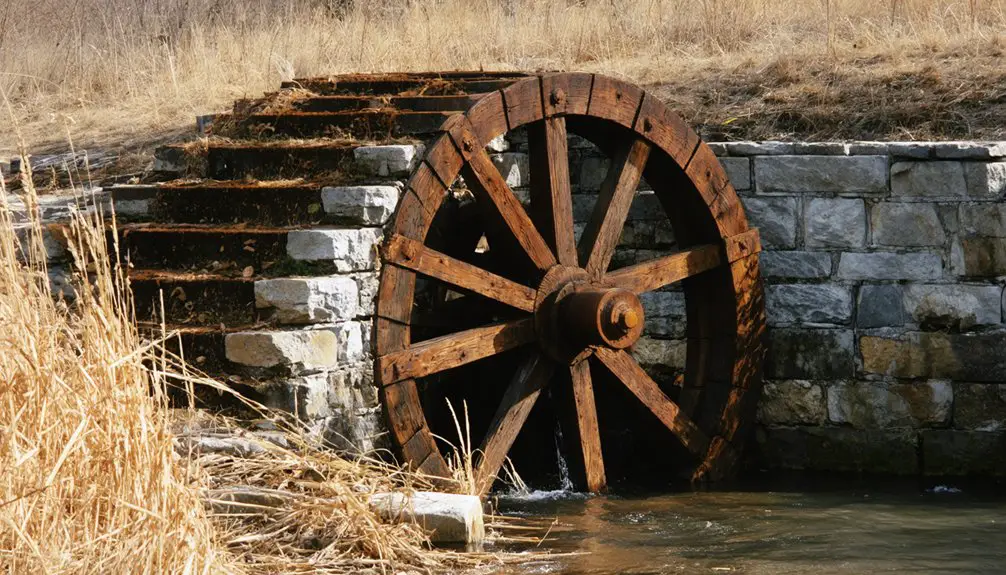
Stone remnants of the original CCC camp, including a water tower, fireplaces, and a staircase, give the park a layered history worth exploring beyond the water.
The CCC Camp That Built Lone Star Lake
Between 1934 and 1940, the Civilian Conservation Corps transformed a stretch of rural Douglas County into what you see at Lone Star Lake Park today. Working under the Kansas Forestry, Fish and Game Commission, CCC crews dammed Washington Creek and built the infrastructure that still defines this park.
Today’s campground sits on the former CCC camp itself, and you’ll notice remnants if you look closely. A stone water tower, original fireplaces, a firepit, and a staircase survive as quiet monuments to that New Deal era. These details reward visitors who care about historic preservation and hands-on American history.
The Civilian Conservation Corps left behind more than a lake here — they left a working landscape you can still explore, camp beside, and genuinely appreciate on your own terms.
Your Lone Star Road Trip From Lawrence
Getting to Lone Star from Lawrence takes less than 30 minutes, making this an easy half-day road trip or a worthwhile detour if you’re already exploring Clinton Lake. Head southwest on county roads through open farmland, and you’ll quickly leave the city behind.
Your first stop should be the Lone Star Church of the Brethren, one of the few surviving examples of historical architecture still anchoring the old townsite.
From there, follow the road toward Lone Star Lake Park at 665 East 665 Road.
Along the way, locals share stories and local legends tied to the community’s pro-slavery founding and Civil War-era tensions.
End your visit at the lake, where the CCC-built dam and stone remnants reward anyone who values history alongside outdoor recreation.
Frequently Asked Questions
Is There an Entrance Fee to Access Lone Star Lake Park?
The knowledge doesn’t confirm an entrance fee, but you’ll find Lone Star Lake Park worth exploring for its Ghost town attractions and rich Lone Star history, from CCC remnants to peaceful lakeside recreation awaiting your adventurous spirit.
Are Pets Allowed at Lone Star Lake Park Campground?
The knowledge base doesn’t confirm pet policies, so you’ll want to contact Douglas County directly before heading out. Always review camping regulations ahead of time to guarantee pet safety and plan a smooth, worry-free stay!
Can You Rent Kayaks or Canoes at Lone Star Lake?
The knowledge base doesn’t confirm kayak rentals or canoe rentals at Lone Star Lake. You’re welcome to bring your own kayak or canoe and enjoy paddling freely across this peaceful 185-acre lake yourself!
What Is the Best Time of Year to Visit Lone Star?
Late spring and early fall offer you the best seasonal weather for exploring Lone Star. You’ll enjoy mild temperatures, vibrant scenery, and excellent wildlife viewing around the lake before summer crowds or winter chill arrive.
Are There Any Dining Options Near Lone Star Lake Park?
Like a frontier explorer living off the land, you’ll pack your own provisions here. Local dining spots are scarce near Lone Star Lake Park, so use the picnic area amenities and bring your own feast from Lawrence.
References
- https://legendsofkansas.com/lone-star-kansas/
- https://www.watkinsmuseum.org/2022/06/lone-star-lake-history-with-a-waterfront-view/
- https://simple.wikipedia.org/wiki/Lone_Star
- https://legendsofkansas.com/kansas-ghost-town-list/
- https://www.ghosttowns.com/states/ok/lonestar.html
- https://en.wikipedia.org/wiki/Lone_Star
- https://kansas-lakes.com/small-lakes/lone-star-lake/
- https://en.wikipedia.org/wiki/Arena_Football_Association
- https://ecampusontario.pressbooks.pub/gned1478/chapter/lone-star/
- https://michael-hankins.com/2025/08/30/worse-than-nowhere/