Start your road trip in San Andreas and follow Mountain Ranch Road to Calaveritas Road — it’s only 3.5 to 5 miles, but you’ll travel deep into Gold Rush history. Lower Calaveritas once packed 800 residents into saloons, fandango halls, and gambling houses before two devastating fires erased nearly everything. Today, you’ll find the Luigi Costa Store, crumbling adobe walls, and a landscape frozen in abandonment. There’s far more to this story than silence suggests.
Key Takeaways
- Start your road trip in San Andreas, taking Mountain Ranch Road to Calaveritas Road, covering roughly 3.5 to 5 miles total.
- Look for the Luigi Costa Store, built in 1852, as the only surviving historic structure from Calaveritas’ boomtown era.
- Watch for collapsed adobe walls, stone monuments, and mining archaeology that reveal the town’s multicultural Gold Rush history.
- Two devastating fires in 1858 and 1865 destroyed most of the town, explaining the sparse but historically rich remains visible today.
- Extend your trip by visiting nearby ghost towns like Mokelumne Hill and Murphys for a fuller Gold Rush experience.
What Lower Calaveritas Was: and Why It Mattered in the Gold Rush
When Mexican miners staked their claim along Calaveritas Creek in 1849, they weren’t just digging for gold—they were planting the seed of one of the Gold Rush’s most electric and volatile camps.
Lower Calaveritas grew fast and burned hotter than most. Their cultural influences shaped everything from mining techniques to the fandango halls that lit up the hillsides at night.
Calaveritas at Its Peak: Saloons, Fandango Halls, and 800 Residents
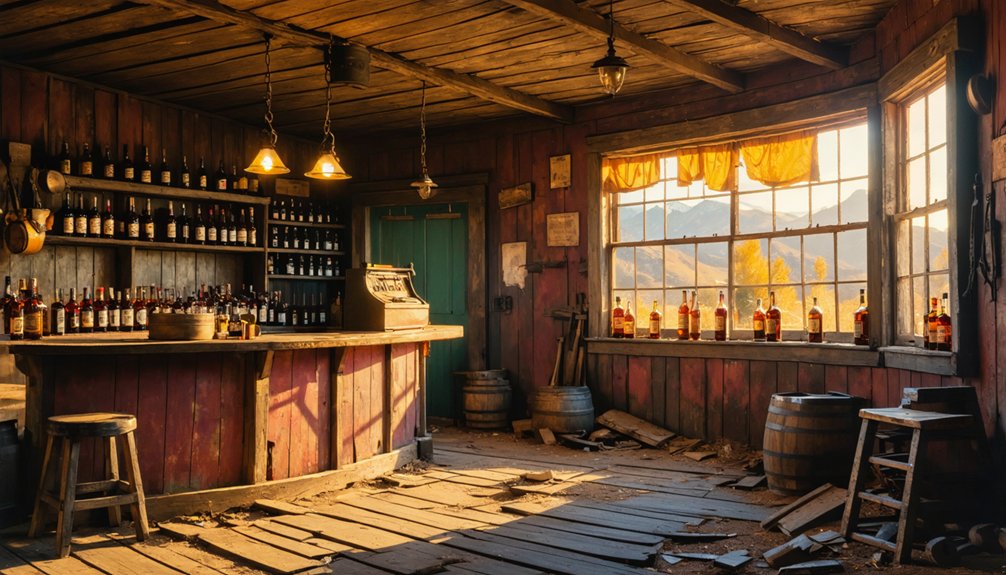
By the mid-1850s, that volatile seed had grown into something genuinely rowdy. Calaveritas had livery stables, butcher shops, saloons, gambling houses, and fandango halls drawing miners fresh from the creek beds.
Cultural influences ran deep here — Mexican prospectors had pioneered the mining techniques that shaped early placer operations, and Chinese laborers later worked claims others had abandoned. You’d have found 800 residents packed into a mountain canyon, spending hard-won gold as fast as they pulled it from the gravel.
The fandango halls kept things loud after dark. Stores and restaurants kept bodies fueled for brutal days of digging. It wasn’t refined — it was alive. That restless, multicultural energy made Calaveritas one of the more vivid boomtowns in Calaveras County’s crowded Gold Rush story.
How to Get to Lower Calaveritas From San Andreas
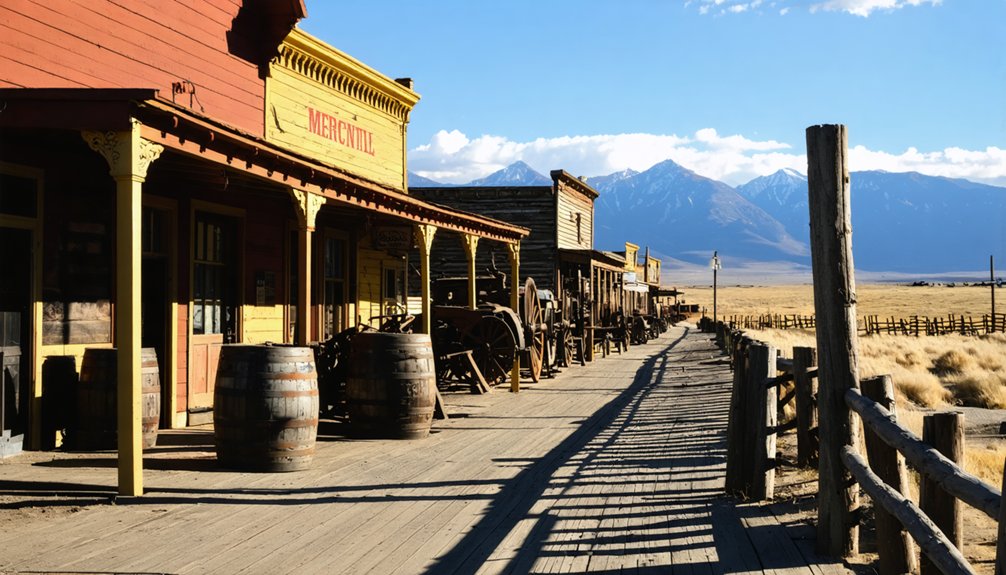
Getting to Lower Calaveritas from San Andreas is a short but telling drive — the kind that shifts you from the present into Gold Rush country almost without warning. Head out on Mountain Ranch Road, then turn onto Calaveritas Road, and you’ll cover roughly 3.5 to 5 miles before the landscape starts whispering its history.
The creek running alongside — also called O’Neil Creek — once drew Mexican miners in 1849 who worked it with rudimentary mining techniques that shaped the entire region. You’re moving through one of California’s most storied corridors, where historical landmarks anchor the route with real weight.
Keep your eyes open. The road itself traces the bones of a boomtown that burned, faded, and refused to be completely forgotten.
The 1858 Fire That Ended Calaveritas’ Glory Days
On August 3, 1858, fire tore through Calaveritas and leveled 51 buildings, erasing more than $35,000 worth of the town in a single night. The timing couldn’t have been worse. The placers were nearly played out, and the mining techniques that had once rewarded thousands of prospectors — Mexican, Chinese, and American alike — were yielding diminishing returns.
The cultural influences that had shaped Calaveritas into a vibrant, diverse boomtown simply couldn’t anchor a rebuild when the gold was gone. Most miners packed up and chased richer diggings elsewhere.
A second fire in 1865 sealed the town’s fate. When you walk through what remains today, you’re standing inside that silence — a landscape that boom, fire, and exhaustion left behind.
What You’ll Actually See at the Ghost Town Today?
What silence leaves behind, the land quietly holds. When you arrive in Calaveritas today, don’t expect a preserved movie-set ghost town. Instead, you’ll encounter something rawer and more honest.
The Luigi Costa Store, built in 1852, stands as the sole surviving example of historic architecture from the Gold Rush era. A stone monument nearby anchors the story for curious visitors.
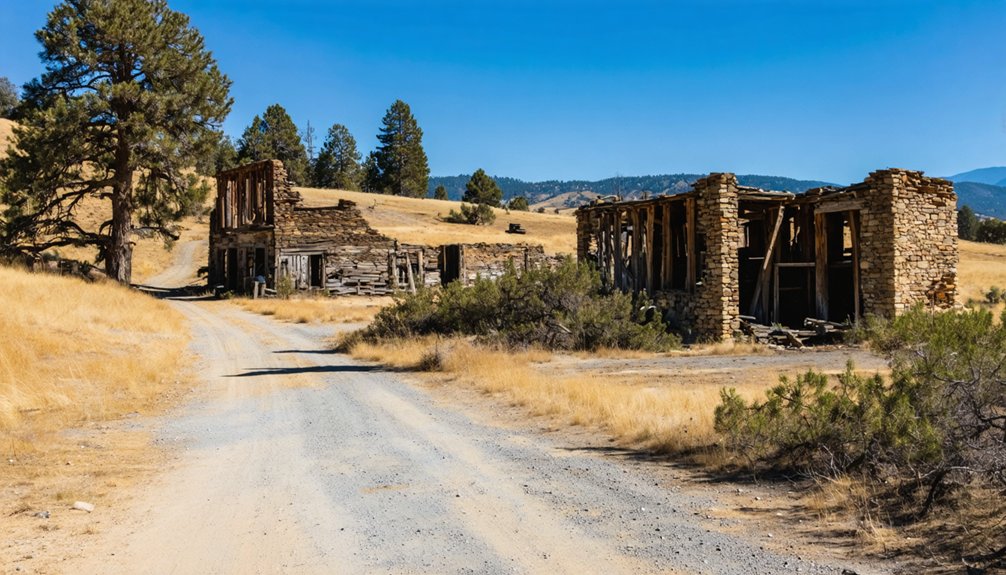
Look closer and you’ll find collapsed adobe walls half-swallowed by hillside brush — quiet evidence of mining archaeology that rewards patient eyes. Barns and old houses still line the roads, their placement echoing the town’s original layout.
The landscape itself tells the story. You’re walking ground where 800 people once chased fortune. That history lives in the soil, the silence, and the bones of what the fires couldn’t finish.
Other Ghost Towns Near Calaveritas in Calaveras County
Calaveras County’s backcountry roads connect you to several nearby ghost towns that round out a full day of Gold Rush exploration. You can push deeper into the hills to find remnants of camps like Mokelumne Hill, Murphys, and other placer-era settlements that share Calaveritas’ boom-and-bust story.
Planning a multi-stop heritage drive through north-central Calaveras County lets you trace the arc of the entire Gold Rush era in a single, historically rich loop.
Nearby Ghost Towns Worth Visiting
Since Calaveritas sits in the heart of one of California’s richest Gold Rush corridors, you won’t have to drive far to find more ghost towns worth exploring. Calaveras County is loaded with abandoned camps where historical architecture still whispers stories of boomtown ambition and sudden collapse.
Head toward San Andreas, Mokelumne Hill, or Jenny Lind, and you’ll encounter layered cultural influences from Mexican, Chinese, and Anglo miners who all left their marks on the landscape. Mokelumne Hill alone boasts crumbling stone buildings and a history as volatile as any camp in the Mother Lode.
Each stop adds another dimension to the larger story you started uncovering at Calaveritas. Map your route, pack a lunch, and let the backroads of Calaveras County take you deeper into California’s restless past.
Planning Multi-Stop Heritage Drives
Turning those individual stops into a connected route transforms a casual drive into something more purposeful. Start in San Andreas, then work your way out through Mountain Ranch Road toward Calaveritas before pushing deeper into Calaveras County’s historic corridors.
Each camp you’ll encounter tells a slightly different story — shifting mining techniques, from placer panning to hydraulic operations, shaped how long each settlement survived.
Cultural influences run just as deep; Mexican prospectors, Chinese laborers, and Anglo settlers each left distinct marks on the landscape.
Plan for half-day segments so you’re not rushing past crumbling foundations and forgotten cemeteries. Carry a paper map, since cell service gets unreliable fast.
The freedom here isn’t just geographic — it’s temporal, moving through layers of history at your own pace.
Regional Gold Rush Sites
Once you’ve explored Lower Calaveritas, the surrounding hills of Calaveras County offer a string of Gold Rush ghost towns worth weaving into your route. San Andreas anchors the region as a living hub, but the back roads push you toward rawer history.
Towns like Mokelumne Hill and Campo Seco carry deep cultural influences — Mexican, Chilean, Chinese, and European miners all shaped these camps through competing mining techniques, from placer panning to hard-rock drilling. Each site tells a fractured, honest story of boom and collapse.
You’ll find crumbling adobes, stone foundations, and roadside markers that reward curious travelers willing to slow down. Keep a county map handy, stay flexible with your timeline, and let the landscape guide you deeper into California’s gold country.
Frequently Asked Questions
Is There an Entrance Fee to Visit the Calaveritas Ghost Town Site?
You won’t pay an entrance fee — Calaveritas is freely yours to explore! No visitor amenities await, but historic preservation efforts keep its Gold Rush spirit alive. Hit the open road and claim your adventure!
Are Pets Allowed When Exploring the Calaveritas Historic Area?
Where the trail leads, freedom follows! Pet policies and animal restrictions for Calaveritas aren’t officially documented, so you’ll want to check with Calaveras County authorities before bringing your furry companion along for the adventure.
What Is the Best Time of Year to Visit Calaveritas?
Spring or fall’s your sweet spot — you’ll dodge summer’s scorching heat and winter’s muddy trails. Seasonal weather stays mild, visitor crowds stay thin, and Calaveritas’ Gold Rush ghosts feel gloriously, freely yours to discover.
Is the Luigi Costa Store Open for Tours or Entry?
The Luigi Costa Store isn’t open for tours, but you’ll still feel the ghost town history as you explore this 1852 survivor. It’s one of Lower Calaveritas’ most compelling local attractions — roam freely outside!
Is the Road to Calaveritas Suitable for RVS or Large Vehicles?
Ready to chase Gold Rush ghosts? Road conditions on Calaveritas Road can challenge vehicle accessibility for RVs or large rigs. You’ll navigate narrow, winding stretches, so stick to smaller, nimble vehicles to freely explore this historic terrain.
References
- http://cali49.com/hwy49/2014/3/15/calaveritas
- https://www.calaverashistory.org/calaveritas
- https://en.wikipedia.org/wiki/Calaveritas
- https://sierranevadageotourism.org/entries/calaveritas-no-255-california-historical-landmark/e3be5582-7ead-4d07-91b0-2f7893c0ef78
- https://beyond.nvexpeditions.com/california/calaveras/calaveritas.php
- https://en.wikipedia.org/wiki/List_of_ghost_towns_in_California
- https://a.osmarks.net/content/wikipedia_en_all_maxi_2020-08/A/List_of_ghost_towns_in_California
- https://parks.sbcounty.gov/park/calico-ghost-town-regional-park/