To plan your Mazuma ghost town road trip, base yourself in Lovelock, Nevada, and head roughly 25–30 miles northwest into Pershing County‘s remote desert terrain. You’ll need a high-clearance vehicle, offline maps, and plenty of water. Spring and fall offer the safest, most comfortable conditions for exploring. Mazuma’s story isn’t just about ruins and flood debris—it’s about a booming town of 600 people that vanished in a single afternoon, and there’s far more to that story.
Key Takeaways
- Mazuma is located 25–30 miles northwest of Lovelock, Nevada, making Lovelock the ideal base for a day trip.
- A high-clearance vehicle is essential, along with water, fuel, offline maps, and emergency supplies due to limited cell service.
- Visit during spring or fall for mild temperatures and safe road conditions; avoid summer due to extreme heat and flood risks.
- Explore nearby ghost towns Seven Troughs, Tunnel, and Farrell to enrich your understanding of the region’s mining history.
- Respect the site by leaving all artifacts undisturbed, as Mazuma’s scattered ruins and flood debris represent authentic, unrestored history.
What Makes Mazuma the Most Dramatic Ghost Town in Northwestern Nevada?
When you’re hunting for ghost towns across Nevada’s vast desert interior, few sites hit as hard as Mazuma. This Pershing County relic doesn’t just carry mining history — it carries the weight of a town that vanished in a single afternoon.
By 1912, Mazuma had banks, a hotel, a fire department, and 600 residents. Then a flash flood roared down Seven Troughs Canyon on July 18, 1912, and erased nearly everything in hours.
At its peak, Mazuma held 600 residents — then one July flood erased it all in hours.
That contrast between rapid prosperity and sudden destruction is what separates Mazuma from ordinary abandoned settlements. Ghost town preservation here means walking through flood debris, scattered ruins, and a small cemetery — not reconstructed facades. You’re reading the land itself.
No other site in northwestern Nevada delivers that kind of raw, unfiltered story.
How Mazuma Fits Into a Seven Troughs Road Trip Itinerary
Mazuma sits at the heart of the Seven Troughs mining district, making it a natural anchor for a broader ghost town loop through Pershing County.
You can pair it with other nearby district sites to build a full day’s itinerary that covers roughly 25–30 miles northwest of Lovelock.
Map your route in advance, since the remote desert terrain demands a reliable vehicle and a clear sense of the roads connecting each stop.
Nearby District Ghost Towns
Why stop at just one ghost town when the entire Seven Troughs district practically begs to be explored? Mazuma’s story doesn’t exist in isolation — it’s one thread in a larger tapestry of boom-and-bust settlements scattered across Pershing County’s remote desert terrain.
Several nearby camps once rivaled Mazuma’s energy, and you’ll find historical artifacts and faint structural remains still visible across the district. Preservation efforts vary by site, so some locations reward careful exploration while others require reading the landscape itself for clues.
Pairing Mazuma with neighboring sites turns a single stop into a genuine road trip itinerary. You’ll cover more ground, connect more dots, and walk away with a richer understanding of what the Seven Troughs mining boom actually looked like across its full, rugged geography.
Suggested Route Planning
Planning a Seven Troughs road trip works best if you anchor your route around Lovelock, the nearest real town and your most practical base before heading roughly 25–30 miles northwest into Pershing County‘s open desert. Stock up on fuel, water, and supplies before leaving — the terrain ahead offers freedom but no services.
Structure your days like this:
- Begin at Mazuma, studying the flood ruins, historical artifacts, and scattered mining relics before midday heat peaks.
- Push deeper into the Seven Troughs Range to visit neighboring district camps in the afternoon.
- Return to Lovelock before dark, reviewing maps for the following day’s exploration.
Keep your timeline flexible. Desert roads shift conditions fast, and the best ghost-town discoveries rarely follow a rigid schedule.
How a Gold Rush Built a Town of 600 People in Under Six Years
Few ghost towns tell a boom-and-bust story as sharply as Mazuma, Nevada. S.B. Hill and Starr Hill founded the town in late 1906, and it exploded almost overnight.
Within six weeks, you’d have found three restaurants, five saloons, two assay offices, and a mercantile house already operating. Lot prices climbed to $750 as miners and merchants rushed in.
The Flash Flood That Erased Mazuma in One Afternoon
On July 18, 1912, a flash flood roared down Seven Troughs Canyon around 5 p.m. and wiped out nearly every building in Mazuma within a single afternoon.
You can still barely imagine the scale of it — a thriving town of 600 people, hotels, banks, and saloons, reduced to rubble and flood debris in hours, with only one structure left standing.
Residents never rebuilt, leaving Mazuma frozen in that moment of destruction, a ghost town born not from economic decline but from the raw, indifferent force of nature.
July 1912 Flood Strikes
After six years of rapid growth and bustling commerce, Mazuma’s story ended in a single afternoon. On July 18, 1912, a flash flood roared down Seven Troughs Canyon and wiped out nearly everything you’d have recognized as a town.
Three brutal facts define that day:
- The flood struck around 5 p.m., leaving residents almost no time to react.
- Every building except one was destroyed.
- Mazuma was never rebuilt.
What that flood erased wasn’t just structures — it was mining history in real time. Today, ghost town preservation efforts keep this story alive through scattered ruins and a small cemetery you can still visit.
That single afternoon transformed a thriving community into the silent, desert remnant you’ll explore on your road trip.
One Building Survived
When the floodwaters finally receded, only one building remained standing amid the wreckage of what had been Mazuma’s busiest streets. Everything else — the hotels, saloons, assay offices, and homes that had defined this thriving camp — was gone. That single survivor became the defining symbol of Mazuma’s ghost town architecture, a lone structure rising from scattered mining remnants and flood debris.
Today, when you visit the site, you’re walking through a landscape shaped entirely by that one catastrophic afternoon. The flood didn’t just destroy buildings; it erased a community of 600 people overnight. No one rebuilt. No one returned to reclaim the streets.
That surviving structure reminds you how quickly fortune shifts in the desert — and why Mazuma’s story hits harder than most ghost towns you’ll ever explore.
Mazuma Never Rebuilt
That single surviving structure tells you everything about what Mazuma’s residents faced — but it doesn’t tell you what happened next.
They didn’t rebuild. They simply left.
After July 1912, Mazuma became permanently abandoned, making it a remarkable historical preservation case — a town frozen by disaster rather than gradual decline. For ghost town photography, that distinction matters enormously.
Three reasons Mazuma was never rebuilt:
- The flood destroyed infrastructure that cost tens of thousands to establish
- Mining investments had already begun declining before the disaster struck
- Rebuilding in a flash-flood canyon carried obvious, unacceptable risk
What remains today reflects that abrupt finality. You’re not walking through a town that slowly emptied — you’re standing in one that vanished overnight. That rawness makes Mazuma unlike almost any other ghost town you’ll visit.
What You’ll Actually See at the Mazuma Townsite Today
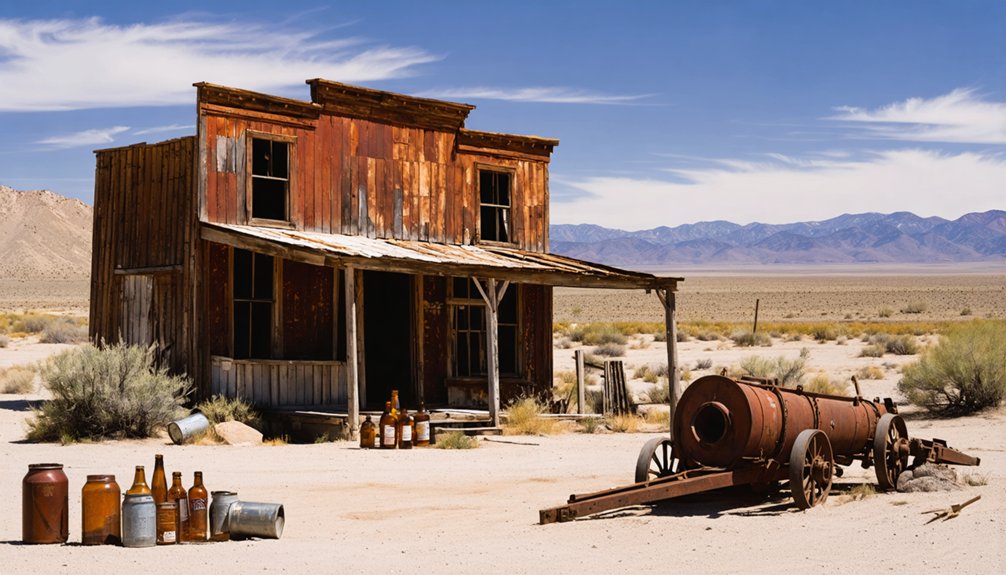
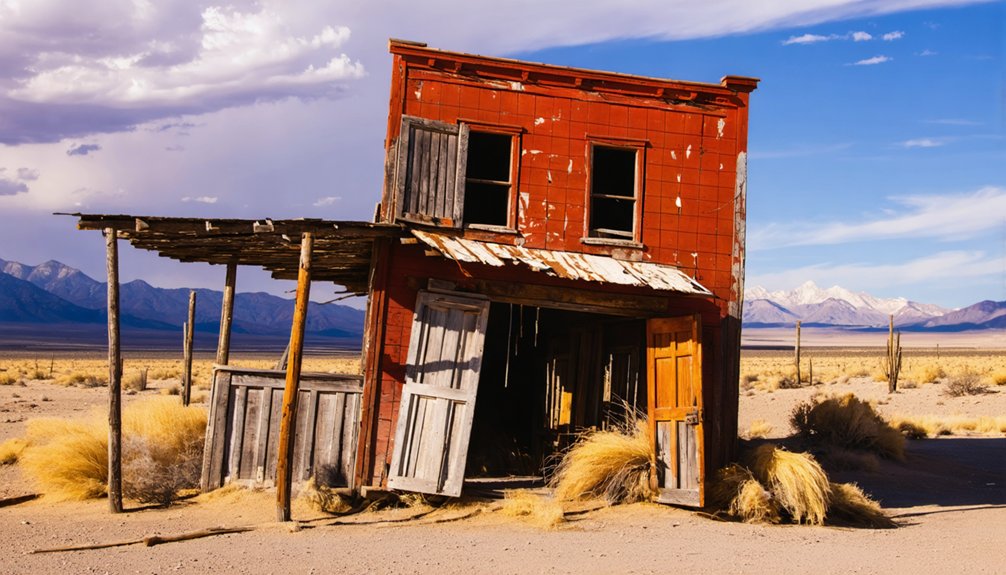
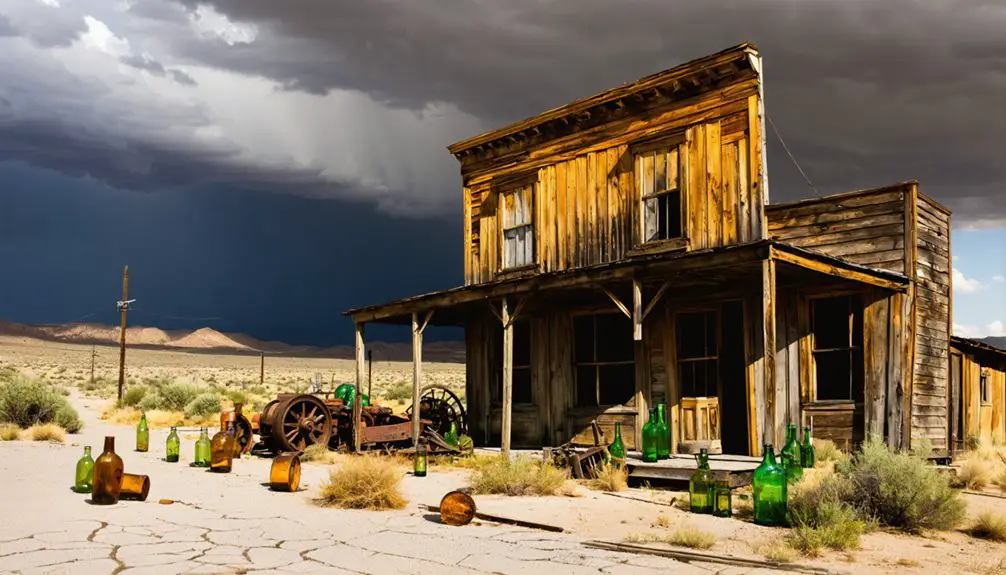
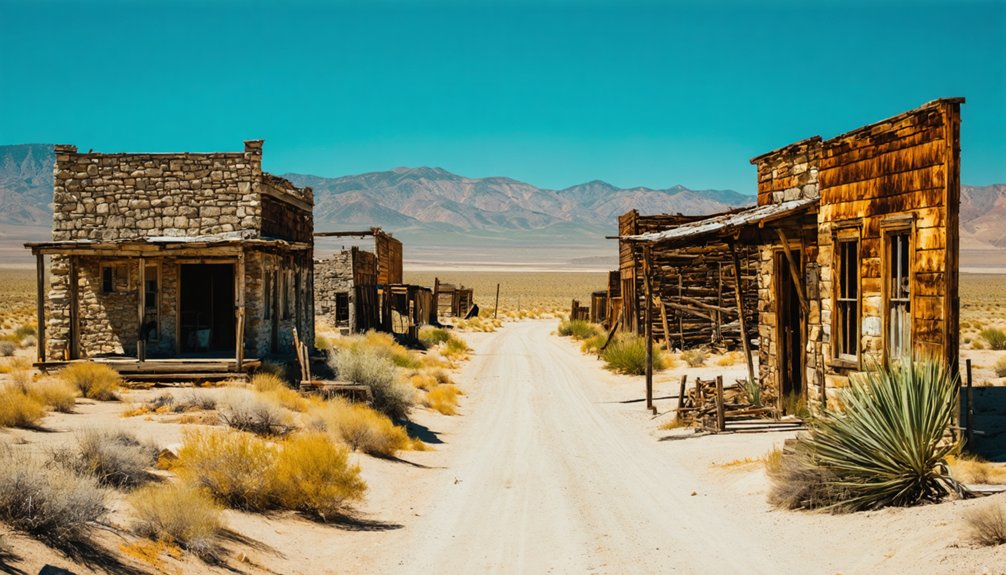
Though little remains standing, the Mazuma townsite still tells a powerful story. You’ll find scattered ruins half-buried under flood debris, remnants of mining operations, and the quiet presence of a small cemetery where early residents were laid to rest.
Historical artifacts occasionally surface across the desert floor, offering tangible connections to the boom that once drove hundreds of people here.
Nature has largely reclaimed what the 1912 flood didn’t destroy, but that rawness is exactly what makes the visit worthwhile. There are no crowds, no fences, and no polished interpretive signs—just open desert and the freedom to explore at your own pace.
While formal preservation efforts remain minimal, the site’s isolation has ironically protected it from further disturbance, leaving the story intact for those willing to seek it out.
Other Seven Troughs Ghost Towns Worth Adding to Your Route
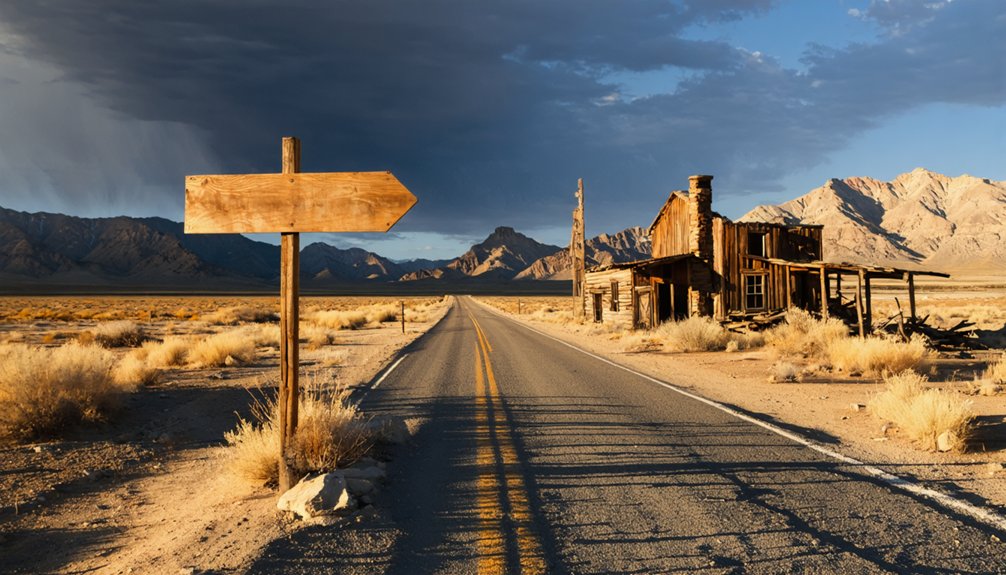
Mazuma wasn’t the only town chasing silver and gold through the Seven Troughs district, and the surrounding area rewards explorers who push a little further down the backroads. Several nearby sites add serious depth to your route:
Mazuma wasn’t alone in the chase — the Seven Troughs district hides more stories down every backroad.
- Seven Troughs – The district’s namesake camp offers mining remnants scattered across the hillside, giving you raw, unfiltered evidence of early Nevada extraction.
- Tunnel – A smaller settlement where you’ll spot historical architecture fragments still standing against the desert silence.
- Farrell – A short detour that rounds out the district’s story with additional structural ruins worth photographing.
Each stop layers onto Mazuma‘s narrative, showing you how intensely this remote corner of Pershing County burned during the boom years before fading back into the Nevada landscape.
How to Reach Mazuma From Lovelock
Sitting about 25 to 30 miles northwest of Lovelock, Mazuma is reachable via a straightforward drive through remote Pershing County desert. Start in Lovelock and head northwest, following roads that push through open basin terrain toward the Seven Troughs Range.
As you approach, the landscape shifts toward canyon country, and the Seven Troughs Range rises ahead. You’ll reach the townsite near the mouth of Seven Troughs Canyon, where ghost town architecture is reduced to scattered ruins and mining remnants still mark the ground.
Cell service is limited, so download offline maps before you leave. A high-clearance vehicle handles the terrain best. Come prepared with water, fuel, and extra time — the freedom of reaching a place this remote is part of what makes Mazuma worth finding.
The Best Time of Year to Visit Mazuma
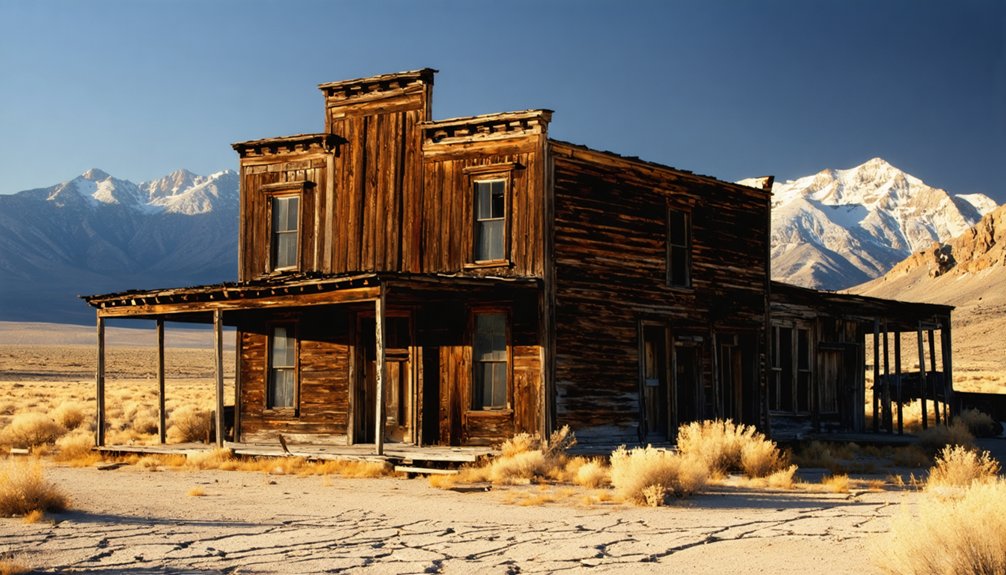
Timing your visit to Mazuma makes a real difference in what you’ll experience on the ground. The desert rewards the prepared traveler, so plan accordingly.
- Spring (March–May): Mild temperatures make hiking the ruins comfortable, and you’ll spot historical artifacts without battling brutal heat.
- Fall (September–October): Cooler days return, wildflowers fade, and wildlife encounters increase as animals prepare for winter — a photographer’s advantage.
- Avoid Summer: July heat exceeds 100°F, and flash flooding — the very force that erased Mazuma in 1912 — remains a genuine danger in canyon terrain.
Winter visits are possible but cold and muddy roads can cut off access entirely. Your best windows are spring and fall, when the site opens itself up most honestly to exploration.
What to Bring for a Remote Desert Ghost Town Like Mazuma
Because Mazuma sits 25–30 miles from Lovelock with no services in between, you’ll need to arrive fully self-sufficient. Pack more water than you think you need — desert survival gear starts there. Bring at least a gallon per person, plus extra for your radiator.
Stock your vehicle with a first-aid kit, jumper cables, a spare tire, and emergency food.
Wear sturdy boots for traversing flood debris and scattered ruins. Sun protection is non-negotiable — hat, sunscreen, and UV-blocking layers matter out here.
Bring a camera, but leave the site undisturbed; ghost town preservation depends on every visitor resisting the urge to pocket artifacts or kick through remains.
A paper map or downloaded offline GPS route keeps you oriented when cell service disappears entirely.
Frequently Asked Questions
What Does the Name “Mazuma” Actually Mean?
You’ll love this gem — “Mazuma” means “ready cash” in Yiddish! This ghost town legend’s name reflects its historical mining significance, capturing the shiny dreams of wealth that once fueled Nevada’s boldest prospectors like you.
Who Originally Founded the Town of Mazuma?
S.B. Hill and Starr Hill founded Mazuma in late 1906, and when you’re exploring historic mining sites, you’ll appreciate how their vision sparked one of Nevada’s most fascinating ghost town tourism destinations.
How Much Did Building Lots Cost During Mazuma’s Boom?
During Mazuma’s boom, you’d have paid $400 to $750 for a lot — remarkable historical property values reflecting intense demand. These town development costs reveal just how fiercely fortune-seekers competed for their slice of Nevada’s wildest, most promising frontier.
Did Anyone Die in the 1912 Flood That Destroyed Mazuma?
The knowledge doesn’t confirm deaths, but haunted legends surrounding abandoned landmarks like Mazuma hint at untold stories. You’ll feel the weight of that 1912 flood’s sudden fury as you explore the eerie, flood-scarred ruins yourself.
How Much Did Mazuma’s Water Pipeline Cost to Build?
You’ll find that Mazuma’s water pipeline cost $25,000 to build, funded by the Mazuma Light and Water Co. from Toby Springs — a forgotten fact fueling ghost town tourism’s urban legends about this once-thriving, freedom-chasing boomtown.
References
- https://www.destination4x4.com/mazuma-nevada-pershing-county-ghosttown/
- https://forgottennevada.org/sites/Mazuma.html
- https://www.2news.com/the-ghosts-of-tunnel-camp-nevada/article_bc1702e4-4e7f-56bb-a972-b1381ae02c3a.html
- https://wiki.blackrockdesert.org/wiki/Mazuma