Planning a ghost town road trip to Paria, Utah doesn’t require a four-wheel drive or an elaborate itinerary. Simply turn off US 89 at mileposts 30–31 and follow Paria Movie Road about five to six miles to the day-use area. Spring and fall offer the best weather, mild temperatures, and stunning light for photography. Pack water, sun protection, and safety gear, and always check weather forecasts before heading out. There’s plenty more to discover about making this desert detour unforgettable.
Key Takeaways
- Paria ghost town sits along US 89 at mileposts 30–31, about 33.5 miles east of Kanab, accessed via a five-to-six-mile dirt road.
- Spring and fall offer the best conditions, with mild temperatures, vibrant lighting, and increased wildlife activity for an optimal visit.
- The dirt road suits regular vehicles in dry conditions but becomes dangerously slick and impassable when wet.
- Pack essentials including water, snacks, sun protection, a first-aid kit, offline maps, and a satellite communicator due to unreliable cell service.
- Always monitor weather forecasts before departure, as flash floods can occur rapidly, posing serious risks in canyon terrain.
Why Paria, Utah Is Worth Pulling Off US 89
If you’re driving US 89 between Kanab and Page, the turnoff to Paria is one worth taking. This ghost town site sits along the Paria River near the Utah-Arizona border, wrapped in badlands striped with red, orange, purple, and bluish-gray bands. It’s the kind of landscape that stops you mid-sentence.
Established in 1870 and abandoned by 1914, Paria carries real history. You won’t find a preserved museum here — flooding claimed most of it — but the remnants still evoke the settlement’s story.
Paria lasted from 1870 to 1914 — then floods took most of it. What remains still tells the story.
Historical artifacts and traces of the old movie set add another layer worth exploring. Wildlife sightings along the river corridor are common, making the experience feel alive rather than purely archival.
This detour earns its place on any serious road trip itinerary.
The Best Time of Year to Visit Paria
Knowing when to visit makes a real difference at Paria. Spring and fall offer the most rewarding experience — mild temperatures, manageable crowds, and stunning light that transforms those red and purple badlands into something almost surreal.
You’ll find the best photography opportunities during early morning or evening, when low-angle sunlight deepens every color band in the cliffs.
Summer brings heat and the highest flash-flood risk, particularly in July and August, so it’s the season to approach most cautiously.
Winter visits can happen but come with unpredictable road conditions.
Wildlife encounters tend to be more common during cooler months when animals move more freely through the canyon landscape.
Whatever season you choose, check the weather forecast beforehand — one rainstorm can shut that dirt road down completely.
How to Find the Paria Turnoff on US 89
Finding the Paria turnoff is straightforward once you know what to mark on your map. Watch for mileposts 30–31 on US 89, roughly 33.5 to 37.2 miles east of Kanab or about 39 to 40 miles west of Page, Arizona.
The turnoff drops you onto a dirt road locals call Paria Movie Road, which winds approximately five to six miles toward the day-use area. Along the way, you’ll pass some of the Southwest’s most striking scenic viewpoints, where striated red and purple badlands stretch endlessly.
Keep your eyes open for wildlife encounters too — this remote corridor sees surprisingly active desert fauna. The road blends naturally into the landscape, so slow down, stay alert, and you’ll spot the access point without trouble.
What the Road Into Paria Is Actually Like
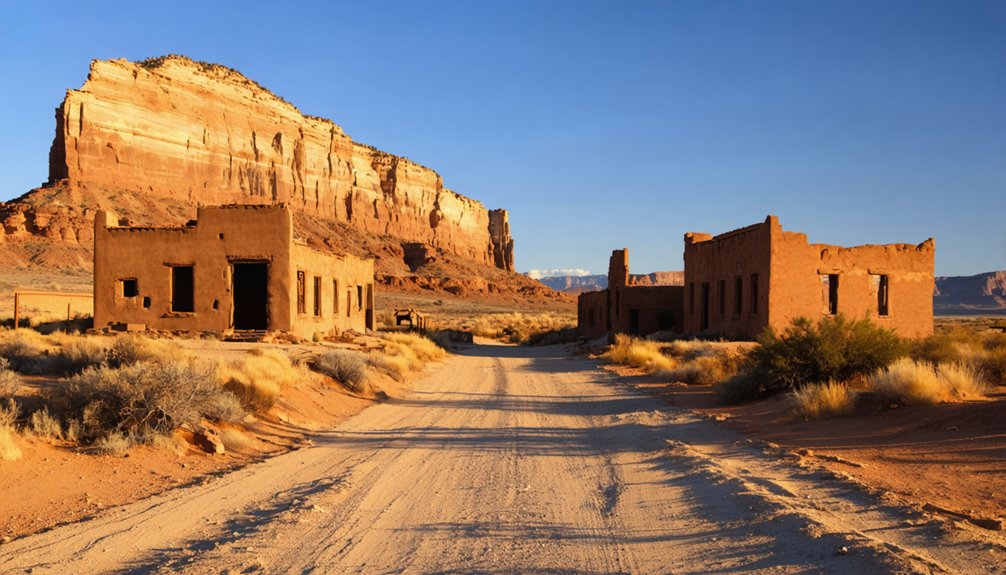
Once you’ve made the turn onto Paria Movie Road, the pavement disappears almost immediately, and you’re on packed dirt and gravel for the full five to six miles ahead. The road rolls through open, raw terrain framed by striated cliffs banded in red, orange, and bluish-gray — the kind of landscape that rewards anyone chasing historical landmarks off the beaten path.
In dry conditions, a regular passenger vehicle handles the road without trouble. But rain changes everything. Wet conditions can make it completely impassable, and flash flooding is a genuine threat, particularly in July and August.
Keep your eyes open for wildlife viewing opportunities along the way — this corridor sees desert birds, lizards, and occasional larger animals. Stay on the road, since off-road driving is prohibited.
When the Paria Road Becomes Impassable
The dirt road into Paria shifts from manageable to dangerous with surprising speed when rain moves in. What’s drivable in dry conditions turns slick and unstable the moment moisture hits the clay-heavy surface. You can lose traction fast, and getting stuck miles from the highway isn’t the adventure you’re after.
Flash flooding poses an even greater threat, particularly in July and August. The same canyon terrain that makes the historic ruins and film locations so visually striking also funnels stormwater with brutal efficiency. You don’t need rain directly overhead — storms miles away can send walls of water through the valley without warning.
Before you head out, check the forecast carefully. If there’s any doubt, contact the BLM. The site will still be there on a better day.
What You’ll Find at the Paria Day-Use Area
After five or six miles of dirt road and striking badland scenery, you’ll reach a modest but functional day-use area that serves as your base for exploring the site. It’s simple, uncrowded, and gives you room to roam freely.
Here’s what you’ll find waiting:
- Picnic area with shaded spots for a rest stop
- Privy/toilet for basic comfort needs
- Parking spaces near the picnic area
- Trailhead access leading toward the ghost town ruins
- Wide-open terrain offering wildlife spotting and photography opportunities among the colorful badlands
Don’t expect polished amenities — Paria rewards self-sufficient travelers. The limited ruins carry real historical weight, and the dramatic landscape surrounding the day-use area makes every angle worth photographing.
How a Mormon Settlement Became a Ghost Town
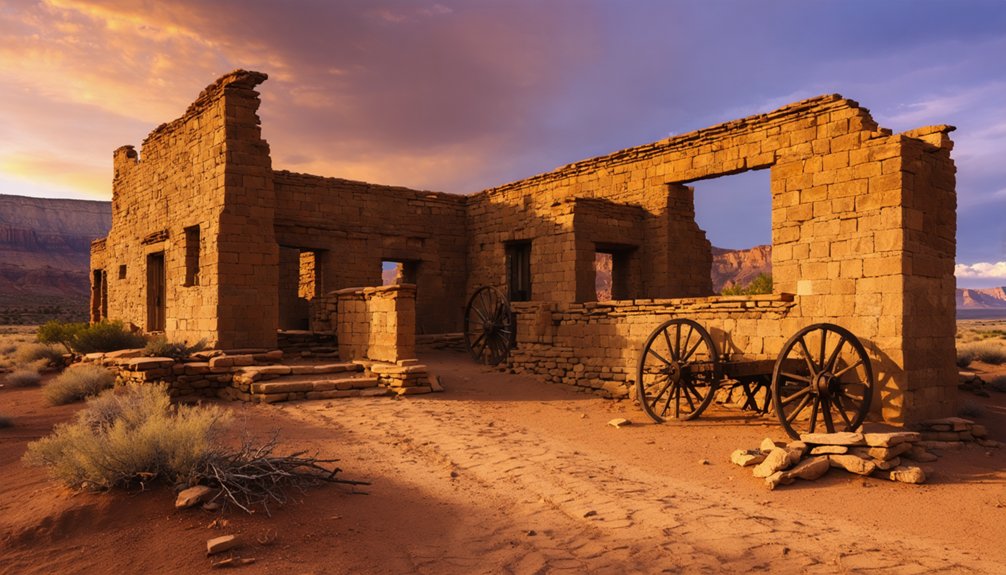
Established in 1870 by Mormon settlers, Paria — also known as Pahreah — started as a hopeful agricultural community along the Paria River in what’s now Kane County, Utah. Settlers farmed the floodplain, built homes, and carved out a life in an unforgiving landscape.
But the river that sustained them also defeated them. Repeated flooding destroyed crops, damaged structures, and eroded the land beneath their feet. By 1914, the community had abandoned the site entirely.
Today, little remains standing, as floodwaters have claimed most of the original structures. Still, the site carries real cultural significance — a quiet reminder of frontier resilience and hardship.
Historical preservation efforts help keep Pahreah’s story alive, giving you a rare window into a community that nature ultimately reclaimed.
What to Pack Before You Drive Out to Paria
Before you turn off US 89 onto that dirt road, make sure you’ve packed the essentials — a full tank of gas, water, snacks, and a charged phone are non-negotiables for this remote stretch of Kane County.
You’ll also want to throw in weather and safety gear, since the road turns impassable when wet and flash floods can roll in fast, especially during July and August.
Check the forecast before you leave, and if conditions look uncertain, contact the BLM rather than risk getting stranded miles from the highway.
Essential Supplies To Pack
Since Paria sits miles from the nearest town along a remote dirt road, packing smart before you leave is non-negotiable. This former settlement turned film location offers no services, so everything you need must come with you.
Fill your tank before leaving Kanab or Page, and load up on supplies that keep you self-sufficient in the backcountry.
- Full tank of gas before hitting US 89
- Plenty of water and trail snacks
- Sun protection — hat, sunscreen, sunglasses
- A camera for capturing the badlands and historical artifacts
- A paper map or downloaded offline GPS route
Flash floods can cut off the road fast, so check the weather before you head out.
Freedom out here means being fully prepared.
Weather And Safety Gear
Packing the right gear goes beyond trail snacks and a full tank — the desert plays by its own rules, and Paria’s remote location means weather can turn dangerous with little warning.
July and August bring the highest flash-flood risk, so always check rain and flood forecasts before leaving.
Bring layers, since desert temperatures swing dramatically between morning and afternoon — ideal for catching early light at scenic viewpoints or wildlife spotting during cooler hours.
Pack a first-aid kit, extra water, and a paper map since cell service is unreliable.
A weather radio or satellite communicator adds real security.
If rain’s in the forecast, postpone — the dirt road becomes impassable when wet, and flash floods move faster than you’d expect through this canyon terrain.
Frequently Asked Questions
Is There a Fee to Access the Paria Day-Use Area?
No toll booths await you here! You can freely access Paria’s day-use area, supporting historical preservation and wildlife viewing without a fee — just bring your adventurous spirit and respect for this breathtaking, untamed landscape.
Can You Camp Overnight Near the Paria Ghost Town Site?
The knowledge doesn’t confirm overnight camping at Paria’s ghost town site, so you’ll want to contact the BLM directly. They’ll clarify campground amenities and nearby options where you might enjoy stunning wildlife sightings under open, star-filled skies.
Is the Paria Site Accessible to Visitors With Mobility Limitations?
Rough terrain awaits you at Paria — it’s not fully wheelchair friendly facilities or accessible pathways exist here. You’ll find a basic privy and picnic area, but uneven dirt roads make mobility-limited access quite challenging.
Are Pets Allowed on the Trail Leading to the Ghost Town?
The knowledge doesn’t confirm pet policies, so you’ll want to check with the BLM before heading out. Prioritize pet safety by researching leash regulations ahead of time, ensuring your furry companion enjoys this wild, rugged adventure freely and responsibly.
Does the Paria Site Have Cell Service or Emergency Contact Options?
Don’t count on cell service at Paria — it’s remote, so you’ll want to contact the BLM beforehand for emergency options, carry a satellite communicator, and always tell someone your plans before heading out.
References
- https://musthikemusteat.com/beyond-the-pnw/paria-pahreah-ghost-town-cemetery/
- https://www.youtube.com/watch?v=Frj9luY98U0
- https://livethatadventure.com/paria-townsite-and-ruins-a-beautiful-addition-to-your-utah-road-trip/
- https://organizedadventurer.com/paria-rainbow-mountains/
- https://www.youtube.com/watch?v=uxSVuSMwOxM
- https://tworoamingsouls.com/paria-rainbow-mountains-in-utah-visit-the-old-townsite/
- https://www.americansouthwest.net/utah/grand_staircase_escalante/paria.html
- https://thevanescape.com/paria-townsite-in-paria-rainbow-mountains/