Planning a ghost town road trip to Pedro, South Dakota means exploring a forgotten Black Hills community that once supported 300 residents and even its own newspaper. You’ll find abandoned structures, natural terrain, and no visitor centers, so bring maps and research the area beforehand. Pair Pedro with nearby ghost towns like Pactola and Plana for a full Pennington County route. There’s much more to uncover about this story-rich journey ahead.
Key Takeaways
- Pedro, located in Pennington County’s Black Hills at 2,031 feet, is a free-access ghost town requiring no fees or reservations.
- Combine Pedro with nearby ghost towns like Pactola and Plana to build an efficient multi-stop road trip route.
- No visitor infrastructure exists at Pedro, so bring county maps and research the site’s history beforehand.
- Schedule morning visits to historical sites like Pedro, reserving afternoons for scenic Black Hills drives and local dining.
- Carrie Ingalls managed Pedro’s newspaper in 1909, making the town a historically rich stop for heritage-focused travelers.
What Turned Pedro, South Dakota Into a Ghost Town?
Like so many towns scattered across the Black Hills, Pedro followed a boom-and-bust cycle that’s almost impossible to escape in South Dakota’s mining country. When the economic energy driving the region faded, residents left, businesses closed, and Pedro quietly emptied out.
What once housed around 300 people shrank into the kind of place that exists mostly in local legends and old newspaper archives.
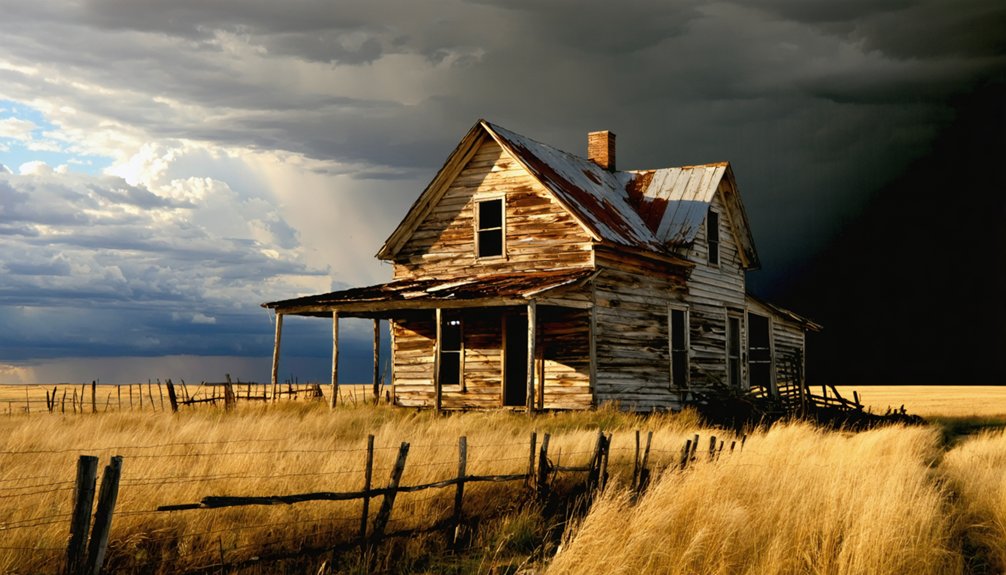
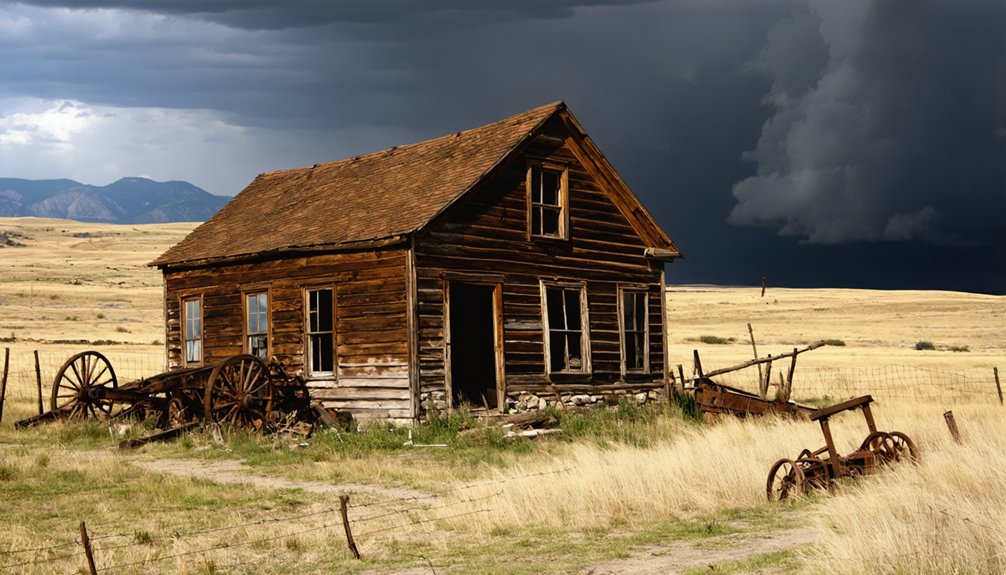
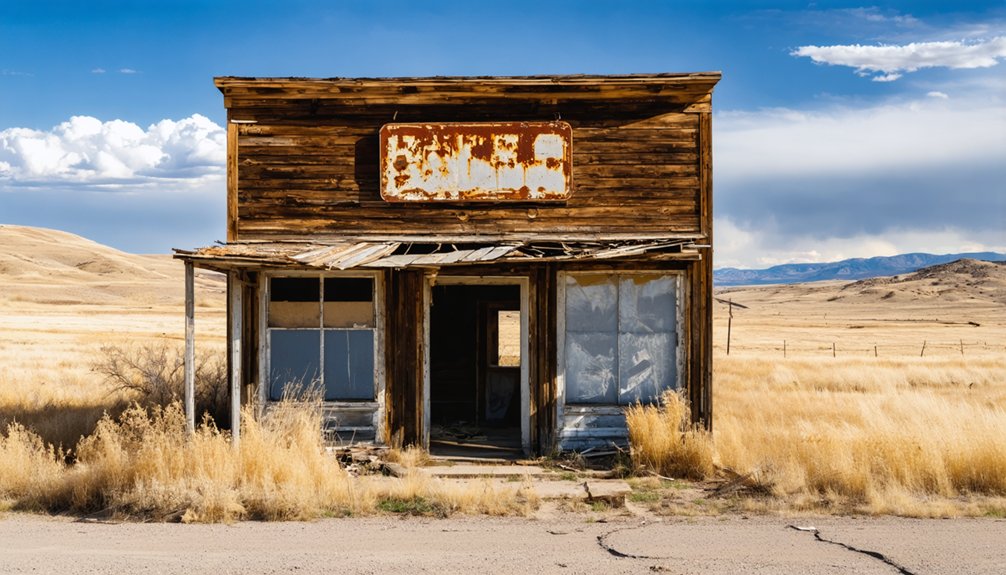
Today, you’ll find abandoned structures where a full community once operated, including the office that once published the *Pedro Bugle*. The Black Hills holds well over 600 ghost towns, and Pedro is one of them for the same reason most others are — the boom simply ended.
Once that happened, there was little reason for anyone to stay.
Carrie Ingalls, the Pedro Bugle, and the Town’s Brief Moment of Life
Before Pedro faded into silence, it had a newspaper, a community voice, and one of the more unexpected figures in Black Hills history working within its borders. Carrie Ingalls — yes, from *that* Ingalls family — worked for E.L. Senn in Pedro and by summer 1909 managed the Pedro Bugle, the town’s own publication.
That detail alone separates Pedro from dozens of other forgotten settlements. You’re not just walking through collapsed historic architecture and local legends here — you’re standing where a piece of American literary heritage quietly unfolded.
Pedro once supported around 300 residents, enough to sustain a working press and a real community identity. That brief, vivid moment of life makes Pedro worth adding to your road trip, not just as a ruin, but as a story.
What’s Left to See at the Pedro Ghost Town Site Today?
When you arrive at Pedro today, don’t expect interpretive signs, a visitor center, or a maintained trail — what’s left is mostly the land itself, stripped of the 300 residents and working newspaper that once gave it a pulse.
Sitting at roughly 2,031 feet in Pennington County’s Black Hills terrain, the site rewards visitors who come prepared to read the landscape rather than rely on formal historical preservation infrastructure.
Visitor access is straightforward since no gates or fees block your path, but that freedom comes with responsibility — you’re entering a place that survives only through respectful exploration.
Bring a county map, research the area beforehand, and let the silence do the storytelling.
Pedro doesn’t perform for tourists; it simply exists, quietly waiting for those curious enough to find it.
Black Hills Ghost Towns That Belong on the Same Route as Pedro
Pedro sets the tone, but the Black Hills holds well over 600 ghost towns, and the best road trips string several together into a single, story-rich loop.
Pedro sets the tone, but the Black Hills holds over 600 ghost towns waiting to be strung into one unforgettable loop.
Add Pactola and Plana to your route, both listed alongside Pedro in South Dakota’s ghost-town inventory and both carrying their own local legends of boom-and-bust cycles. Each site once functioned as an independent community before decline stripped it down to silence.
You’ll find historical landmarks scattered across Pennington County that reward curious travelers willing to read the landscape carefully. Map your stops using county-level resources, keep your expectations realistic, and treat each location as a chapter in a larger regional story.
The freedom of this route lies in choosing how deep you want to dig.
How to Plan a Pedro Ghost Town Road Trip Through Pennington County
Planning a Pennington County ghost-town loop around Pedro works best when you treat the county map as your primary tool and Mountain Time schedules as your baseline. Print or download a county-level map before you leave, marking Pedro alongside neighboring ghost towns for a tight, efficient route.
Build your days around morning drives to historical sites, leaving afternoons open for scenic overlooks that reward you with sweeping Black Hills views.
Don’t skip local cuisine when you pass through nearby towns — small diners and roadside spots often carry regional character that matches the history you’re chasing.
Keep your itinerary loose enough to linger where the story feels strongest, because Pedro and its surroundings reward curiosity more than rigid scheduling ever will.
Frequently Asked Questions
How Did Pedro Get Its Unusual Name for a Town?
You’ll love this quirky fact — Pedro got its name from a popular card game, not a person! Early settlers embraced that free-spirited energy, and it stuck even as historic mining faded and abandoned structures replaced a once-thriving community.
What Was Pedro’s Population at Its Peak?
Hard to believe, but you’re tracing historical population trends of nearly 300 souls who once called Pedro home. Abandoned town histories remind us these weren’t ghost towns yet — they were thriving, breathing communities full of life.
What County Is the Pedro Ghost Town Located In?
You’ll find Pedro’s ghost town nestled in Pennington County, South Dakota — a haven for historical preservation and wildlife viewing, where you’re free to explore abandoned Black Hills landscapes that once buzzed with nearly 300 pioneering souls.
How High in Elevation Is the Pedro Ghost Town Site?
You’ll discover Pedro’s ghost town site sits at a breathtaking 2,031 feet (619 m)—and as you pursue trail exploration and historic preservation, that elevation quietly rewards your adventurous spirit with stunning Black Hills scenery.
Roughly How Many Ghost Towns Exist Throughout the Black Hills Region?
You’ll find well over 600 ghost towns scattered across the Black Hills region, where historic mining booms left behind countless abandoned structures, each one telling a raw, untamed story of ambition, fortune, and eventual desertion.
References
- https://en.wikipedia.org/wiki/Pedro
- https://www.sdpb.org/rural-life-and-history/2023-08-21/some-black-hills-ghost-towns-and-their-origins
- https://kids.kiddle.co/Pedro
- https://www.powderhouselodge.com/black-hills-attractions/fun-attractions/ghost-towns-of-western-south-dakota/
- https://en.wikipedia.org/wiki/List_of_ghost_towns_in_South_Dakota
- https://kids.kiddle.co/List_of_ghost_towns_in_South_Dakota
- https://en.wikipedia.org/wiki/Category:Ghost_towns_in_South_Dakota
- http://files.usgwarchives.net/sd/penning/history/e-penn/pedro.txt
- https://www.sdhspress.com/journal/south-dakota-history-2-2/some-black-hills-ghost-towns-and-their-origins/vol-02-no-2-some-black-hills-ghost-towns-and-their-origins.pdf