Planning a ghost town road trip to Tracy, Illinois means trading GPS convenience for old-fashioned map work and quiet discovery. Tracy thrived as a coal mining settlement in Kankakee County’s Essex Township during the 1800s, then vanished almost overnight once its single coal seam ran dry. Today, subtle foundations and earth depressions are all that remain on unmanaged, overgrown land. Pack your boots, combine historical railroad maps with satellite imagery, and everything you need to plan your visit is just ahead.
Key Takeaways
- Tracy, Illinois, a former coal mining ghost town in Kankakee County’s Essex Township, vanished around 1900 after its single coal seam was depleted.
- No standing structures remain; expect overgrown terrain, subtle earth depressions, stone outlines, and uneven ground requiring sturdy footwear and careful navigation.
- GPS alone is unreliable; combine the 1892 Illinois Central Railroad map with Kankakee County GIS portal and satellite imagery for accurate navigation.
- Pack water, a first aid kit, and a charged phone; visit only during daylight hours and check weather forecasts beforehand.
- Extend your trip by exploring nearby ghost towns like Buckingham using county historical society records, old railroad maps, and satellite imagery.
What Was Tracy, Illinois?
Once a small but purposeful settlement tucked into Essex Township, Kankakee County, Tracy, Illinois thrived as a coal mining community in the 1800s, housing roughly a dozen buildings that kept local miners and their families sheltered and working. Its mining history centered on a single nearby coal seam that fueled the entire town’s existence.
Tracy’s railroad significance became clear on an 1892 Illinois Central Railroad map, which marked it as a key spur just northwest of Buckingham. That rail connection gave the settlement its reach and relevance.
But when the coal seam ran dry around 1900, Tracy vanished almost overnight. You’re looking at a classic boom-and-bust story — a town that lived and died entirely on one resource, leaving almost nothing behind.
Why Tracy Disappeared When the Coal Ran Out
Tracy’s disappearance wasn’t gradual — it was a collapse. When the coal seam ran dry around 1900, miners had no reason to stay. There was no secondary industry, no agricultural backbone, no economic safety net.
When the coal ran out, Tracy didn’t fade — it collapsed overnight, leaving nothing behind.
Tracy existed for one purpose, and once that purpose vanished, so did the town.
That’s the harsh reality of single-resource settlements. Mining history is filled with communities like Tracy — built fast, abandoned faster.
You won’t find a dramatic story of fire or flood here, just the quiet exit of people chasing work elsewhere.
Understanding this boom-and-bust cycle is exactly why ghost town preservation matters.
Tracy isn’t just an empty field in Kankakee County — it’s a warning about economic dependency, frozen in time and waiting for you to find it.
What’s Actually Left to See at the Tracy Ghost Town Site
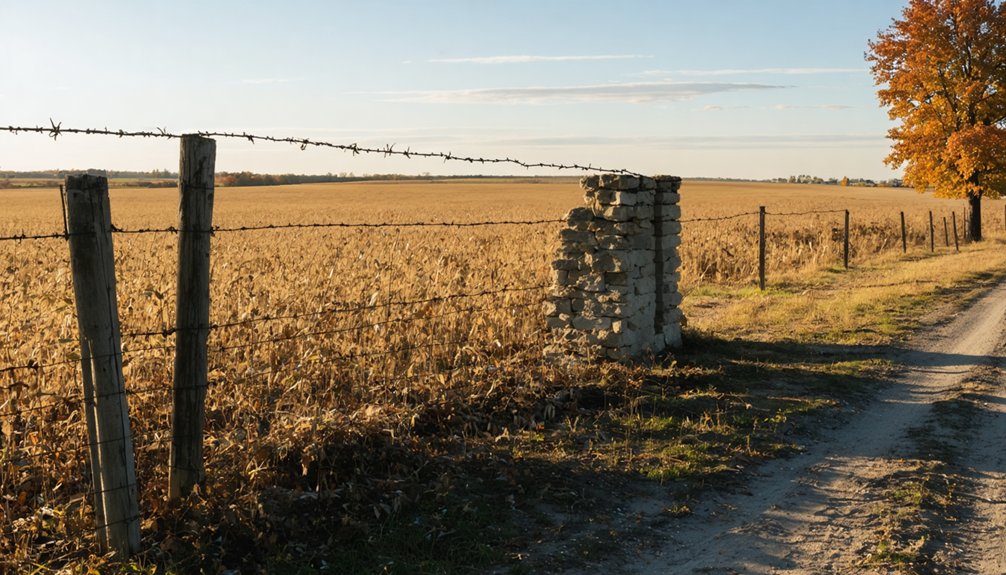
When you arrive at Tracy’s former site, don’t expect standing walls or weathered storefronts — what’s left is mostly overgrown land, scattered foundations, and silence. The coal miners who once lived here left behind almost nothing visible to the casual eye.
You might spot subtle archaeological remains if you look carefully — depressions in the earth, stone outlines, or disturbed soil patterns hinting at former structures. Historical artifacts are unlikely to surface without dedicated excavation, and removing anything you do find is both illegal and disrespectful to the site’s integrity.
No trails, signage, or maintained access greets you here. Tracy rewards patient, observant visitors who appreciate absence as much as presence. Bring your curiosity, respect the land’s boundaries, and let the quiet tell the story.
How to Find Tracy’s Former Site in Kankakee County
Finding Tracy’s former site requires a bit of old-fashioned map work, since no highway signs or GPS coordinates will guide you there directly. Start by pulling up a Kankakee County road map and locating Essex Township.
Finding Tracy’s former site demands old-fashioned map work — no highway signs or GPS will lead you there.
From there, orient yourself northwest of Buckingham, the reference point documented on the 1892 Illinois Central Railroad map — a essential piece of historical documentation that confirms Tracy’s exact placement as a railroad spur.
Before you head out, check Kankakee County’s GIS portal for current access roads, since rural routes shift over time.
Cultural preservation efforts in the area remain minimal, so you’re largely navigating on your own. Arrive during daylight, bring a printed county map as backup, and treat every unmarked boundary you encounter as potential private property.
Is It Legal to Visit Tracy: and Is It Safe?
Before you head out to Tracy’s former site, you’ll want to confirm whether the land is privately owned, since most ghost town locations in Illinois carry no public designation and trespassing can result in legal consequences.
Once you’re on-site, you’ll face real hazards — uneven ground, dense overgrowth, and unmarked property boundaries that make careful footing a necessity.
To protect yourself legally and physically, contact Kankakee County authorities ahead of your visit, stick to established paths, and never explore the area after dark.
Private Property Concerns
Since Tracy sits on what’s almost certainly private rural land, you’ll want to sort out the legal and safety questions before you make the trip. No public designation protects the site, meaning you could unknowingly cross a property line without realizing it. Contact Kankakee County authorities ahead of time to clarify current land-use boundaries and access rights.
Local lore suggests the area holds remnants worth respecting, and any preservation efforts depend on visitors like you treating the land responsibly. Trespassing not only risks legal trouble but also damages the fragile archaeological traces that remain. Reach out to neighboring landowners if possible, request permission, and document what you find rather than disturbing it.
Your freedom to explore works best when it’s built on respect and preparation.
Safety Hazards On-Site
Once you’ve secured permission to visit Tracy, the physical risks at the site demand equal attention. The ground beneath your feet hides uneven terrain, crumbling foundations, and hidden debris that can twist an ankle instantly. Vegetation overgrowth conceals these dangers further, turning a simple walk into a hazard course. Watch every step.
Wildlife encounters are equally likely. Snakes, rodents, and insects thrive in abandoned, overgrown spaces like Tracy. Wear sturdy boots, long pants, and inspect your clothing afterward for ticks.
Carry water, a first aid kit, and a charged phone, because no services exist nearby. Visit strictly during daylight hours, as poor visibility amplifies every risk after dark. Preparation isn’t optional here — it’s what keeps your adventure from becoming an emergency.
Legal Precautions To Take
Visiting Tracy sits in a legal gray zone that you’ll need to navigate carefully before you go. Most of the land surrounding this forgotten mining settlement is private property, so trespassing laws apply whether or not you spot a posted sign. Contact Kankakee County authorities ahead of time to clarify current land-use boundaries and secure any necessary permissions.
Don’t disturb historical artifacts you might uncover — Illinois law protects archaeological remains, and removing them carries serious penalties. Local legends may romanticize the freedom of exploring ghost towns, but respecting legal boundaries protects both you and the site’s integrity.
Stick to established paths, carry identification, and know your exit routes. A little legal preparation keeps your adventure exciting without turning it into an expensive mistake.
The Best Time of Year to Visit Tracy
Since Tracy’s an unmanaged, unmarked site with no lighting or amenities, you’ll want to time your visit carefully.
Spring and summer offer easier access through the overgrowth, but winter actually gives you clearer sightlines to spot any remaining foundations or ground features.
Whichever season you choose, check Kankakee County’s weather forecast in advance and plan to arrive during daylight hours.
Ideal Seasonal Visit Windows
Although Tracy sits open year-round with no operating hours to worry about, the season you choose shapes your entire experience at this remote ghost town.
Each window offers distinct advantages for cultural preservation efforts and historical accuracy in your exploration:
- Spring/Summer – Lush growth frames the landscape, but pack allergy relief and expect denser overgrowth obscuring foundations.
- Fall – Dying vegetation reveals ground-level traces more clearly, offering sharper historical accuracy when documenting remnants.
- Winter – Cold temperatures expose structural outlines best, rewarding serious researchers committed to cultural preservation, though icy roads demand caution.
Whatever season calls you, always check Kankakee County weather forecasts beforehand. You’re visiting untamed, unmanaged land—your preparation determines whether this ghost town adventure becomes a breakthrough discovery or a dangerous detour.
Weather And Safety Timing
Weather shapes every ghost town visit, and Tracy’s unmanaged, unmarked terrain makes that truth hit harder than most. Before you load the car, check Kankakee County’s weather patterns carefully.
Spring and summer push vegetation thick, softening visibility but warming your travel window. Winter strips the overgrowth back, revealing ground features more clearly, though icy rural roads add real risk.
Whatever season you choose, pack your safety gear without compromise. Sturdy boots, water, a first aid kit, and a charged phone aren’t optional here, they’re essential.
Tracy offers no services, no shelter, and no maintained paths.
Always plan for daylight hours only. Arriving early gives you maximum light and a comfortable exit window before conditions shift unexpectedly.
Smart timing protects both you and the site.
Traveling to Tracy requires a bit of detective work, since no specific highway number marks its former location on modern road signs. You’ll need reliable resources to pinpoint this vanished coal town hiding in Essex Township, Kankakee County.
Follow these navigation steps before hitting the road:
- Pull up Kankakee County GIS maps to identify current rural access roads leading northwest of Buckingham.
- Reference the 1892 Illinois Central Railroad map to orient yourself toward railroad remnants and historical artifacts still embedded in the landscape.
- Cross-check county road maps with satellite imagery for real-time ground conditions.
Don’t rely solely on GPS, since Tracy’s abandoned status means coordinates aren’t publicly standardized. Old maps combined with modern tools give you the clearest path forward.
Ghost Towns Near Tracy Worth Adding to Your Kankakee County Trip

Once you’ve mapped your route to Tracy, it’s worth stretching that same road trip across Kankakee County to catch a few more ghost towns that share Tracy’s boom-and-bust story.
Once you’ve mapped your route to Tracy, stretch the same road trip across Kankakee County to uncover more ghost towns.
Essex Township alone holds scattered remnants of settlements that rose and collapsed alongside single industries, each carrying real archaeological significance. You’ll find that neighboring communities like Buckingham anchor your navigation while pointing you toward forgotten corners of the county.
Historical preservation efforts remain sparse in this region, so you’re largely exploring on your own terms, which suits the independent traveler well.
Research Kankakee County’s historical society records before departing to identify additional lost settlements worth visiting.
Cross-referencing old Illinois Central Railroad maps reveals stops that modern roads have completely erased, rewarding curious travelers who dig deeper.
Frequently Asked Questions
Were There Any Schools or Churches Built in Tracy, Illinois?
The records don’t confirm schools or churches among Tracy’s abandoned buildings, but you’ll find local legends hinting at a tight-knit mining community that likely gathered for worship and education in its dozen modest structures.
How Many People Lived in Tracy at Its Population Peak?
Tracy’s peak population isn’t precisely recorded, but you’ll find it housed roughly a dozen buildings’ worth of miners. Ghost town tourism reveals how fast population decline hit—this freedom-seeking community vanished entirely around 1900 when coal ran dry.
Did Any Tracy Residents Relocate to Nearby Towns After 1900?
The historical record doesn’t confirm where Tracy’s residents relocated after 1900, but you’ll find local legends and ghost stories suggesting scattered miners drifted into nearby Buckingham and surrounding Kankakee County communities, chasing new opportunities.
Are There Any Museums Displaying Artifacts Recovered From Tracy’s Site?
No confirmed artifacts display or museum exhibits showcase Tracy’s “sleeping memories” yet. You’ll want to check with Kankakee County Historical Society, as they might privately hold recovered remnants from Tracy’s vanished coal-mining chapter.
Was Tracy Ever Considered for Historical Landmark Designation by Illinois?
There’s no confirmed record that Tracy’s ever received formal landmark designation or historical preservation status. You’d want to contact the Illinois Historic Preservation Agency directly to uncover any overlooked efforts honoring this forgotten coal town.
References
- https://drloihjournal.blogspot.com/2022/09/lost-towns-of-illinois-tracy-illinois.html
- https://www.drivethenation.com/things-to-do/holidays/halloween-illinois-route-66-ghost-towns
- https://www.youtube.com/watch?v=DX90D-hf5QE
- https://everafterinthewoods.com/this-45-mile-illinois-trail-takes-you-through-haunting-ghost-towns-and-gorgeous-woodlands/
- https://drloihjournal.blogspot.com/search/label/Lost Towns of Illinois