Planning a ghost town road trip to Traxler, Florida means tracing the ghost of a cotton economy the railroad left behind. Start in Gainesville, head north on I-75, then turn east on CR 236 toward a landscape where an old church still stands and wildflowers swallow forgotten foundations. Visit in spring before Florida’s heat makes exploration miserable. Bring water, sturdy boots, and curiosity — because Traxler’s story runs deeper than anything you’d expect from an empty field.
Key Takeaways
- Start your trip from Gainesville, taking I-75 north to the Alachua CR 236 interchange, then heading east along the historic Bellamy Road corridor.
- Visit in spring (March through May) for comfortable temperatures, making exploration of the remote landscape significantly easier.
- Bring water, snacks, sturdy boots, sun protection, a camera, and navigation tools for this remote, less-traveled destination.
- Look for the weathered old church and Spring Hill United Methodist Cemetery, the most notable surviving landmarks of Traxler.
- Secure access permissions beforehand, as the site is remote and historic artifacts are scattered throughout reclaimed landscape.
Why Traxler, Florida Disappeared From the Map
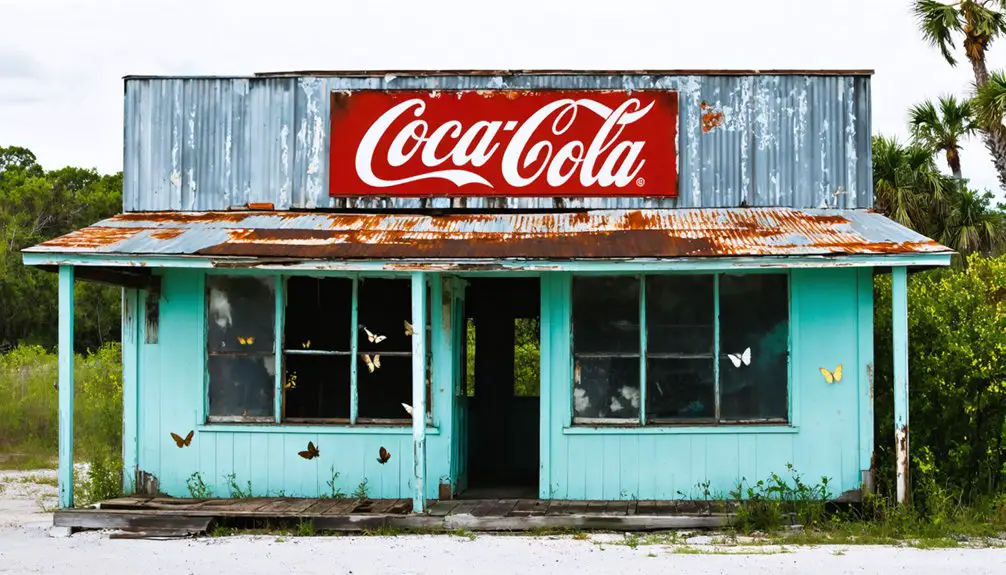
Once a modest but self-sufficient community anchored by cotton fields, a general store, and a post office, Traxler didn’t fade quietly — it was bypassed into oblivion.
When railroad developers chose a different route, they fundamentally sentenced the town to death.
Cotton production collapsed, the gin shut down, businesses closed, and residents drifted elsewhere seeking opportunity.
What Remains at the Traxler Ghost Town Site Today
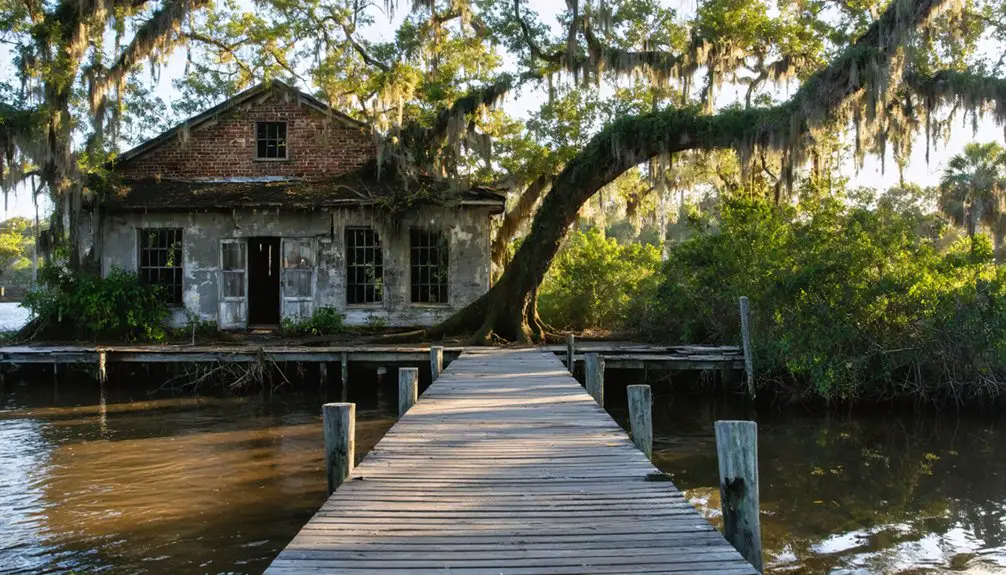
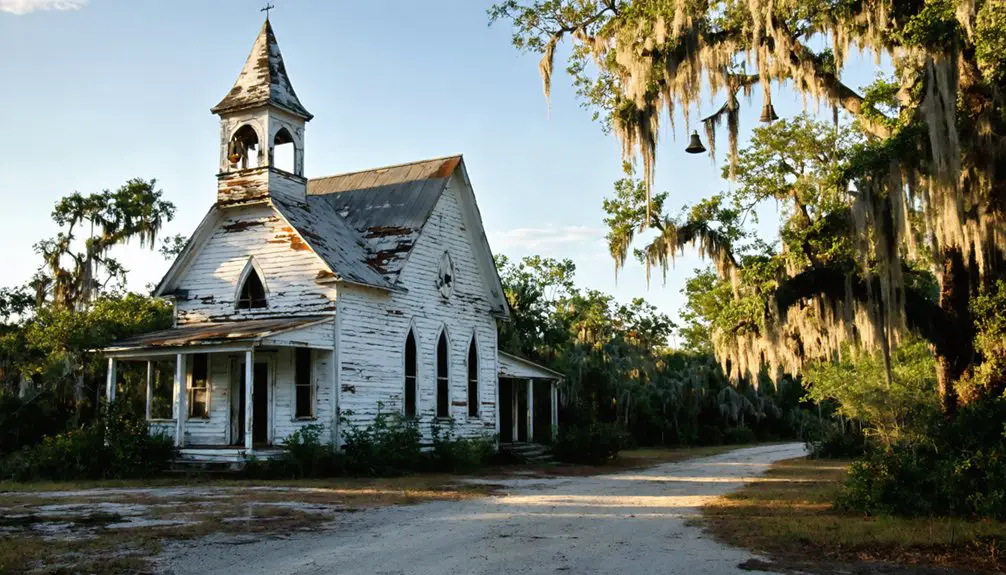
Though Traxler has largely returned to the earth, a few quiet remnants still anchor its memory to the land. When you walk the old Bellamy Road corridor, the original church still stands as a rare survivor, weathered but resolute against the surrounding local flora that has slowly reclaimed the landscape.
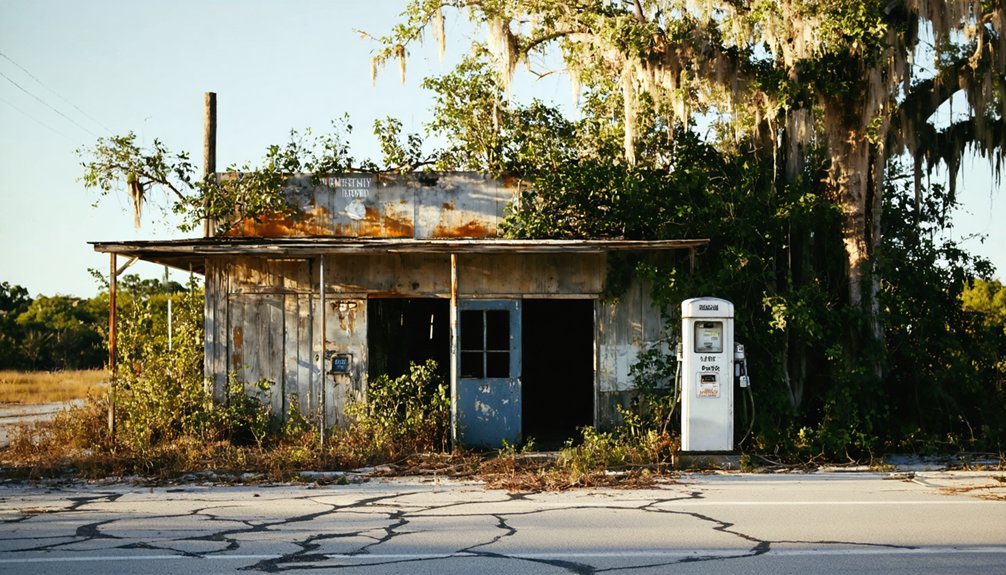
The Spring Hill United Methodist Cemetery remains a preserved and solemn landmark worth your time. You’ll find historic artifacts scattered conceptually throughout the area’s story, though the general store and post office have vanished entirely beneath decades of growth and neglect.
Modern homes dot the rural surroundings, reminding you that life quietly continued here after the town collapsed. Traxler rewards the curious traveler who seeks meaning in absence, reading history through what’s missing as much as what survives.
How to Reach Traxler From Gainesville via I-75
Getting to Traxler from Gainesville is a straightforward drive that carries you north along I-75 toward the Alachua CR 236 interchange, the northernmost exit connecting you to the ghost town’s territory. Once you exit, turn east onto CR 236, following the same corridor that once guided cotton farmers and merchants along the old Bellamy Road.
You’re retracing a route that history quietly abandoned. Before heading out, explore Alachua’s local cuisine and nearby attractions — the city sits just south of the site and rewards a brief stop.
Pack your supplies, because Traxler’s remote character demands preparation. The road ahead isn’t crowded with tourists; it’s yours to own. That open stretch of Florida highway carries something rare — the unfiltered freedom of chasing a vanished world on your own terms.
When to Visit Traxler for the Best Conditions
Spring is your best window for visiting Traxler, when Florida’s heat hasn’t yet turned oppressive and the rural landscape settles into something almost cinematic. You’ll move through history more freely when conditions cooperate, uncovering local legends and historical significance without battling summer’s brutal humidity.
Plan your visit around these essentials:
- Timing: March through May offers the most comfortable temperatures
- Preparation: Research access permissions before you arrive
- Attire: Wear sturdy shoes and lightweight, protective clothing
- Supplies: Pack water, snacks, and navigation tools for remote terrain
- Mindset: Arrive ready to read the land, not just see it
Summer punishes the unprepared. Spring rewards the curious. Traxler doesn’t announce itself — you earn it.
What to Bring When Visiting Traxler’s Remote Site
Traxler demands respect before it offers anything in return, so you’ll want to pack with intention. This remote stretch of old Bellamy Road doesn’t coddle the unprepared. Bring sturdy boots, water, and sun protection — Florida’s heat is relentless and unforgiving.
Carry a camera ready for historic architecture; the surviving church stands as a quiet monument to lives once rooted here. A notebook helps you capture local legends whispered through the landscape — stories of cotton gins, vanished storefronts, and a community abandoned when the railroad chose a different path.
Permissions matter here, so secure access arrangements beforehand. Pack essentials, travel light, and move through the site with curiosity and care. Traxler rewards the intentional traveler who arrives prepared to listen.
Frequently Asked Questions
Who Was William H. Traxler and Why Did He Establish the Community?
William H. Traxler founded this community in the late 1800s, drawing cotton farmers to its historic architecture and local legends. You’ll discover he built a thriving settlement along old Bellamy Road, chasing freedom and frontier opportunity.
What Were the Geographic Coordinates and Elevation of the Traxler Site?
You’ll find Traxler’s coordinates at 29.8708°N, 82.5401°W, rising 164 feet above sea level. Chase those historical artifacts and honor preservation efforts where freedom-seekers once roamed this hauntingly beautiful, forgotten Florida landscape.
How Long Did the Traxler Post Office Operate Before Permanently Closing Down?
You’ll find the Traxler post office operated for 15 years, from 1891 to 1906, before it permanently closed. It’s a detail that fuels ghost stories and urban legends, beckoning freedom-seekers to explore its historically-grounded, hauntingly silent past.
What Primary Crop Did Traxler Settlers Depend Upon for Their Economic Survival?
You’d till the soil, you’d tend the fields, you’d harvest your hopes — cotton was Traxler settlers’ lifeblood. Their historical agriculture thrived on crop dependency, as cotton farming fueled every dream, every trade, every heartbeat of this vanished community.
Are There Special Permits Required Before Accessing the Traxler Ghost Town Site?
You’ll need special permissions before stepping into Traxler’s ghost town history. Don’t skip the permitting process — it’s your gateway to roaming freely through this hauntingly beautiful, historically-grounded relic of Florida’s forgotten past. Plan ahead and roam wild!
References
- https://www.youtube.com/watch?v=LAHmhtXE6DY
- https://en.wikipedia.org/wiki/Traxler
- https://www.ghosttowns.com/states/fl/traxler.html
- https://www.youtube.com/watch?v=oiS5w2an3sI
- https://elixir664.rssing.com/chan-80289887/article632.html
- https://en.wikipedia.org/wiki/List_of_ghost_towns_in_Florida
- http://www.desolationflorida.com/2015/10/
- https://mapcarta.com/20697124
- https://www.youtube.com/watch?v=AxFvQa1_els
- https://www.ghosttowns.com/states/fl/fl.html