Vaughn, New Mexico isn’t a full ghost town, but it’s hauntingly close. With a population of around 285, this high desert railroad relic holds weathered storefronts, abandoned motels, and a historic depot that whisper stories of a busier era. You can reach it via U.S. Routes 54, 60, and 285, and spring or fall makes the ideal time to visit. Stick to public streets like Cedar Street, and Vaughn reveals its secrets on its own terms — there’s plenty more to uncover ahead.
Key Takeaways
- Vaughn, NM is accessible via U.S. Routes 54, 60, and 285, requiring no special permits or clearance to visit.
- Spring and fall offer the most comfortable conditions for exploring Vaughn’s abandoned motels, storefronts, and historic railroad depot.
- Cedar Street’s weathered storefronts, faded signage, and sagging overhangs provide authentic ghost-town visuals without leaving public areas.
- Vaughn was once a major railroad hub featuring a roundhouse, freight yard, Harvey House hotel, and two crossing railroads.
- Stick to public streets, respect no-trespassing signs, and avoid entering deteriorating buildings to protect Vaughn’s fragile historic character.
What Makes Vaughn, New Mexico a Ghost Town Worth Visiting?
Tucked into the high desert of Guadalupe County, Vaughn, New Mexico isn’t a ghost town in the traditional sense—it’s still breathing, with a population hovering around 285 and a handful of businesses keeping the lights on. But walk Cedar Street, and you’ll feel the weight of a town that time largely passed by.
Abandoned motels, hollow storefronts, and a weathered train depot tell the story of a railroad hub that once roared with Santa Fe Railway crews and Harvey House travelers. Local legends trace the town’s roots back to cattle drives and civil engineers, while scattered preservation efforts keep fragments of that era visible.
You’re not visiting ruins—you’re visiting a living relic, and that distinction makes Vaughn far more compelling than a fully abandoned site ever could be.
Why the Railroad Turned Vaughn Into a Boom Town
Before the railroad arrived, Vaughn was little more than a dusty waypoint on the Stinson cattle trail, a place cowboys passed through rather than stopped at. Then two major railroads crossed here, and everything changed.
The Atchison, Topeka & Santa Fe made Vaughn a full division point, triggering rapid growth:
- A roundhouse and freight yard anchored the town’s industrial core.
- A Harvey House hotel served rail passengers and crews.
- Railroad offices brought permanent residents and commerce.
- Cedar Street’s commercial corridor flourished around the depot.
How to Get to Vaughn, New Mexico and When to Go
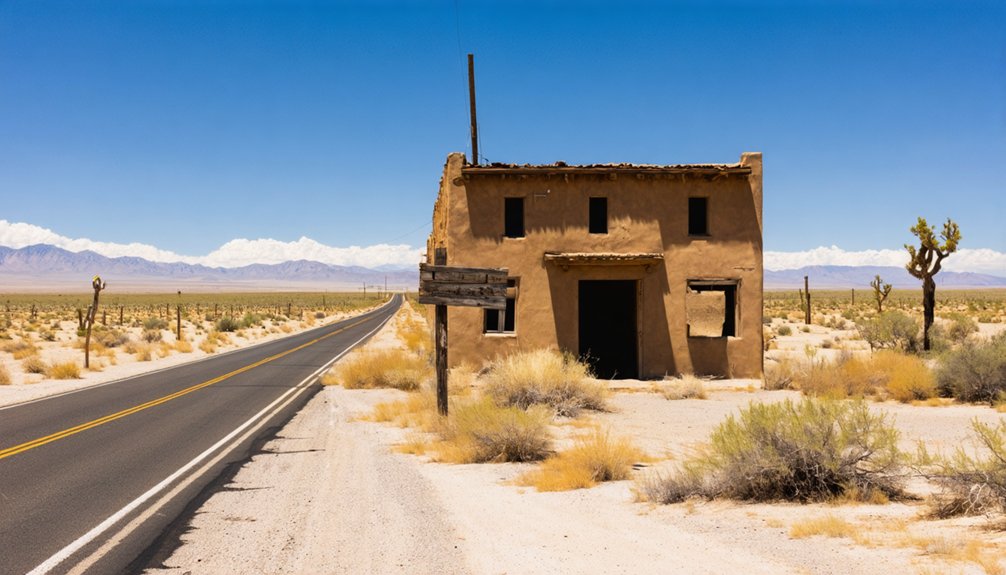
All that railroad history is still accessible today, and getting to Vaughn is straightforward. U.S. Routes 54, 60, and 285 converge right in town, making it an easy stop on any cross-country drive through New Mexico. You won’t need back roads or special clearance — just point your vehicle toward Guadalupe County and go.
Three major U.S. routes converge in Vaughn, making it an effortless stop on any New Mexico cross-country drive.
Spring and fall offer the most comfortable conditions for exploring on foot, letting you photograph abandoned storefronts and hunt for local cuisine without battling summer heat.
Winter can turn rough fast, so avoid it unless you’re prepared.
Keep your eyes open while driving in — wildlife encounters along the high desert stretches are common. Pronghorn and mule deer move through the grasslands surrounding town, adding a raw, open-country feel to your approach.
The Best Abandoned Sites to See in Vaughn
Once you’re in Vaughn, you’ll want to head straight to the old railroad depot, where the bones of the town’s once-thriving rail economy still stand in quiet decay.
Cedar Street’s storefronts offer a walk through time, their weathered facades preserving the commercial corridor that once served railroad workers and travelers alike.
Scattered throughout town, you’ll also find abandoned motels and gas stations that speak to Vaughn’s later identity as a highway crossroads, their crumbling signs and empty lots making for striking photography.
The Old Railroad Depot
Though Vaughn’s railroad era has long since faded, the old depot still stands as the town’s most compelling historic landmark. It’s a tangible piece of railroad history and a testament to town preservation efforts that keep Vaughn’s story alive. When you visit, take time to absorb what this structure once represented.
Here’s what makes the depot worth your stop:
- It once served as a division point for the Atchison, Topeka & Santa Fe Railway
- The building reflects early 1900s railroad architecture still largely intact
- It anchored a bustling commercial corridor now frozen in time
- It connects directly to Vaughn’s transformation from rail hub to quiet crossroads
Walk the perimeter, photograph the details, and let the silence tell you everything.
Cedar Street Storefronts
Cedar Street is where Vaughn’s ghost-town identity hits hardest. This original commercial corridor preserves the railroad era in raw, unfiltered form — vacant storefronts, weathered facades, and empty lots that once buzzed with rail workers and travelers. You’ll feel the weight of what this town used to be just walking the strip.
Unlike nearby attractions that package history neatly, Cedar Street hands it to you straight. Peer through dusty windows, frame your shots, and take your time.
After exploring, you’re close enough to grab local cuisine at one of Vaughn’s remaining roadside spots before heading back out on the highway.
Cedar Street doesn’t demand anything from you — it just stands there, quietly daring you to pay attention.
Abandoned Motels And Stations
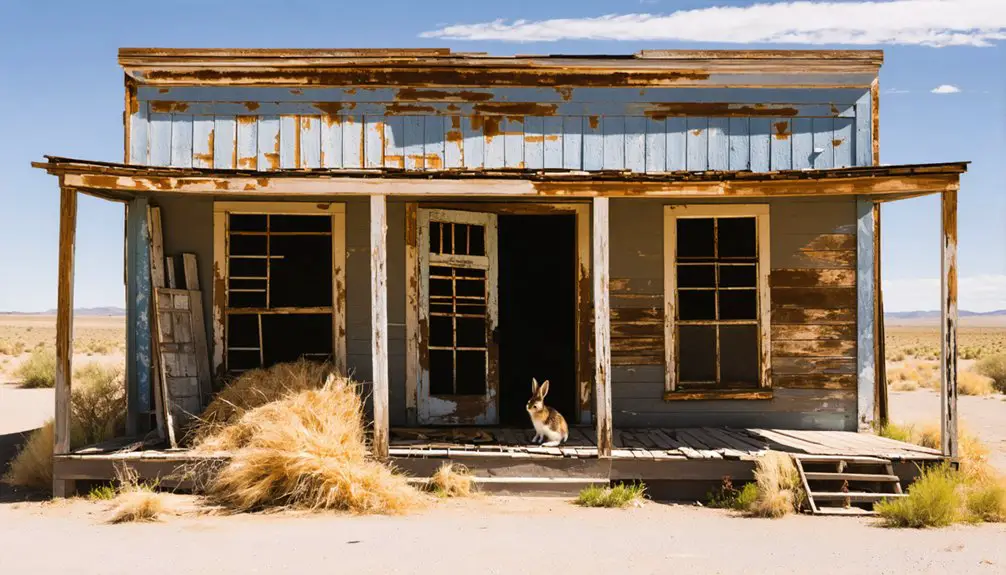
Scattered along Vaughn’s roadside edges, the abandoned motels and gas stations are the town’s most visually striking relics — sun-bleached signs, collapsed overhangs, and hollow pump islands frozen somewhere around the last decade the highway actually mattered.
These structures carry genuine historic architecture and local legends worth exploring. Here’s what you’ll find:
- Collapsed motel canopies sagging under decades of desert wind
- Vacant gas station bays with rusted equipment still in place
- Faded painted signage advertising prices no one will ever pay again
- Stripped roadside offices where travelers once checked in for the night
Walk carefully around weathered structures — some overhangs are unstable. Respect posted boundaries, but know that simply standing on the roadside gives you enough to photograph, imagine, and remember.
What’s Still Open in Vaughn and What’s Long Gone
Vaughn isn’t fully dead, and that tension between what’s survived and what’s crumbled makes it genuinely interesting to explore. You’ll still find working motels, basic local dining, and travelers’ services clustered around the highway junction where U.S. Routes 54, 60, and 285 converge.
A high school still operates, and people genuinely live here. But walk a block off the main road and the contrast hits hard. Storefronts stand hollow, old gas stations rust quietly, and abandoned motels bake under the New Mexico sun.
The train depot remains one of the best scenic viewpoints into Vaughn’s railroad past, though the roundhouse and freight yards that once defined the town are long gone. What remains is a place suspended between function and forgetting.
How to Explore Vaughn’s Abandoned Sites Without Getting in Trouble
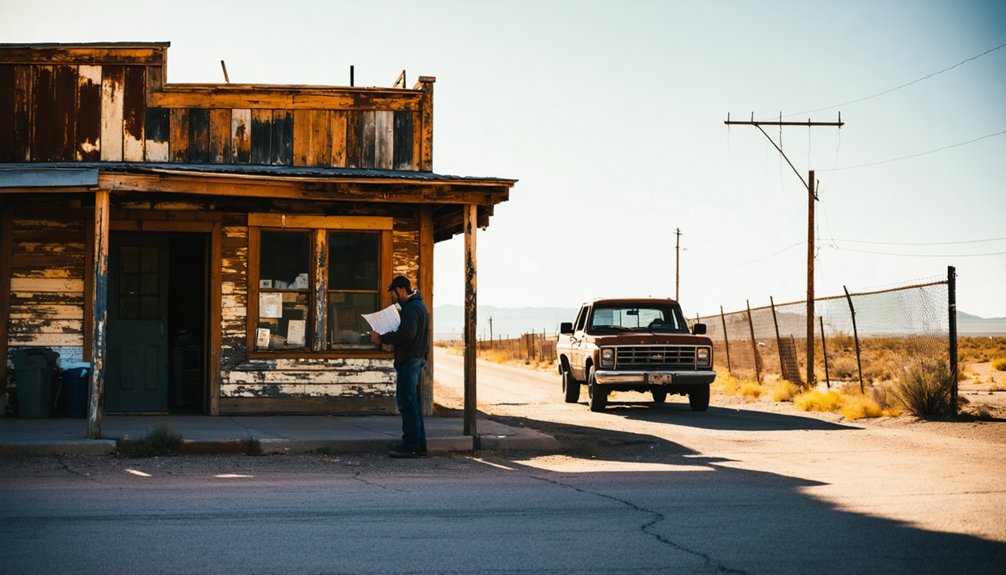
Vaughn is still a living community, so you’ll want to treat it like one. Respect every no-trespassing sign you encounter, and stick to public streets, sidewalks, and open lots when you’re exploring the abandoned storefronts and weathered structures.
Cedar Street and the area around the old depot give you plenty to see without stepping onto private property.
Respect No-Trespassing Signs
Although Vaughn’s crumbling storefronts and weather-beaten motels beg to be explored up close, you’ll want to keep your curiosity in check when no-trespassing signs are posted. Local legends surround these abandoned spaces, but preservation challenges mean some structures are dangerously unstable.
Follow these four simple rules to keep your visit trouble-free:
- Observe posted signs — if a property’s marked off-limits, stay on the public side.
- Shoot from the street — a good camera lens brings detail without trespassing.
- Avoid entering deteriorating buildings — weathered overhangs and weak floors create real hazards.
- Respect active residents — Vaughn’s still a living community, not a theme park.
Your freedom to explore depends on staying within boundaries that protect both you and the town’s fragile history.
Stay On Public Areas
Staying on public roads and sidewalks opens up more of Vaughn’s ghost-town character than you might expect. Cedar Street runs right through the heart of the old commercial corridor, putting you within arm’s reach of weathered storefronts, sagging overhangs, and faded signage without stepping onto private property.
You’ll absorb local legends simply by walking the route where railroad workers once lived and traded. The depot area and former Harvey House site sit visible from public vantage points, rewarding careful observation over reckless access.
Historical preservation depends on travelers who resist the urge to breach boundaries, because unchecked foot traffic accelerates decay. Keep your camera ready, stay on the pavement, and let Vaughn reveal itself on its own terms.
Frequently Asked Questions
Was Vaughn, New Mexico Ever Considered for County Seat Status?
The knowledge doesn’t confirm Vaughn’s county seat history, but you’ll find its Vaughn settlement origins rooted in cattle trails and railroads — forces that shaped Guadalupe County’s identity long before any town claimed lasting political dominance.
Are There Any Annual Events or Festivals Held in Vaughn Today?
The knowledge base doesn’t confirm specific annual festivals in Vaughn, but you’ll find that local traditions and historical preservation efforts keep the community’s spirit alive, offering spontaneous, authentic glimpses into small-town New Mexico life you won’t forget.
Did Any Famous People Live in or Pass Through Vaughn?
The knowledge doesn’t confirm famous residents or celebrity visits, but you can imagine railroad tycoons and cattle barons once striding through Vaughn’s dusty streets, shaping the American West with every deal struck along its historic crossroads.
What Native American History Exists in the Vaughn Area Before Settlement?
The knowledge doesn’t cover Native tribes or archaeological sites near Vaughn before European settlement. You’ll want to explore local New Mexico historical archives or Guadalupe County records to uncover that rich, pre-settlement story.
Are There Other Ghost Towns Worth Visiting Near Vaughn, New Mexico?
Like a treasure map unfolding, yes—you’ll find nearby ghost towns worth exploring! Carrizozo and White Oaks offer abandoned mines and historic landmarks that’ll ignite your wanderlust and reward your free-spirited adventures beyond Vaughn’s railroad ruins.
References
- https://www.newmexicoghosttowns.net/vaughn-nm
- https://www.reddit.com/r/NewMexico/comments/vtwi92/what_do_you_know_about_vaughn/
- https://www.youtube.com/watch?v=3iLdsvFnuoc
- https://coloradomagazineonline.com/Southwest/Ghost Street in Vaughn/Ghost Street.htm
- https://www.ghosttowns.com/states/nm/vaughn.html
- https://elchuqueno.com/city-of-dust-vaughn-new-mexico/
- https://coloradoghosts.wordpress.com/2018/04/06/whats-going-down-in-the-ghost-town-of-vaughn-new-mexico/
- https://www.newmexicomagazine.org/blog/post/vaughn-88049/
- https://www.trainorders.com/discussion/read.php?11